Princeton Sentry Ginkgo Tree, Maidenhair Tree 'Princeton Sentry'

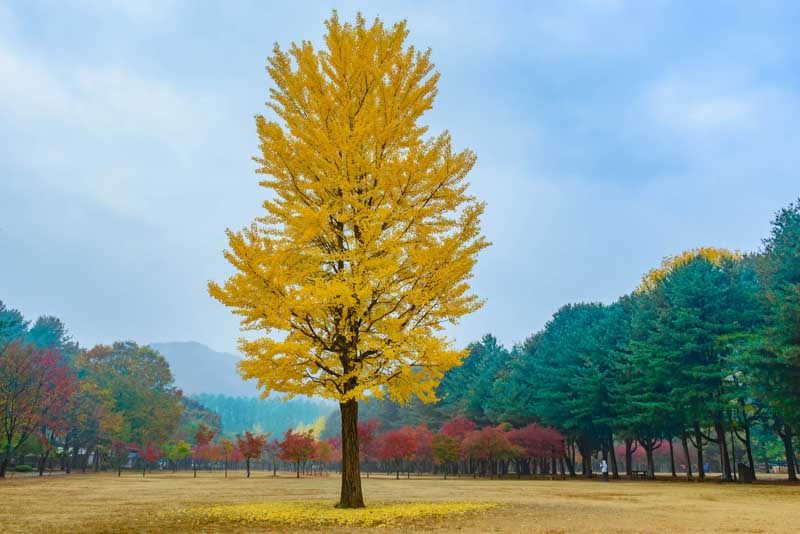
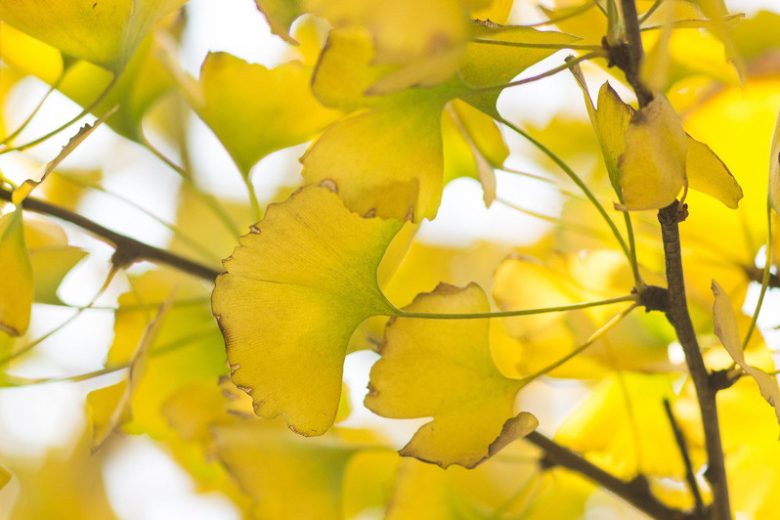


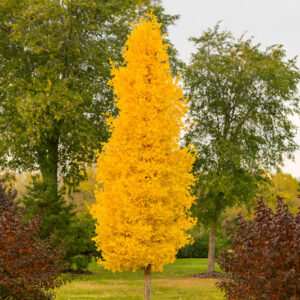
If any ginkgo defines modern elegance and practicality, it’s Ginkgo biloba ‘Princeton Sentry’. This celebrated male cultivar offers the ancient mystique and resilience of Ginkgo with a sleek, columnar form—making it ideal for city streets, driveways, narrow lots, or anywhere vertical impact is prized.
A Living Fossil with Contemporary Style: Ginkgoes have survived for over 200 million years, but ‘Princeton Sentry’ proves they’re also perfectly suited to our tight, pollution-challenged urban spaces. Selected in New Jersey, this variety’s upright habit, vigorous growth, and mess-free nature have made it a favorite for landscapers, arborists, and home gardeners alike.
Whether planted as a bold avenue, a driveway accent, or a statement tree for today’s compact yards, ‘Princeton Sentry’ delivers year-round interest with almost zero upkeep. It’s clean, tough, and backed by garden awards and civic acclaim.
| Botanical Name | Ginkgo biloba ‘Princeton Sentry’ |
| Common Names | Maidenhair Tree, Princeton Sentry Ginkgo |
| Plant Type | Deciduous columnar tree (male clone) |
| Hardiness Zones | USDA 3–9 |
| Height & Spread | 40–50 ft tall × 20–30 ft wide at maturity |
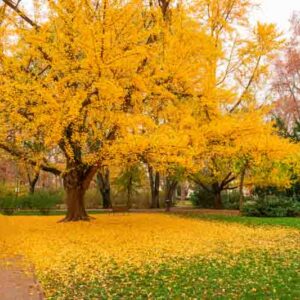
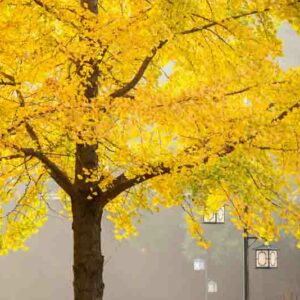
| Leaves & Fall Color | Fan-shaped, rich green, brilliant golden yellow in autumn |
| Special Features | Fruitless (male), very low-maintenance, resistant to deer, salt, drought, and urban pollution |
| Main Uses | Avenue, street tree, accent, vertical feature, specimen, small landscapes |
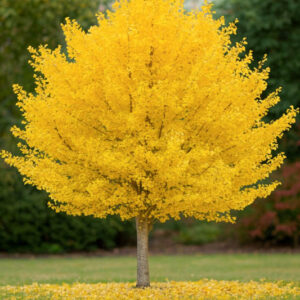
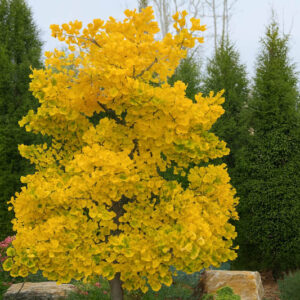
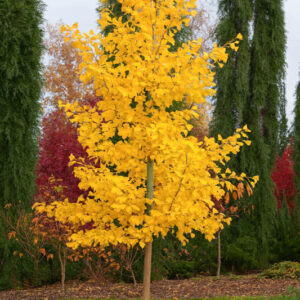
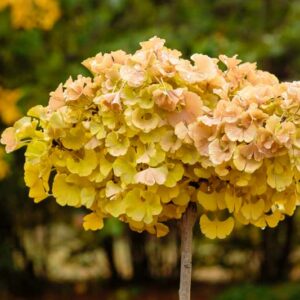
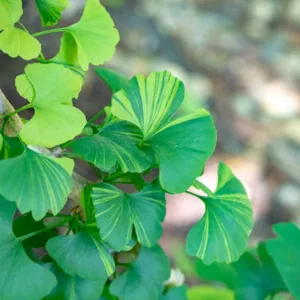
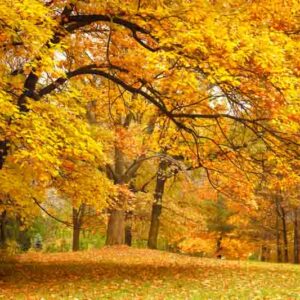
Form & Foliage: ‘Princeton Sentry’ is all about architectural verticality. Its strong central leader carries upward-pointing branches, forming a rigidly columnar silhouette in youth that fans gently with age. Leaves are the classic ginkgo fans, richly green, fluttering in breezes, and shifting to bright yellow in fall—a color so intense it’s famous for lighting up streets and yards overnight.
Winter Structure: The tree’s upright form and textured bark create visual interest even when branches are bare. Grouped plantings make stunning avenue boundaries.
Fruit-Free and Allergy Friendly: As a certified male clone, ‘Princeton Sentry’ never produces messy, malodorous fruit, making it perfect for busy public spaces and residential gardens.
Ginkgoes symbolize endurance, peace, and hope in Asian cultures, and ‘Princeton Sentry’ brings these qualities to the heart of modern cities. Planted from New York to Tokyo, this columnar marvel blends ancient survival with state-of-the-art urban planning.
‘Princeton Sentry’ fits formal and modern landscapes, tight spaces, and urban rain gardens.
| Variety | Type | Foliage & Appearance | Best Uses |
|---|---|---|---|
| Autumn Gold | Full-size canopy | Classic upright, gold leaves | Shade, street, parks |
| Mariken | Dwarf, globe-shaped | Dense, rounded, yellow fall | Containers, beds, bonsai |
| Princeton Sentry | Columnar | Tall, narrow, gold fall | Urban, street, driveways |
| Saratoga | Spreading, upright | Strap-leaf, golden autumn | Accent, specimen, shade |
| Majestic Butterfly | Variegated | Streaked leaves, compact | Collectors, small gardens |
| Jade Butterflies | Dwarf upright | Clustered small leaves | Patio, bonsai, borders |
Ginkgo biloba ‘Princeton Sentry’ merges prehistoric persistence with urban utility, displaying architectural elegance, tough adaptability, and dazzling gold each fall—a living fossil for contemporary streets, gardens, and heritage plantings.
| Hardiness |
3 - 9 |
|---|---|
| Heat Zones |
3 - 9 |
| Climate Zones | 1A, 1B, 2A, 2B, 3A, 3B, 4, 5, 6, 7, 8, 9, 10, 12, 14, 15, 16, 17, 18, 19, 20, 21, 22, 23, 24, A3 |
| Plant Type | Conifers, Trees |
| Plant Family | Ginkgoaceae |
| Genus | Ginkgo |
| Common names | Ginkgo, Maidenhair Tree |
| Exposure | Full Sun |
| Season of Interest | Spring (Mid, Late), Summer (Early, Mid, Late), Fall |
| Height | 40' - 50' (12.2m - 15.2m) |
| Spread | 20' - 30' (6.1m - 9.1m) |
| Maintenance | Low |
| Water Needs | Low, Average |
| Soil Type | Chalk, Clay, Loam, Sand |
| Soil pH | Acid, Alkaline, Neutral |
| Soil Drainage | Well-Drained |
| Characteristics | Showy, Plant of Merit |
| Tolerances | Deer, Clay Soil, Drought, Salt, Heat |
| Garden Styles | City and Courtyard, Informal and Cottage, Prairie and Meadow |
| Toxic to Humans | Low severity |
| Toxic to Cats | No known toxicity |
| Toxic to Dogs | No known toxicity |
| Toxic to Horses | No known toxicity |


| Hardiness |
3 - 9 |
|---|---|
| Heat Zones |
3 - 9 |
| Climate Zones | 1A, 1B, 2A, 2B, 3A, 3B, 4, 5, 6, 7, 8, 9, 10, 12, 14, 15, 16, 17, 18, 19, 20, 21, 22, 23, 24, A3 |
| Plant Type | Conifers, Trees |
| Plant Family | Ginkgoaceae |
| Genus | Ginkgo |
| Common names | Ginkgo, Maidenhair Tree |
| Exposure | Full Sun |
| Season of Interest | Spring (Mid, Late), Summer (Early, Mid, Late), Fall |
| Height | 40' - 50' (12.2m - 15.2m) |
| Spread | 20' - 30' (6.1m - 9.1m) |
| Maintenance | Low |
| Water Needs | Low, Average |
| Soil Type | Chalk, Clay, Loam, Sand |
| Soil pH | Acid, Alkaline, Neutral |
| Soil Drainage | Well-Drained |
| Characteristics | Showy, Plant of Merit |
| Tolerances | Deer, Clay Soil, Drought, Salt, Heat |
| Garden Styles | City and Courtyard, Informal and Cottage, Prairie and Meadow |
| Toxic to Humans | Low severity |
| Toxic to Cats | No known toxicity |
| Toxic to Dogs | No known toxicity |
| Toxic to Horses | No known toxicity |
How many Ginkgo biloba ‘Princeton Sentry’ (Maidenhair Tree) do I need for my garden?
| Plant | Quantity | |
|---|---|---|
| Ginkgo biloba ‘Princeton Sentry’ (Maidenhair Tree) | N/A | Buy Plants |
Create a membership account to save your garden designs and to view them on any device.
Becoming a contributing member of Gardenia is easy and can be done in just a few minutes. If you provide us with your name, email address and the payment of a modest $25 annual membership fee, you will become a full member, enabling you to design and save up to 25 of your garden design ideas.
Join now and start creating your dream garden!
Create a membership account to save your garden designs and to view them on any device.
Becoming a contributing member of Gardenia is easy and can be done in just a few minutes. If you provide us with your name, email address and the payment of a modest $25 annual membership fee, you will become a full member, enabling you to design and save up to 25 of your garden design ideas.
Join now and start creating your dream garden!