Ginkgo 'Saratoga', Maidenhair Tree 'Saratoga', Fossil Tree 'Saratoga', Icho 'Saratoga'

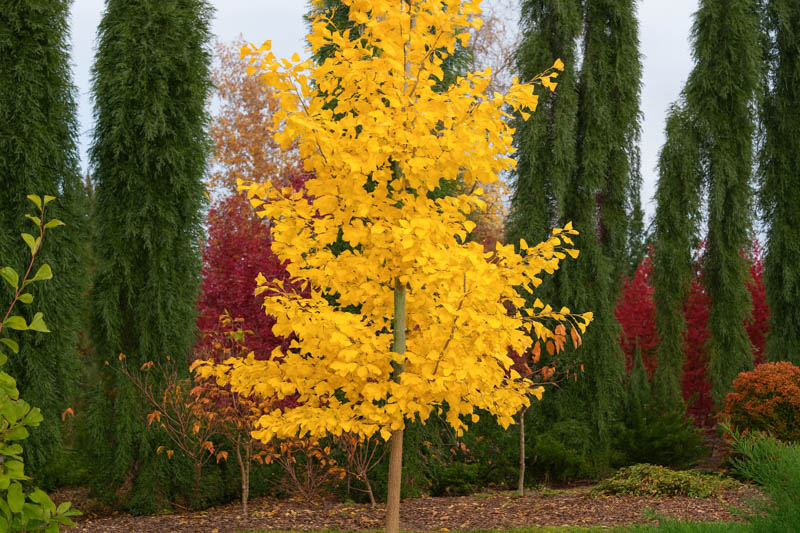


Among the constellation of ginkgo cultivars, Ginkgo biloba ‘Saratoga’ stands apart for its sculptural foliage, refined shape, and ever-reliable performance in home gardens. More than just a pretty face, ‘Saratoga’ is a robust, air-pollution-tolerant tree that brings ancient beauty and futuristic resilience to landscapes across North America.
A Living Fossil for Modern Gardens: Often called a “living fossil,” the ginkgo traces its legacy back 200 million years. ‘Saratoga’ carries forward that storied tenacity, yet with a refined, elegant look. Developed by the Saratoga Horticultural Research Foundation in California in 1975, this cultivar quickly earned a place in plant collections and city avenues for its ornamental qualities and all-male, fruitless character.
Whether planted as a focal point, shade tree, or legacy specimen, ‘Saratoga’ feels at home in formal gardens, contemporary yards, or wild woodland edges. Its upright, pyramidal outline stays compact—perfect for those seeking shade, beauty, and minimal fuss.
| Botanical Name | Ginkgo biloba ‘Saratoga’ |
| Common Names | Maidenhair Tree, Saratoga Ginkgo |
| Plant Type | Deciduous coniferous tree (male clone) |
| Hardiness Zones | USDA 3–9 |
| Height & Spread | 40–50 ft. tall × 25–35 ft. wide (12–15 × 8–10 m) |
| Leaves & Fall Color | Elongated, deeply cut, fan-shaped leaves; bright gold fall color, dramatic leaf drop |
| Special Features | Fruitless (male), storm resistant, pollution tolerant, deer resistant, low maintenance |
| Main Uses | Specimen tree, shade tree, accent, landscape focal point |
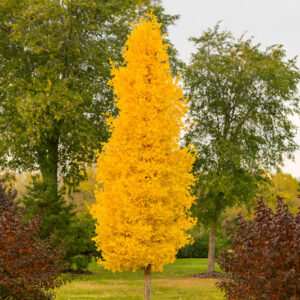
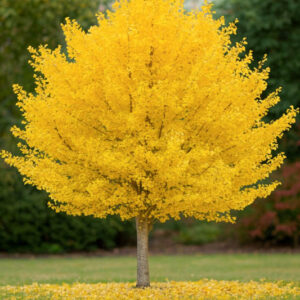
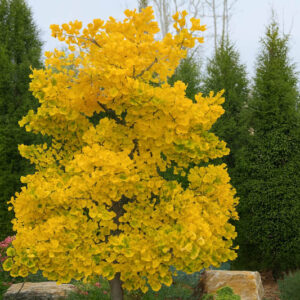
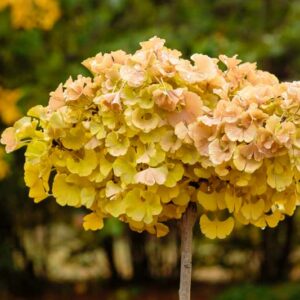
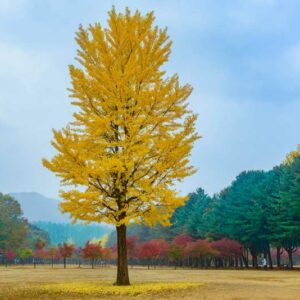
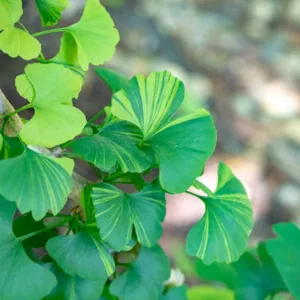
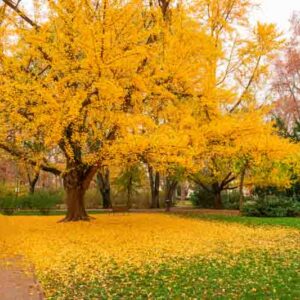
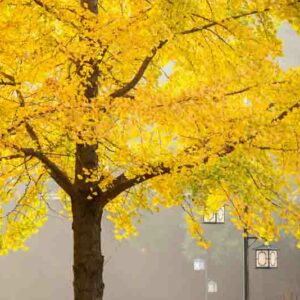
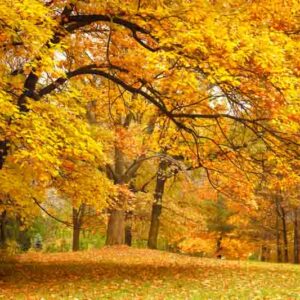
Form & Foliage: ‘Saratoga’ distinguishes itself with elongated, pendulous, and deeply cut leaves—think of a more “lacey,” ornate version of classic ginkgo foliage. Through spring and summer, leaves show a soft chartreuse-to-mid-green, fluttering in gentle breezes for a kinetic, ever-changing look. By autumn, foliage lights up in neon butter yellow, holding color longer than many cultivars.
Habit: Upright with a central leader and pyramidal to broadly rounded outline, ‘Saratoga’ develops a high canopy, making it ideal for shade. Its architecture fits formal gardens, city boulevards, and lawns alike, blending drama with dignified structure. The leaf drop, as with all ginkgoes, is sudden—one brisk frost, and your lawn turns golden overnight!
Fruit-Free and Allergy Friendly: As a male selection, ‘Saratoga’ will not produce the foul-smelling fruit that makes seed-grown ginkgoes problematic. Say goodbye to mess, allergies, and endless cleanups—urban foresters and homeowners salute this trait.
As with all ginkgoes, ‘Saratoga’ evokes ancient ancestral wisdom, peace, and hope. The leaves feature in Asian art and architecture, and many cities adopt ginkgo as a symbol of urban renewal. This selection, with its upright poise and distinctive cut foliage, brings a sense of artistry and enduring legacy to any home garden or public space.
‘Saratoga’ is a star as a shade specimen, focal point, or street tree. Use it to anchor a garden axis, soften a courtyard, or bring bold sculptural interest to lawns and parks. Its billowing leaves and upright shape play beautifully with ornamental grasses, Asian-inspired borders, or perennial beds.
| Variety | Type | Foliage & Appearance | Best Uses |
|---|---|---|---|
| Autumn Gold | Full-size canopy | Classic upright crown, bright gold leaves, large fans | Shade, specimen, street |
| Mariken | Dwarf | Dense, rounded, deep yellow | Courtyard, container |
| Princeton Sentry | Columnar | Tall, narrow, gold fall | Narrow spaces, street |
| Saratoga | Upright, spreading | Elongated, deeply cut leaves; billowing texture; neon gold in fall | Accent, shade, specimen |
| Majestic Butterfly | Variegated | Striped leaves, compact | Visual interest, small spaces |
| Jade Butterflies | Dwarf upright | Small, lobed leaves; bushy | Patio, bonsai, hedge |
Ginkgo biloba ‘Saratoga’ is a one-of-a-kind specimen for the thoughtful gardener. With its billowing, pendulous leaves and upright habit, it is both ancient and modern—a tree for city parks, home lawns, temple gardens, and contemporary landscapes. Little maintenance, no fruit, and decades of golden autumns await when you plant ‘Saratoga’.
| Hardiness |
3 - 9 |
|---|---|
| Heat Zones |
3 - 9 |
| Climate Zones | 1A, 1B, 2A, 2B, 3A, 3B, 4, 5, 6, 7, 8, 9, 10, 12, 14, 15, 16, 17, 18, 19, 20, 21, 22, 23, 24, A3 |
| Plant Type | Conifers, Trees |
| Plant Family | Ginkgoaceae |
| Genus | Ginkgo |
| Common names | Ginkgo, Maidenhair Tree |
| Exposure | Full Sun |
| Season of Interest | Spring (Mid, Late), Summer (Early, Mid, Late), Fall |
| Height | 40' - 50' (12.2m - 15.2m) |
| Spread | 25' - 35' (7.6m - 10.7m) |
| Maintenance | Low |
| Water Needs | Low, Average |
| Soil Type | Chalk, Clay, Loam, Sand |
| Soil pH | Acid, Alkaline, Neutral |
| Soil Drainage | Well-Drained |
| Characteristics | Plant of Merit, Showy |
| Tolerances | Deer, Clay Soil, Drought, Salt, Heat |
| Garden Styles | City and Courtyard, Informal and Cottage, Prairie and Meadow |
| Toxic to Humans | Low severity |
| Toxic to Cats | No known toxicity |
| Toxic to Dogs | No known toxicity |
| Toxic to Horses | No known toxicity |


| Hardiness |
3 - 9 |
|---|---|
| Heat Zones |
3 - 9 |
| Climate Zones | 1A, 1B, 2A, 2B, 3A, 3B, 4, 5, 6, 7, 8, 9, 10, 12, 14, 15, 16, 17, 18, 19, 20, 21, 22, 23, 24, A3 |
| Plant Type | Conifers, Trees |
| Plant Family | Ginkgoaceae |
| Genus | Ginkgo |
| Common names | Ginkgo, Maidenhair Tree |
| Exposure | Full Sun |
| Season of Interest | Spring (Mid, Late), Summer (Early, Mid, Late), Fall |
| Height | 40' - 50' (12.2m - 15.2m) |
| Spread | 25' - 35' (7.6m - 10.7m) |
| Maintenance | Low |
| Water Needs | Low, Average |
| Soil Type | Chalk, Clay, Loam, Sand |
| Soil pH | Acid, Alkaline, Neutral |
| Soil Drainage | Well-Drained |
| Characteristics | Plant of Merit, Showy |
| Tolerances | Deer, Clay Soil, Drought, Salt, Heat |
| Garden Styles | City and Courtyard, Informal and Cottage, Prairie and Meadow |
| Toxic to Humans | Low severity |
| Toxic to Cats | No known toxicity |
| Toxic to Dogs | No known toxicity |
| Toxic to Horses | No known toxicity |
How many Ginkgo biloba ‘Saratoga’ (Maidenhair Tree) do I need for my garden?
| Plant | Quantity | |
|---|---|---|
| Ginkgo biloba ‘Saratoga’ (Maidenhair Tree) | N/A | Buy Plants |
Create a membership account to save your garden designs and to view them on any device.
Becoming a contributing member of Gardenia is easy and can be done in just a few minutes. If you provide us with your name, email address and the payment of a modest $25 annual membership fee, you will become a full member, enabling you to design and save up to 25 of your garden design ideas.
Join now and start creating your dream garden!
Create a membership account to save your garden designs and to view them on any device.
Becoming a contributing member of Gardenia is easy and can be done in just a few minutes. If you provide us with your name, email address and the payment of a modest $25 annual membership fee, you will become a full member, enabling you to design and save up to 25 of your garden design ideas.
Join now and start creating your dream garden!