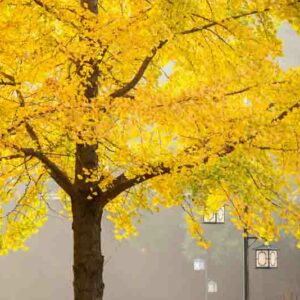
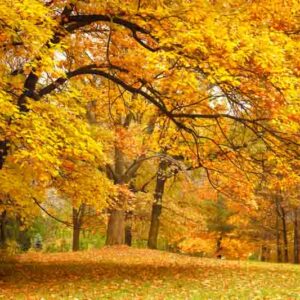
Ginkgo 'Autumn Gold', Maidenhair Tree 'Autumn Gold', Fossil Tree 'Autumn Gold', Icho 'Autumn Gold'

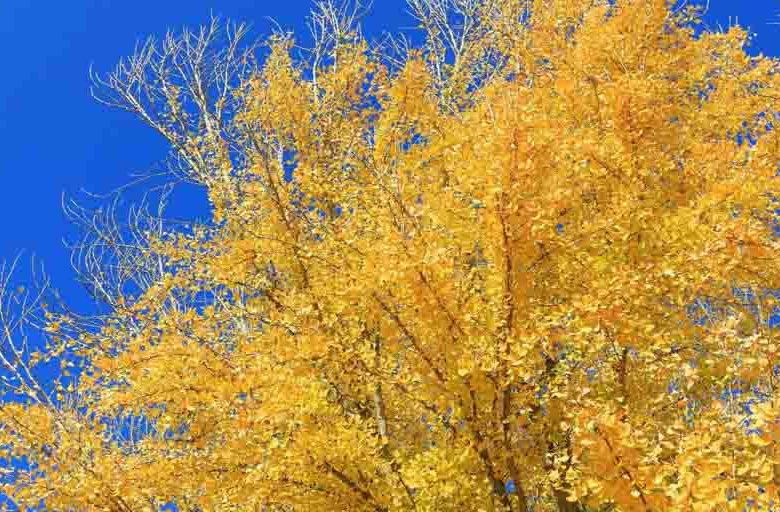
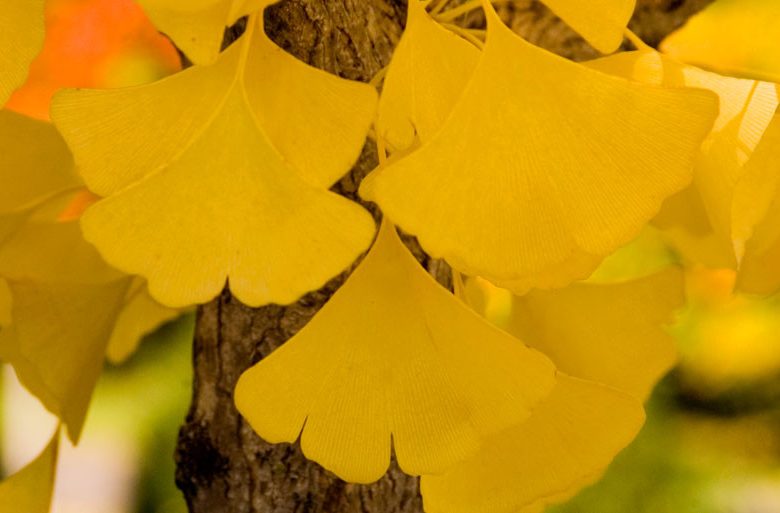
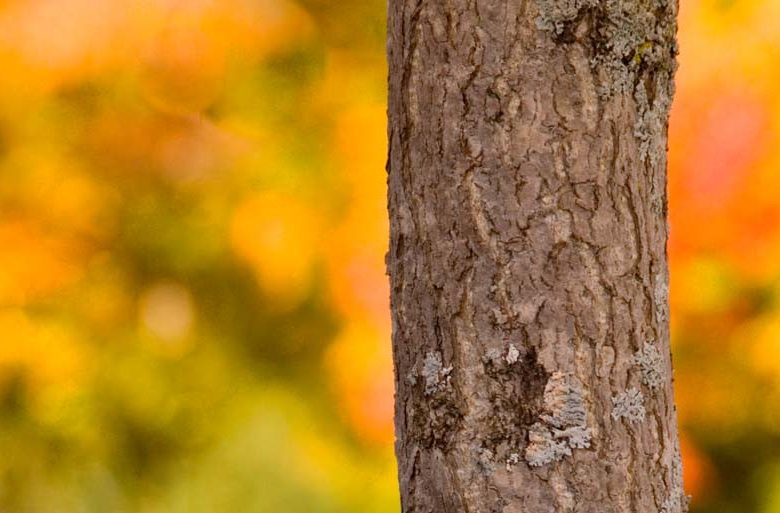


Among the most iconic trees for modern landscapes and historic gardens alike, Ginkgo biloba ‘Autumn Gold’ shines as the gold standard for fall brilliance, resilience, and living fossil heritage. This all-male cultivar is celebrated for its uniform shape, spectacular golden foliage, and bulletproof toughness.
A Living Fossil with Contemporary Appeal: Ginkgo biloba traces its lineage back more than 200 million years, predating even the dinosaurs. While most of its ancient relatives vanished, the ginkgo endured, earning its status as the only survivor of an entire plant division. ‘Autumn Gold’, selected for outstanding color and symmetry, brings this rich history into today’s city parks, boulevards, and home gardens.
Once revered in temple gardens of China and Japan and rediscovered by European botanists centuries ago, the ginkgo is globally admired for its resilience—not just to disease and pests, but even to catastrophes. After the bombing of Hiroshima, ginkgo trees were among the first living things to regrow near ground zero, cementing their reputation as a symbol of hope and endurance.
In urban life, ‘Autumn Gold’ has become a designer’s go-to for adding a sense of history, shade, and spectacular seasonal color—without the fuss or mess of many other trees. Its elegant fan-shaped leaves have even become stylized icons in art, jewelry, and architecture around the world.
| Botanical Name | Ginkgo biloba ‘Autumn Gold’ |
| Common Names | Maidenhair Tree, Autumn Gold Ginkgo |
| Plant Type | Deciduous coniferous tree (male clone) |
| Hardiness Zones | USDA 3–9 |
| Height & Spread | 40–50 ft. tall × 25–30 ft. wide (12–15 × 7–9 m) |
| Leaves & Fall Color | Fan-shaped green leaves; brilliant gold in fall, quick, showy leaf drop |
| Special Features | Fruitless (male), storm resistant, urban tolerant, low maintenance, deer and pollution resistant |
| Main Uses | Shade tree, boulevard/avenue tree, specimen, urban/city parks |
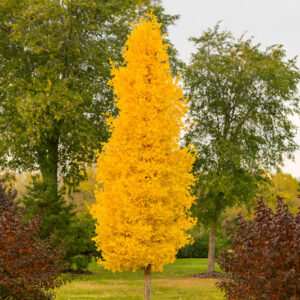
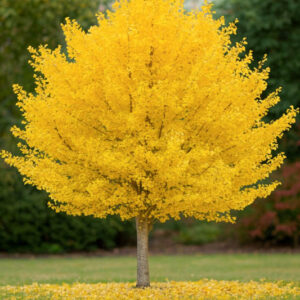
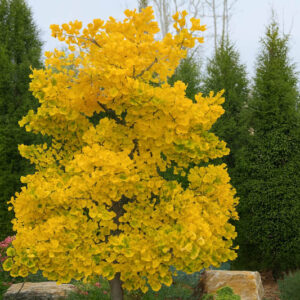
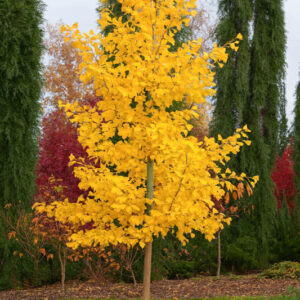
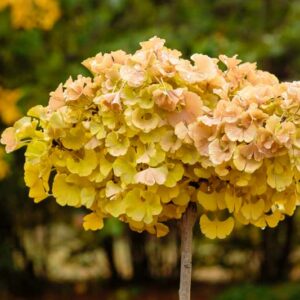
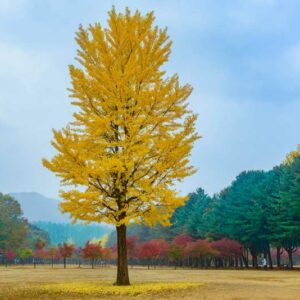
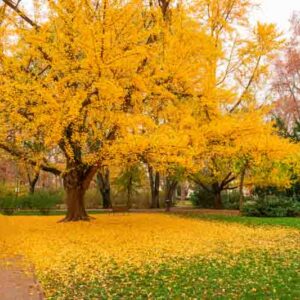
Form & Foliage: ‘Autumn Gold’ grows with a rigidly upright, pyramidal to broadly rounded habit. Unlike seed-grown ginkgoes, which can be variable, this clone forms an even, symmetrical crown—a dream for formal plantings. Its leaves emerge soft green, deeply veined, and with the classic two-lobed fan shape that inspired its species name (“biloba”). In autumn, leaves transform almost overnight into a luminous, golden yellow—often described as the best among all ginkgo cultivars.
The drop is sudden and dramatic, triggered by the season’s first hard frost: in a single day, the golden canopy becomes a vibrant yellow carpet, delighting gardeners and passersby alike. In winter, ‘Autumn Gold’ shows off its unique silhouette, with bare, upright branches and pronounced angular buds—nature’s own sculpture for the dormant season.
Male-Only, Mess-Free: Selected as a male cultivar, ‘Autumn Gold’ will never produce the troublesome, malodorous fruit that many other ginkgoes are known for. City planners and gardeners cherish this trait, as it both eliminates mess and allergy triggers.
The ginkgo, sacred in temple gardens across China, Korea, and Japan, symbolizes resilience, longevity, and peace. Ginkgo leaves appear as motifs on architecture, art, and even as the official tree and leaf of Tokyo, Japan. Festivals celebrate ‘Autumn Gold’ groves every fall, where visitors marvel beneath showers of gold—filling parks and streets with awe.
Plant ‘Autumn Gold’ as a statement specimen or create grand allees along driveways and boulevards. Its symmetrical form and golden color offer symmetry in formal gardens, and rugged resilience makes it perfect for urban parks, campuses, and modern developments. Underplant with spring bulbs or shade-tolerant perennials for maximum seasonal display.
| Variety | Type | Foliage & Appearance | Best Uses |
|---|---|---|---|
| Autumn Gold | Full-size canopy | Classic upright tree, bright golden fall color, large, fan-shaped leaves | Shade tree, specimen, street and park use |
| Mariken | Dwarf/compact | Dense, rounded form; lush small leaves; deep yellow autumn foliage | Small gardens, containers, urban courtyards, bonsai |
| Princeton Sentry | Columnar/upright | Tall, narrow form; bright yellow fall color; tolerant of tight spaces | Street plantings, small city lots, narrow spaces |
| Saratoga | Upright spreading | Light green, deeply divided leaves; architectural branching | Specimen tree, shade, landscape accent |
| Majestic Butterfly | Variegated | Leaves streaked green and yellow; unique texture; compact size | Ornamental, small spaces, visual interest |
| Jade Butterflies | Dwarf/upright | Small, deeply lobed “butterfly” leaves; slow growing, bushy | Containers, bonsai, patios, small gardens |
| Pendula | Weeping | Arching, pendulous branches; umbrella-shaped; classic gold fall color | Focal point, ornamental, landscape curiosity |
| Beijing Gold | Variegated/dwarf | Striking creamy-yellow leaves, compact growth, rare | Show gardens, collectors, accent tree |
| Troll | Miniature/spherical | Tiny size, globe-like shape, very dense foliage | Rock gardens, bonsai, small landscape touch |
| Fairmont | Upright pyramidal | Narrow crown, horizontal branching, bright gold fall foliage | Street tree, specimen, urban planting, dense shade |
| Horizontalis | Spreading/weeping | Branching horizontal, layered, wide canopies; elegant shape | Landscape accent, specimen, garden focal point |
| Peve Maribo | Compact/miniature | Dense, upright habit; small deeply cut leaves; slow growing | Patios, containers, bonsai, edging |
| Tubifolia | Unusual foliage | Leaves very narrow, tube-shaped, almost aquatic look | Collector’s item, specimen, visual interest |
Ginkgo biloba ‘Autumn Gold’ delivers the ancient mystique and unmatched fall color of the ginkgo, tailored for today’s gardens, boulevards, and green cities. It merges prehistoric heritage with contemporary beauty—demanding little, offering much, and dazzling every year with its golden autumn performance. If you want a tree that spans centuries in beauty, toughness, and meaning—this is one to plant for the ages.
| Hardiness |
3 - 9 |
|---|---|
| Heat Zones |
3 - 9 |
| Climate Zones | 1A, 1B, 2A, 2B, 3A, 3B, 4, 5, 6, 7, 8, 9, 10, 12, 14, 15, 16, 17, 18, 19, 20, 21, 22, 23, 24, A3 |
| Plant Type | Conifers, Trees |
| Plant Family | Ginkgoaceae |
| Genus | Ginkgo |
| Common names | Ginkgo, Maidenhair Tree |
| Exposure | Full Sun |
| Season of Interest | Spring (Mid, Late), Summer (Early, Mid, Late), Fall |
| Height | 40' - 50' (12.2m - 15.2m) |
| Spread | 25' - 30' (7.6m - 9.1m) |
| Maintenance | Low |
| Water Needs | Low, Average |
| Soil Type | Chalk, Clay, Loam, Sand |
| Soil pH | Acid, Alkaline, Neutral |
| Soil Drainage | Well-Drained |
| Characteristics | Plant of Merit, Showy |
| Tolerances | Deer, Clay Soil, Drought, Salt, Heat |
| Garden Styles | City and Courtyard, Informal and Cottage, Prairie and Meadow |
| Toxic to Humans | Low severity |
| Toxic to Cats | No known toxicity |
| Toxic to Dogs | No known toxicity |
| Toxic to Horses | No known toxicity |


| Hardiness |
3 - 9 |
|---|---|
| Heat Zones |
3 - 9 |
| Climate Zones | 1A, 1B, 2A, 2B, 3A, 3B, 4, 5, 6, 7, 8, 9, 10, 12, 14, 15, 16, 17, 18, 19, 20, 21, 22, 23, 24, A3 |
| Plant Type | Conifers, Trees |
| Plant Family | Ginkgoaceae |
| Genus | Ginkgo |
| Common names | Ginkgo, Maidenhair Tree |
| Exposure | Full Sun |
| Season of Interest | Spring (Mid, Late), Summer (Early, Mid, Late), Fall |
| Height | 40' - 50' (12.2m - 15.2m) |
| Spread | 25' - 30' (7.6m - 9.1m) |
| Maintenance | Low |
| Water Needs | Low, Average |
| Soil Type | Chalk, Clay, Loam, Sand |
| Soil pH | Acid, Alkaline, Neutral |
| Soil Drainage | Well-Drained |
| Characteristics | Plant of Merit, Showy |
| Tolerances | Deer, Clay Soil, Drought, Salt, Heat |
| Garden Styles | City and Courtyard, Informal and Cottage, Prairie and Meadow |
| Toxic to Humans | Low severity |
| Toxic to Cats | No known toxicity |
| Toxic to Dogs | No known toxicity |
| Toxic to Horses | No known toxicity |
How many Ginkgo biloba ‘Autumn Gold’ (Maidenhair Tree) do I need for my garden?
| Plant | Quantity | |
|---|---|---|
| Ginkgo biloba ‘Autumn Gold’ (Maidenhair Tree) | N/A | Buy Plants |
Create a membership account to save your garden designs and to view them on any device.
Becoming a contributing member of Gardenia is easy and can be done in just a few minutes. If you provide us with your name, email address and the payment of a modest $25 annual membership fee, you will become a full member, enabling you to design and save up to 25 of your garden design ideas.
Join now and start creating your dream garden!
Create a membership account to save your garden designs and to view them on any device.
Becoming a contributing member of Gardenia is easy and can be done in just a few minutes. If you provide us with your name, email address and the payment of a modest $25 annual membership fee, you will become a full member, enabling you to design and save up to 25 of your garden design ideas.
Join now and start creating your dream garden!