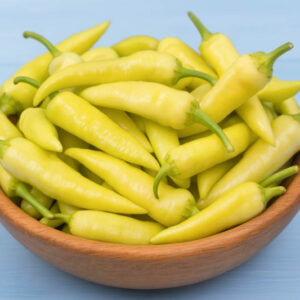
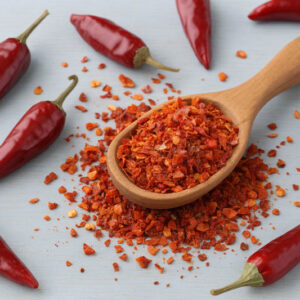
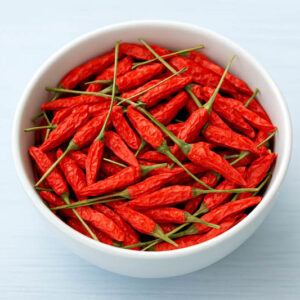
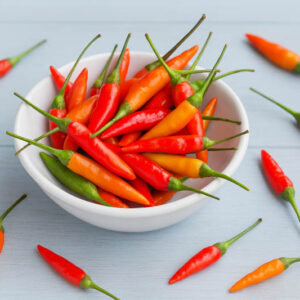
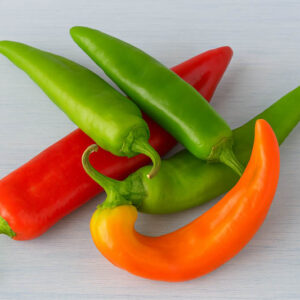
Shishito, Shishitogarashi, Wrinkled Old Man, Kkwari Gochu, Lion Pepper, Groundcherry Pepper, Shishimai
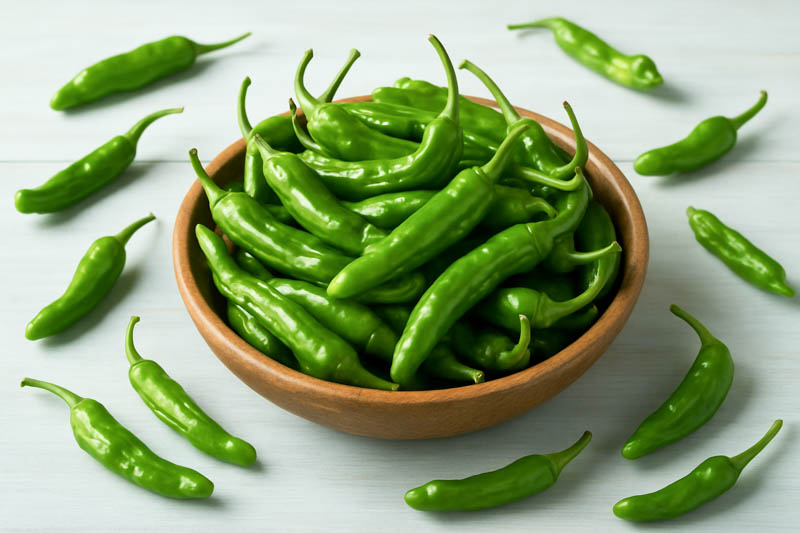
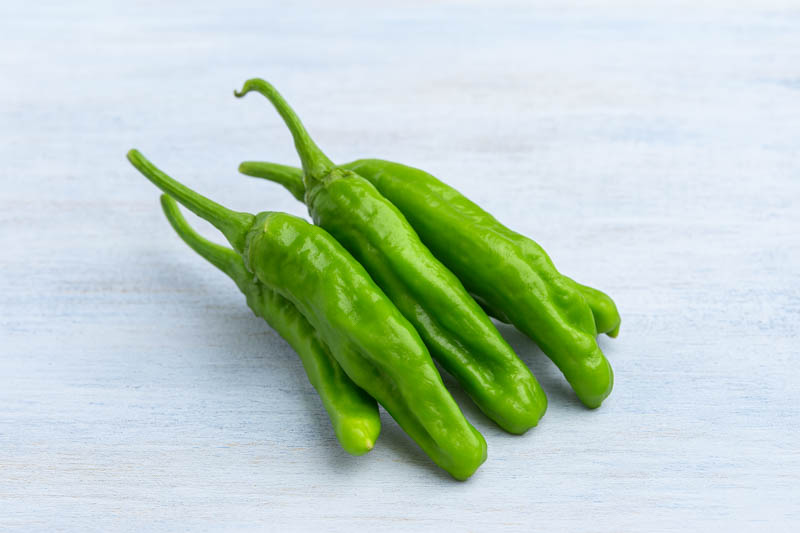
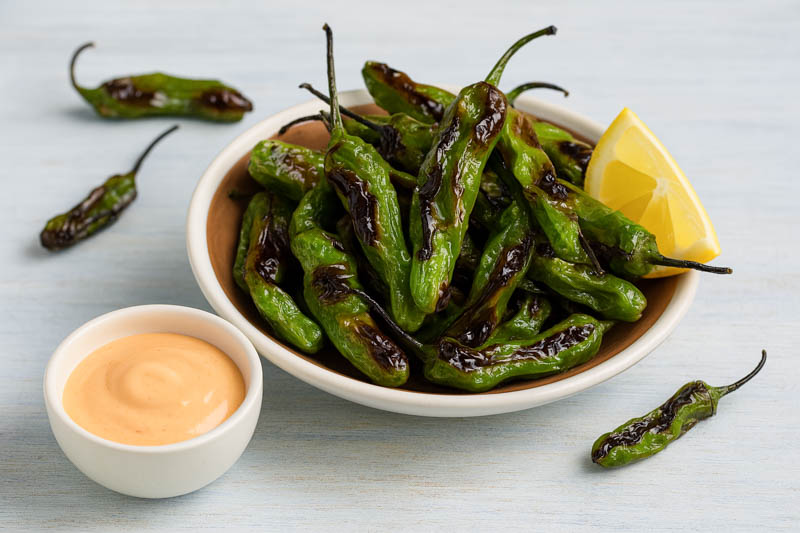


What other pepper begs to be tossed into a hot pan, blistered in minutes, showered with flaky salt, and devoured like popcorn? Meet the shishito pepper (Capsicum annuum)—a thin-skinned, wrinkly, mild pepper with a playful twist: every so often, one carries a gentle kick. This guide covers everything from the easiest blistered shishito peppers to foolproof roasted shishito peppers, plus how to start and grow your own shishito pepper plant.
| Botanical Name | Capsicum annuum |
| Common Names | Shishito, Lion Head Pepper (Shishi-togarashi) |
| Plant Type | Warm-season annual (perennial in frost-free zones) |
| Hardiness Zones | USDA 9–11 as perennial; widely grown as annual |
| Height & Spread | 18–30 in. tall × 18–24 in. spread |
| Fruit Size | 3–5 in. long, thin-walled, gently wrinkled |
| Scoville Heat Units | 50–200 SHU (mostly mild; occasional hot pepper) |
| Color Stages | Green → Red |
| Sun Requirements | Full sun (6–8 hours daily) |
| Soil pH | 6.0–6.8 (well-drained, fertile) |
| Main Uses | Pan-frying, grilling, roasting, snacking, tempura |
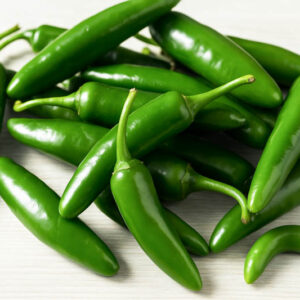
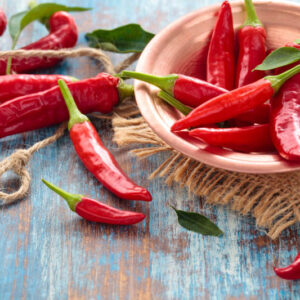
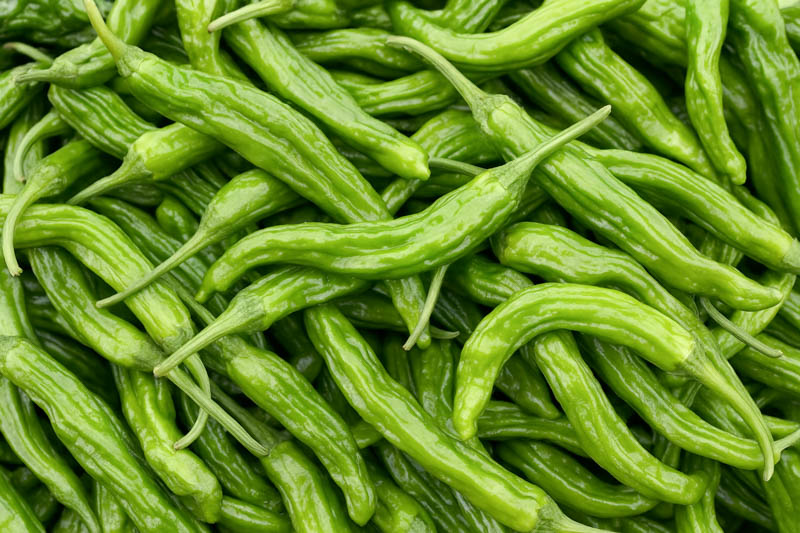
Shishito peppers are small, slender, and slightly wrinkled green peppers that mature to red if left on the plant. They have a thin skin perfect for quick cooking methods like making blistered shishito peppers. While 90% are mild, about one in ten surprises you with a mild-to-medium heat, adding an element of fun to every bite.
Originating in Japan, shishito peppers have become popular worldwide for their flavor, versatility, and quick cooking time. They are now a favorite in both Asian-inspired dishes and modern appetizer menus.
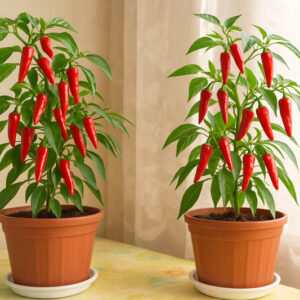
A shishito pepper plant is compact and highly productive, usually reaching 18–30 inches in height. When grown from fresh shishito pepper seeds in warm, sunny conditions, it can yield dozens—sometimes hundreds—of peppers over a single season.
The plant produces small white flowers that give way to elongated, gently twisted fruits. Picking them while green ensures the classic mild taste, while red ones have a sweeter, more complex flavor.
The leaves are smooth, deep green, and help shade the developing peppers from intense sunlight. Healthy foliage ensures better yields and improved flavor.
Shishito peppers thrive in USDA zones 9–11 as perennials but are grown as annuals in cooler climates. They need warm soil, full sun, and should not be transplanted until nighttime temperatures remain above 55°F. Overwintering peppers indoors: turn one plant into a perennial
Safe for human consumption, though the seeds and membranes may cause mild irritation if handled without washing hands afterward.
Not considered invasive. They remain well-behaved in garden beds or containers, with any volunteer seedlings easily managed.
The Scoville Scale measures the spiciness of peppers in Scoville Heat Units (SHU), reflecting their capsaicin content. Below is a summary table of popular peppers and their heat levels:
| Pepper/Variety | Scoville Heat Units (SHU) | Heat Category |
|---|---|---|
| Sweet Bell Pepper | 0–100 | Mild |
| Shishito Pepper | 50–200 | Mild, occasional heat |
| Pepperoncini, Cherry, Paprika | 100–1,000 | Mild |
| Anaheim, Poblano, Pasilla | 1,000–2,500 | Mild |
| Jalapeño, Chipotle | 2,500–8,000 | Medium |
| Serrano, Yellow Wax | 10,000–25,000 | Medium |
| Chile de Arbol, Manzano | 15,000–30,000 | Medium–Hot |
| Cayenne, Tabasco, Pequin | 30,000–50,000 | Hot |
| Thai Hot, Chilitepin | 50,000–100,000 | Hot |
| Habanero, Scotch Bonnet | 100,000–350,000 | Extra Hot |
| Ghost Pepper (Bhut Jolokia) | 855,000–1,463,000 | Extremely Hot |
| Carolina Reaper | 1,400,000–2,200,000 | Super Hot |
| Pepper X | 2,693,000 | Super Hot |
| Pure Capsaicin | 15,000,000–16,000,000 | Super Hot |
Notes:
The heat of individual peppers can vary due to genetics and growing conditions.
This table provides a practical reference for comparing the heat of common peppers according to the Scoville scale.
| Pepper | Scoville Heat Units | Taste Profile | Best Use |
|---|---|---|---|
| Bell Pepper | 0 | Sweet, crisp | Raw, roasted, stuffed |
| Shishito Pepper | 50–200 | Mild, slightly sweet, occasional heat | Blistered, roasted, pan-fried, tempura |
| Banana Pepper | 0–500 | Sweet, slightly tangy | Pickled, pizza, subs |
| Pepperoncini | 100–500 | Mild, tangy | Pickled, sandwiches, salads |
| Paprika | 100–1,000 | Sweet, smoky, mild heat | Powdered spice, stews, garnish |
| Poblano | 1,000–2,000 | Earthy, mild | Roasting, stuffing |
| Jalapeño | 2,500–8,000 | Grassy, slightly sweet | Stuffed, pickled, fresh |
| Serrano | 10,000–25,000 | Crisp, sharp heat | Salsas, hot sauces |
| Cayenne | 30,000–50,000 | Hot, pungent | Powder, sauces, seasoning |
| Habanero | 100,000–350,000 | Fruity, very hot | Extreme heat dishes, sauces |
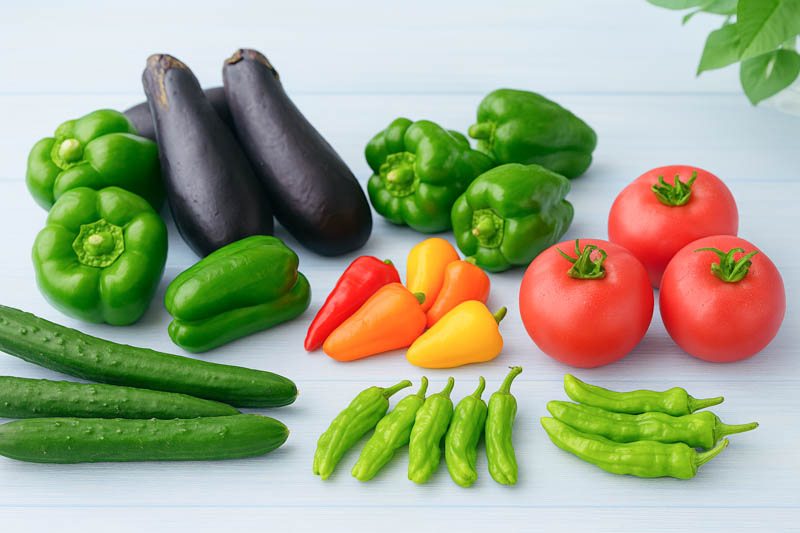
If you can’t find fresh shishito peppers or want to explore similar flavors, several mild to medium peppers make excellent substitutes. Padron peppers from Spain offer a nearly identical cooking style and occasional heat surprise, while cubanelle peppers bring a mild sweetness with more flesh for stuffing. For a zero-heat option, sweet mini peppers mimic the shishito’s crunch without the spicy wildcard.
If you’d like more heat, try mild jalapeños or fresno peppers—just check the Scoville Scale and Shishito Pepper vs. Other Popular Peppers table above to find a match for your preferred spice level and taste profile.
The shishito pepper is loved for its mild, slightly sweet flavor and signature thin, wrinkled skin. Whether you’re searing them for blistered shishito peppers, roasting for a smoky side dish, or using them in tempura for a light crunch, this versatile pepper brings a playful element to every meal—especially with its one-in-ten spicy surprise.
Whether you’re serving them as simple blistered shishito peppers, adding them to tapas spreads, or growing them from shishito pepper seeds for a summer-long harvest, these mild yet exciting peppers bring fun, flavor, and visual appeal to your kitchen and garden.
Fresh shishito peppers are low in calories yet full of vitamins, antioxidants, and minerals, making them a flavorful, healthy addition to your diet—whether you enjoy them as blistered shishito peppers, in stir-fries, or roasted.
| Nutrient | Amount |
|---|---|
| Calories | 31 kcal |
| Protein | 1.2 g |
| Carbohydrates | 6.7 g |
| Fiber | 1.5 g |
| Fat | 0.3 g |
| Vitamin C | 120 mg (≈133% DV) |
| Vitamin A (as beta-carotene) | 1,800 IU (≈36% DV) |
| Vitamin B6 | 0.2 mg (≈12% DV) |
| Folate | 18 µg |
| Potassium | 240 mg |
Note: Values are approximate for fresh shishito peppers. Roasting or blistering may reduce vitamin C slightly but enhances flavor and antioxidant availability.
Shishito peppers are a fun and flavorful way to boost your meals with nutrition:
While shishito peppers are mild and generally well tolerated, consider the following:
Tip: If you’re new to shishito peppers, try them pan-blistered with a sprinkle of sea salt before experimenting with roasted or tempura variations.
Shishito peppers bring mild, slightly sweet flavor and a touch of excitement to the table—since about one in ten carries a bit of heat. Their thin skin and tender flesh make them ideal for quick, high-heat cooking methods like blistering, roasting, or grilling. These versatile peppers shine in everything from Japanese izakaya snacks to tapas spreads and modern appetizers.
Fresh shishito peppers can be added whole to stir-fries, sliced into salads, or used as an edible garnish. They are most commonly enjoyed cooked, but when eaten raw, they have a crisp texture and grassy-sweet flavor. Their green stage is classic for cooking, while fully ripened red peppers develop more sweetness.
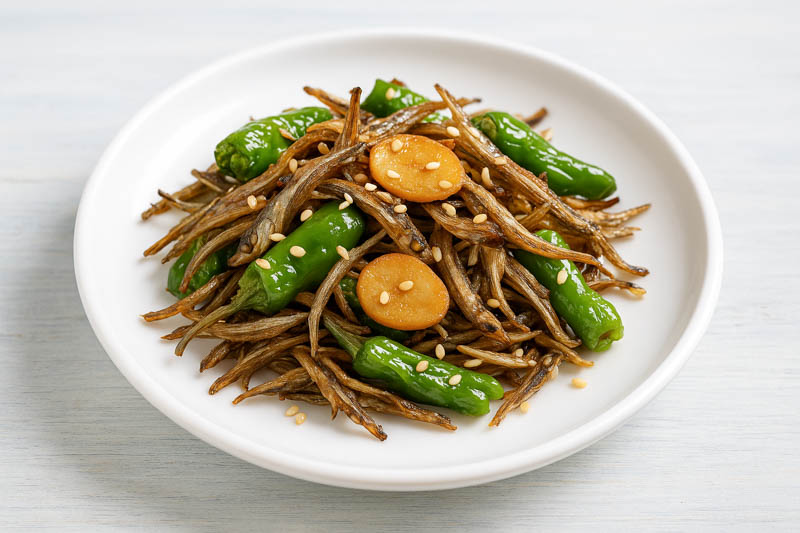
The most popular preparation, blistered shishito peppers, involves tossing whole peppers into a hot skillet or grill pan with a splash of oil. In just a few minutes, their skins char and wrinkle, concentrating their flavor. Sprinkle with flaky sea salt and serve immediately for an addictive snack.
Roasting shishito peppers in the oven or over an open flame deepens their sweetness and adds smoky complexity. Toss with olive oil, roast until blistered, and finish with lemon juice, sesame seeds, or a drizzle of soy sauce.
Chop roasted or grilled shishitos into salsas, relishes, or cold salads for a burst of mild pepper flavor. They pair especially well with tomatoes, onions, garlic, and herbs like cilantro or shiso.
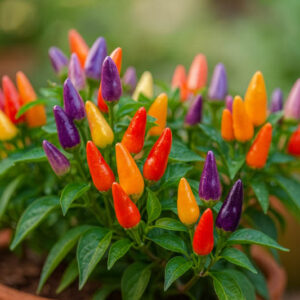
While most shishito peppers share the same mild flavor and wrinkled, thin-skinned appearance, there are subtle differences among cultivars in sweetness, heat, and productivity. Some varieties are best for classic blistered shishito peppers, others excel in roasting or grilling, and a few offer unique color or flavor twists. Knowing the differences helps you choose the right peppers for your cooking style—whether you want traditional Japanese-style shishitos, colorful garden displays, or high-yield plants for market growing.
| Variety | Scoville Heat Units (SHU) | Flavor & Appearance | Best Uses |
|---|---|---|---|
| Traditional Japanese Shishito | 50–200 | Mild, slightly sweet; wrinkled green pods turning red when mature | Blistered in skillet, grilled, tempura |
| Red Shishito | 50–200 | Sweeter when fully ripened to red; retains thin skin and wrinkled shape | Roasting, salads, decorative dishes |
| Shishito Mellow Star | 50–150 | Mild, high-yielding variety with consistent size; deep green to red | Market growing, sautéing, grilling |
| Shishito Flame | 100–500 | Slightly spicier than average; sweet finish with occasional heat kick | Stir-fries, grilled skewers, tapas |
| Variegated Shishito | 50–200 | Unique variegated foliage with mild, wrinkled green-to-red fruits | Ornamental edible gardens, fresh garnish |
Most shishito peppers are mild, but an occasional one can surprise you with extra heat. Traditional green shishitos are best for quick-cooked dishes like blistered shishito peppers, while red-ripened varieties add sweetness to roasted and fresh recipes. Specialty types, like variegated shishitos, bring ornamental value to gardens alongside their culinary uses.
Shishito peppers are easy to grow, highly productive, and perfect for gardeners who love fresh, quick-cooking vegetables. These warm-season plants thrive in sunny spots and produce clusters of slender, wrinkled peppers that are best harvested green, though they will turn red if left to ripen.
Shishito peppers produce continuously through the season if harvested regularly, making them a reliable crop for summer snacking and cooking.
Want to grow your own peppers? Check out our Edible Ornamentals: Peppers That Look as Good as They Taste for gardeners of every skill level.
Yes—shishito peppers thrive in containers, making them ideal for patios, balconies, and small gardens. Their compact growth habit and high yield make them perfect for urban gardeners.
Shishito peppers are prized for their mild, slightly sweet flavor with the occasional spicy surprise—but when you harvest and how you manage your soil can significantly influence yield, taste, and nutritional content. Here’s how ripeness and pH can shape your harvest results.
| Harvest Stage | Average Yield per Plant | Flavor Profile | Vitamin C Content |
|---|---|---|---|
| Green (Young) | 80–100 peppers | Mild, grassy-sweet, occasional heat | ≈120 mg/100g |
| Red (Fully Ripe) | 60–80 peppers | Sweeter, richer, fruity undertones | ≈180 mg/100g |
Note: Harvesting shishito peppers green ensures maximum quantity and their signature mild flavor. Allowing them to ripen to red enhances sweetness, boosts vitamin C, and adds complexity—ideal for grilling or roasting.
| Soil pH | Plant Health | Pepper Quality | Common Challenges |
|---|---|---|---|
| Below 6.0 | Slow growth, nutrient lockout | Paler skin, thinner walls, reduced sweetness | Blossom end rot, smaller fruit size |
| 6.0–6.8 (Ideal) | Vigorous growth, steady yields | Glossy skin, tender texture, balanced flavor | Minimal pest and disease issues |
| Above 7.2 | Nutrient deficiencies, leaf yellowing | Thicker skin, duller flavor | Iron and manganese deficiencies |
Tip: Test soil pH before planting shishito peppers. Incorporate compost for better soil structure, and adjust with lime or sulfur to keep pH in the optimal range for healthy, flavorful yields.
Shishito peppers are typically harvested green for their classic mild, grassy-sweet flavor—though allowing a portion to ripen red deepens sweetness and complexity. Frequent picking encourages the plant to keep flowering and producing throughout the season.
Proper storage keeps shishitos crisp and flavorful—whether you enjoy them fresh, roasted, or pickled. Because they’re thin-skinned, plan to use them relatively quickly after harvest.
Growing shishito peppers from seed allows you to enjoy abundant harvests of these snackable, thin-skinned peppers all season long.
Once established, shishito pepper plants produce continuously, offering mild, flavorful fruits perfect for blistering, grilling, or fresh snacking straight from the garden.
Shishito peppers are relatively hardy and easy to grow, but they’re not immune to garden pests and diseases. Timely intervention and proper care can keep your plants healthy and productive throughout the growing season.
With attentive care and preventive practices, your shishito pepper plants can stay healthy, vigorous, and productive—even in the face of common garden challenges.
No, most shishito peppers are very mild, but about 1 in 10 may be unexpectedly spicy. Their Scoville rating is typically 50–200, making them much milder than jalapeños. This unpredictability makes eating them a fun “pepper roulette” experience.
Yes, shishito peppers can be eaten raw, though their flavor is generally considered better when blistered or roasted, which brings out a smoky-sweet quality.
They are usually harvested while still green and immature, but can turn red if left on the plant longer. Most people prefer them green, but red shishitos are also edible.
The most popular method is to quickly blister them in a hot pan or on a grill with a little oil, then sprinkle with salt. They can also be roasted, added to stir-fries, or deep-fried.
Peppers are typically 2–5in long, slender, and have wrinkled skin.
Yes, they are known for being productive and easy to cultivate, suitable for containers, raised beds, or garden plots. They mature quickly and thrive in full sun with well-drained, rich soil.
A single plant can produce dozens of peppers over the growing season, especially with regular harvesting.
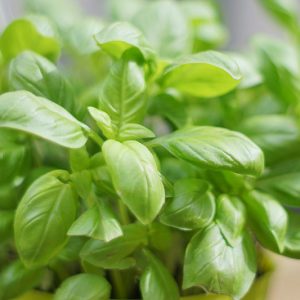
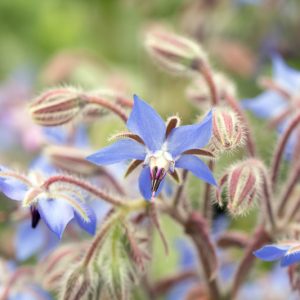
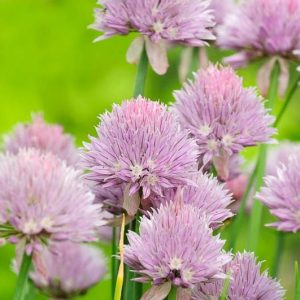
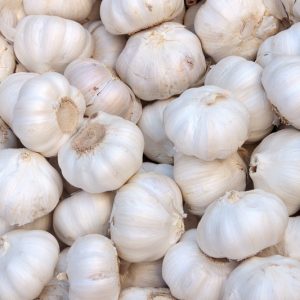
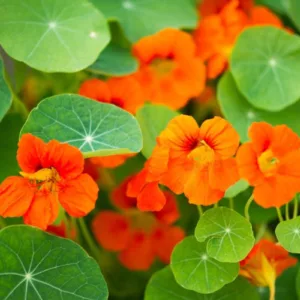
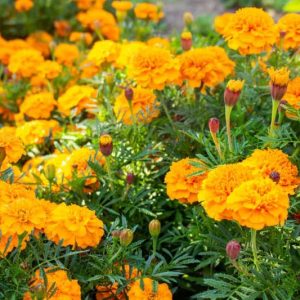
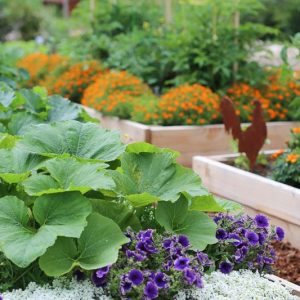
Beneficial companions include alyssum, basil, chives, garlic, petunias, eggplant, onions, rosemary, yarrow, carrots, dill, and parsley.
No, the skin is thin and edible, and seeds are soft—eat the whole pepper except for the stem.
For good blistering, ensure high cooking heat, avoid overcrowding the pan, and thoroughly dry the peppers before cooking to prevent steaming.
| Hardiness |
9 - 11 |
|---|---|
| Climate Zones | 1, 1A, 1B, 2, 2A, 2B, 3, 3A, 3B, 4, 5, 6, 7, 8, 9, 10, 11, 12, 13, 14, 15, 16, 17, 18, 19, 20, 21, 22, 23, 24, A1, A2, A3, H1, H2 |
| Plant Type | Annuals, Perennials |
| Plant Family | Solanaceae |
| Genus | Capsicum |
| Common names | Shishito Pepper |
| Exposure | Full Sun |
| Season of Interest | Spring (Late), Summer (Early, Mid, Late), Fall |
| Height | 1' - 3' (30cm - 90cm) |
| Spread | 1' - 2' (30cm - 60cm) |
| Spacing | 18" - 24" (50cm - 60cm) |
| Maintenance | Low |
| Water Needs | Average |
| Soil Type | Loam, Sand |
| Soil pH | Acid, Neutral |
| Soil Drainage | Moist but Well-Drained, Well-Drained |
| Characteristics | Showy |
| Tolerances | Deer, Drought, Heat |
| Attracts | Birds |
| Garden Uses | Beds And Borders, Patio And Containers |
| Garden Styles | Informal and Cottage, Mediterranean Garden |
| Toxic to Humans | No known toxicity |
| Toxic to Cats | No known toxicity |
| Toxic to Dogs | No known toxicity |
| Toxic to Horses | No known toxicity |


| Hardiness |
9 - 11 |
|---|---|
| Climate Zones | 1, 1A, 1B, 2, 2A, 2B, 3, 3A, 3B, 4, 5, 6, 7, 8, 9, 10, 11, 12, 13, 14, 15, 16, 17, 18, 19, 20, 21, 22, 23, 24, A1, A2, A3, H1, H2 |
| Plant Type | Annuals, Perennials |
| Plant Family | Solanaceae |
| Genus | Capsicum |
| Common names | Shishito Pepper |
| Exposure | Full Sun |
| Season of Interest | Spring (Late), Summer (Early, Mid, Late), Fall |
| Height | 1' - 3' (30cm - 90cm) |
| Spread | 1' - 2' (30cm - 60cm) |
| Spacing | 18" - 24" (50cm - 60cm) |
| Maintenance | Low |
| Water Needs | Average |
| Soil Type | Loam, Sand |
| Soil pH | Acid, Neutral |
| Soil Drainage | Moist but Well-Drained, Well-Drained |
| Characteristics | Showy |
| Tolerances | Deer, Drought, Heat |
| Attracts | Birds |
| Garden Uses | Beds And Borders, Patio And Containers |
| Garden Styles | Informal and Cottage, Mediterranean Garden |
| Toxic to Humans | No known toxicity |
| Toxic to Cats | No known toxicity |
| Toxic to Dogs | No known toxicity |
| Toxic to Horses | No known toxicity |
How many Capsicum annuum (Shishito Pepper) do I need for my garden?
| Plant | Quantity | |
|---|---|---|
| Capsicum annuum (Shishito Pepper) | N/A | Buy Plants |
Create a membership account to save your garden designs and to view them on any device.
Becoming a contributing member of Gardenia is easy and can be done in just a few minutes. If you provide us with your name, email address and the payment of a modest $25 annual membership fee, you will become a full member, enabling you to design and save up to 25 of your garden design ideas.
Join now and start creating your dream garden!
Create a membership account to save your garden designs and to view them on any device.
Becoming a contributing member of Gardenia is easy and can be done in just a few minutes. If you provide us with your name, email address and the payment of a modest $25 annual membership fee, you will become a full member, enabling you to design and save up to 25 of your garden design ideas.
Join now and start creating your dream garden!