Banana Pepper, Yellow Wax Pepper, Banana Chili, Sweet Banana Pepper, Hungarian Wax, Sweet Hungarian Wax Pepper, Banana Sweet Pepper
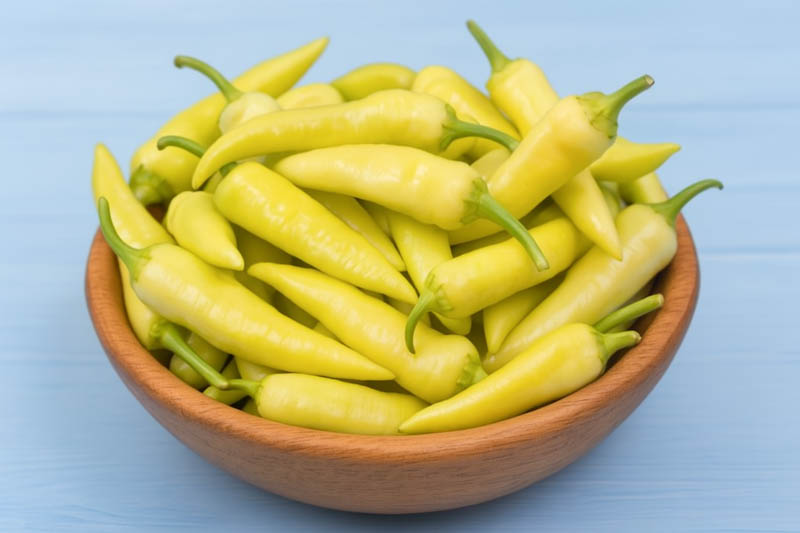
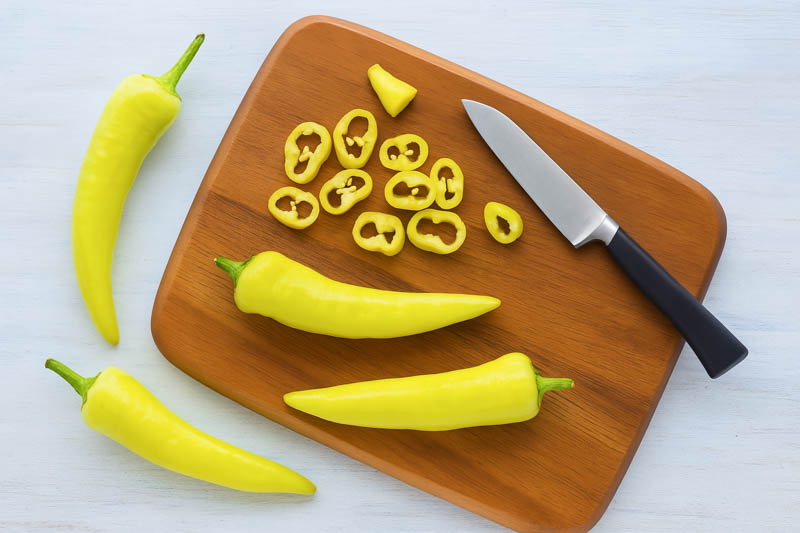
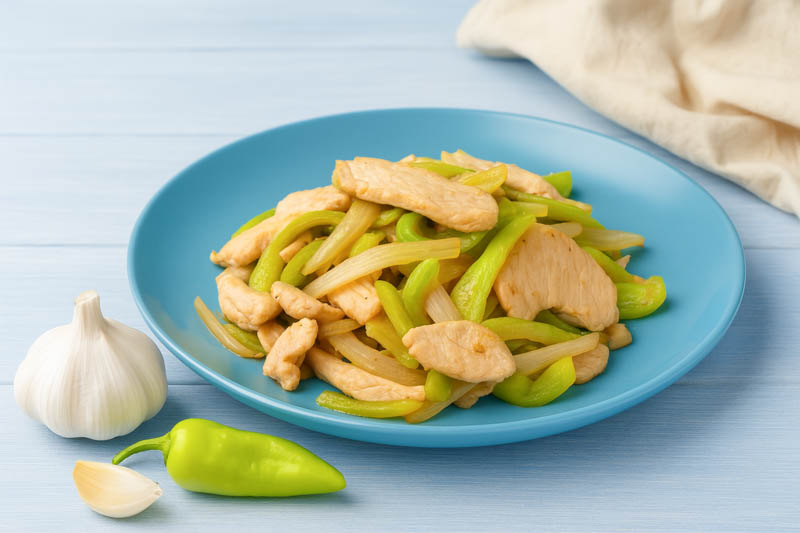
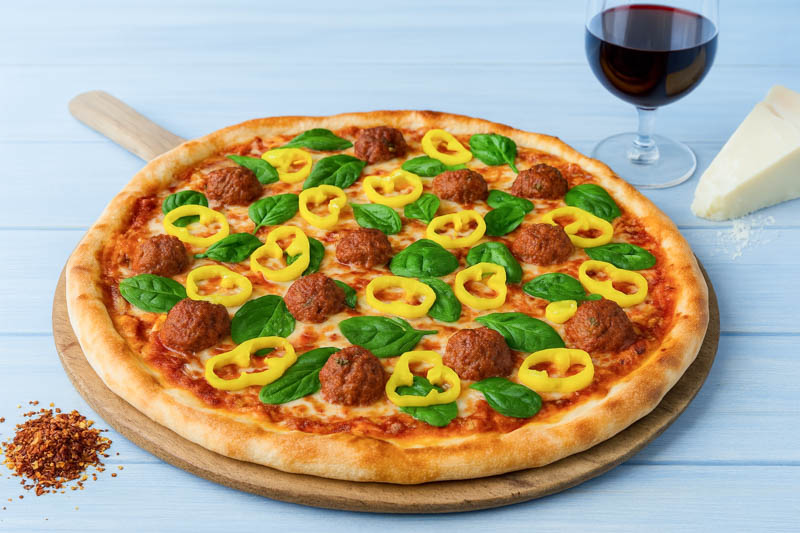
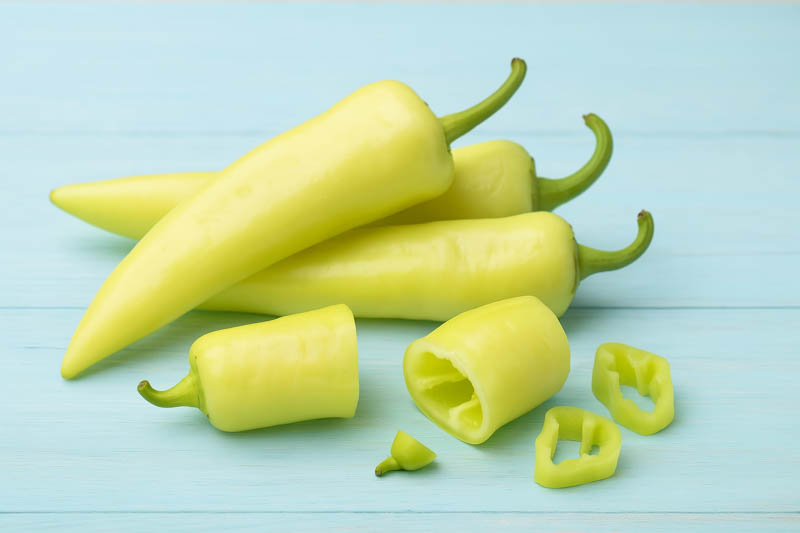
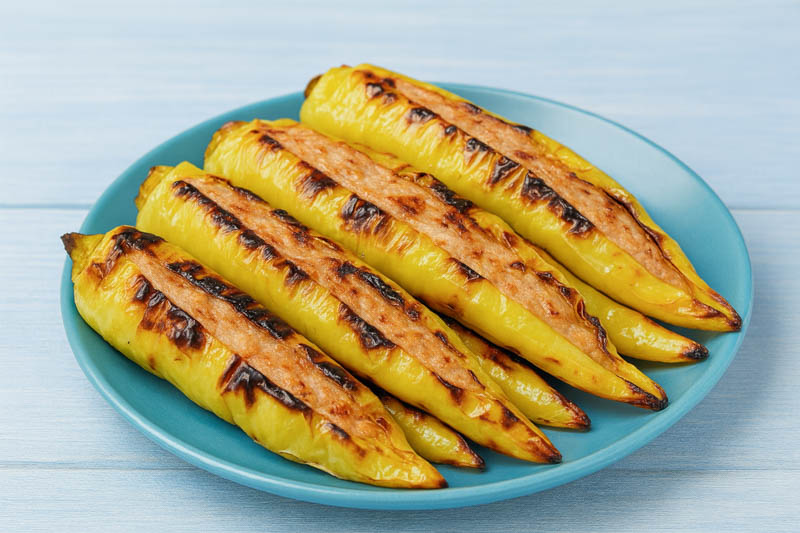


What other pepper can brighten a salad, mellow out a pizza, star in stuffed banana peppers, and become the tangy hero of your pantry as pickled banana peppers? Meet the banana pepper (Capsicum annuum)—a cheerful, mild pepper that fits beautifully into both weeknight cooking and backyard gardens. This guide explores the many ways to enjoy them, from the best banana pepper recipes to tips for growing your own banana pepper plant.
| Botanical Name | Capsicum annuum |
| Common Names | Banana Pepper, Yellow Wax Pepper, Banana Chili, Sweet Banana Pepper |
| Plant Type | Warm-season annual (perennial in frost-free zones) |
| Hardiness Zones | USDA 9–11 (as perennial); widely grown as annual |
| Height & Spread | 18–30 in. tall × 18–30 in. spread |
| Fruit Size | 4–6 in. long, tapered |
| Scoville Heat Units | 0–500 SHU (sweet to mildly hot) |
| Color Stages | Green → Yellow → Orange → Red |
| Sun Requirements | Full sun (6–8 hours daily) |
| Soil pH | 6.0–6.8 (well-drained, fertile) |
| Main Uses | Fresh salads, pickling, stuffing, grilling, ornamental |
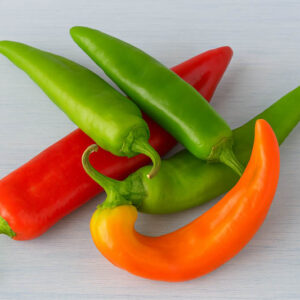
Banana peppers are slender, tapered fruits that ripen from pale green to sunny yellow, and eventually to orange or red. With a gentle heat level (0–500 Scoville Heat Units), they offer a crisp bite and subtle sweetness that works in a variety of dishes. They’re famous for their role in pickled peppers and stuffed peppers, holding their shape well during cooking or preserving.
Because they’re mild, they appeal to a wide range of taste buds and are a versatile ingredient in countless banana pepper recipes.
Banana peppers share their roots with many cultivated peppers from Central and South America. Over time, they’ve spread worldwide and now feature in cuisines from Italian delis to Mediterranean salads to Southern pickling traditions.
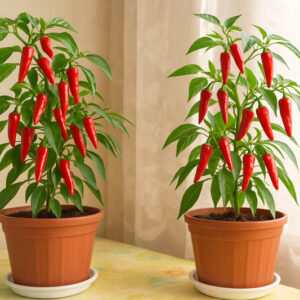
The banana pepper plant is a compact annual in most climates (and a short-lived perennial in frost-free zones). Plants usually reach 18–30 inches tall with a similar spread. With the right care, each plant can yield dozens of peppers over the growing season.
Small white flowers form at the leaf joints, maturing into curved, pointed peppers about 4–6 inches long. Harvesting while pale yellow yields the classic mild flavor, while allowing them to ripen red boosts sweetness and nutritional content.
Banana pepper plants have smooth, bright green leaves that help shade fruits from intense sun. Keeping foliage healthy with proper watering will improve fruit set and flavor.
Best suited for USDA zones 9–11 as perennials, but widely grown as annuals. They need warm soil and consistent sun for good yields. Avoid transplanting until nighttime temperatures stay above 55°F. Overwintering peppers indoors: turn one plant into a perennial
Safe for human consumption, though the seeds and membranes can cause mild skin or eye irritation. Wash hands after handling, especially before touching your face.
These peppers are not invasive. They stay contained in garden beds or pots, and any volunteer seedlings are easily managed.
The Scoville Scale measures the spiciness of peppers in Scoville Heat Units (SHU), reflecting their capsaicin content. Below is a summary table of popular peppers and their heat levels:
| Pepper/Variety | Scoville Heat Units (SHU) | Heat Category |
|---|---|---|
| Sweet Bell Pepper | 0–100 | Mild |
| Banana Pepper | 0–500 | Sweet, slightly tangy |
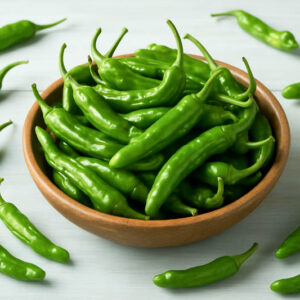
| Shishito Pepper | 50–200 | Mild, occasional heat |
| Pepperoncini, Cherry, Paprika | 100–1,000 | Mild |
| Anaheim, Poblano, Pasilla | 1,000–2,500 | Mild |
| Jalapeño, Chipotle | 2,500–8,000 | Medium |
| Serrano, Yellow Wax | 10,000–25,000 | Medium |
| Chile de Arbol, Manzano | 15,000–30,000 | Medium–Hot |
| Cayenne, Tabasco, Pequin | 30,000–50,000 | Hot |
| Thai Hot, Chilitepin | 50,000–100,000 | Hot |
| Habanero, Scotch Bonnet | 100,000–350,000 | Extra Hot |
| Ghost Pepper (Bhut Jolokia) | 855,000–1,463,000 | Extremely Hot |
| Carolina Reaper | 1,400,000–2,200,000 | Super Hot |
| Pepper X | 2,693,000 | Super Hot |
| Pure Capsaicin | 15,000,000–16,000,000 | Super Hot |
Notes:
The heat of individual peppers can vary due to genetics and growing conditions.
This table provides a practical reference for comparing the heat of common peppers according to the Scoville scale.
| Pepper | Scoville Heat Units | Taste Profile | Best Use |
|---|---|---|---|
| Bell Pepper | 0 | Sweet, crisp | Raw, roasted, stuffed |
| Banana Pepper | 0–500 | Sweet, slightly tangy | Pickled, pizza, subs |
| Pepperoncini | 100–500 | Mild, tangy | Pickled, sandwiches, salads |
| Paprika | 100–1,000 | Sweet, smoky, mild heat | Powdered spice, stews, garnish |
| Poblano | 1,000–2,000 | Earthy, mild | Roasting, stuffing |
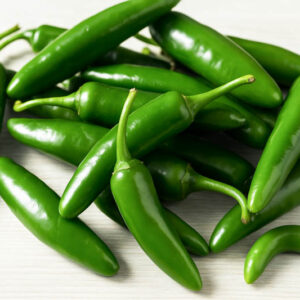
| Jalapeño | 2,500–8,000 | Grassy, slightly sweet | Stuffed, pickled, fresh |
| Serrano | 10,000–25,000 | Crisp, sharp heat | Salsas, hot sauces |
| Cayenne | 30,000–50,000 | Hot, pungent | Powder, sauces, seasoning |
| Habanero | 100,000–350,000 | Fruity, very hot | Extreme heat dishes, sauces |
If you can’t find banana peppers or want to experiment, several mild to medium peppers make excellent stand-ins. For a similar tang and crunch in pickled recipes, pepperoncini or Hungarian wax peppers are great options. Sweet bell peppers offer more sweetness with no heat, while cubanelle or poblano peppers bring gentle flavor for stuffing or roasting.
For a spicier kick, jalapeños or fresnos work well—just check the Scoville Scale and Banana Pepper vs. Other Popular Peppers tables above to match your preferred heat level and flavor profile.
The banana pepper is loved for its mild, slightly tangy sweetness and cheerful yellow color. Whether you’re layering them on pizzas, pickling crisp rings for sandwiches, or baking stuffed peppers for a hearty dinner, this versatile pepper brings brightness and gentle flavor to countless banana pepper recipes.
Whether you’re slicing them fresh, serving up stuffed banana peppers, or making jars of pickled banana peppers to enjoy year-round, these mild yet flavorful peppers bring color, crunch, and versatility to your kitchen and garden.
Fresh banana peppers are low in calories yet packed with vitamins, antioxidants, and minerals that make them a colorful, flavorful addition to a healthy diet.
| Nutrient | Amount |
|---|---|
| Calories | 27 kcal |
| Protein | 1.0 g |
| Carbohydrates | 6.2 g |
| Fiber | 1.5 g |
| Fat | 0.2 g |
| Vitamin C | 88 mg (≈98% DV) |
| Vitamin A (as beta-carotene) | 1,500 IU (≈30% DV) |
| Vitamin B6 | 0.3 mg (≈18% DV) |
| Folate | 20 µg |
| Potassium | 220 mg |
Note: Values are approximate for fresh banana peppers. Pickling may slightly reduce vitamin C content but adds probiotic benefits depending on the method used.
Banana peppers are a delicious way to add nutrition, color, and texture to meals:
While banana peppers are mild and generally well tolerated, a few considerations include:
Tip: If you’re new to banana peppers, try them fresh in small amounts first, then explore pickled or stuffed banana pepper recipes as you get familiar with their flavor.
Banana peppers bring mild, tangy sweetness and cheerful color to a variety of recipes. Whether you’re enjoying them fresh, roasting for deeper flavor, stuffing them with savory fillings, or pickling them for year-round use, these versatile peppers shine in everything from Mediterranean salads to American sandwiches and antipasto platters.
Fresh banana peppers can be sliced into salads, layered onto sandwiches, or diced into salsas. Their gentle heat and crisp texture make them perfect for dishes where you want flavor without overwhelming spice. As they ripen from pale green to yellow, orange, and red, their sweetness becomes more pronounced.
Pickled banana peppers are a classic pantry staple—tangy, crunchy, and perfect for topping pizzas, subs, burgers, and grain bowls. Quick-pickling takes only a few minutes, while traditional fermentation adds probiotic benefits and complex flavor.
These peppers hold their shape beautifully when baked or grilled. Fill them with mixtures of cheese, sausage, quinoa, or beans for satisfying appetizers or main courses. Roasting enhances their natural sweetness and softens the texture for easier eating.
Dice fresh banana peppers into corn salsa, cucumber relish, or Mediterranean-style salads for a burst of color and mild heat. They pair especially well with tomatoes, onions, garlic, and herbs like parsley or oregano.
Banana peppers come in several cultivars with subtle differences in sweetness, heat, and color. While all share the signature elongated shape and mild flavor, some varieties are better for fresh eating, others for pickling, and some for stuffing or roasting. Knowing the differences helps you choose the perfect pepper for your recipes—whether you’re making pickled banana peppers, stuffed banana peppers, or fresh salads.
| Variety | Scoville Heat Units (SHU) | Flavor & Appearance | Best Uses |
|---|---|---|---|
| Sweet Banana | 0–100 | Very mild, sweet; yellow turning orange-red | Fresh salads, pickling, sandwiches |
| Hot Banana | 100–500 | Mild heat, tangy-sweet; bright yellow to red | Pickled rings, pizza topping, mild salsas |
| Hungarian Yellow Wax | 500–1,500 | Mild-to-medium heat; pale yellow to orange-red | Stuffing, roasting, grilling |
| Inferno Hot Banana | 1,000–5,000 | Medium heat, slightly fruity; yellow to bright red | Spicy pickles, relishes, stuffed appetizers |
| Pageant Banana | 0–200 | Sweet, crisp; ripens from cream to yellow to red | Fresh eating, decorative edible gardens |
Banana pepper cultivars range from completely sweet to gently spicy. Thicker-walled varieties are excellent for stuffed banana peppers, while slender, crisp types are perfect for pickled banana peppers and fresh salads. For a bit of heat without overpowering spice, choose mild hot banana or Hungarian wax varieties.
Banana peppers are easy to grow and very productive, making them a favorite for home gardeners who enjoy fresh salads, pickled peppers, and stuffed recipes. These warm-season plants thrive in sunny spots and produce long, colorful fruits that ripen from pale yellow to orange or bright red.
Banana peppers keep producing if harvested regularly, so pick often to enjoy a steady supply for fresh eating or pickling.
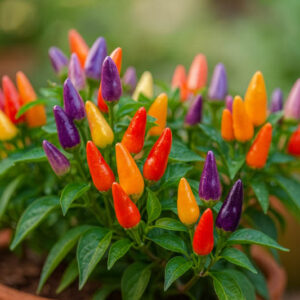
Want to grow your own peppers? Check out our Edible Ornamentals: Peppers That Look as Good as They Taste for gardeners of every skill level.
Yes—banana peppers grow very well in pots, making them a great choice for patios, balconies, and small gardens.
Banana peppers are loved for their mild, tangy-sweet flavor and versatility in recipes—but when you harvest and how you manage your soil can greatly influence yield, taste, and nutrient levels. Here’s how ripeness and pH can shape your results.
| Harvest Stage | Average Yield per Plant | Flavor Profile | Vitamin C Content |
|---|---|---|---|
| Yellow (Unripe) | 70–90 peppers | Mild, tangy, slightly grassy | ≈100 mg/100g |
| Red (Fully Ripe) | 60–80 peppers | Sweeter, richer, with fruity notes | ≈160 mg/100g |
Note: Harvesting banana peppers when yellow ensures maximum quantity, but letting them ripen to red deepens sweetness, boosts vitamin C, and enhances flavor—ideal for pickled banana peppers or stuffed recipes.
| Soil pH | Plant Health | Pepper Quality | Common Challenges |
|---|---|---|---|
| Below 6.0 | Slow growth, nutrient lockout | Paler color, reduced sweetness | Blossom end rot, small fruit size |
| 6.0–6.8 (Ideal) | Vigorous growth, high yields | Bright color, crisp texture, full flavor | Minimal pest and disease issues |
| Above 7.2 | Nutrient deficiencies, yellowing leaves | Tough skin, dull flavor | Iron and zinc deficiencies |
Tip: Test soil pH before planting banana peppers. Incorporate compost to improve soil structure, and use lime or sulfur to adjust pH into the optimal range for vibrant, flavorful fruit.
Banana peppers are best harvested when they reach their desired color—bright yellow for a mild tang or deep red for maximum sweetness and nutrient content. Frequent picking encourages the plant to keep producing throughout the season.
Proper storage helps your peppers maintain their crisp texture and bright flavor—whether you enjoy them fresh, pickled, or preserved.
Growing banana peppers from seed lets you enjoy fresh harvests for pickled peppers, stuffed recipes, and more—all season long.
Once established, banana pepper plants produce generously, offering mild, tangy fruits perfect for pickling, stuffing, or fresh eating straight from the garden.
Banana peppers are relatively hardy and easy to grow, but they’re not immune to garden pests and diseases. Timely intervention and proper care can keep your plants healthy and productive throughout the growing season.
With attentive care and preventive practices, your banana pepper plants can stay healthy, vigorous, and productive—even in the face of common garden challenges.
Slice fresh banana peppers into rings or leave them whole, then pack into sterilized jars. Cover with a hot brine made of vinegar, water, salt, sugar, and optional garlic or spices. Seal and refrigerate for quick pickles (ready in 24–48 hours) or process in a water bath canner for long-term storage.
Harvest when they are firm, glossy, and fully yellow for mild flavor, or allow them to turn orange or red for sweeter, richer taste. Regular picking encourages more fruit production.
Generally, banana peppers are mild, ranging from 0–500 Scoville Heat Units (SHU). Hot banana pepper varieties exist, but they’re still significantly milder than jalapeños.
Yes—banana peppers are low in calories and rich in vitamin C, vitamin A, and antioxidants. They support immune health, eye health, and add flavor without excess calories or sodium.
Pick when peppers reach their full size and desired color. Yellow fruits are tangy and crisp; red fruits are sweeter and more nutrient-dense.
No—while both are mild peppers often pickled, banana peppers are smoother and straighter, with a tangy-sweet flavor. Pepperoncinis are usually more wrinkled, slightly spicier, and have a hint of bitterness.
Use them fresh in salads, slice them onto sandwiches, stuff with cheese or meat, pickle for long-term storage, or add to pizzas, pasta salads, and antipasto platters.
They have a crisp texture with a mild, tangy-sweet flavor. As they ripen to red, their sweetness increases, while green or yellow peppers have more of a gentle tang.
| Hardiness |
9 - 11 |
|---|---|
| Climate Zones | 1, 1A, 1B, 2, 2A, 2B, 3, 3A, 3B, 4, 5, 6, 7, 8, 9, 10, 11, 12, 13, 14, 15, 16, 17, 18, 19, 20, 21, 22, 23, 24, A1, A2, A3, H1, H2 |
| Plant Type | Annuals, Perennials |
| Plant Family | Solanaceae |
| Genus | Capsicum |
| Common names | Banana Pepper |
| Exposure | Full Sun |
| Season of Interest | Spring (Late), Summer (Early, Mid, Late), Fall |
| Height | 1' - 3' (30cm - 90cm) |
| Spread | 1' - 3' (30cm - 90cm) |
| Spacing | 18" - 30" (50cm - 80cm) |
| Maintenance | Low |
| Water Needs | Average |
| Soil Type | Loam, Sand |
| Soil pH | Acid, Neutral |
| Soil Drainage | Moist but Well-Drained, Well-Drained |
| Characteristics | Showy |
| Tolerances | Deer, Drought, Heat |
| Attracts | Birds |
| Garden Uses | Beds And Borders, Patio And Containers |
| Garden Styles | Informal and Cottage, Mediterranean Garden |
| Toxic to Humans | No known toxicity |
| Toxic to Cats | No known toxicity |
| Toxic to Dogs | No known toxicity |
| Toxic to Horses | No known toxicity |


| Hardiness |
9 - 11 |
|---|---|
| Climate Zones | 1, 1A, 1B, 2, 2A, 2B, 3, 3A, 3B, 4, 5, 6, 7, 8, 9, 10, 11, 12, 13, 14, 15, 16, 17, 18, 19, 20, 21, 22, 23, 24, A1, A2, A3, H1, H2 |
| Plant Type | Annuals, Perennials |
| Plant Family | Solanaceae |
| Genus | Capsicum |
| Common names | Banana Pepper |
| Exposure | Full Sun |
| Season of Interest | Spring (Late), Summer (Early, Mid, Late), Fall |
| Height | 1' - 3' (30cm - 90cm) |
| Spread | 1' - 3' (30cm - 90cm) |
| Spacing | 18" - 30" (50cm - 80cm) |
| Maintenance | Low |
| Water Needs | Average |
| Soil Type | Loam, Sand |
| Soil pH | Acid, Neutral |
| Soil Drainage | Moist but Well-Drained, Well-Drained |
| Characteristics | Showy |
| Tolerances | Deer, Drought, Heat |
| Attracts | Birds |
| Garden Uses | Beds And Borders, Patio And Containers |
| Garden Styles | Informal and Cottage, Mediterranean Garden |
| Toxic to Humans | No known toxicity |
| Toxic to Cats | No known toxicity |
| Toxic to Dogs | No known toxicity |
| Toxic to Horses | No known toxicity |
How many Capsicum annuum (Banana Pepper) do I need for my garden?
| Plant | Quantity | |
|---|---|---|
| Capsicum annuum (Banana Pepper) | N/A | Buy Plants |
Create a membership account to save your garden designs and to view them on any device.
Becoming a contributing member of Gardenia is easy and can be done in just a few minutes. If you provide us with your name, email address and the payment of a modest $25 annual membership fee, you will become a full member, enabling you to design and save up to 25 of your garden design ideas.
Join now and start creating your dream garden!
Create a membership account to save your garden designs and to view them on any device.
Becoming a contributing member of Gardenia is easy and can be done in just a few minutes. If you provide us with your name, email address and the payment of a modest $25 annual membership fee, you will become a full member, enabling you to design and save up to 25 of your garden design ideas.
Join now and start creating your dream garden!