Create Your Garden

Peace Lily Drooping? Here’s Exactly How to Revive It

Your peace lily looks tired, droopy, a little dramatic? This guide diagnoses the real cause—water, light, soil, temperature, humidity, rootbound stress, or pests—and gives quick, confident fixes.
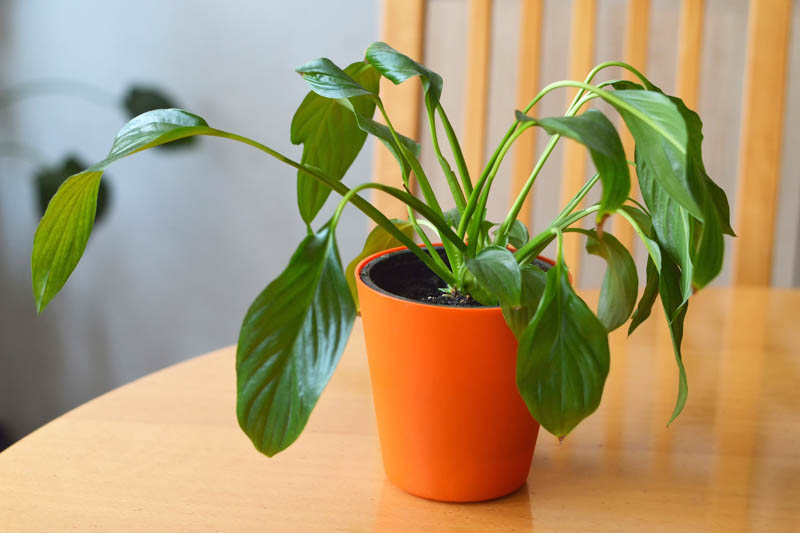
Peace Lily, Peace Lily Care, Peace Lily Plant, Peace Lilies, Spathiphyllum, Indoor Plants, Houseplants

Why Is Your Peace Lily Drooping? Here Are 15 Reasons (and How to Perk It Back Up)

Peace lilies are famous drama queens—in the best way. When something’s off, they droop to tell you. Sometimes it’s a simple drink request; other times it’s about roots, light, temperature, or the pot itself. Below you’ll find the most common causes of drooping, how to diagnose them fast, and exactly what to do to revive your plant.
Quick Answer — Why Peace Lilies Droop

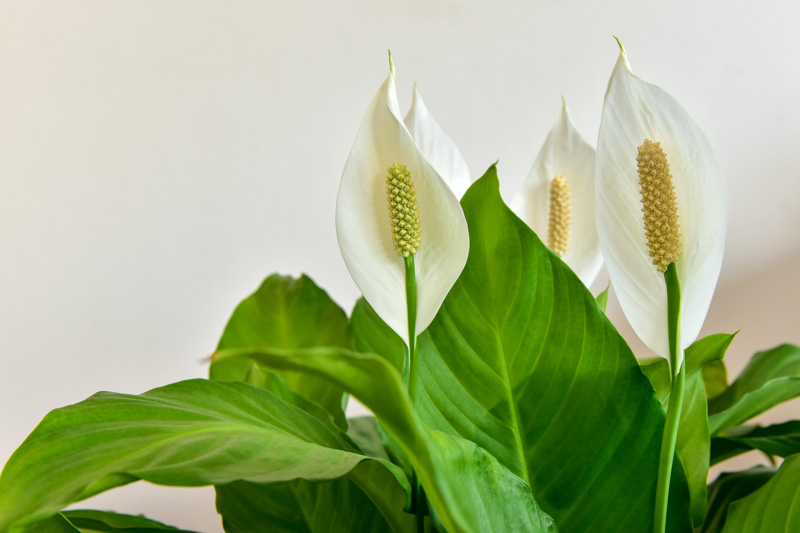
Peace lily plant with white spathes, slightly wilted leaves

Most drooping is thirst (dry rootball) or the opposite—waterlogged roots from overwatering or poor drainage. Other frequent culprits include compacted soil, rootbound pots, temperature or draft stress, low humidity, recent repotting/moving, light extremes, pest/disease issues, or a hydrophobic mix that sheds water. Start by feeling the soil and checking the pot’s drainage.

  • Fast triage: Finger test the top inch, lift the pot (heavy = wet), check for drainage holes, and note nearby vents/windows.
  • Best baseline: Bright, indirect light + evenly moist, well-draining mix + 65–80°F (18–27°C) + moderate humidity + filtered water + pot with drainage.

Peace Lily (Spathiphyllum): Quick Facts That Matter for Drooping

The peace lily plant is a rainforest understory species—shaded, humid, and consistently moist but never soggy. Indoors, that translates to bright indirect light, breathable soil, steady temperatures, and careful watering rhythm.

Light Bright, indirect; avoid hot direct sun. Low light is tolerated but can weaken stems.
Watering Water when the top inch is dry; soak thoroughly; drain fully. Never leave standing water in saucers.
Soil Well-draining houseplant mix with perlite/bark to keep roots aerated.
Temperature Ideal 65–80°F (18–27°C). Avoid cold drafts (<60°F/15°C) and hot HVAC blasts.
Humidity Moderate–high humidity preferred; very dry air can cause limp foliage and browning tips.

15 Reasons Your Peace Lily Is Drooping (with Fixes)

1 Underwatering (Thirsty Rootball)

Classic droop: the soil is dry, the pot feels feather-light, and leaves perk up shortly after a deep drink.

2 Overwatering (Waterlogged Roots)

Counterintuitive but common: constantly wet soil suffocates roots, causing a limp, wilted look even though the soil is moist.

Pro tip: Using a pot that’s much larger than the rootball (“overpotting”) slows drying and mimics overwatering—size up only 1–2 in (2.5–5 cm).

3 Root Rot

Prolonged wetness invites rot. Damaged roots can’t move water, so leaves remain limp despite wet soil.

  • Spot it: Wilting in wet soil, sour odor, brown mushy roots (check by unpotting gently).
  • Fix it: Trim mushy roots; repot in fresh, airy mix; water lightly until new growth resumes. See root rot guide.

4 Poor Drainage or Compacted Mix

A dense, compacted substrate holds water around roots and mimics overwatering—even when you’re careful.

  • Spot it: Water pools on top; slow drainage; soil looks muddy or stale.
  • Fix it: Repot into a freer-draining blend (see mix below). Always use a pot with holes.

5 Rootbound Pot (Tight Roots)

When roots circle the pot, soil volume shrinks and dries fast—frequent sagging follows.

  • Spot it: Roots peeking from drainage holes; water runs straight through; plant wilts soon after watering.
  • Fix it: Repot 1–2 in wider (or divide clumps) into fresh, airy mix.

6 Temperature Stress & Drafts

Cold blasts from doors/windows or hot HVAC streams can collapse turgor and leave foliage limp.

  • Spot it: Droop on the side facing a vent/door; events coincide with weather swings.
  • Fix it: Keep at 65–80°F (18–27°C) and away from drafts/heaters; stabilize location.

7 Low Humidity

Very dry indoor air dehydrates leaf edges and can push older foliage and blooms toward a slump.

  • Spot it: Brown tips/edges plus limp look, especially in heated/AC rooms.
  • Fix it: Pebble tray or humidifier; group plants; avoid strong airflow on leaves.

8 Light Stress (Too Little or Too Much)

Too little light = weak, floppy growth; too much direct sun = heat wilt and leaf scorch.

  • Spot it: Stretched petioles in dim rooms; or droop plus crispy patches in hot sun.
  • Fix it: Aim for bright, indirect light; filter harsh rays with a sheer curtain.

9 Transplant/Location Shock

After repotting or moving rooms, altered light/humidity patterns can cause temporary droop.

  • Spot it: Sagging within 1–3 weeks of a move/repot; new leaves gradually look normal.
  • Fix it: Keep conditions steady; pause fertilizing for 2–3 weeks; prune the worst leaves.

10 Water Quality (Hard/Softened/Chlorinated)

Mineral load or softened (sodium) water can stress roots osmotically, leading to droop and tip burn.

  • Spot it: Salt crust on soil; brown tips; plant looks happier after rainwater.
  • Fix it: Use filtered, distilled, or rainwater; avoid salt-softened water; flush the pot every 2–3 months.

11 Fertilizer Problems (Too Much or Too Little)

Overfeeding causes salt buildup (osmotic wilt), while underfeeding can produce weak, floppy growth.

  • Spot it: Too much: salt crust, brown tips. Too little: pale, thin leaves that slump.
  • Fix it: Feed lightly every 4–6 weeks in spring/summer at half strength; flush if you overdid it; skip winter.

12 Hydrophobic Soil (Dry Core Repels Water)

If peat-heavy soil dries out hard, water can race down the sides while the center stays bone-dry—so the plant stays droopy even after “watering.”

  • Spot it: Water sheets down the pot edge; soil pulls from pot walls; persistent sag.
  • Fix it: Bottom-water 15–30 minutes to rehydrate the core, then switch to an airier mix with bark/perlite to prevent reoccurrence.

13 No Drainage / Cachepot Traps Water

Water pooling in a sleeve pot or containers without holes keeps roots wet and limp.

  • Spot it: Constantly wet lower soil; standing water hidden in the decorative pot.
  • Fix it: Always use a pot with drainage; if using a cachepot, lift the grow pot to drain fully after each watering.

14 Pests or Disease

Sap-sucking pests (mealybugs, scale, spider mites) or root-feeding gnat larvae weaken plants and cause droop.

  • Spot it: Sticky residue/cottony tufts (scale/mealybugs); fine stippling/webbing (mites); gnats hovering near soil (larvae below).
  • Fix it: Wipe with alcohol swabs; treat with insecticidal soap or neem oil weekly until clear; use yellow sticky traps for gnats and let topsoil dry slightly.

15 Natural Bloom Aging

Spent white spathes and their stalks naturally droop, yellow, and brown with age—it’s normal.
  • Spot it: Only the flower stalk slumps while foliage looks fine.
  • Fix it: Snip spent blooms at the base to tidy and redirect energy.

Drooping Diagnosis Table — Quick Compare

Pattern You See Likely Cause What to Do
Limp leaves, soil dry, pot very light Underwatering Deep water until excess drains; set a check-in rhythm
Droop while soil is wet / heavy pot Overwatering or poor drainage Dry top inch; improve mix; ensure drainage holes
Water runs down sides; droop persists Hydrophobic mix (dry core) Bottom-water to rehydrate; repot into airier mix
Frequent sagging, roots circling pot Rootbound stress Repot 1–2 in wider or divide; refresh mix
Leaves nearest vent/door droop first Temperature stress / drafts Relocate away from vents; stabilize 65–80°F
Sticky residue or cottony tufts Scale/mealybugs (pest stress) Alcohol swab; neem/soap weekly; monitor


Peace Lily with glossy green leaves and white spathes

Reset Plan: From Droop to Perky in 8 Steps

  1. Water smart, not more

    If dry: soak thoroughly and drain. If wet: wait until the top inch dries, then resume a lighter rhythm.

  2. Check the pot

    Confirm drainage holes; empty cachepots and saucers after watering.

  3. Refresh the mix if compacted

    Use an airy blend (houseplant mix + fine bark + perlite/pumice).

  4. Stabilize the environment

    Keep 65–80°F (18–27°C); move away from vents/door drafts.

  5. Upgrade the light

    Bright, indirect is the sweet spot; filter harsh sun with a sheer curtain.

  6. Raise humidity

    Pebble tray or room humidifier; avoid constant strong airflow on foliage.

  7. Repot if rootbound

    Choose a container 1–2 in wider (or divide); water through after repotting.

  8. Go easy on fertilizer

    In spring/summer, feed every 4–6 weeks at half strength; flush salts quarterly.

Peace lilies sometimes “flag” midday when rooms get warm and bright. If they perk up in the evening—or within an hour of watering—it’s a short-term water/heat balance issue, not disease.

Light & Water Matrix (to Prevent Future Drooping)

Light Level What to Expect Typical Watering Range* Droop Risk
Low (far from windows) Leafy, slower growth Every 7–12 days From overwatering (slow drying)
Medium indirect Steady foliage, occasional blooms Every 5–9 days Balanced—sweet spot
Bright indirect (near sheer curtain) Best blooms, faster cycles Every 4–7 days From dryness/heat if missed

*Ranges vary by pot size, mix, humidity, season. Always confirm by feeling the top inch of soil.

Soil Mix & Repotting Signals

Why this section matters: the potting medium controls how water and air move around the roots. A heavy or exhausted mix holds water too long—this mimics 2 Overwatering and often triggers 3 Root rot. Compaction reduces air spaces, causing 4 Poor drainage/compaction. Salts from tap water or fertilizer build up faster in tired mixes, leading to 11 Fertilizer/salt issues. And when the mix dries rock-hard, the core repels water, causing 12 Hydrophobic mix—droop even after watering.

Well-Draining Houseplant Mix

  • 2 parts all-purpose houseplant mix
  • 1 part fine bark (orchid or composted)
  • 1 part perlite or pumice
  • Optional: a touch of coco coir for moisture balance

Tip: After potting, water through once more 15–30 minutes later to settle channels and remove dry pockets.

Time to Repot When…

  • Roots circle the pot or poke from drainage holes
  • Water races through or the plant wilts quickly after watering
  • Soil compacts, stays wet too long, or dries unevenly
  • Growth slows despite good light and feeding

Peace Lily Care Calendar (Keeps Droop at Bay)

Month-by-Month Reminders
Months Tasks
Jan–Feb Cooler temps & low light = slower drying. Water less often but don’t let the rootball bone-dry. Keep off cold drafts.
Mar–Apr Growth resumes. Refresh mix if compacted; repot/divide if rootbound. Begin light feeding.
May–Jun Peak growth. Keep evenly moist; rotate for even light; watch for faster dry-downs.
Jul–Aug AC can dry air—use pebble tray/humidifier. Avoid hot sun through glass to prevent heat wilt.
Sep–Oct Days shorten—move closer to windows; begin spacing waterings a bit farther apart.
Nov–Dec Restful pace. Hold fertilizer; keep evenly moist; protect from heaters/drafts.

When Droop Isn’t a Red Flag

A brief midday slump on warm, bright days (especially if you missed a watering by a day) is common. If the plant perks up by evening or within an hour of watering, you’re fine. Also normal: older flower stalks droop as they finish—snip them at the base.

Frequently Asked Questions

My peace lily is drooping but the soil is wet—what gives?

That’s likely overwatering, poor drainage, or early root rot. Let the top inch dry before watering, ensure drainage holes, and consider repotting into an airier mix if the soil is compacted.

Can I revive a completely wilted peace lily?

Usually, yes—if roots are healthy. Give a deep soak and drain fully. If the mix turned hydrophobic, bottom-water 15–30 minutes. If roots are mushy and foul, trim and repot.

Should I mist my peace lily?

Occasional misting is fine, but it raises humidity for only a few minutes. Pebble trays or a room humidifier are more effective—and avoid misting in dim, cool rooms to prevent leaf spots.

Bottom Line

Most drooping peace lilies just need a better rhythm: bright indirect light, even moisture in a well-draining mix, a pot that drains, steady 65–80°F, and moderate humidity. Start with the soil check, fix drainage, and set a consistent watering cadence. Your plant will stand tall again—no drama required.

Guide Information

Hardiness 11 - 12
Plant Type Houseplants, Perennials
Plant Family Araceae
Common names Peace Lily
Exposure Partial Sun
Season of Interest Spring (Early, Mid, Late), Summer (Early, Mid, Late), Fall, Winter
Height 1' - 4' (30cm - 120cm)
Spread 1' - 4' (30cm - 120cm)
Maintenance Low
Water Needs Average
Soil Type Clay, Loam, Sand
Soil pH Acid, Alkaline, Neutral
Soil Drainage Moist but Well-Drained
Characteristics Showy, Evergreen

Recommended Guides

Are Peace Lilies Toxic to Dogs? Safety & Care Tips
Are Peace Lilies Toxic to Cats? Safety & Care Tips
Best Indoor Plants for Cleaner Air
Pothos vs. Philodendron: Which Houseplant Is Right for You?
How to Grow and Care for Pineapple Indoors
Overwinter Peppers Indoors: A Step-by-Step Guide
How to Grow Citrus Indoors: From Fragrant Blooms to Homegrown Fruit
Grow These 20 Herbs Indoors for Freshness All Year
How to Grow and Care for Indoor Palm Trees
Indoor Succulent Plants: Best Varieties for Your Home
Indoor Lavender Care: Your Guide to Growing Beautiful Plants
Indoor Vining Plants: The Secret to a Lush Home Interior
While every effort has been made to describe these plants accurately, please keep in mind that height, bloom time, and color may differ in various climates. The description of these plants has been written based on numerous outside resources.

Guide Information

Hardiness 11 - 12
Plant Type Houseplants, Perennials
Plant Family Araceae
Common names Peace Lily
Exposure Partial Sun
Season of Interest Spring (Early, Mid, Late), Summer (Early, Mid, Late), Fall, Winter
Height 1' - 4' (30cm - 120cm)
Spread 1' - 4' (30cm - 120cm)
Maintenance Low
Water Needs Average
Soil Type Clay, Loam, Sand
Soil pH Acid, Alkaline, Neutral
Soil Drainage Moist but Well-Drained
Characteristics Showy, Evergreen

Related Items

Please Login to Proceed

You Have Reached The Free Limit, Please Subscribe to Proceed

Subscribe to Gardenia

To create additional collections, you must be a paid member of Gardenia
  • Add as many plants as you wish
  • Create and save up to 25 garden collections
Become a Member

Plant Added Successfully

Your garden is taking shape. Unlock full planning.

You’ve reached the free limit. Upgrade for $25/year to add as many plants as you wish and save up to 25 garden collections. Unlock Annual Membership

Update Your Credit
Card Information

Cancel

Create a New Collection

Sign Up to Our Newsletter

    You have been subscribed successfully

    Join Gardenia.net

    Create a membership account to save your garden designs and to view them on any device.

    Becoming a contributing member of Gardenia is easy and can be done in just a few minutes. If you provide us with your name, email address and the payment of a modest $25 annual membership fee, you will become a full member, enabling you to design and save up to 25 of your garden design ideas.

    Join now and start creating your dream garden!

    Join Gardenia.net

    Create a membership account to save your garden designs and to view them on any device.

    Becoming a contributing member of Gardenia is easy and can be done in just a few minutes. If you provide us with your name, email address and the payment of a modest $25 annual membership fee, you will become a full member, enabling you to design and save up to 25 of your garden design ideas.

    Join now and start creating your dream garden!

    Find your Hardiness Zone

    Find your Heat Zone

    Find your Climate Zone