Peace lily leaves turning yellow? Learn 15 causes and fixes—light, water, soil—to restore glossy growth fast. Simple peace lily care.
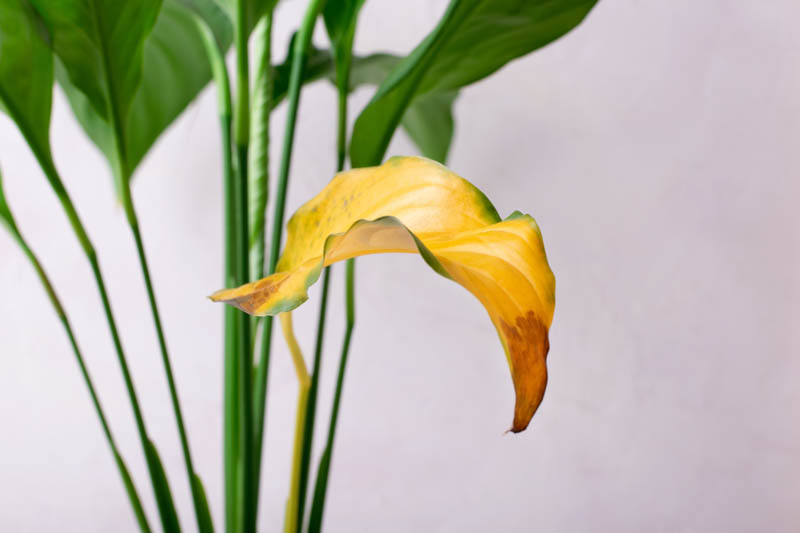


Noticing yellow leaves on your peace lily plant? You’re not alone. A bit of yellowing now and then is normal, but clusters of fading fronds usually mean your plant is telling you something about light, water, roots, or environment. This guide walks you through the most common causes—plus clear, do-this-now fixes you can trust for everyday peace lily care.
Yellowing most often traces back to watering mistakes (too wet or too dry), low light, mineral buildup from hard water/fertilizer, temperature swings/drafts, low humidity, rootbound stress, or recent moves/repotting. Start by checking soil moisture and drainage, then adjust light, temperature, and water quality. Remove old, yellowed leaves at the base so the plant can focus on new growth.
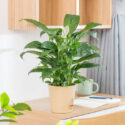
The peace lily plant is a rainforest understory species—shaded, humid, and evenly moist. Indoors, that translates to bright indirect light, a breathable potting mix, steady temperatures, and careful watering. Understanding that natural rhythm makes diagnosing yellow leaves much easier.
| Light | Bright, indirect; tolerates low light (fewer blooms). Avoid hot direct sun. |
|---|---|
| Watering | When the top inch is dry; drain fully; never let the pot sit in water. |
| Water Quality | Filtered/soft preferred; hard/fluoridated water often causes brown tips and can contribute to yellowing over time. |
| Soil | Well-draining houseplant mix with perlite/bark to keep roots aerated. |
| Temperature | Ideal 65–80°F (18–27°C); avoid cold drafts (<60°F/15°C) and hot HVAC blasts. |
| Humidity | Prefers moderate–high humidity; very dry air raises risk of brown tips and stress yellowing. |
Older, lower leaves eventually yellow and die off. If the yellowing is limited to the oldest leaves at the base—and new growth looks glossy and green—this is normal.
Constantly wet soil starves roots of oxygen, leading to pale, limp leaves that yellow from the base up.
Prolonged wetness invites rot. Once roots are compromised, the plant can’t move water or nutrients properly, triggering yellowing and wilting.
When soil stays dry for too long, leaves droop, lose luster, and can yellow from stress.
Even if you water correctly, a dense mix or a pot without holes traps moisture around roots and mimics overwatering.
In very dim spots, the plant can’t photosynthesize enough, so older leaves are shed first—often yellowing along the way.
Hot sun bleaches chlorophyll and scorches tissue, turning leaves yellow with tan patches.
Cold snaps, open windows, exterior doors, or hot HVAC blasts can shock foliage and disrupt uptake, leading to yellowing and browning.
Very dry indoor air dehydrates leaf edges and can push older foliage toward stress yellowing.
When roots circle the pot, soil volume shrinks and dries fast—plants droop repeatedly, and older leaves may yellow from stress.
After repotting or moving rooms, changes in light, humidity, and watering patterns can stress leaves into temporary yellowing.
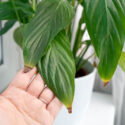
Minerals and additives can accumulate, interfering with nutrient uptake and causing yellowing with brown tips.
Overfeeding burns roots and leads to patchy yellowing; too little feeding in active months can cause a softer, uniform pale.
Even with fertilizer, a tight or alkaline mix can block iron/magnesium uptake, causing interveinal chlorosis (yellow leaf with green veins).
Sap-suckers steal nutrients and spread stress; leaf spots or blights can yellow tissue around lesions.
Prune at the base to redirect energy.
Pot must have holes; empty saucers after watering.
Use an airy blend with perlite/bark.
Water when the top inch is dry; soak thoroughly; don’t leave standing water.
If your tap is hard/fluoridated, try filtered, distilled, or rainwater and flush quarterly.
Keep 65–80°F (18–27°C); move away from vents/doors; use a pebble tray or humidifier in dry rooms.
Choose a container 1–2 inches wider; refresh with a well-draining mix.
Move to bright, indirect light—closer to a window with a sheer curtain.
In spring/summer, fertilize every 4–6 weeks at half strength; skip winter.
*Ranges vary by pot size, mix, humidity, and season. Always confirm by feeling the top inch of soil.
Why this section matters: the potting medium controls how water, air, and nutrients move around your peace lily plant. A heavy or exhausted mix holds water too long—this mimics 2 Overwatering and often triggers 3 Root rot. Compaction reduces air spaces, causing 5 Poor drainage/compaction. Salts from tap water or fertilizer build up faster in tired mixes, leading to 9 Fertilizer/salt issues. And when pH drifts or the mix breaks down, key elements (iron, magnesium) become unavailable, causing 10 Nutrient lockout – classic yellowing with green veins. Getting the mix right and repotting on time prevents a huge share of yellow-leaf problems, which is why the quick recipe and repot cues below are so helpful for everyday peace lily care.
Tip: If your water is hard/chlorinated and you see yellowing with brown tips, try filtered, distilled, or rainwater.
A single yellow leaf every month or two is part of normal turnover. Remove it, scan your routine, and carry on. But if several leaves yellow at once—or new growth is pale—work through the 15 causes above, starting with moisture, light, temperature, and humidity. Small tweaks to peace lily care make a big, visible difference.
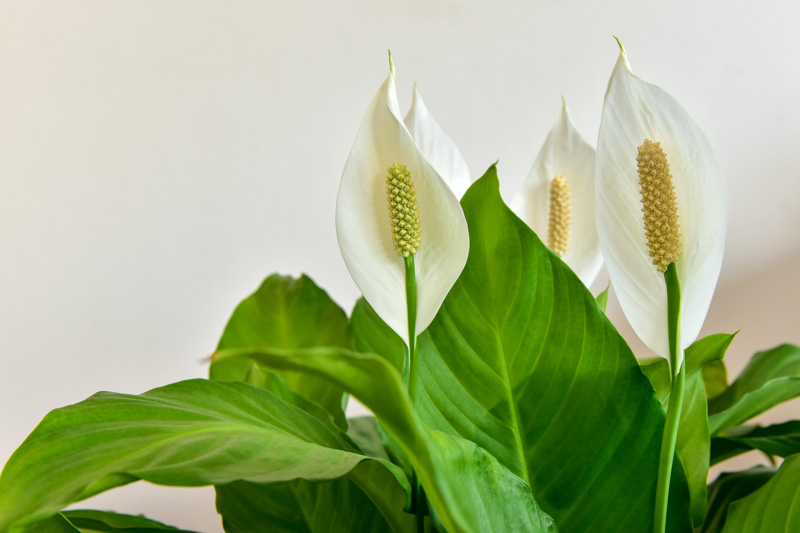
Also normal: after flowering, white spathes naturally yellow and brown as they age—trim spent stalks at the base.
That’s transplant or location shock—light, humidity, and watering change all at once. Trim the worst leaves, stabilize conditions, and new growth should emerge within weeks.
Yes. Temperatures below ~60°F (15°C) or blasts from AC/heaters can stress foliage into yellowing and browning. Aim for 65–80°F (18–27°C) and steady humidity.
No. Once a leaf has yellowed, it won’t re-green. Focus on preventing new yellowing and prune the old leaf at the base.
Yellow leaves are your plant’s nudge to fine-tune the basics: brighter indirect light, even moisture in a well-draining mix, steady 65–80°F, moderate humidity, gentle feeding in active months, and better water quality if your tap is hard. With a few adjustments to daily peace lily care, your peace lily plant will bounce back to glossy, deep green—no drama required.
| Hardiness |
11 - 12 |
|---|---|
| Plant Type | Houseplants, Perennials |
| Plant Family | Araceae |
| Common names | Peace Lily |
| Exposure | Partial Sun |
| Season of Interest | Spring (Early, Mid, Late), Summer (Early, Mid, Late), Fall, Winter |
| Height | 1' - 4' (30cm - 120cm) |
| Spread | 1' - 4' (30cm - 120cm) |
| Maintenance | Low |
| Water Needs | Average |
| Soil Type | Clay, Loam, Sand |
| Soil pH | Acid, Alkaline, Neutral |
| Soil Drainage | Moist but Well-Drained |
| Characteristics | Showy, Evergreen |
| Toxic to Humans | No known toxicity |
| Toxic to Cats | No known toxicity |
| Toxic to Dogs | No known toxicity |
| Toxic to Horses | No known toxicity |
| Hardiness |
11 - 12 |
|---|---|
| Plant Type | Houseplants, Perennials |
| Plant Family | Araceae |
| Common names | Peace Lily |
| Exposure | Partial Sun |
| Season of Interest | Spring (Early, Mid, Late), Summer (Early, Mid, Late), Fall, Winter |
| Height | 1' - 4' (30cm - 120cm) |
| Spread | 1' - 4' (30cm - 120cm) |
| Maintenance | Low |
| Water Needs | Average |
| Soil Type | Clay, Loam, Sand |
| Soil pH | Acid, Alkaline, Neutral |
| Soil Drainage | Moist but Well-Drained |
| Characteristics | Showy, Evergreen |
| Toxic to Humans | No known toxicity |
| Toxic to Cats | No known toxicity |
| Toxic to Dogs | No known toxicity |
| Toxic to Horses | No known toxicity |
Create a membership account to save your garden designs and to view them on any device.
Becoming a contributing member of Gardenia is easy and can be done in just a few minutes. If you provide us with your name, email address and the payment of a modest $25 annual membership fee, you will become a full member, enabling you to design and save up to 25 of your garden design ideas.
Join now and start creating your dream garden!
Create a membership account to save your garden designs and to view them on any device.
Becoming a contributing member of Gardenia is easy and can be done in just a few minutes. If you provide us with your name, email address and the payment of a modest $25 annual membership fee, you will become a full member, enabling you to design and save up to 25 of your garden design ideas.
Join now and start creating your dream garden!