Raspberry, Red Raspberry, European Raspberry, American Red Raspberry, Rubus acanthocladus, Rubus buschii, Rubus strigosus, Rubus idaeus var. idaeus, Rubus idaeus var. strigosus, Rubus idaeus var. vulgatus.

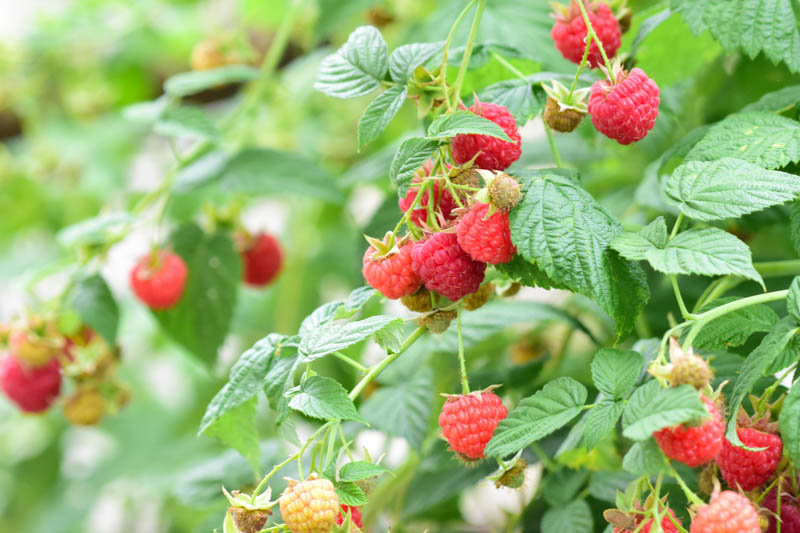


Summary: The classic garden raspberry, Rubus idaeus delivers generous crops on compact rows with bright, sweet-tart flavor. Available as summer-bearing (floricane) or everbearing (primocane) types for one or two harvests per season.
Taste: Lively, sweet-tart; aromatic and delicate.
Use: Fresh bowls, jams and jellies, desserts, syrups, freezing and dehydrating.
Safety: Fruit edible and non-toxic; canes are thorny—wear gloves when pruning/harvesting.
| Botanical Name | Rubus idaeus |
|---|---|
| Family | Rosaceae (Rose family) |
| Common Names | Red Raspberry, European Raspberry |
| Native Range | Europe and temperate Asia; widely cultivated in North America |
| Plant Type & Habit | Deciduous shrub; upright to arching canes; spreads by suckers |
| Hardiness (USDA) | 4–8 (cultivar/region dependent) |
| Size | Canes 3–9 ft tall, spread 3-9 ft; rows 2–3 ft apart within, 8–10 ft between rows |
| Sun & Exposure | Full sun (6–8 hrs); light afternoon shade in hot-summer climates |
| Soil | Rich, well-drained, slightly acidic (pH ~6.0–6.8); raised rows help in wet springs |
| Bloom & Fruit | White spring flowers; fruiting season depends on type (see below) |
| Fruit Seasons | Summer-bearing (floricane): One main crop in early–midsummer. Everbearing (primocane): Late-summer to fall crop on first-year canes; optional smaller early-summer crop on second-year canes. |
| Wildlife | Excellent for pollinators; ripe fruit attracts birds and small mammals |
| Toxicity | Fruit edible and safe; thorns can scratch skin |
| Invasiveness | Spreads by suckers; contain with edging and timely pruning |
| Primary Uses | Fresh eating, preserves, desserts, syrups, freezing; edible hedges |
For full details and cultivar ideas, see the Gardenia profile:
Rubus idaeus (Red Raspberry).
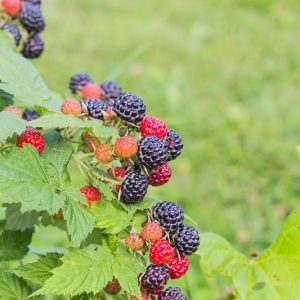
Compare with North America’s blackcap:
Rubus occidentalis.
If you’ve ever walked out on a summer morning and come back with stained fingertips and a grin, you already know the spell raspberries cast. They’re tangy-sweet, ridiculously aromatic, and they turn even simple yogurt into something you’ll eat slowly, on purpose.
From a single raspberry bush along a fence to a tidy row of raised-bed raspberries, this is one fruit that pays you back fast—in bowls of fresh berries, jars of jam, pitchers of lemonade, weekend pie projects, and the occasional small-batch raspberry liqueur to toast your harvest.
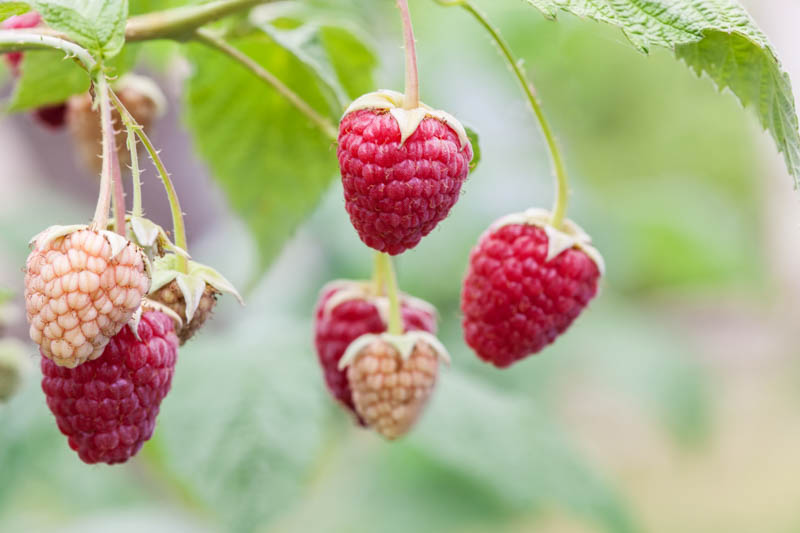
Raspberry (Rubus idaeus) is a perennial shrub in the rose family, grown both for its fruit and ornamental value. The plant lives for many years through its woody root system and crown, while the canes it produces are biennial—green primocanes in their first year, and fruiting floricanes in their second.
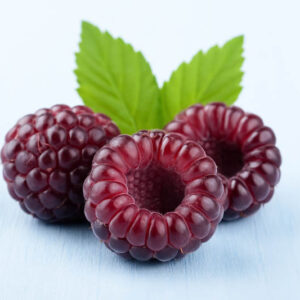
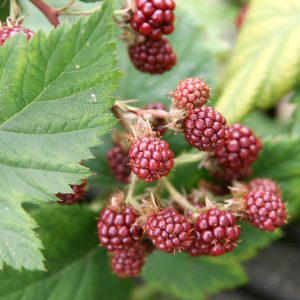
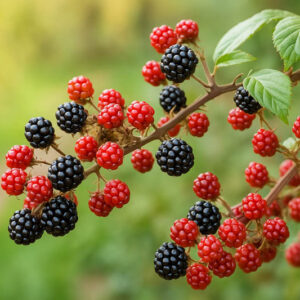
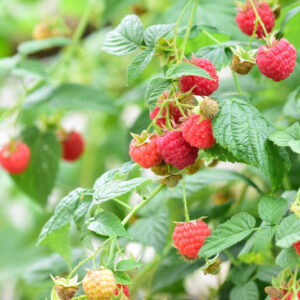
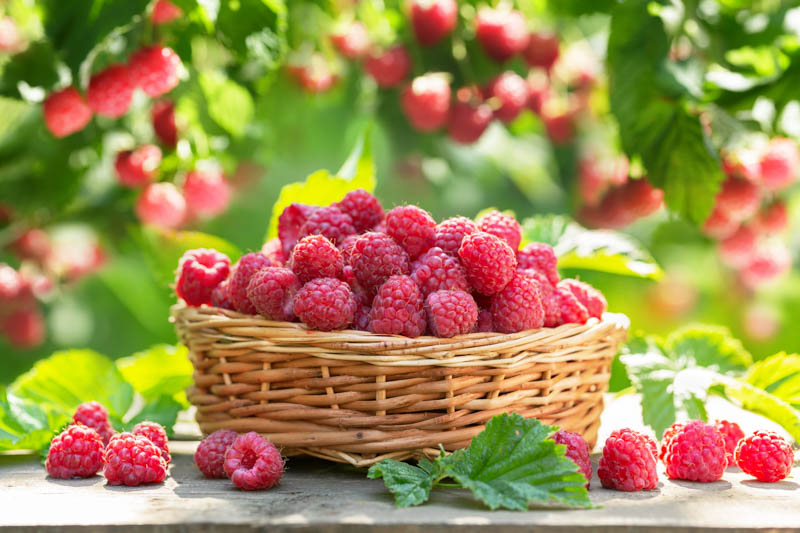
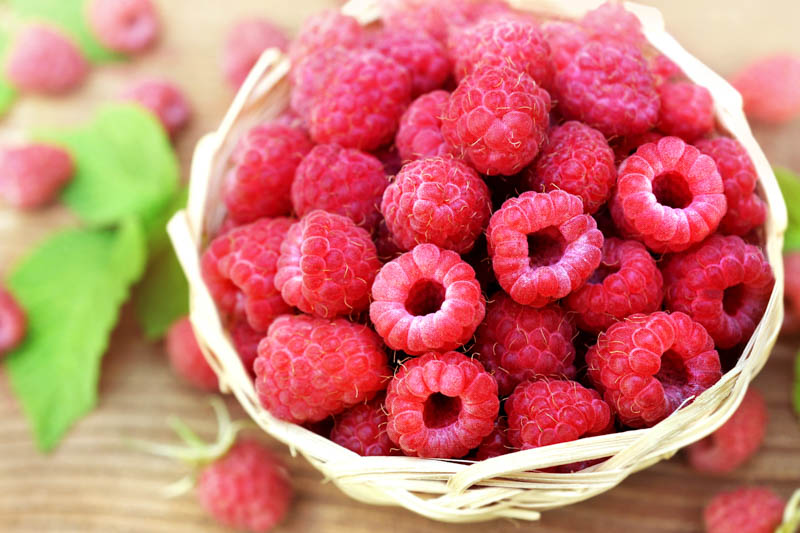
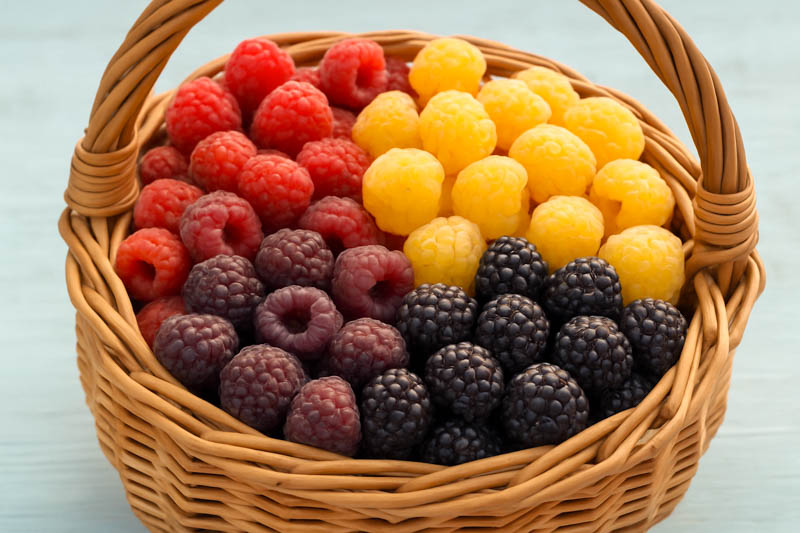
The fruits are aggregate berries made of many tiny drupelets. When ripe, they detach cleanly from the cone-shaped receptacle, leaving the berry hollow inside—a key feature that distinguishes raspberries from blackberries. Classic raspberries are ruby red, but cultivars also come in golden, purple, and even nearly black forms, each with its own balance of sweetness and tartness.
Wild red raspberries (Rubus idaeus) come in two main varieties:
Raspberry plants are hardy, deciduous shrubs that persist for years below ground as perennial root systems while their canes above ground are biennial. Each cane lives only two seasons:
This cycle means the plant itself can live 10–15 years (sometimes longer with care), while individual canes complete their lifespan in just two. Mastering this rhythm is the key to confident pruning and consistently full harvests.
Canes reach 3–9 feet (90–270 cm) tall and spread by underground runners to form colonies 3–9 feet (90–270 cm) wide if unmanaged. Trellising helps keep the canes upright, improves air circulation, and makes harvesting easier.
Primocanes grow quickly—often reaching their full height within one season. A well-established patch can fill in rapidly and produce significant yields by its second or third year.
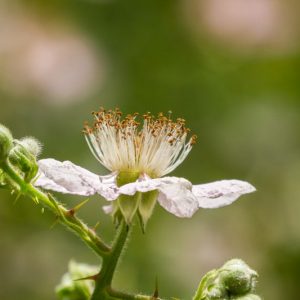
Small, white to pale pink flowers appear in loose clusters, usually in late spring to early summer depending on variety. They are magnets for bees and other pollinators, which translates directly into plumper, more evenly filled berries.
Raspberries are aggregate fruits made of juicy drupelets surrounding a hollow core. Fruiting time depends on type:
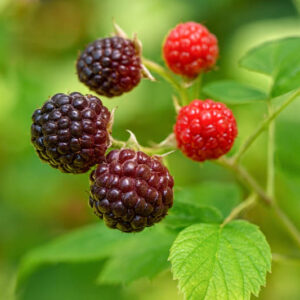
Fruit color ranges from ruby red to gold, purple, and even near-black. Black raspberry (Rubus occidentalis) is a related species often planted alongside red types for flavor variety.
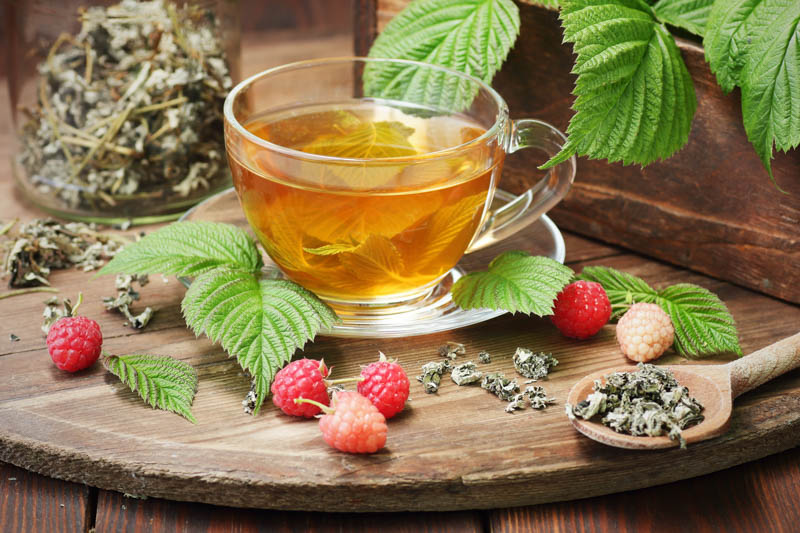
Plants are clad in compound leaves with 3–5 serrated leaflets. Young leaves, prized by herbalists, are harvested and dried for tea. In the garden, the foliage powers growth through photosynthesis and returns organic matter to the soil when mulched back in.
Most red raspberries handle winter in USDA 4–8. Some varieties can manage Zone 3 with snow cover.
Flowers feed bees, butterflies, and beneficial insects; ripe fruit tempts birds (and neighborhood nibblers). Netting right as berries blush can save your breakfast.
The fruit is edible and beloved; canes are thorny, so harvest with care. Raspberry leaf tea is widely consumed, but pregnant or nursing individuals should consult a clinician before using any concentrated herbal infusions.
Plants spread by underground suckers. They’re not “weeds,” but they are enthusiastic. Use edging, mow outside the row, and remove stray suckers to keep your patch where you planned it.
Grower Story We planted three raspberry plants along an old wire fence and forgot the trellis—rookie move. The first harvest was still magical, but canes flopped, berries hid, and picking took forever. Year two we added two T-posts and two taut wires per row, pruned hard, mulched heavy. Same space, double the fruit, no backache. Lesson learned: a simple trellis makes raspberries feel effortless.
Raspberries are a yes at every meal.
| Nutrient | Amount (approx.) |
|---|---|
| Calories | ~52 |
| Carbohydrates | ~12 g |
| Fiber | ~6.5 g |
| Protein | ~1.2 g |
| Vitamin C | ~26 mg |
| Manganese | ~0.7 mg |
| Potassium | ~150–180 mg |
Portion note A cup of raspberries lands around 60–65 calories and brings big fiber for very little sugar—one reason they feel so satisfying.
| Category | Description | Example Varieties |
|---|---|---|
| Summer-bearing (floricane) | One large early-summer harvest on last year’s canes. Excellent flavor and big yields. | ‘Latham’, ‘Boyne‘, ‘Killarney‘, ‘Cascade Delight’ |
| Everbearing / primocane | Late-summer to fall harvest on current-year cane tips; optional small crop the next spring. Beginner-friendly pruning. | ‘Heritage’, ‘Caroline’, ‘Autumn Bliss’, ‘Polka’, ‘September‘, ‘Joan J’ (nearly thornless) |
| Red raspberries | Classic sweet-tart raspberry flavor. | Many cultivars, widely available |
| Yellow / Gold raspberries | Sweeter, lower acid; best for fresh eating. | ‘Fall Gold’, ‘Anne‘ |
| Purple raspberries | Crosses of red and black; bold flavor, great for jam. | ‘Royalty’ |
| Black raspberries | Different species with deep, aromatic flavor; prized for jams and sauces. | Common in North America |
Two stout posts at row ends, two or three parallel wires (about 24, 36, and 48 inches). Tie canes loosely to wires with soft ties. A tidy bush is a joy to pick and less disease-prone.
Steady moisture = plump berries. Provide ~1–1.5 inches of water weekly during active growth and fruit swell. Drip irrigation or soaker hoses keep leaves dry.
In early spring, top-dress with compost. If growth looks pale or weak, apply a balanced organic fertilizer at label rates. Avoid heavy late-summer nitrogen (it pushes soft growth that winter zaps).
Mulch suppresses weeds and stabilizes soil moisture. Hand-weed near canes; bramble roots are shallow and dislike tug-of-war.
Everbearing/primocane raspberries (simple method)
Everbearing (two-crop method, optional)
The simplest system for big late-summer to fall harvests on new canes.
Result: One generous late-summer to fall crop on the current season’s cane tips—minimal fuss, maximum fruit.
Yes, you can grow raspberries in large containers (15–20+ gallons) using a high-drainage potting mix. Choose compact everbearing types, add a small trellis, water consistently, and refresh top mix each spring.
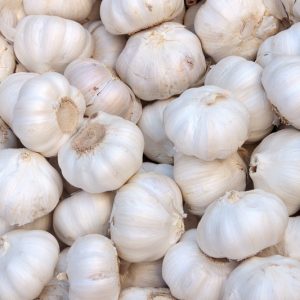
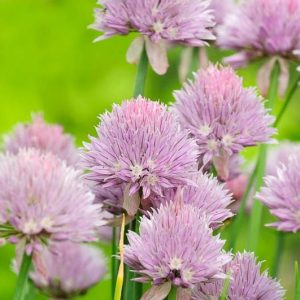
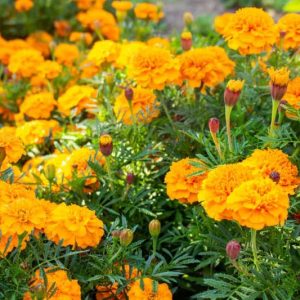
Great companion plants for raspberries include aromatic alliums like garlic and chives, plus flowers such as marigolds and nasturtiums that attract pollinators and help confuse pests; many growers also interplant clover, buckwheat, and other legumes/cover crops to boost soil health and nitrogen. For disease prevention, avoid planting raspberries near other brambles (e.g., blackberries/boysenberries) and remove nearby wild canes.
Harvest in the cool of the day. Use shallow containers—raspberries bruise easily. Refrigerate promptly and don’t wash until just before eating.
Raspberries keep 2–4 days in the refrigerator. Spread on a paper towel-lined tray for airflow; transfer to lidded container after chilling.
Freeze on a sheet pan (single layer), then pack into bags. Pre-sweeten with a spoon of sugar if you like. Frozen berries are perfect for smoothies, sauces, and quick bakes.
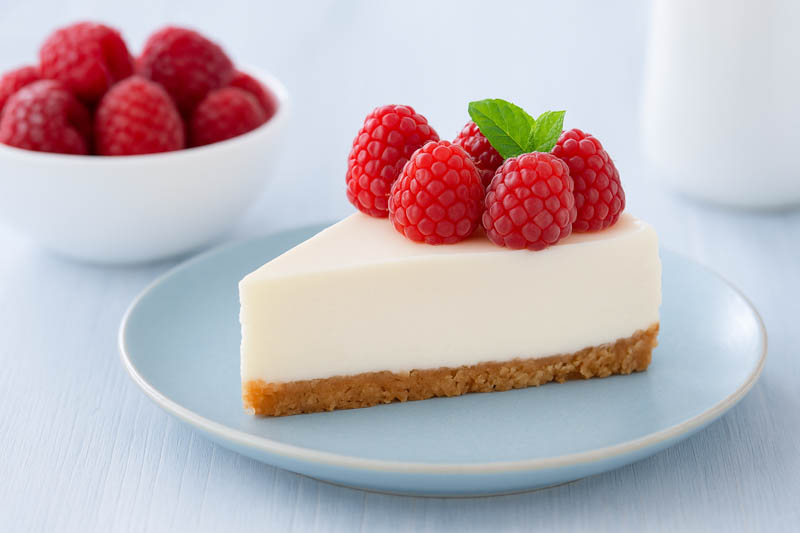
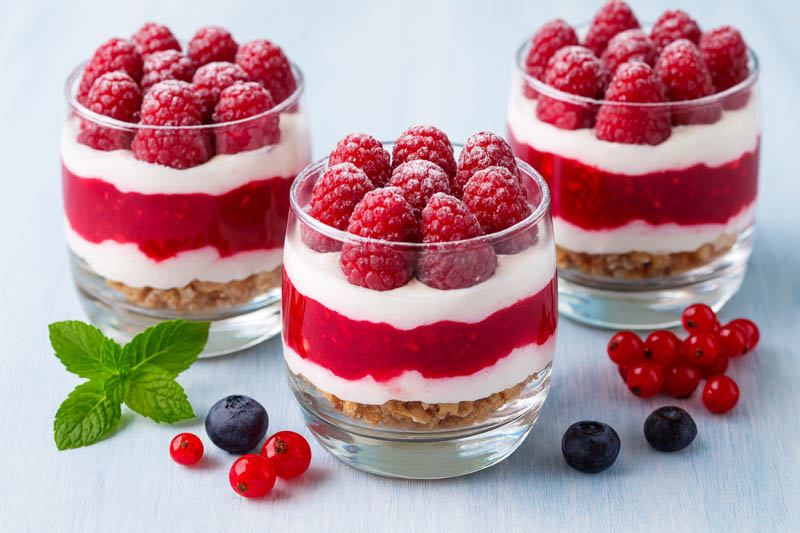
Small-batch jam is beginner-friendly and deeply rewarding. Sweet-tart syrup elevates waffles, pancakes, and cocktails, while a silky coulis transforms cheesecake into a showstopper.
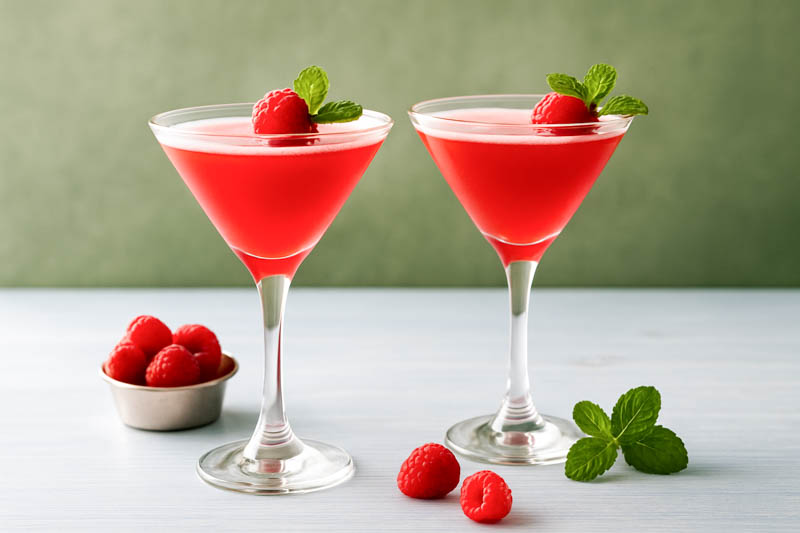
From refreshing pitchers of lemonade to homemade liqueur, a good harvest easily turns into sippable sunshine.
In cool-summer climates, summer-bearing types kick off in early to mid-summer, while everbearers follow with a late-summer to fall flush—sometimes through first frost. Warmer regions often favor everbearers for a reliable fall show. Farmers markets are your best bet for fragrant, just-picked pints. At home, picking every day or two keeps the patch producing and your kitchen permanently in dessert mode.
Summer-bearing raspberries produce one big crop in early summer, while everbearing (primocane) types fruit late summer into fall, with a lighter early-summer crop the following year.
Individual canes live two years, but the plant’s crown and roots can remain productive for 10–15 years with good care and annual pruning.
Most varieties benefit from support. A simple wire trellis keeps canes upright, improves airflow, makes harvesting easier, and helps reduce disease.
Raspberries spread by underground suckers and can form thickets. Plant them in dedicated beds, and remove unwanted shoots to keep them contained.
Red raspberries are the classic sweet-tart berry. Black raspberries are a separate species with deep, aromatic flavor. Golden/yellow raspberries are naturally sweeter and lower in acidity.
Yes. Compact primocane varieties grow well in large pots with rich soil, regular watering, and full sun.
One cup (about 120 g) has ~64 calories, 8 g of fiber, and is rich in vitamin C and antioxidants—nutrient-dense but low in sugar.
Eating too many may cause bloating or diarrhea due to fiber. Rarely, raspberry allergies occur. They also contain oxalates, which can contribute to kidney stones in susceptible people.
Raspberry leaf tea is a traditional herbal remedy, often used in late pregnancy to support the uterus. Safety is debated, especially in early pregnancy. Always check with a healthcare provider before use.
In small amounts, yes. They’re safe but should be fed in moderation because they contain natural xylitol, which can be harmful in large quantities.
| Hardiness |
4 - 8 |
|---|---|
| Plant Type | Fruits, Shrubs |
| Plant Family | Rosaceae |
| Genus | Rubus |
| Common names | Raspberry |
| Exposure | Full Sun, Partial Sun |
| Season of Interest | Summer (Early, Mid, Late), Fall |
| Height | 3' - 9' (90cm - 270cm) |
| Spread | 3' - 9' (90cm - 270cm) |
| Spacing | 24" - 36" (60cm - 90cm) |
| Maintenance | Average |
| Water Needs | Average |
| Soil Type | Clay, Loam, Sand |
| Soil pH | Acid, Neutral |
| Soil Drainage | Moist but Well-Drained, Well-Drained |
| Characteristics | Showy, Fruit & Berries |
| Attracts | Bees, Butterflies, Birds |
| Garden Uses | Beds And Borders, Patio And Containers |
| Garden Styles | Informal and Cottage |
| Toxic to Humans | No known toxicity |
| Toxic to Cats | No known toxicity |
| Toxic to Dogs | No known toxicity |
| Toxic to Horses | No known toxicity |


| Hardiness |
4 - 8 |
|---|---|
| Plant Type | Fruits, Shrubs |
| Plant Family | Rosaceae |
| Genus | Rubus |
| Common names | Raspberry |
| Exposure | Full Sun, Partial Sun |
| Season of Interest | Summer (Early, Mid, Late), Fall |
| Height | 3' - 9' (90cm - 270cm) |
| Spread | 3' - 9' (90cm - 270cm) |
| Spacing | 24" - 36" (60cm - 90cm) |
| Maintenance | Average |
| Water Needs | Average |
| Soil Type | Clay, Loam, Sand |
| Soil pH | Acid, Neutral |
| Soil Drainage | Moist but Well-Drained, Well-Drained |
| Characteristics | Showy, Fruit & Berries |
| Attracts | Bees, Butterflies, Birds |
| Garden Uses | Beds And Borders, Patio And Containers |
| Garden Styles | Informal and Cottage |
| Toxic to Humans | No known toxicity |
| Toxic to Cats | No known toxicity |
| Toxic to Dogs | No known toxicity |
| Toxic to Horses | No known toxicity |
How many Rubus idaeus (Raspberry) do I need for my garden?
| Plant | Quantity | |
|---|---|---|
| Rubus idaeus (Raspberry) | N/A | Buy Plants |
Create a membership account to save your garden designs and to view them on any device.
Becoming a contributing member of Gardenia is easy and can be done in just a few minutes. If you provide us with your name, email address and the payment of a modest $25 annual membership fee, you will become a full member, enabling you to design and save up to 25 of your garden design ideas.
Join now and start creating your dream garden!
Create a membership account to save your garden designs and to view them on any device.
Becoming a contributing member of Gardenia is easy and can be done in just a few minutes. If you provide us with your name, email address and the payment of a modest $25 annual membership fee, you will become a full member, enabling you to design and save up to 25 of your garden design ideas.
Join now and start creating your dream garden!