Blue Fescue ‘Elijah Blue’, Elijah Blue Fescue, Blue Fescue, Blue Mountain Grass, Grey Fescue, festuca glauca ‘Elijah Blue’, festuca ovina ‘Elijah Blue’, festuca ovina var. glauca ‘Elijah Blue’
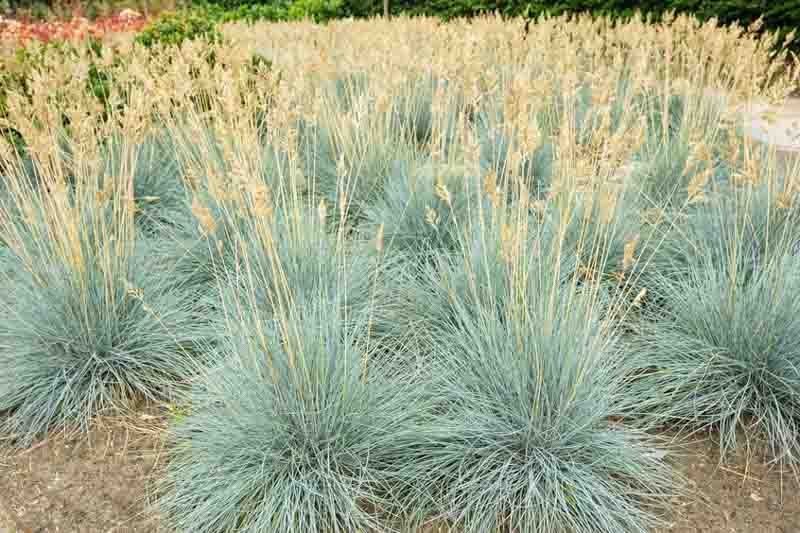
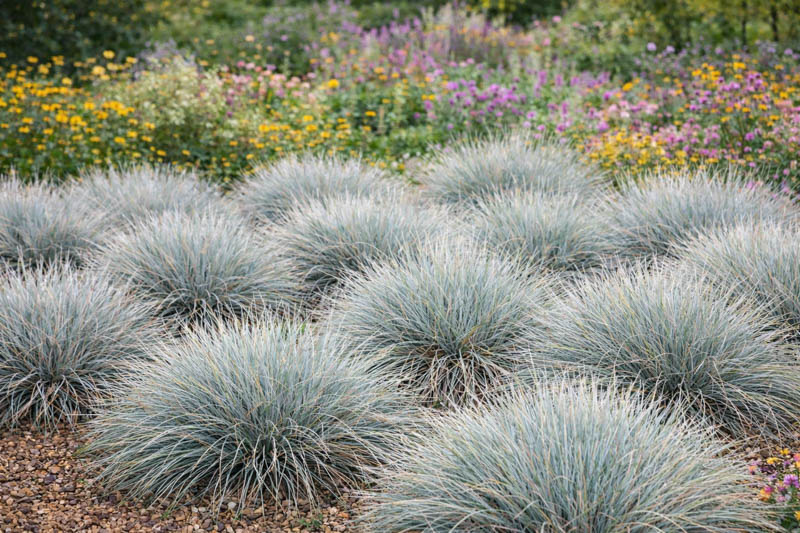
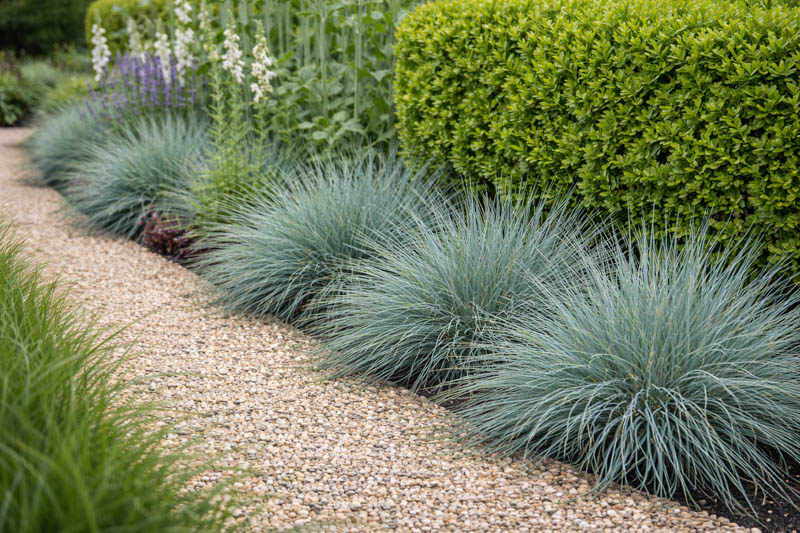
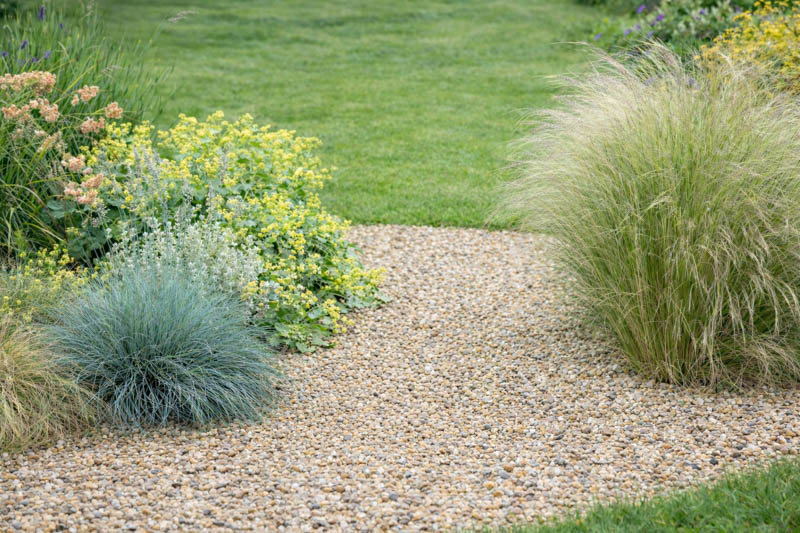
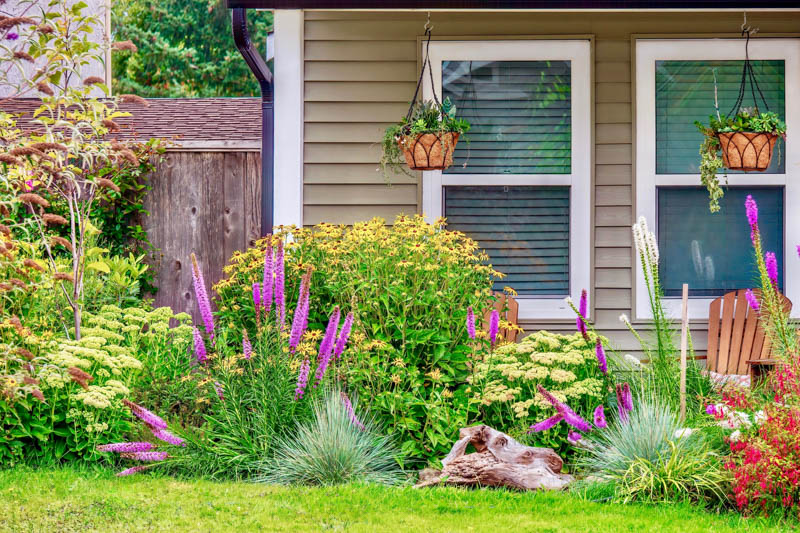
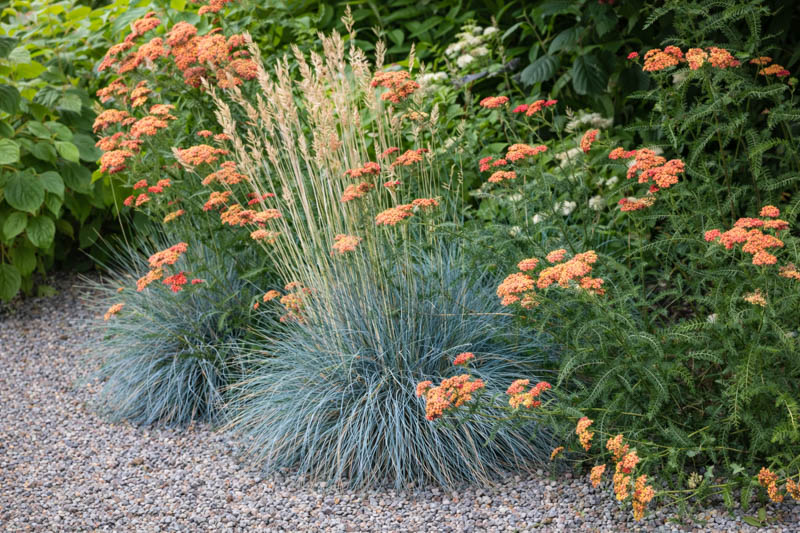


Festuca glauca ‘Elijah Blue’ is one of those small plants that quietly does a lot of heavy lifting. It forms a tidy, dwarf mound of bright silver-blue foliage that stays attractive through the seasons, then sends up upright flower plumes in summer for a little extra height and movement. If you want crisp color, fine texture, and clean structure in a sunny spot, this Blue Fescue is a go-to.
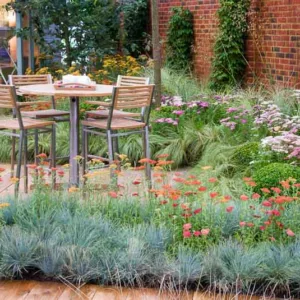
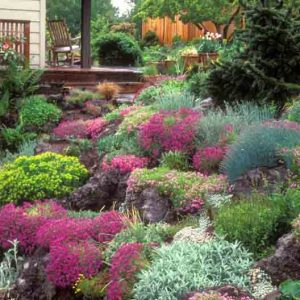
It also happens to be the kind of plant busy gardeners love: once established, it’s reliably drought-tolerant, happy in well-drained soil, and generally low maintenance. Use it as a repeating accent along paths, mass it as a ground cover, tuck it into a rock garden, or pop a few into containers where that icy-blue color can shine.
Summary: Compact, clump-forming semi-evergreen ornamental grass with intensely silver-blue, needle-like foliage and upright summer flower plumes that age to tan.
Use: Ideal for borders, edging, mass planting as ground cover, rock gardens, gravel gardens, Mediterranean gardens, city gardens, cottage gardens, and containers.
Highlight: Strong blue color and fine texture that reads as “cool” and modern all year.
Note: Best in full sun and well-drained soil; avoid winter-wet sites. Drought-tolerant once established and often considered deer-resistant.
| Botanical Name | Festuca glauca ‘Elijah Blue’ |
|---|---|
| Family | Grass family (Poaceae) |
| Common Names | Blue Fescue, ‘Elijah Blue’ Blue Fescue |
| Native Range | Species native to Central and southern Europe; Elijah Blue is a selected cultivar grown worldwide |
| Plant Type and Habit | Clump-forming semi-evergreen ornamental grass with a neat, mounding habit |
| Hardiness (approx. USDA) | Hardy in USDA Zones 4-8 (best where summers are not overly hot and humid) |
| Height | 8-12 in. (20-30 cm) |
| Spread | 8-12 in. (20-30 cm) |
| Spacing | 10-12 in. (25-30 cm) for a full look; wider if you want distinct mounds. |
| Sun and Exposure | Best in full sun for strongest blue color and tight growth |
| Soil | Prefers poor to moderately fertile, well-drained soil; thrives in sandy or gravelly sites |
| Seasonal Interest | Summer flower plumes; semi-evergreen foliage provides year-round structure |
| Flower Color | Bluish at first, maturing to light tan |
| Foliage Color | Semi-evergreen silver-blue needles |
| Fragrance | Generally not grown for fragrance |
| Drought Tolerant | Yes (once established) |
| Heat Tolerant | Moderate (best with good air flow and drainage; tolerates some heat, dislikes heavy humidity) |
| Salt Tolerant | Moderate in well-drained soils |
| Pollution Tolerant | Often performs well in city gardens when drainage is good |
| Poor Soil Tolerant | Yes – lean soil helps maintain tight, blue growth |
| Nectar / Pollen | Limited (grown mainly for foliage; flowers can support small insects) |
| Attracts | Some beneficial insects; seed heads may interest small birds |
| Deer / Rabbit | Often considered deer-resistant |
| Toxicity | Generally considered low toxicity; discourage pets from chewing |
| Invasive Status | Not considered invasive in typical garden use |
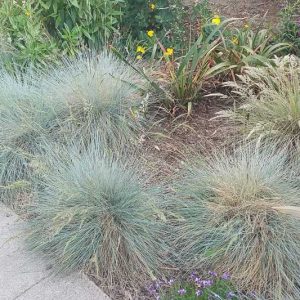
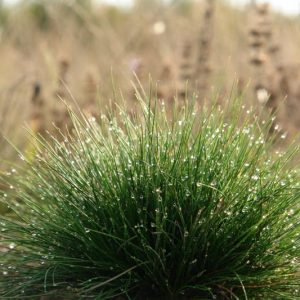
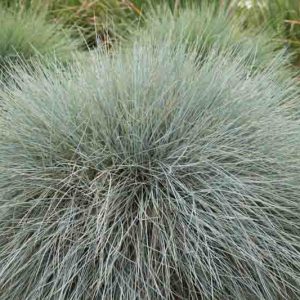
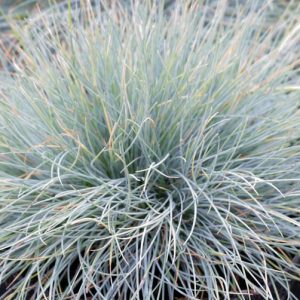
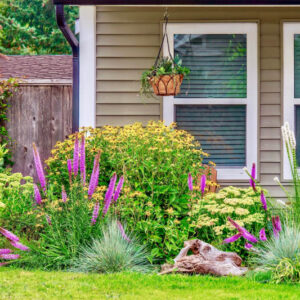
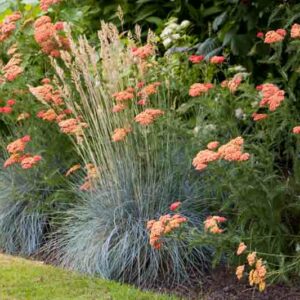
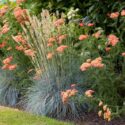
Think of ‘Elijah Blue’ as a living, silver-blue pincushion. Its foliage is made of very fine, blade-like needles that form a dense, rounded mound. The texture is crisp, the color is cool, and the shape is naturally tidy – which is why it’s such a reliable “repeat plant” in modern landscapes.
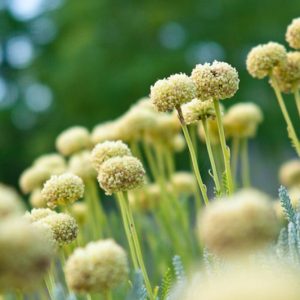
In summer, upright flower stems rise above the mound. The flowers start out close to the foliage color, then mature to a light tan. Some gardeners love the airy look; others shear them off so the plant stays all about that blue foliage. Either approach is correct – it depends on whether you want movement or minimalism.
The species Festuca glauca is native to Central and Southern europe, where it naturally grows in open, sunny, well-drained conditions. That heritage explains its preferences in the garden: it likes bright light, it tolerates dry spells once established, and it strongly dislikes sitting in wet soil – especially in winter.
‘Elijah Blue’ stays compact, typically forming a mound about 8-12 inches tall and wide (20-30 cm). It’s a cool-season grass, meaning it often looks freshest in spring and fall. Compared to many other blue fescues, it is noted for being more tolerant of hot, humid summers – but it still performs best with airflow and sharp drainage.
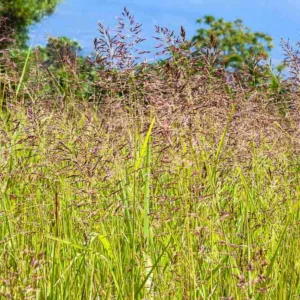
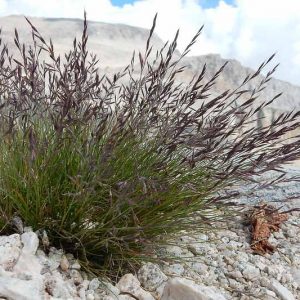
Flowering typically happens in summer. Slender, upright plumes rise above the foliage and create a soft, vertical contrast to the tight mound. The plumes begin with a blue-green cast and gradually fade to tan, adding a natural, meadow-like note.
If you prefer a cleaner look – or if you want the foliage to stay perfectly mound-shaped – you can shear off the flower stems. Many gardeners do this, especially in formal borders and container displays.
This is the main event: bright silver-blue foliage that holds color through much of the year.
Festuca glauca ‘Elijah Blue’ is generally hardy in USDA Zones 4-8. In colder zones, the foliage may look a bit rough by late winter, but the plant typically rebounds quickly as temperatures warm. In warmer climates, it appreciates good airflow and dry crowns to reduce decline in humid spells.
Blue Fescue is grown primarily for ornament and structure, but it can still contribute to a garden ecosystem. The clumps provide small-scale shelter near the ground, and the summer seed heads may offer minor interest to birds.
In many landscapes, ‘Elijah Blue’ is considered deer-resistant. Like all “resistant” plants, it is not completely immune if animals are hungry, but it is rarely a first choice. If you are building a tougher border, these guides can help:
Once established, this Blue Fescue is reliably drought-tolerant and prefers deep, occasional watering over frequent sprinkles. It is a natural fit for water-wise borders and dry gardens, especially when planted in well-drained soil that prevents crown problems. Wet winter soil is the fastest route to decline.
If you are designing for low irrigation, these resources may help with plant choices and pairing:
Blue Fescue is generally considered low risk as an ornamental. Still, it’s smart to discourage pets from chewing on any plant material. If you have a persistent plant-nibbler, place containers out of reach or choose sturdier, less tempting textures.
‘Elijah Blue’ is not considered invasive in typical garden use. It may self-seed lightly under favorable conditions, but seedlings are usually easy to spot and remove if you prefer a very clean design.
Keep feeding light. Too much fertilizer can soften growth, reduce that crisp blue color, and encourage a faster decline. In most gardens, a modest spring top-dressing of compost (or no feeding at all in naturally lean soil) is enough.
Blue Fescue is generally trouble-free. Occasionally, stressed plants may show minor issues, but serious pest pressure is uncommon when conditions are right (especially drainage and airflow).
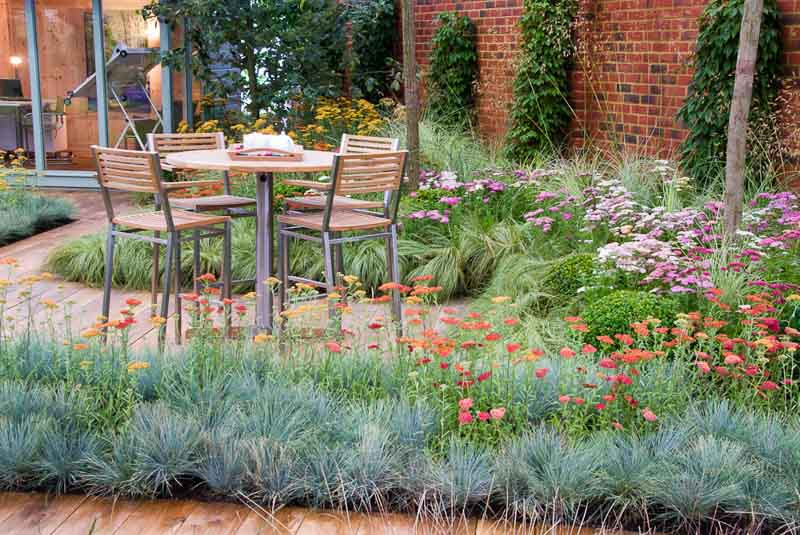
Yes. Once established, Festuca glauca ‘Elijah Blue’ is drought tolerant and performs best in dry to medium, well-drained soils. It is an excellent choice for low-water borders, rock gardens, and xeriscape-style plantings.
Full sun is best for the strongest silver-blue color and the tightest mound. In too much shade, the foliage often turns greener and the clump can loosen.
Tidy or shear the plant in late winter, just before fresh growth begins. You can also remove flower stems in summer if you prefer a clean foliage mound.
Often, yes. Blue Fescue is commonly considered deer resistant, though no plant is completely browse-proof in times of hunger.
It typically forms a compact mound about 8–12 inches tall and 8–12 inches wide (20–30 cm), with summer flower plumes rising above the foliage.
Royal Horticultural Society (RHS) – Blue Fescue cultivation notes and landscape use
Missouri Botanical Garden Plant Finder – cultural guidance, maintenance, and garden performance
Gardenia.net – drought tolerance, deer resistance, and design ideas
Updated: January 2026 – Reviewed by Gardenia Editors
| Hardiness |
4 - 8 |
|---|---|
| Heat Zones |
1 - 8 |
| Climate Zones | 1, 2, 3, 4, 5, 6, 7, 8, 9, 10, 11, 12, 13, 14, 15, 16, 17, 18, 19, 20, 21, 22, 23, 24 |
| Plant Type | Ornamental Grasses |
| Plant Family | Poaceae |
| Genus | Festuca |
| Common names | Blue Fescue, Fescue |
| Exposure | Full Sun |
| Season of Interest | Spring (Early, Mid, Late), Summer (Early, Mid, Late), Fall, Winter |
| Height | 8" - 1' (20cm - 30cm) |
| Spread | 8" - 1' (20cm - 30cm) |
| Spacing | 10" - 12" (25cm - 30cm) |
| Maintenance | Low |
| Water Needs | Low |
| Soil Type | Chalk, Loam, Sand |
| Soil pH | Acid, Alkaline, Neutral |
| Soil Drainage | Moist but Well-Drained, Well-Drained |
| Characteristics | Showy, Semi-Evergreen, Evergreen |
| Tolerances | Drought, Deer, Dry Soil, Rocky Soil, Heat, Black Walnut, Poor Soil, Fire |
| Garden Uses | Beds And Borders, Edging, Ground Covers, Patio And Containers |
| Garden Styles | City and Courtyard, Gravel and Rock Garden, Informal and Cottage, Mediterranean Garden |
| Toxic to Humans | No known toxicity |
| Toxic to Cats | No known toxicity |
| Toxic to Dogs | No known toxicity |
| Toxic to Horses | No known toxicity |


| Hardiness |
4 - 8 |
|---|---|
| Heat Zones |
1 - 8 |
| Climate Zones | 1, 2, 3, 4, 5, 6, 7, 8, 9, 10, 11, 12, 13, 14, 15, 16, 17, 18, 19, 20, 21, 22, 23, 24 |
| Plant Type | Ornamental Grasses |
| Plant Family | Poaceae |
| Genus | Festuca |
| Common names | Blue Fescue, Fescue |
| Exposure | Full Sun |
| Season of Interest | Spring (Early, Mid, Late), Summer (Early, Mid, Late), Fall, Winter |
| Height | 8" - 1' (20cm - 30cm) |
| Spread | 8" - 1' (20cm - 30cm) |
| Spacing | 10" - 12" (25cm - 30cm) |
| Maintenance | Low |
| Water Needs | Low |
| Soil Type | Chalk, Loam, Sand |
| Soil pH | Acid, Alkaline, Neutral |
| Soil Drainage | Moist but Well-Drained, Well-Drained |
| Characteristics | Showy, Semi-Evergreen, Evergreen |
| Tolerances | Drought, Deer, Dry Soil, Rocky Soil, Heat, Black Walnut, Poor Soil, Fire |
| Garden Uses | Beds And Borders, Edging, Ground Covers, Patio And Containers |
| Garden Styles | City and Courtyard, Gravel and Rock Garden, Informal and Cottage, Mediterranean Garden |
| Toxic to Humans | No known toxicity |
| Toxic to Cats | No known toxicity |
| Toxic to Dogs | No known toxicity |
| Toxic to Horses | No known toxicity |
How many Festuca glauca ‘Elijah Blue’ (Blue Fescue) do I need for my garden?
| Plant | Quantity | |
|---|---|---|
| Festuca glauca ‘Elijah Blue’ (Blue Fescue) | N/A | Buy Plants |
Create a membership account to save your garden designs and to view them on any device.
Becoming a contributing member of Gardenia is easy and can be done in just a few minutes. If you provide us with your name, email address and the payment of a modest $25 annual membership fee, you will become a full member, enabling you to design and save up to 25 of your garden design ideas.
Join now and start creating your dream garden!
Create a membership account to save your garden designs and to view them on any device.
Becoming a contributing member of Gardenia is easy and can be done in just a few minutes. If you provide us with your name, email address and the payment of a modest $25 annual membership fee, you will become a full member, enabling you to design and save up to 25 of your garden design ideas.
Join now and start creating your dream garden!