Geranium sanguineum 'Tiny Monster'
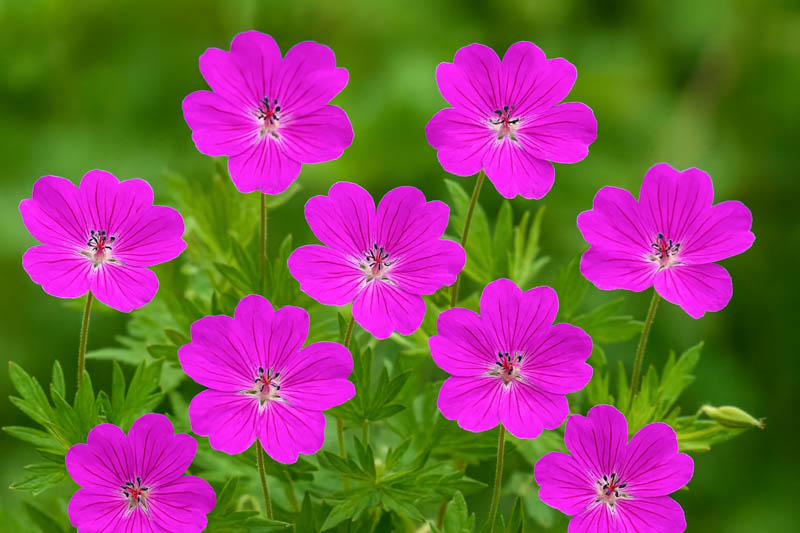
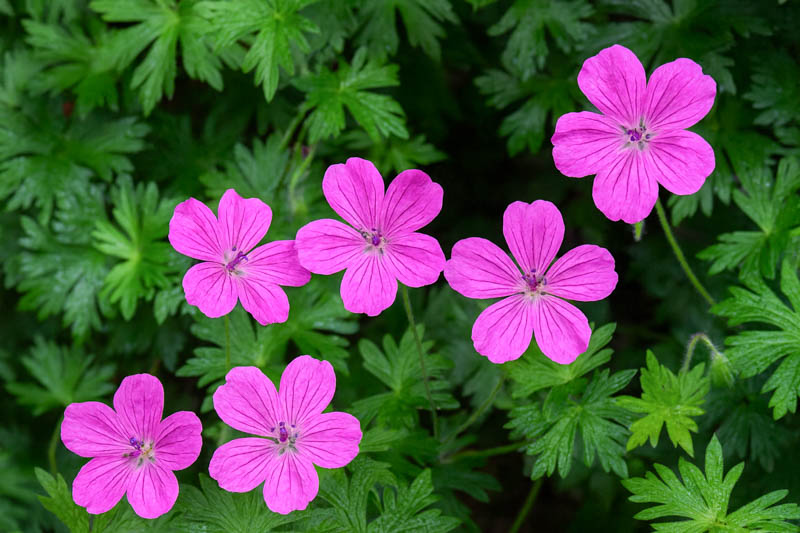


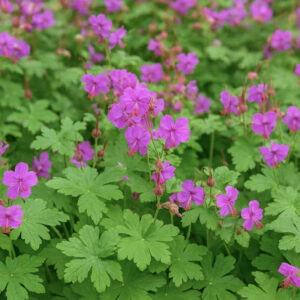
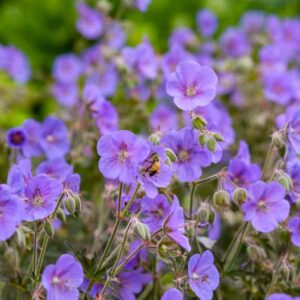
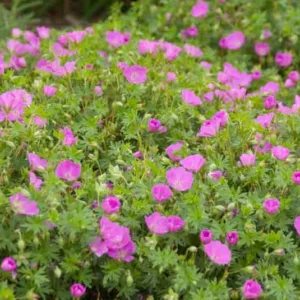
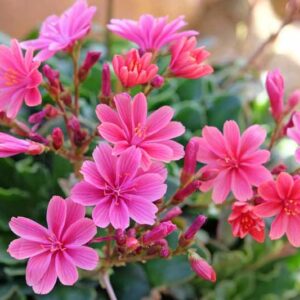
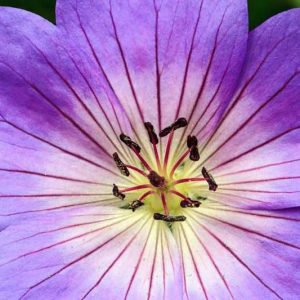
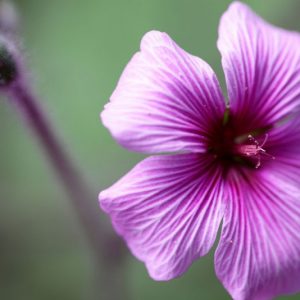
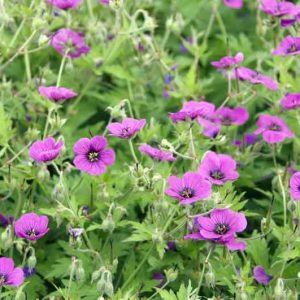
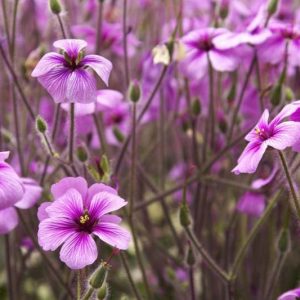
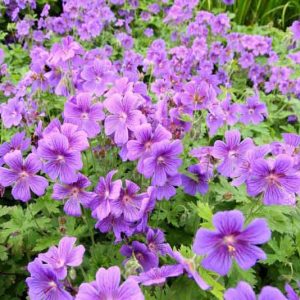
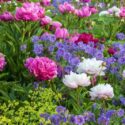
Imagine waking to a garden splashed with color. Ruby-magenta flowers bob gently on trailing stems, bees and butterflies flit between the blooms, and lush mounds of cut-leaf foliage tumble over edges as though the borders were stitched with wild, living lace. Geranium ‘Tiny Monster’ is no ordinary cranesbill—it’s a ground-hugging, long-blooming powerhouse with a well-earned reputation for resilience and show.
A hybrid between the sturdy G. sanguineum and the vivacious G. psilostemon, ‘Tiny Monster’ traces its roots to garden breeders seeking a perennial geranium that packs in vigor, season-long color, and little maintenance. It distills the best of both parents: the compact form and hardiness of sanguineum with psilostemon’s energy and bloom power. Over the last decade, it’s won favor for thriving in borders, cottage gardens, and anywhere you need a cheerful perennial that shrugs off heat and cold.
| Botanical Name | Geranium ‘Tiny Monster’ (G. sanguineum × G. psilostemon) |
| Common Name | Hardy Geranium, Tiny Monster Cranesbill |
| Plant Type | Herbaceous perennial |
| Hardiness Zones | USDA Zones 4-8 |
| Height & Spread | 10–12 in. tall × 20–24 in. wide (25–30 × 50–60 cm) |
| Bloom Time | Late spring to early autumn (May to October) |
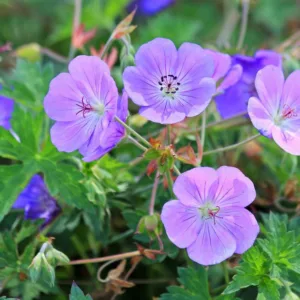
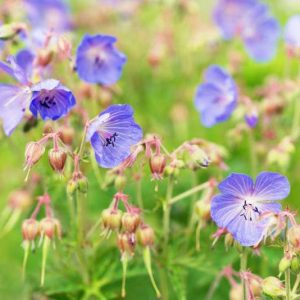
| Flower Color | Ruby-magenta, dark wine-red veining |
| Fragrance | Light leaf scent when brushed |
| Sun Requirements | Full sun to partial shade |
| Soil / pH | Moist, organic, well-drained; pH acid, neutral, or alkaline |
| Water Needs | Average; some drought tolerance once established |
| Wildlife | Attracts bees & butterflies; deer resistant |
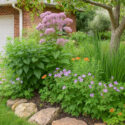
Low but wide, ‘Tiny Monster’ grows about 10-12 inches (25–30 cm) high and can spread out to 20-24 inches (50–60 cm), sometimes trailing even longer with age and air circulation. Ideal for groundcover or front-of-border drama.
A perennial for the long haul, returning stronger each year. Foliage may die back in winter but rebounds in spring with renewed energy. Divide clumps every few years to keep them compact and productive.
Deeply-lobed, cut-leaf green foliage forms lush mats. In autumn, leaves often turn bronze or red-purple, adding four-season interest.
Cranesbills are generally unappealing to deer, and ‘Tiny Monster’ is no exception—choose it confidently for open or rural gardens.
Hardy geraniums (cranesbills, Geranium spp.) are not reported as toxic to people; still, avoid ingestion and contact for sensitive individuals. Reports of “geranium” toxicity usually refer to Pelargonium (bedding geraniums), which is different from hardy cranesbills. Supervise pets and discourage chewing.
Tiny Monster is robust but well-behaved. It spreads steadily by trailing stems, not runners, and is easy to shear or control by pruning. It’s a gentle garden colonizer—vigorous, never rampant.
‘Tiny Monster’ does not grow true from seed; always start from nursery plants, divisions, or basal cuttings in spring.
| Season | Task |
|---|---|
| Spring | Plant, divide, top-dress with compost, water to establish, trim old foliage. |
| Summer | Shear after flowering for fresh foliage, deadhead as desired, water if dry. |
| Autumn | Enjoy foliage color; clean up spent stems; add leaf mulch for winter. |
| Winter | Leave some stem cover for wildlife shelter; clean up as new shoots appear in spring. |
“Tiny Monster brightens my borders from May to frost—and pollinators love it! More color, less effort.” — Cottage gardener, North Yorkshire
Yes—after a haircut or rainfall, new blooms quickly follow.
Absolutely. Its dense mat blocks sunlight from weeds—a favorite for lazy gardeners.
No! It can be pruned and shaped, but stays contained compared to running or invasive species.
Yes—Geraniums are widely considered non-toxic.
Not at all. A little compost or organic fertilizer each spring keeps it blooming strong.
‘Tiny Monster’ shrugs off poor, stony, or clay soil once established.
Leave stems and some leaves for winter wildlife; tidy up in spring as growth resumes.
| Hardiness |
4 - 8 |
|---|---|
| Heat Zones |
1 - 8 |
| Climate Zones | 2, 2A, 2B, 3, 3A, 3B, 4, 5, 6, 7, 14, 15, 16, 17, 18, 19, 20, 21, 22, 23, 24 |
| Plant Type | Perennials |
| Plant Family | Geraniaceae |
| Genus | Geranium |
| Common names | Cranesbill |
| Exposure | Full Sun, Partial Sun |
| Season of Interest | Spring (Late), Summer (Early, Mid, Late), Fall |
| Height | 10" - 1' (25cm - 30cm) |
| Spread | 1' - 2' (30cm - 60cm) |
| Spacing | 18" - 24" (50cm - 60cm) |
| Maintenance | Low |
| Water Needs | Average |
| Soil Type | Chalk, Clay, Loam, Sand |
| Soil pH | Acid, Alkaline, Neutral |
| Soil Drainage | Moist but Well-Drained, Well-Drained |
| Characteristics | Showy |
| Tolerances | Deer, Rabbit, Heat, Fire |
| Attracts | Bees, Butterflies |
| Garden Uses | Beds And Borders, Ground Covers, Patio And Containers, Underplanting Roses And Shrubs |
| Garden Styles | City and Courtyard, Informal and Cottage |
| Toxic to Humans | No known toxicity |
| Toxic to Cats | No known toxicity |
| Toxic to Dogs | No known toxicity |
| Toxic to Horses | No known toxicity |


| Hardiness |
4 - 8 |
|---|---|
| Heat Zones |
1 - 8 |
| Climate Zones | 2, 2A, 2B, 3, 3A, 3B, 4, 5, 6, 7, 14, 15, 16, 17, 18, 19, 20, 21, 22, 23, 24 |
| Plant Type | Perennials |
| Plant Family | Geraniaceae |
| Genus | Geranium |
| Common names | Cranesbill |
| Exposure | Full Sun, Partial Sun |
| Season of Interest | Spring (Late), Summer (Early, Mid, Late), Fall |
| Height | 10" - 1' (25cm - 30cm) |
| Spread | 1' - 2' (30cm - 60cm) |
| Spacing | 18" - 24" (50cm - 60cm) |
| Maintenance | Low |
| Water Needs | Average |
| Soil Type | Chalk, Clay, Loam, Sand |
| Soil pH | Acid, Alkaline, Neutral |
| Soil Drainage | Moist but Well-Drained, Well-Drained |
| Characteristics | Showy |
| Tolerances | Deer, Rabbit, Heat, Fire |
| Attracts | Bees, Butterflies |
| Garden Uses | Beds And Borders, Ground Covers, Patio And Containers, Underplanting Roses And Shrubs |
| Garden Styles | City and Courtyard, Informal and Cottage |
| Toxic to Humans | No known toxicity |
| Toxic to Cats | No known toxicity |
| Toxic to Dogs | No known toxicity |
| Toxic to Horses | No known toxicity |
How many Geranium ‘Tiny Monster’ (Cranesbill) do I need for my garden?
| Plant | Quantity | |
|---|---|---|
| Geranium ‘Tiny Monster’ (Cranesbill) | N/A | Buy Plants |
Create a membership account to save your garden designs and to view them on any device.
Becoming a contributing member of Gardenia is easy and can be done in just a few minutes. If you provide us with your name, email address and the payment of a modest $25 annual membership fee, you will become a full member, enabling you to design and save up to 25 of your garden design ideas.
Join now and start creating your dream garden!
Create a membership account to save your garden designs and to view them on any device.
Becoming a contributing member of Gardenia is easy and can be done in just a few minutes. If you provide us with your name, email address and the payment of a modest $25 annual membership fee, you will become a full member, enabling you to design and save up to 25 of your garden design ideas.
Join now and start creating your dream garden!