Deer-proof your garden the smart way: proven plants, easy repellents, and design tricks that cut damage fast—no fortress required. Learn how
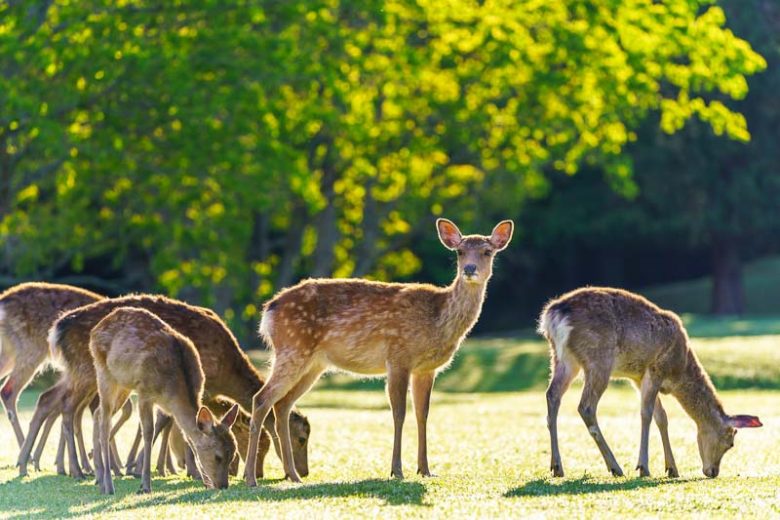


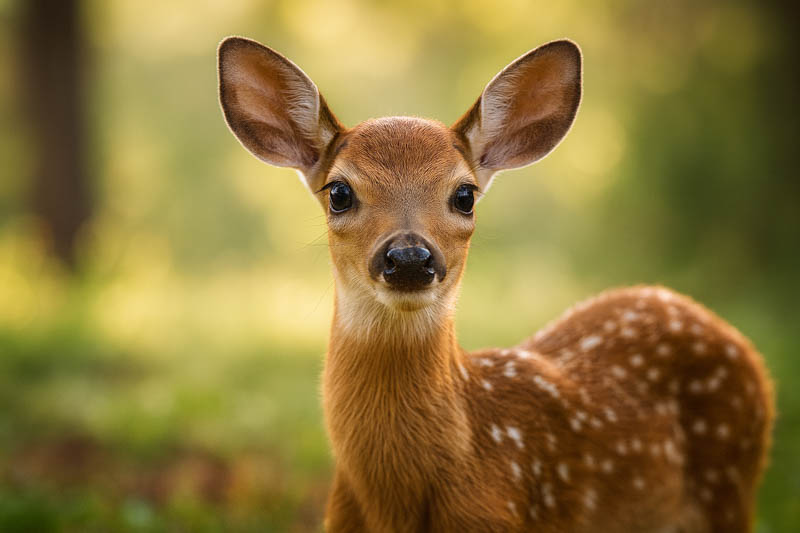
Summary: Deer are opportunistic browsers drawn to soft, juicy growth—especially in spring, summer drought, and fall fattening. You don’t have to eliminate deer; you just need to make your beds feel like too much work for too little reward.
Goal: Reduce fresh damage, speed plant recovery, and train the herd to pass by.
Win fast by: hardening the edge (aromatics, texture), protecting new growth, and rotating repellents at entry routes.
| What Are Deer? | Hoofed mammals (Cervidae) with keen hearing and smell; males of most species grow and shed antlers annually. |
|---|---|
| Common Species in Gardens | White-tailed deer, mule deer; occasionally elk or moose in specific regions. |
| Diet (General) | Tender leaves, buds, flowers, fruits; twigs, nuts in fall; bark and dried stems in winter when food is scarce. |
| Peak Browsing Windows | Early spring flush; midsummer drought (irrigated beds attract); fall fattening before winter. |
| High-Risk (Plants They Love) | Ornamentals: Hostas, daylilies, roses, hydrangea, hibiscus, impatiens, sunflowers; Bulbs: tulips, dahlias; Edibles: lettuce, beans, peas, carrots; fruit trees like apple, pear, persimmon. |
| Tell-Tale Damage | Ragged leaves at browse height, missing buds/flowers, crushed edges, antler rub on bark, pellet droppings, cloven tracks. |
| Most Effective Deterrents | Fencing: 8 ft, no gaps (or double fence). Repellents: rotate scent/taste products every 2–3 weeks. Scare: motion sprinklers, lights, targeted noise. Plant Choice: edges of aromatics/rough textures; hide “candy” behind them. Housekeeping: remove fallen fruit, tidy edges. |
Deer are graceful, but their midnight snacking can undo months of care in a single evening. The goal here is simple and realistic: keep your garden beautiful while convincing deer it is not worth the effort.

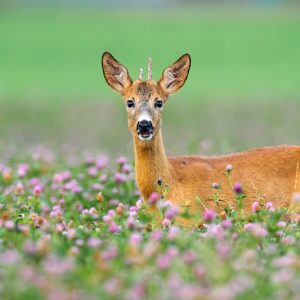
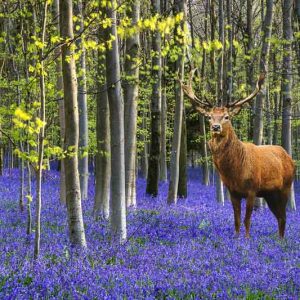
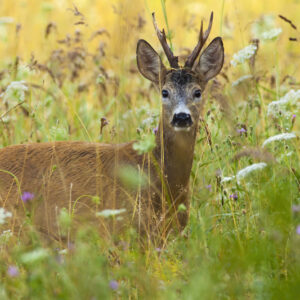
Deer are hoofed mammals in the Cervidae family. Think sleek, quick, and alert. They move quietly on slender legs with cloven hooves. In most species, males grow antlers each year and shed them after the breeding season.
Deer live wherever cover and food overlap. Forest edges, meadows, prairies, and even desert margins can support them. Suburban neighborhoods are especially attractive because irrigated lawns and fertilized beds offer reliable, tender growth.
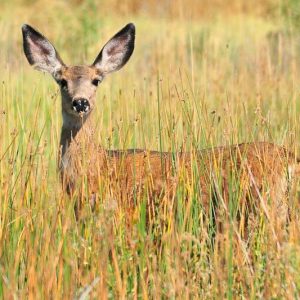
Deer are herbivores that browse. They pick the softest, freshest parts of plants, especially new leaves and flower buds. The family includes white-tailed deer, mule deer, moose, elk, reindeer, and caribou, each adapted to its climate and terrain.
People value deer for their beauty and for traditional uses like meat, hides, and antlers. Many regions manage herds as game species. For gardeners, the challenge is simple: share space with these graceful browsers without sacrificing your favorite plants.
Lifespan depends on species and local pressure. White-tailed deer commonly live 6 to 14 years in the wild. Mule deer tend to average 6 to 10. Moose can reach about 20 years, although real-world conditions like hunting, road crossings, and harsh winters often shorten that. Caribou and reindeer usually reach 10 to 15 years, with some living longer in favorable conditions.
Access to consistent food and healthy habitat helps deer live longer. Urban and suburban herds face vehicles, fencing, pets, and fragmented habitat, all of which can affect survival. Responsible management keeps populations and landscapes in balance.
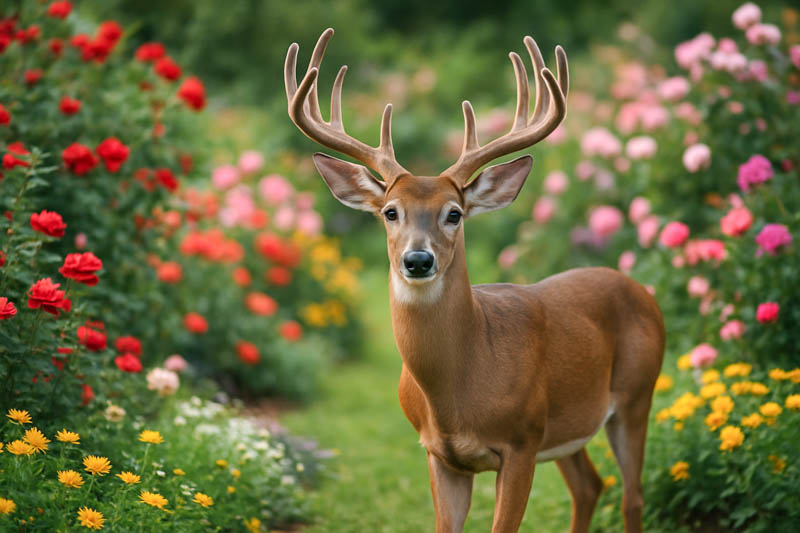
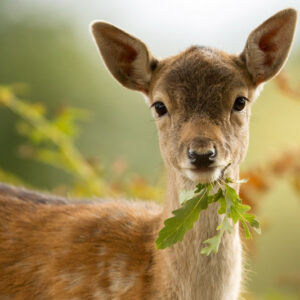
Deer are opportunists. Their diet shifts with the season, and whatever is easy and juicy. In spring and summer, they target tender, high-moisture growth. During summer droughts, irrigated gardens outshine wild forage and pull deer closer to homes. In fall, they bulk up for winter; when food is scarce, they broaden the menu.
Here are common garden plants that deer are known to eat:
Early detection is your best friend. Catch the signs quickly, and you can stop a casual taste from becoming a nightly habit.
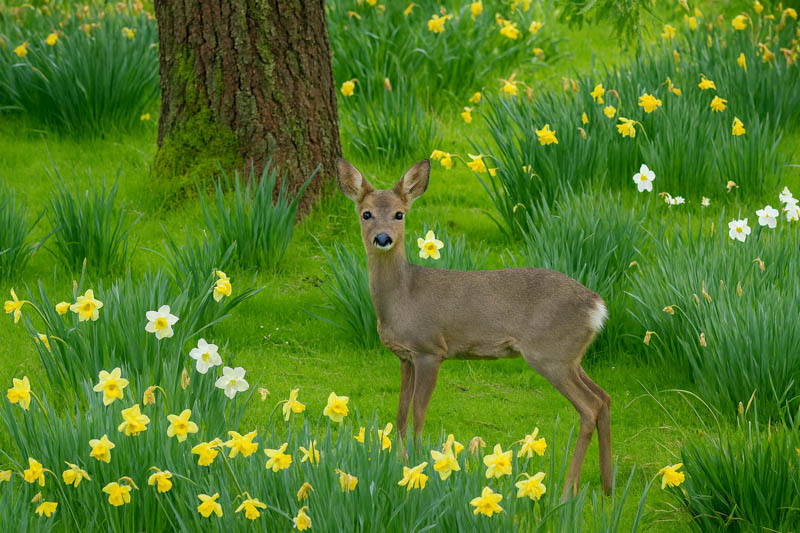
You do not need to remove deer to protect your garden. The aim is to make your beds feel like too much effort for too little reward. Layer a few tactics and keep them fresh.
Fencing is the most reliable long-term tool. An 8-foot fence is the practical standard to discourage jumping for broad protection. In some layouts, a shorter double fence can confuse depth perception. Whatever you choose, install it securely and close gaps near gates or grade changes. Adding flags or streamers helps deer see and avoid collisions.
Repellents work best if you start early, focus on entry edges, reapply after rain, and rotate products so deer do not adapt.
Always follow the label. Switch formulas every 2–3 weeks during high pressure to keep results strong.
Pro tip: Target repellent to entry edges and fresh growth, and reapply after rain or irrigation.
Great for breaking new habits or covering high-risk nights. Move devices often and pair them with scent or taste repellents so deer do not learn the pattern.
Thoughtful plant choice is your quiet superpower. While nothing is truly deer-proof, many plants are rarely targeted because of fragrance, texture, or chemistry. Use these to build a living perimeter, then hide any favorites inside that tougher ring.
Use fragrance as a shield near entry points. These aromas can mask the scent of your tastier plants:
One last reminder: even less palatable plants can be sampled in hard seasons. Some are toxic to pets or people, so research and site them sensibly before planting.
A tidy garden is harder to snack in. Removing easy temptations and clearing clutter supports every other tactic you use.
For layout inspiration and real-world plant pairings, explore these collections:
Deer don’t choose plants by looks—they choose by taste, texture, and smell. They prefer soft, juicy, mild-tasting plants with high moisture. They avoid plants that are bitter, toxic, heavily scented, prickly, fuzzy, or tough.
No plant is 100% deer-proof. A starving or desperate deer may try almost anything.
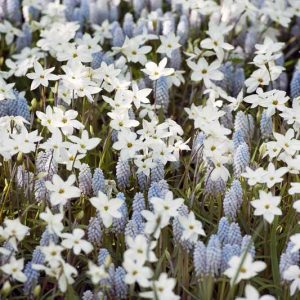
However, some plants are rarely eaten, such as daffodils, alliums, lavender, rosemary, Russian sage, hellebores, barberry, and boxwood.
Deer pressure is highest in early spring (when food is scarce), during summer drought, and in fall (when deer bulk up for winter).
Winter browsing also increases when snow covers natural food.
Yes—unfortunately. Deer do not always recognize toxins before tasting. They often take a bite and spit it out, but that one bite can still damage or kill a plant.
Use a layered defense:
Plant deer-resistant varieties around the edge
Use temporary cages or netting on new growth
Apply repellents and rotate them every few weeks
Plant favorites closer to your house
Add motion-activated sprinklers or lights in problem zones
A tall, well-installed fence is the most reliable solution—ideally 8 feet or more.
If fencing isn’t possible, combining repellents, plant selection, layout tricks, and scare devices gives the best long-term results.
No. Deer are most active at dawn and dusk, but in areas where they feel safe (like suburbs), they may browse any time of day or night.
They often go for buds and new shoots first because they are more nutritious and tender.
They may leave larger leaves behind but still weaken the plant by removing growing tips.
Yes. Surrounding tasty plants with aromatic, toxic, fuzzy, or spiny plants can discourage browsing. This “living fence” method forces deer to work harder and often convinces them to move on.
Absolutely. Deer have strong spatial memory. If your garden is easy food, they will return night after night and year after year. That’s why breaking the pattern early is important.
Start with a backbone of proven deer-resistant plants, group them in bold drifts, mix in ornamental grasses for movement and texture, and protect vulnerable plants until established. Add repellents or barriers the first season to “train” the herd.
Wako Megumi, Shutterstock
Create a membership account to save your garden designs and to view them on any device.
Becoming a contributing member of Gardenia is easy and can be done in just a few minutes. If you provide us with your name, email address and the payment of a modest $25 annual membership fee, you will become a full member, enabling you to design and save up to 25 of your garden design ideas.
Join now and start creating your dream garden!
Create a membership account to save your garden designs and to view them on any device.
Becoming a contributing member of Gardenia is easy and can be done in just a few minutes. If you provide us with your name, email address and the payment of a modest $25 annual membership fee, you will become a full member, enabling you to design and save up to 25 of your garden design ideas.
Join now and start creating your dream garden!