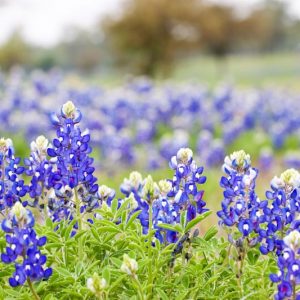
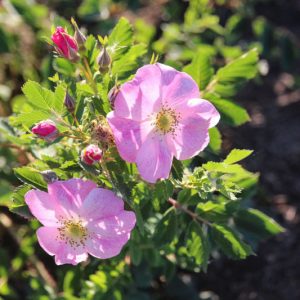
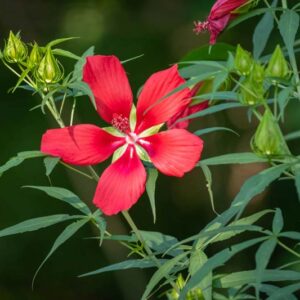
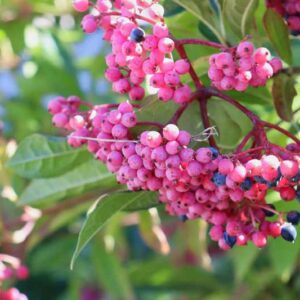
Learn what native plants are, why they matter for biodiversity, water conservation, and climate resilience, and how to use them to create beautiful, sustainable gardens.
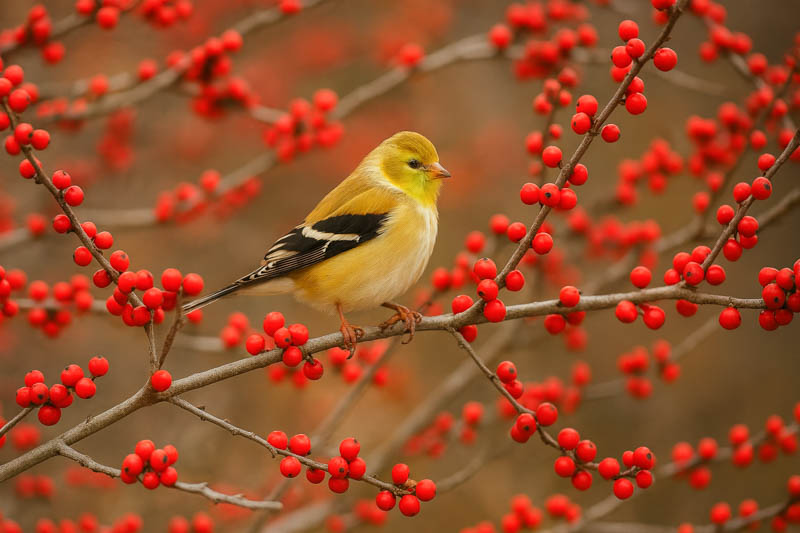


If you’ve ever wished your garden were easier to care for, kinder to wildlife, and better adapted to your climate, native plants are your secret allies. These locally evolved species slip naturally into place, turning ordinary beds and borders into vibrant, resilient, life-filled landscapes.
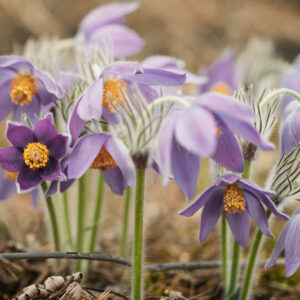
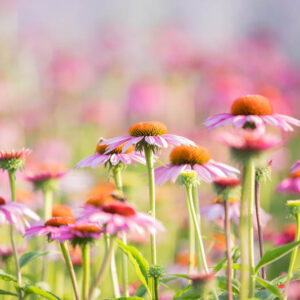
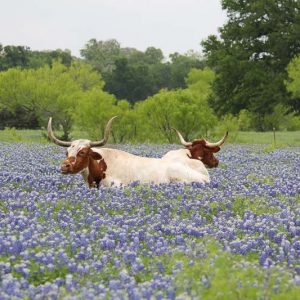
Native plants are species that have evolved naturally in a specific region over thousands of years, adapting to local climate, soil, wildlife, and ecological rhythms. Because they “belong” to the area, they often need less water, less maintenance, and offer far greater benefits to pollinators, birds, and biodiversity.
In this guide, you’ll learn what these plants actually are, why they matter, how to choose them, and how to use them to build healthier, more resilient gardens.
At its simplest, a native plant is a species that naturally occurs in a region and has done so for thousands of years—long before global trade began moving plants around the world. These plants developed side-by-side with local insects, birds, climate patterns, soil types, and ecological cycles.
In other words, they aren’t just plants that happen to grow here. They’re part of the original community.
Defined term: Native plant — a species that originated and evolved within a specific geographic region.
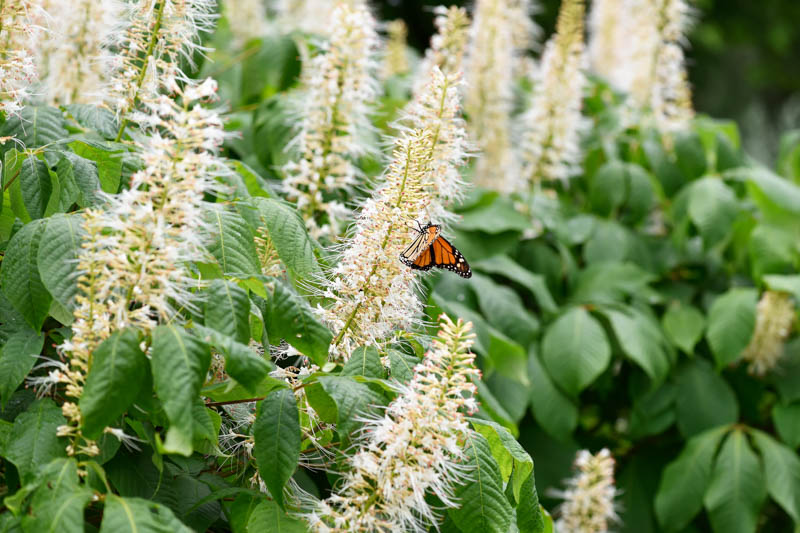
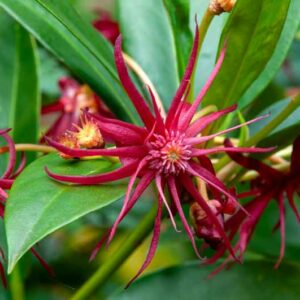
These regionally adapted plants do far more than look pretty. They’re the backbone of healthy ecosystems—and just a handful of them can transform a garden into a thriving wildlife haven.
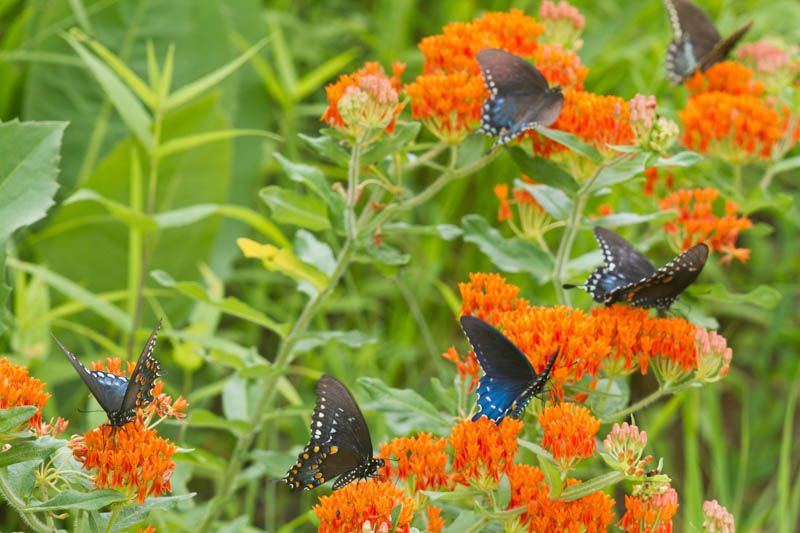
Choosing the right species is surprisingly straightforward: match them to your region, site conditions, and garden goals.
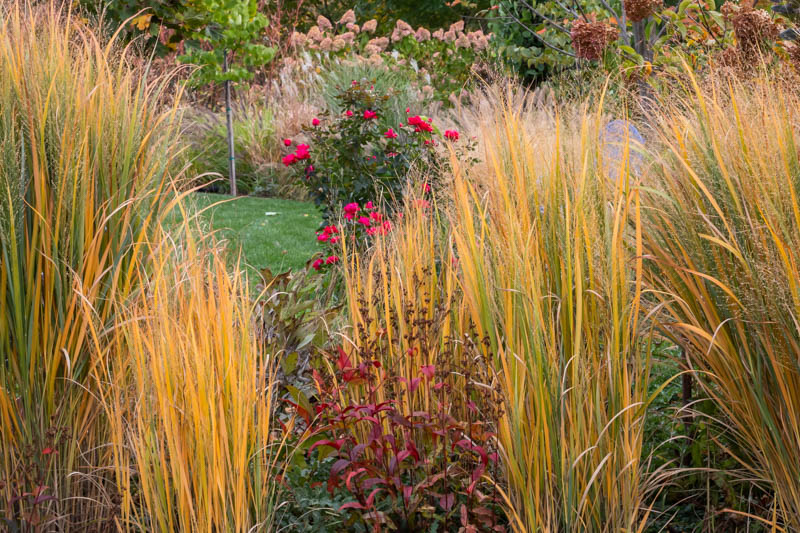
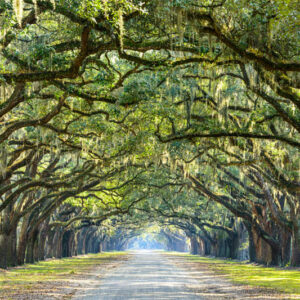
Plants that evolved locally come in every shape and size—from towering Oaks to tiny groundcovers. A layered mix will create a visually rich, wildlife-friendly landscape.
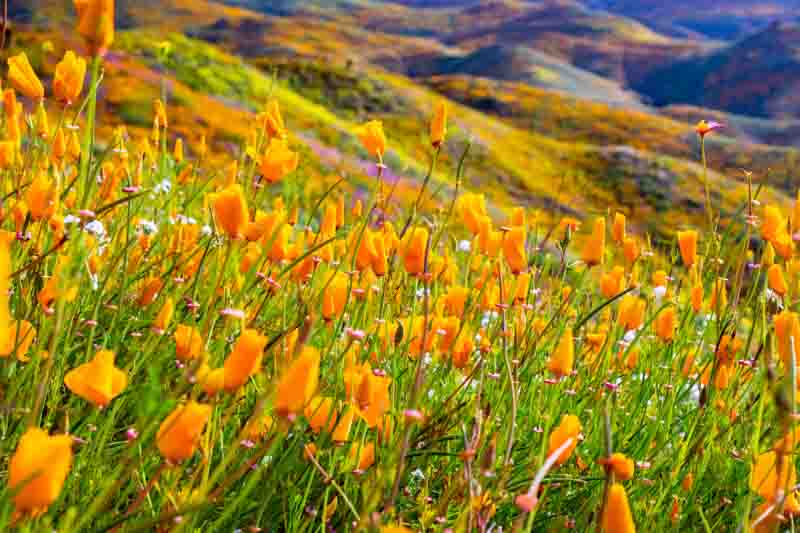
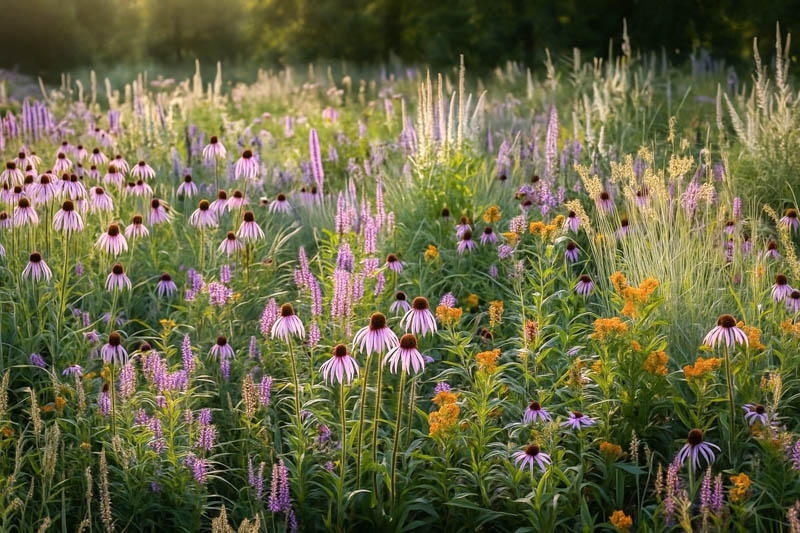
A native plant is a species that occurs naturally in a specific region or ecosystem without human introduction. Native plants evolved alongside local climate, soils, wildlife, and ecological processes, making them well adapted to their environment and important for supporting native biodiversity.
Native plants support local ecosystems by providing food, shelter, and breeding habitat for native insects, birds, mammals, and pollinators. They also help maintain soil health, water quality, and ecological stability. Because they are adapted to local conditions, they often require fewer resources—such as water, fertilizers, and pesticides—than nonnative species.
Many native plants are easier to grow because they are naturally suited to local climate and soil conditions. They usually need less supplemental water and fewer chemical inputs once established. However, optimal performance still depends on planting the right species for the site’s specific light, moisture, and soil characteristics.
Native plants generally require less irrigation once established because they are adapted to local rainfall patterns. However, some natives come from naturally wet habitats and still need consistent moisture. The water needs of a native plant depend on its ecological origin rather than its “native” status alone.
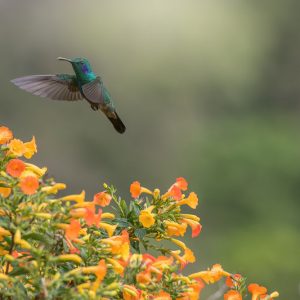
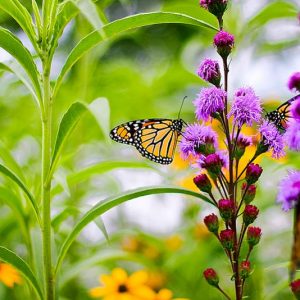
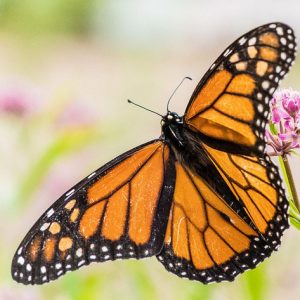
Yes. Native plants provide nectar, pollen, and larval host material that native pollinators evolved to use. Many bees, butterflies, and moths have strong preferences or dependencies on particular native plant species. Planting a diversity of native species significantly increases pollinator habitat and forage availability.
Native plants are generally more beneficial for wildlife because they supply the specific food and habitat resources that local species rely on. For example, many caterpillars, which are essential bird food, can only feed on certain native plants. Native berries, seeds, and insects also form critical parts of local food webs.
Many native plants help reduce erosion by developing deep or fibrous root systems that stabilize soil, increase water infiltration, and reduce runoff. Native grasses, shrubs, and riparian species are especially effective in erosion control and watershed protection.
Native plants can be styled to fit both formal and informal landscapes. While some species have a naturally loose or meadow-like appearance, others are compact, tidy, and suitable for structured designs. Appropriate species selection and maintenance can create anything from manicured borders to naturalized habitats.
Not all native plants are low maintenance. Some may spread aggressively, need periodic pruning, or require particular soil or moisture conditions. However, when matched to an appropriate site, many natives require less long-term care than nonnative ornamental plants.
Native plants are unlikely to become invasive within their natural range because they evolved within the existing ecological community. However, some vigorous native species can spread aggressively in gardens or disturbed areas if conditions favor rapid growth. Proper selection and management reduce this risk.
Yes. Many gardeners blend native and nonnative plants successfully. However, prioritizing native species increases ecological value. When mixing, avoid nonnative species known to be invasive or disruptive to local ecosystems. Choose ornamentals that complement rather than outcompete native plants.
Select species that match your site’s sun exposure, soil type, drainage, moisture levels, and climate zone. Using local ecotype plants—those grown from seed collected in your region—often provides the best ecological fit. Regional native plant guides and conservation groups are reliable resources for plant selection.
Landscapes featuring native plants can boost property value by reducing maintenance and water costs, attracting pollinators and wildlife, and improving visual appeal. Growing awareness of sustainable landscaping practices has also increased demand for native plant gardens in many regions.
Native plants support climate resilience by stabilizing soil, reducing erosion, improving water infiltration, and supporting diverse ecosystems. Native trees and perennial plants also store carbon in roots and soil. While not a standalone solution, native landscaping contributes meaningfully to climate adaptation and mitigation.
Updated: December 2025 • Reviewed by Gardenia Editors
| Native Plants | Alabama, Alaska, Arizona, Arkansas, California, Colorado, Connecticut, Delaware, Florida, Georgia, Idaho, Illinois, Indiana, Iowa, Kansas, Kentucky, Louisiana, Maine, Maryland, Massachusetts, Michigan, Midwest, Minnesota, Mississippi, Missouri, Montana, Nebraska, Nevada, New Hampshire, New Jersey, New Mexico, New York, North Carolina, North Dakota, Northeast, Ohio, Oklahoma, Oregon, Pacific Northwest, Pennsylvania, Rhode Island, Rocky Mountains, South Carolina, South Dakota, Southeast, Southwest, Tennessee, Texas, United States, Utah, Vermont, Virginia, Washington, West Virginia, Wisconsin, Wyoming |
|---|---|
| Toxic to Humans | No known toxicity |
| Toxic to Cats | No known toxicity |
| Toxic to Dogs | No known toxicity |
| Toxic to Horses | No known toxicity |
| Native Plants | Alabama, Alaska, Arizona, Arkansas, California, Colorado, Connecticut, Delaware, Florida, Georgia, Idaho, Illinois, Indiana, Iowa, Kansas, Kentucky, Louisiana, Maine, Maryland, Massachusetts, Michigan, Midwest, Minnesota, Mississippi, Missouri, Montana, Nebraska, Nevada, New Hampshire, New Jersey, New Mexico, New York, North Carolina, North Dakota, Northeast, Ohio, Oklahoma, Oregon, Pacific Northwest, Pennsylvania, Rhode Island, Rocky Mountains, South Carolina, South Dakota, Southeast, Southwest, Tennessee, Texas, United States, Utah, Vermont, Virginia, Washington, West Virginia, Wisconsin, Wyoming |
|---|---|
| Toxic to Humans | No known toxicity |
| Toxic to Cats | No known toxicity |
| Toxic to Dogs | No known toxicity |
| Toxic to Horses | No known toxicity |
Create a membership account to save your garden designs and to view them on any device.
Becoming a contributing member of Gardenia is easy and can be done in just a few minutes. If you provide us with your name, email address and the payment of a modest $25 annual membership fee, you will become a full member, enabling you to design and save up to 25 of your garden design ideas.
Join now and start creating your dream garden!
Create a membership account to save your garden designs and to view them on any device.
Becoming a contributing member of Gardenia is easy and can be done in just a few minutes. If you provide us with your name, email address and the payment of a modest $25 annual membership fee, you will become a full member, enabling you to design and save up to 25 of your garden design ideas.
Join now and start creating your dream garden!