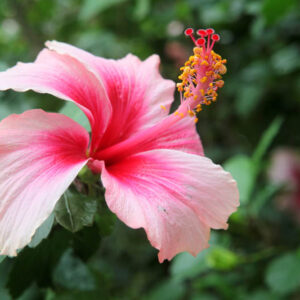
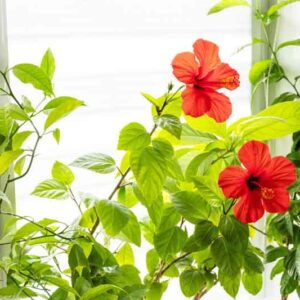
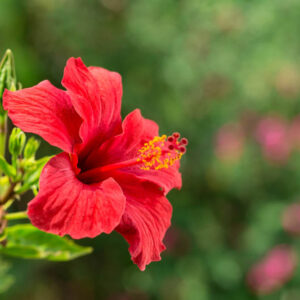
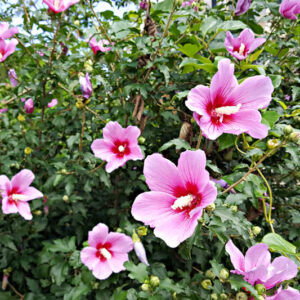
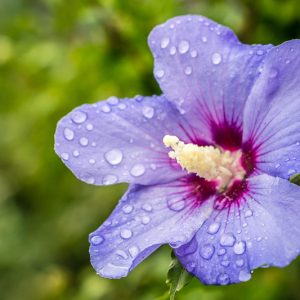
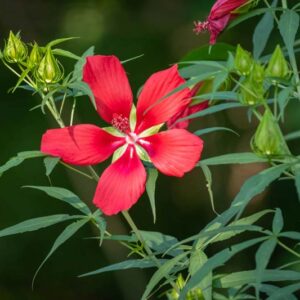
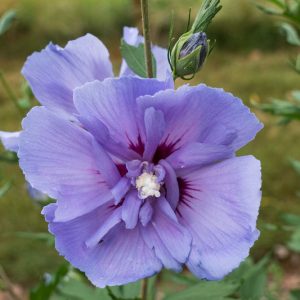
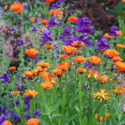
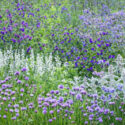
Hibiscus types include tropical hibiscus, hardy hibiscus, annual and perennial hibiscus
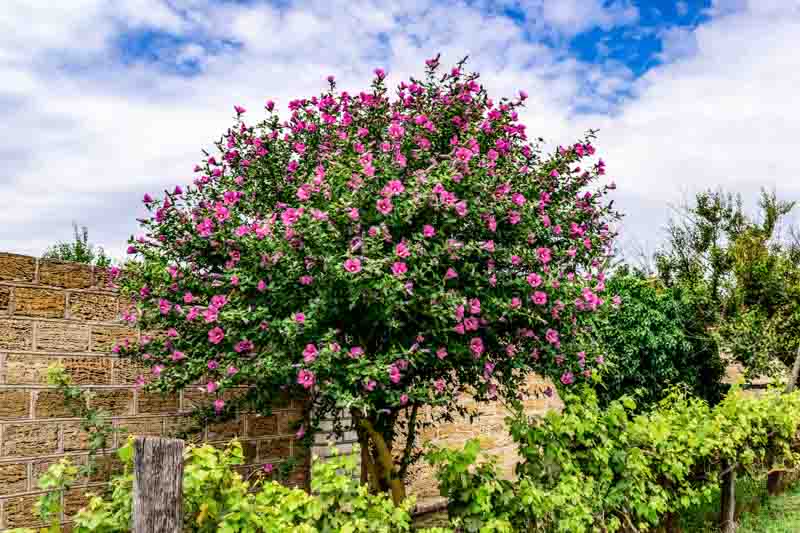


Summary: Hibiscus spans three popular groups for gardeners: Hardy Hibiscus (herbaceous perennials such as H. moscheutos and H. coccineus) that die back in winter yet return with dinner-plate blooms; Tropical Hibiscus (H. rosa-sinensis)—evergreen shrubs that thrive only in frost-free zones or containers you can overwinter indoors; and Rose of Sharon (H. syriacus), a woody, cold-tolerant flowering shrub for hedges and mixed borders. In short: pick hardy types for dramatic mid-to-late-summer flowers in temperate beds, tropical for near-year-round color on patios in warm climates (or as a houseplant), and Rose of Sharon when you want a tough, long-blooming, low-maintenance shrub.
| Categories | Hardy Hibiscus (Rose Mallows), Tropical Hibiscus, Rose of Sharon (shrub) |
|---|---|
| Hardiness (by type) | Hardy: USDA 4–9 (species dependent) • Tropical: USDA 10–12 (frost-free) • Rose of Sharon: USDA 5–8 |
| Bloom Window | Hardy: mid–late summer to fall • Tropical: nearly year-round in warm zones; summer in containers • Rose of Sharon: summer to early fall |
| Sun & Exposure | Best in full sun; light afternoon shade in hot summers improves performance |
| Water & Soil | Hardy: evenly moist, rich soil (tolerates wet sites) • Tropical: well-drained, consistently moist; high fertility • Rose of Sharon: average soil; drought-tolerant once established |
| Growth Habit | Hardy: herbaceous perennials (die back in winter) • Tropical: evergreen shrubs • Rose of Sharon: deciduous shrub/small tree |
| Best Uses | Hardy borders, rain gardens; patio containers (tropical); flowering hedges/screens (Rose of Sharon) |
| Examples | Hardy: H. moscheutos, H. coccineus, H. lasiocarpos • Tropical: H. rosa-sinensis, H. schizopetalus • Shrub: H. syriacus |
| Pests & Problems | Aphids, whiteflies, Japanese beetles; bud drop from heat/drought; yellow leaves from overwatering or low light |
| Toxicity (Pets) | Generally considered non-toxic (incl. H. syriacus) per ASPCA; ingestion of any plant may cause mild GI upset. |
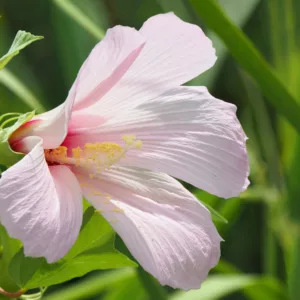
Hibiscus plants, members of the mallow family, Malvaceae, are renowned for their strikingly large, colorful blooms. Widely appreciated for their ornamental value, they come in various types suited to different climates and gardening needs. From hardy varieties that withstand cold winters to tropical types that thrive in warm environments, hibiscus plants add vibrant beauty to gardens, patios, and indoor spaces.
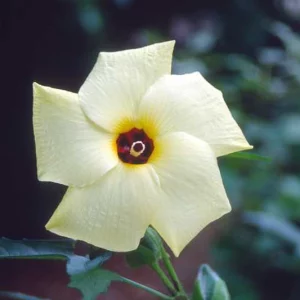
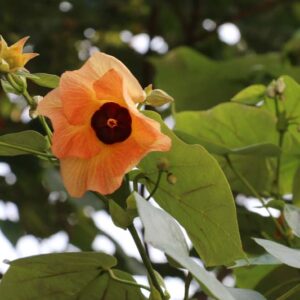
Hibiscus plants fall into two main types: hardy and tropical.
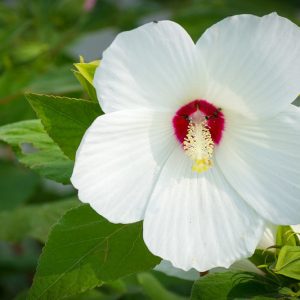
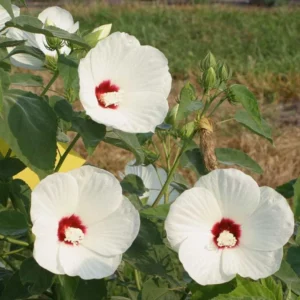
Hardy Hibiscus can endure severe cold, withstanding temperatures as low as -30°F (-34°C). In colder climates, these plants may die back to the ground in winter but will regrow in spring to provide their showy summer blooms. Hardy hibiscus can be grown in USDA Hardiness Zones 4-9, depending on the species.
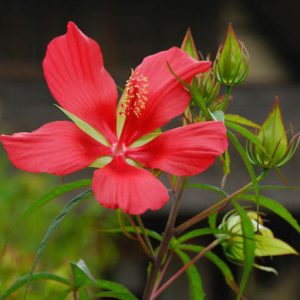
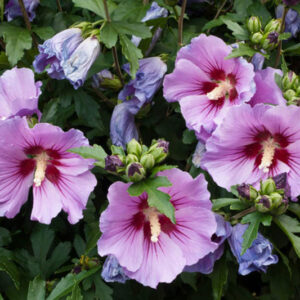
Popular hardy varieties include Hibiscus moscheutos (Hardy Hibiscus or Rose Mallow), Hibiscus coccineus (Scarlet Rose Mallow or Texas Star Hibiscus), and Hibiscus syriacus (Rose of Sharon), along with their hybrids.
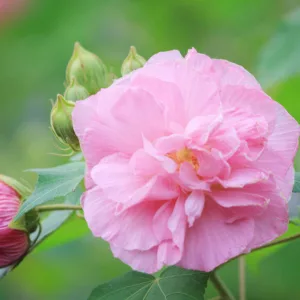
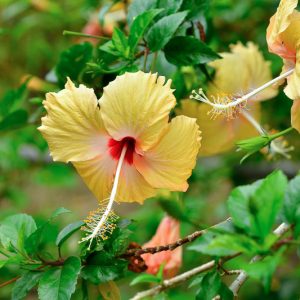
Tropical Hibiscus thrive in warm climates and are not frost-tolerant. They are best suited for USDA Hardiness Zones 10 to 12 and require consistently warm temperatures. In cooler regions, tropical hibiscus are typically grown as annuals outdoors or as houseplant indoors. They bloom year-round in their native habitats but may need special care indoors in cooler climates.
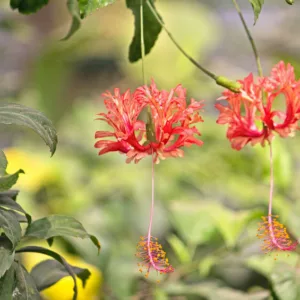
Popular tropical species include Hibiscus rosa-sinensis (Chinese Hibiscus or Tropical Hibiscus) and Hibiscus schizopetalus (Fringed Hibiscus or Coral Hibiscus).
Both hardy and tropical hibiscus can be perennial, depending on the climate.
Hardy Hibiscus are true perennials, capable of enduring winter conditions in their hardiness zones and returning each season. They are ideal for garden beds, providing robust blooms year after year.
Tropical Hibiscus generally cannot survive frost and thus do not naturally endure winter in colder climates. These varieties complete their life cycle within a single growing season and must be replanted each year or brought indoors during winter. In warmer climates with temperatures between 60-95°F (15-35°C), tropical hibiscus can be perennial, potentially going dormant in winter but growing year-round with proper care. They are typically grown as hibiscus trees in warm climates and as annuals in colder regions.
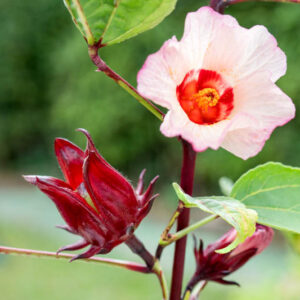
Hibiscus species often have multiple common names, leading to confusion. This glossary aims to clarify these names, providing a clear reference for understanding the various monikers used for different hibiscus plants. By consulting this list, you can more easily identify and differentiate between hibiscus species and their common names, ensuring accurate communication and knowledge about these vibrant plants.
| Hardiness |
4 - 12 |
|---|---|
| Plant Type | Annuals, Perennials, Shrubs |
| Plant Family | Malvaceae |
| Genus | Hibiscus |
| Characteristics | Showy |
| Toxic to Humans | No known toxicity |
| Toxic to Cats | No known toxicity |
| Toxic to Dogs | No known toxicity |
| Toxic to Horses | No known toxicity |
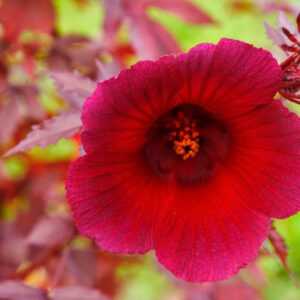

What’s the difference between hardy and tropical hibiscus?
Hardy hibiscus (rose mallows) are herbaceous perennials that die back in winter and return each year in USDA zones roughly 4–9. Tropical hibiscus (H. rosa-sinensis) are evergreen shrubs for frost-free zones (10–12) or containers you can bring indoors before frost. Rose of Sharon (H. syriacus) is a cold-tolerant, woody shrub for zones ~5–9.
Will tropical hibiscus survive winter outdoors?
Only in frost-free climates (about USDA 10–12). In colder zones, grow in containers and overwinter indoors in bright light, watering sparingly while growth slows.
How much sun do hibiscus need?
All types bloom best in full sun (6–8+ hours). In very hot summers, light afternoon shade helps reduce stress and bud drop.
When should I prune hibiscus?
Prune tropical hibiscus lightly through the growing season to shape. For Rose of Sharon, prune in late winter or early spring (it flowers on new wood). Hardy hibiscus is cut to the ground after frost.
Why isn’t my hibiscus blooming?
Common causes: too little sun, over/under-watering, low fertility, or pruning at the wrong time (for Rose of Sharon). Heat or drought can also cause bud drop.
Container or in-ground—what’s best?
Hardy hibiscus excel in beds with rich, moist soil. Tropical hibiscus shine in large containers you can move/frost-protect. Rose of Sharon is ideal as a hedge, screen, or specimen shrub.
Are hibiscus toxic to pets?
According to the ASPCA, hibiscus (including Rose of Sharon, H. syriacus) is generally non-toxic to cats and dogs. Still, any plant ingestion can cause mild stomach upset—monitor pets that nibble plants.
Do I need to deadhead hibiscus?
Not required. Tropical and hardy blooms are short-lived but quickly replaced. Light cleanup of spent flowers keeps plants tidy and can discourage pests.
| Hardiness |
4 - 12 |
|---|---|
| Plant Type | Annuals, Perennials, Shrubs |
| Plant Family | Malvaceae |
| Genus | Hibiscus |
| Characteristics | Showy |
| Toxic to Humans | No known toxicity |
| Toxic to Cats | No known toxicity |
| Toxic to Dogs | No known toxicity |
| Toxic to Horses | No known toxicity |
Create a membership account to save your garden designs and to view them on any device.
Becoming a contributing member of Gardenia is easy and can be done in just a few minutes. If you provide us with your name, email address and the payment of a modest $25 annual membership fee, you will become a full member, enabling you to design and save up to 25 of your garden design ideas.
Join now and start creating your dream garden!
Create a membership account to save your garden designs and to view them on any device.
Becoming a contributing member of Gardenia is easy and can be done in just a few minutes. If you provide us with your name, email address and the payment of a modest $25 annual membership fee, you will become a full member, enabling you to design and save up to 25 of your garden design ideas.
Join now and start creating your dream garden!