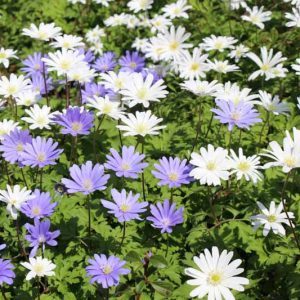
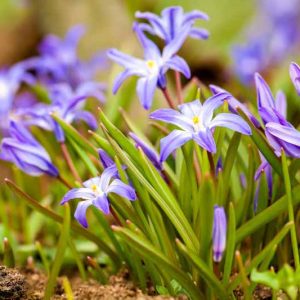
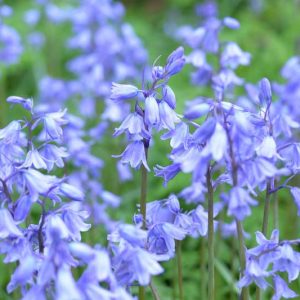
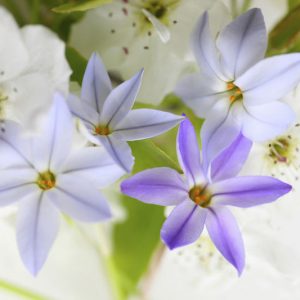
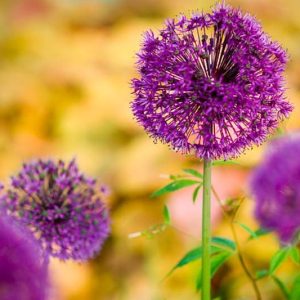
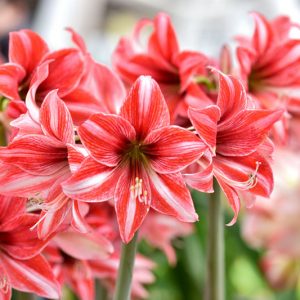
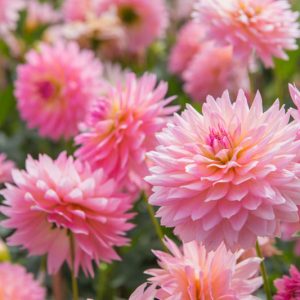
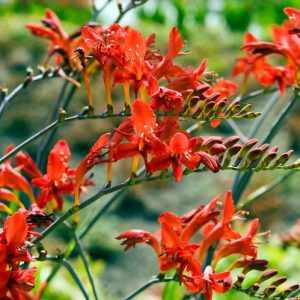
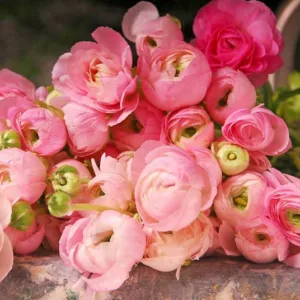
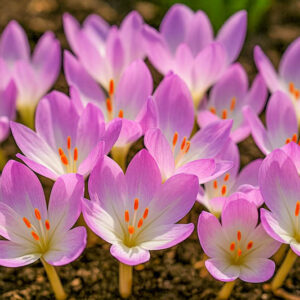
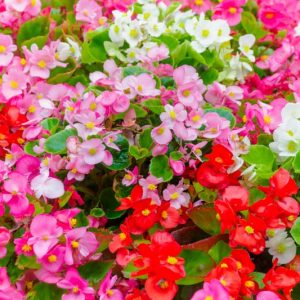
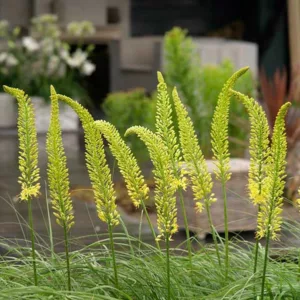
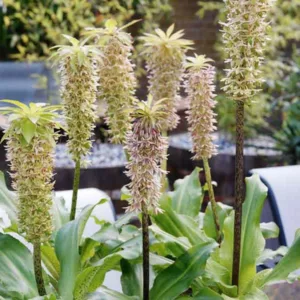
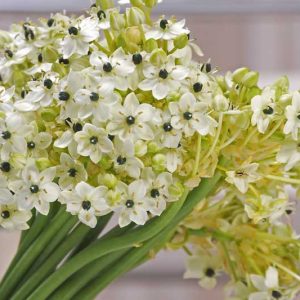
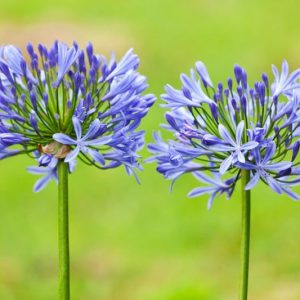
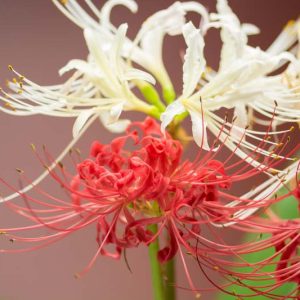
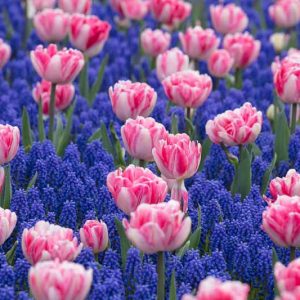
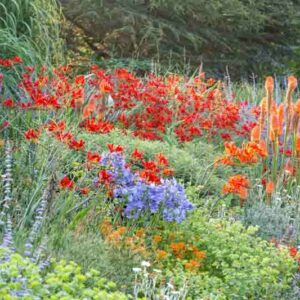
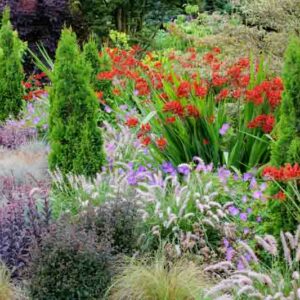
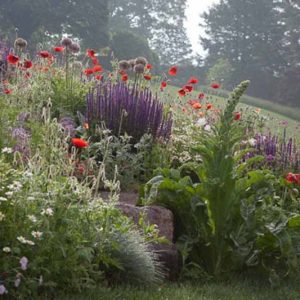
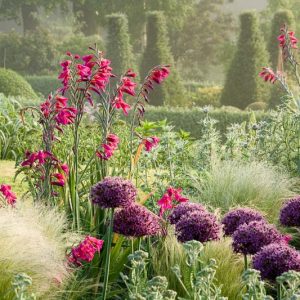
Unlock a world of vibrant colors and captivating scents with flower bulbs, the effortless way to add beauty and elegance to your garden every season!
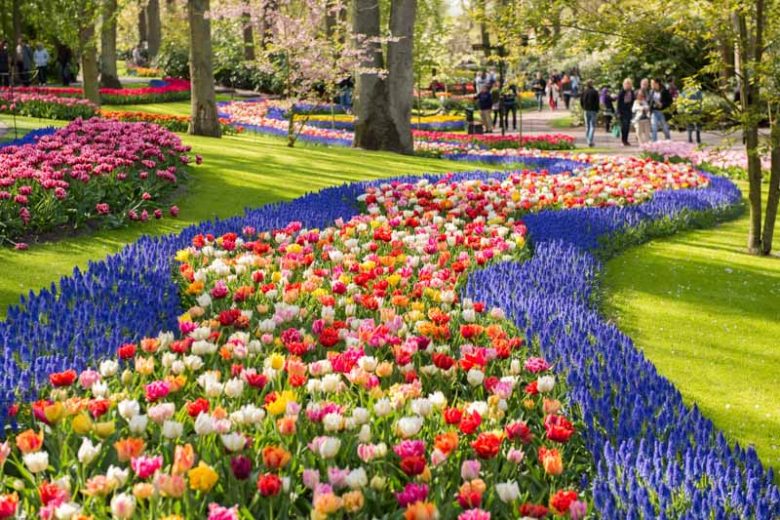


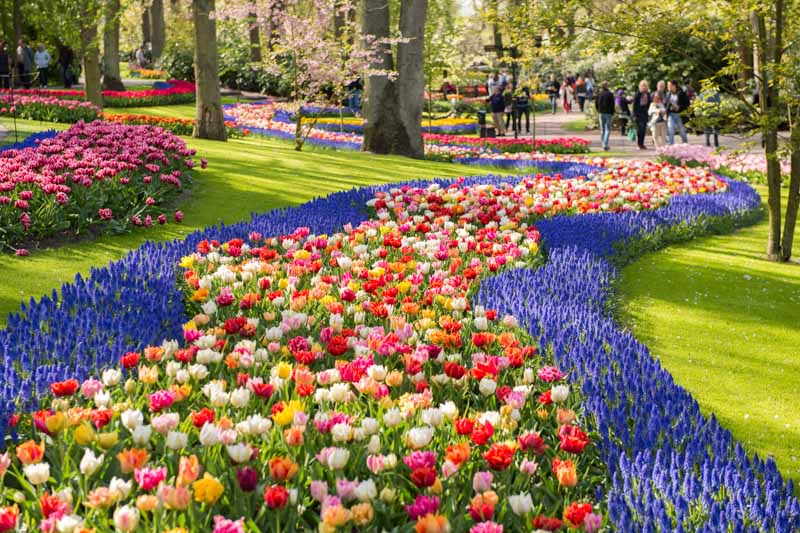
Summary: Flower bulbs are underground storage organs that grow into some of the most iconic garden plants. They fall into two main categories: spring-flowering bulbs (like tulips, daffodils, hyacinths, crocus, alliums) planted in fall, and summer-flowering bulbs (like lilies, gladiolus, dahlias, cannas) planted in spring. Many return for years if given the right conditions.
Why bulbs matter: They provide seasonal waves of color, fragrance, and structure in gardens and containers while supporting pollinators.
| Spring-Flowering Bulbs | Tulips, daffodils, crocus, hyacinths, muscari, alliums — planted in fall, bloom early to late spring. |
|---|---|
| Summer-Flowering Bulbs | Lilies, gladiolus, dahlias, cannas, begonias, caladiums — planted in spring after frost danger passes. |
| Light & Exposure | Most bulbs prefer full sun (≥6 hrs); some, like caladiums and certain lilies, thrive in partial shade. |
| Soil & Drainage | Well-drained soil is critical. Bulbs rot in soggy ground. Amend clay with grit/compost; containers must drain well. |
| Planting Time | Fall for spring bulbs (before ground freezes). Spring for summer bulbs (after frost risk is gone). |
| Wildlife & Pollinators | Crocus, alliums, and lilies attract bees and butterflies; daffodils are generally avoided by deer and rodents. |
| Pet Safety | Tulips, daffodils, and hyacinths are toxic to cats/dogs; store and plant bulbs out of reach of pets. |
| Design Tips | Plant in drifts or clusters of 10–25 for impact; layer bulbs by bloom time and depth (“lasagna planting”) for months of flowers. |
|---|---|
| Maintenance | Deadhead spent flowers; allow foliage to yellow and die back naturally to recharge bulbs. Divide overcrowded clumps every few years. |
| Container Growing | Ideal for tulips, hyacinths, lilies, begonias. Use a gritty potting mix, ensure drainage, and protect pots from hard frost. |
Flower bulbs are specialized underground storage structures that contain the plant’s embryo and the nutrients required for its growth. These structures allow the plant to survive harsh conditions and periods of dormancy, sprouting and blooming when the environmental conditions become favorable. Flowering bulbs often produce vibrant and beautiful flowers, making them popular among gardeners.
The term “flowering bulbs” typically refers to plants that grow from true bulbs, corms, tubers, or rhizomes. All of these structures serve a similar purpose, but their structure and growth patterns can differ:
True bulbs (e.g., tulips, daffodils, hyacinths): These consist of a basal plate, fleshy scales or leaves, and a protective outer layer called the tunic. The basal plate is where the roots grow, while the fleshy scales store nutrients for the plant’s future growth.
Corms (e.g., gladiolus, crocus): These have a solid structure and store nutrients within their modified stem tissue. Corms are often mistaken for true bulbs but lack fleshy scales.
Tubers (e.g., dahlias, begonias): These are swollen stems or roots that store nutrients for the plant. Tubers do not have a protective outer layer and can have “eyes” or buds from which the plant grows.
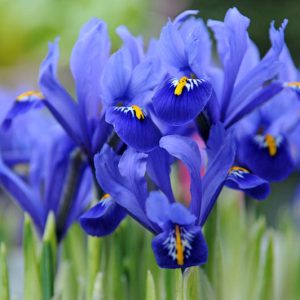
Rhizomes (e.g., irises, ginger): These are horizontal underground stems that produce roots and shoots at their nodes. Rhizomes spread out and can form large colonies of plants.
Flowering bulbs are often planted in the fall or early spring, depending on the species, and they produce blooms in the spring or summer. They add color and beauty to gardens, borders, containers, and naturalized areas.
| Plant Type | Bulbs |
|---|---|
| Genus | Agapanthus, Allium, Begonia, Caladium, Canna, Chionodoxa, Colchicum, Convallaria, Crocosmia, Crocus, Cyclamen, Dahlia, Freesia, Fritillaria, Galanthus, Gladiolus, Hippeastrum, Hyacinthus, Leucojum, Lilium, Muscari, Narcissus, Nerine, Ranunculus, Scilla, Tulipa, Zantedeschia |
| Toxic to Humans | No known toxicity |
| Toxic to Cats | No known toxicity |
| Toxic to Dogs | No known toxicity |
| Toxic to Horses | No known toxicity |
There are various types of flower bulbs that can be categorized based on their structures, such as true bulbs, corms, tubers, and rhizomes. Here are some examples of each category:
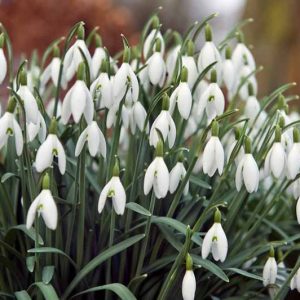
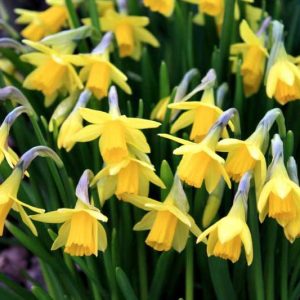
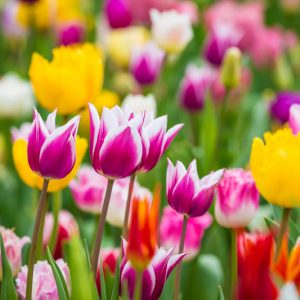
True bulbs: Alliums (Allium), Amaryllis (Hippeastrum), Daffodils (Narcissus), Hyacinths (Hyacinthus), Lilies (Lilium), Scilla (Scilla), Snowdrops (Galanthus), and Tulips (Tulipa).
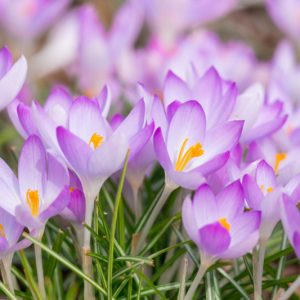
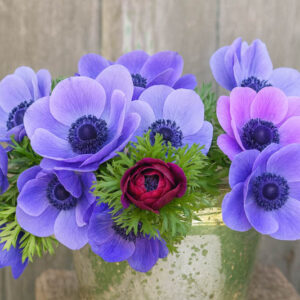
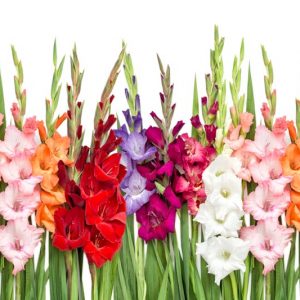
Corms: Acidanthera (Acidanthera), Anemones (Anemone), Crocuses (Crocus), Freesia (Freesia), Gladiolus (Gladiolus), and Ranunculus (Ranunculus)
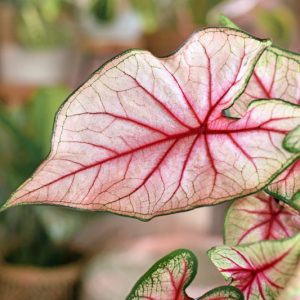
Tubers: Anemone (Anemone), Begonias (Begonia), Caladium (Caladium), Cyclamen (Cyclamen), and Dahlias (Dahlia)
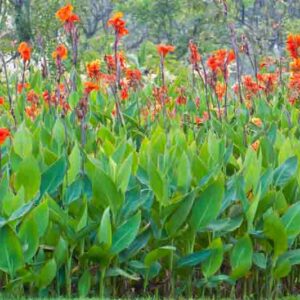
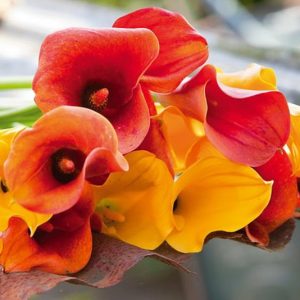
Rhizomes: Calla Lilies (Zantedeschia), Canna Lilies (Canna), Ginger (Zingiber officinale), Irises (Iris), Lily of the Valley (Convallaria majalis)
These are just a few examples of the many flowering bulb varieties available. Each type of bulb has its unique characteristics, blooming times, and growing requirements, making them suitable for various garden styles and conditions.
Growing flower bulbs offers numerous benefits for gardeners and landscapers. Here are some reasons why you should consider growing flower bulbs in your garden:
Variety: Flower bulbs come in a wide range of colors, shapes, and sizes, providing endless options for your garden design. You can create stunning displays with different combinations of flower bulbs.
Easy to grow: Most flower bulbs are low maintenance and relatively easy to grow. They generally require minimal care, making them perfect for both novice and experienced gardeners.
Succession of blooms: By planting various types of flower bulbs with different blooming times, you can enjoy a succession of blooms from early spring to late fall. This ensures that your garden remains colorful and attractive throughout the growing season.
Perennial nature: Many flowering bulbs are perennials, meaning they return year after year. Once planted, they can provide continuous blooms for several seasons with minimal effort.
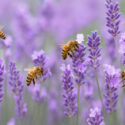
Attract pollinators: Flowering bulbs often produce nectar-rich flowers that attract pollinators like bees, butterflies, and hummingbirds, promoting a healthy ecosystem in your garden.
Naturalizing: Some bulbs, like daffodils and crocuses, can naturalize and spread over time, creating beautiful, low-maintenance drifts of color in your landscape.
Versatility: Flower bulbs can be grown in various settings, including borders, containers, rock gardens, and even naturalized in lawns. This versatility allows you to incorporate them into various garden designs and styles.
Forced blooms: Many bulbs, like amaryllis and paperwhite narcissus, can be forced to bloom indoors during the winter months, adding a touch of color and fragrance to your home when the outdoor garden is dormant.
Great for cut flowers: Many flower bulbs produce excellent cut flowers, allowing you to create beautiful, fresh bouquets for your home or to share with friends and family.
By incorporating flower bulbs into your garden, you can enjoy these benefits and create an attractive, dynamic landscape that provides color, interest, and beauty throughout the growing season.
Designing a garden with flower bulbs can create a stunning and dynamic landscape that offers continuous color throughout the growing season. Here are some tips for incorporating flower bulbs into your garden design:
Plan for succession: Choose bulbs with different blooming times to ensure a continuous display of color from early spring to late fall. Combine early bloomers like snowdrops and crocuses with mid-season tulips and daffodils, followed by late-season alliums and lilies.
Layer bulbs: Plant bulbs at different depths in the same planting hole to create a layered effect. For example, plant larger bulbs like tulips or daffodils deeper and then place smaller bulbs like crocuses or grape hyacinths above them. This technique maximizes space and creates a more dynamic display.
Mass plantings: Plant bulbs in large groups or drifts to create a strong visual impact. This approach works particularly well for naturalizing bulbs like daffodils, crocuses, and scilla, which can spread and create a carpet of color.
Color schemes: Consider coordinating the colors of your flower bulbs to create harmonious or contrasting color schemes. You can plant bulbs in complementary colors (e.g., purple and yellow) or in varying shades of the same color for a more subtle effect.
Mix with perennials and annuals: Combine bulbs with perennials and annuals to create a layered, textured garden. Bulbs can be planted among perennials like hostas, ferns, and daylilies to add seasonal interest or mixed with annuals like pansies and violas for a colorful spring display.
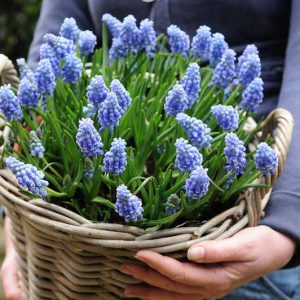
Use containers: Plant bulbs in containers for a versatile, portable display. This allows you to move the containers around your garden or patio as needed, and it’s an excellent option for those with limited space.
Plant along pathways and borders: Use flower bulbs to create visual interest along pathways and garden borders. This helps to guide the eye through your garden and adds a sense of depth and structure.
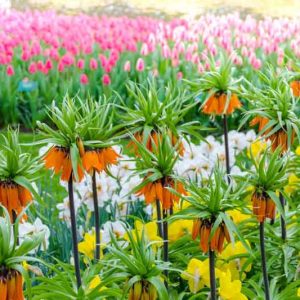
Use focal points: Plant taller, more dramatic bulbs like alliums, lilies, or tall daffodil varieties in focal areas of your garden to create a striking visual impact.
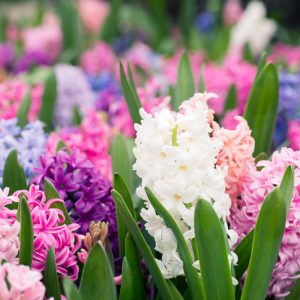
Plant for fragrance: Incorporate fragrant bulbs like hyacinths and lilies in seating areas or near entrances to add an extra sensory element to your garden.
Naturalize bulbs in lawns: Plant naturalizing bulbs like crocuses, snowdrops, or fritillaria in your lawn to create a meadow-like effect. This adds a touch of whimsy and charm to your landscape.
With careful planning and thoughtful design, you can create a stunning garden display using flower bulbs that will provide color and interest throughout the growing season.
Companion plants can enhance the beauty of your flower bulb display, provide support for taller bulbs, and help create a more diverse and balanced garden ecosystem. Here are some great companion plants to consider for your flower bulbs:
Perennials
Groundcovers
Annuals
Ornamental grasses
Shrubs
Other bulbs
Growing flower bulbs is a rewarding and straightforward process. Here are some helpful tips to ensure success:
Choose quality bulbs: Look for firm, healthy bulbs without signs of mold or damage. Bigger bulbs generally produce larger and more robust blooms.
Plant at the right time: Timing is crucial for bulb success. Spring-flowering bulbs (e.g., tulips, daffodils, and hyacinths) should be planted in the fall while summer-flowering bulbs (e.g., lilies, gladiolus, and dahlias) should be planted in the spring.
Plant at the proper depth: Plant bulbs at a depth of about two to three times their height. A general rule of thumb is to plant larger bulbs deeper and smaller bulbs closer to the surface.
Choose the right location: Most bulbs prefer a sunny to partially shaded location with well-draining soil. Some bulbs, like scilla and snowdrops, can tolerate more shade.
Prepare the soil: Amend the planting area with compost or well-rotted manure to improve soil fertility and drainage. A slow-release, balanced fertilizer can also be added at planting time to support strong root growth.
Plant bulbs with the pointed side up: The pointed end of the bulb should face upwards, as this is where the stem will emerge. If you’re unsure, plant the bulb on its side, and the stem will find its way to the surface.
Space bulbs appropriately: Space bulbs according to their mature size to prevent overcrowding and promote optimal growth. Generally, larger bulbs should be spaced farther apart, while smaller bulbs can be planted more closely together.
Water well after planting: Thoroughly water the bulbs after planting to help settle the soil and initiate root growth.
Mulch the planting area: Apply a layer of mulch, such as bark chips or straw, to help conserve moisture, regulate soil temperature, and suppress weeds.
Provide ongoing care: Keep the soil moderately moist during the growing season. After the bulbs have finished flowering, remove the spent blooms, but allow the foliage to remain until it dies back naturally. This process helps the bulb store energy for the following year’s growth.
Overwintering care: In colder climates, protect tender bulbs (e.g., dahlias, gladiolus, and canna) by digging them up in the fall, allowing them to dry, and storing them in a cool, dark place until spring.
By following these growing tips, you can enjoy beautiful and healthy blooms from your flower bulbs throughout the growing season.
When should I plant flower bulbs?
Spring-flowering bulbs (like tulips, daffodils, hyacinths) are planted in the fall, about 6–8 weeks before the ground freezes. Summer-flowering bulbs (like dahlias, gladiolus, lilies) are planted in spring, after the risk of frost has passed.
How deep should I plant bulbs?
A good rule of thumb is to plant bulbs 2–3 times as deep as the bulb’s height. For tulips and daffodils, this is usually 6–8 inches deep, while smaller bulbs like crocus may only need 3–4 inches.
Do flower bulbs come back every year?
Yes, many bulbs are perennials and return for several seasons (e.g., daffodils, alliums, crocus). Some tulips and hybrid bulbs are often treated as annuals because they don’t reliably rebloom in all climates.
Can flower bulbs grow in pots or containers?
Absolutely! Bulbs like tulips, hyacinths, lilies, begonias, and dahlias thrive in pots. Ensure good drainage, rich soil, and correct spacing. For spring bulbs, pots may need protection from freezing.
How do I store bulbs not planted right away?
Keep unplanted bulbs in a cool, dry, and dark place (40–50°F / 4–10°C). Avoid plastic bags that trap moisture. Summer bulbs (like dahlias and gladiolus) can be dug up after frost and stored indoors over winter.
Which flower bulbs are safe for pets?
Many bulbs (tulips, daffodils, hyacinths, lilies) are toxic to cats and dogs. Safer alternatives include pansies, violas, snapdragons, and sunflowers. Always keep bulbs out of pet reach.
How long do bulbs bloom?
Most bulbs bloom for 1–3 weeks, depending on the type and weather. To extend color, plant a mix of early-, mid-, and late-season bulbs.
Do I need to water bulbs after planting?
Yes, water bulbs thoroughly after planting to settle the soil and encourage root growth. After that, water only if the soil is dry — bulbs dislike sitting in soggy soil.
Can bulbs be planted in shade?
Most bulbs prefer full sun (6+ hours), but some tolerate partial shade. Good shade options include snowdrops, bluebells, lily-of-the-valley, and certain lilies.
How do I protect bulbs from animals like squirrels and deer?
Cover bulb beds with wire mesh or add sharp grit in planting holes. Deer-resistant bulbs include daffodils, alliums, and fritillarias.
Anton_Ivanov, Shutterstock
| Plant Type | Bulbs |
|---|---|
| Genus | Agapanthus, Allium, Begonia, Caladium, Canna, Chionodoxa, Colchicum, Convallaria, Crocosmia, Crocus, Cyclamen, Dahlia, Freesia, Fritillaria, Galanthus, Gladiolus, Hippeastrum, Hyacinthus, Leucojum, Lilium, Muscari, Narcissus, Nerine, Ranunculus, Scilla, Tulipa, Zantedeschia |
| Toxic to Humans | No known toxicity |
| Toxic to Cats | No known toxicity |
| Toxic to Dogs | No known toxicity |
| Toxic to Horses | No known toxicity |
Create a membership account to save your garden designs and to view them on any device.
Becoming a contributing member of Gardenia is easy and can be done in just a few minutes. If you provide us with your name, email address and the payment of a modest $25 annual membership fee, you will become a full member, enabling you to design and save up to 25 of your garden design ideas.
Join now and start creating your dream garden!
Create a membership account to save your garden designs and to view them on any device.
Becoming a contributing member of Gardenia is easy and can be done in just a few minutes. If you provide us with your name, email address and the payment of a modest $25 annual membership fee, you will become a full member, enabling you to design and save up to 25 of your garden design ideas.
Join now and start creating your dream garden!