Cherry Plum, Myrobalan Plum, Purpleleaf Plum, Purple-leafed Plum, Purple Cherry Plum, Ornamental Plum, Pissard Plum, Pissard's Cherry Plum, Flowering Plum, Prunus cerasifera 'Atropurpurea', Prunus pissardii, Prunus cerasifera var. atropurpurea
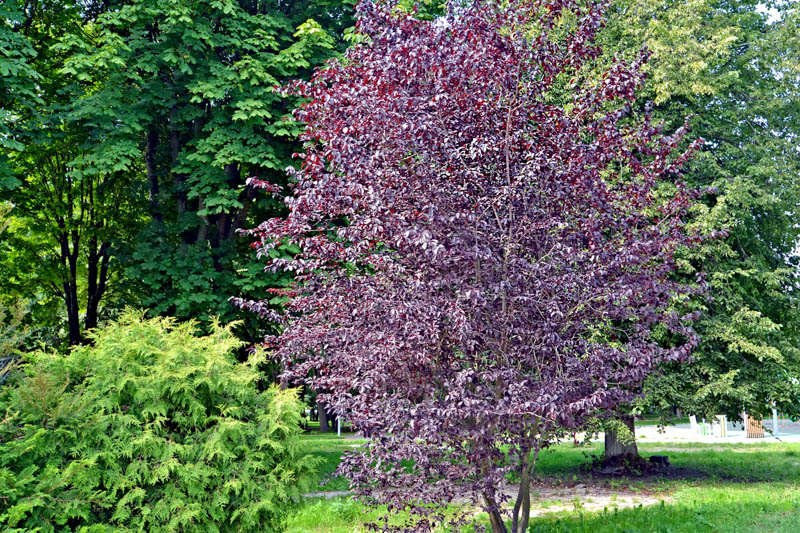
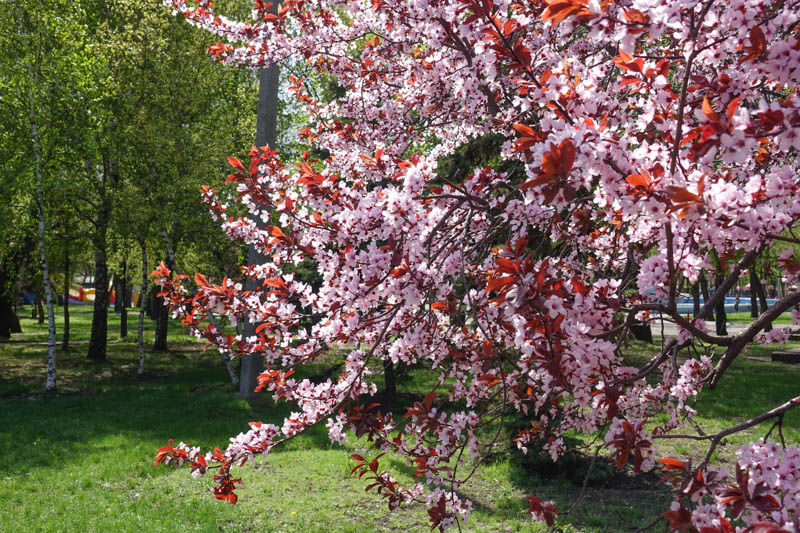


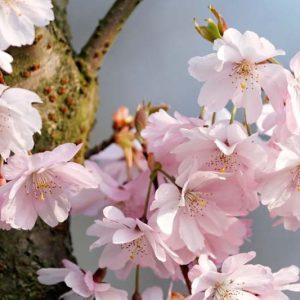
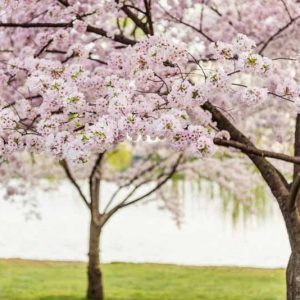
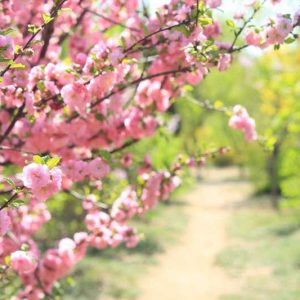
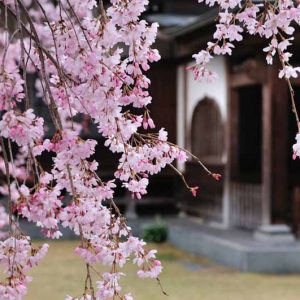
Summary: ‘Pissardii’ is the original purple-leaf cherry plum that launched a thousand burgundy borders. Expect a froth of light pink bloom in very early spring, then rich red-purple leaves that hold color through summer.
Also sold as: ‘Atropurpurea’ in older catalogs, sometimes listed as purple-leaf plum or flowering plum.
Look: Rounded to gently spreading crown with luminous spring flowers and saturated foliage that reads wine red in full sun.
Use: Specimen near an entry, repeating accents along a drive, seasonal wildlife value, and small-batch kitchen use from modest fruit set.
Vibe: Romantic and reliable with painterly color from first blossom to last leaf.
| Botanical Name | Prunus cerasifera ‘Pissardii’ |
|---|---|
| Family | Rosaceae |
| Common Names | Pissardii plum, purple-leaf plum, flowering plum, cherry plum ‘Pissardii’ |
| Plant Type and Habit | Deciduous small tree with rounded to spreading habit. Naturally fuller and broader than strictly columnar selections |
| Hardiness (USDA) | Zones 5 to 8 |
| Size | Commonly 15 to 25 ft tall and wide in landscapes with light annual pruning |
| Sun and Exposure | Full sun for richest leaf color. Accepts light shade with some midsummer fade |
| Soil | Average, well drained soil from sandy loam to clay loam. Neutral to slightly acidic pH is fine if drainage is decent |
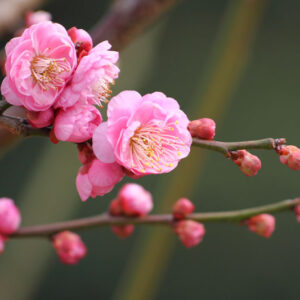
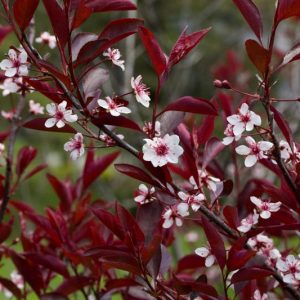
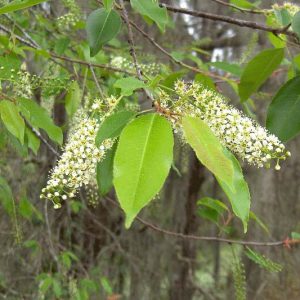
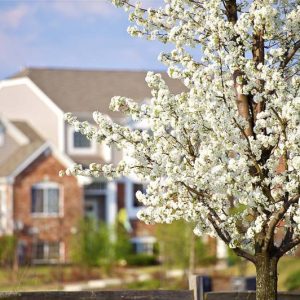
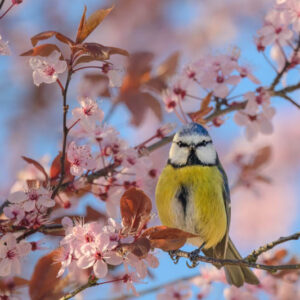
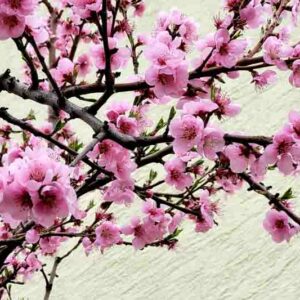
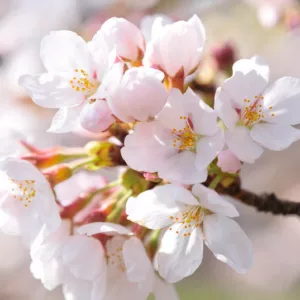
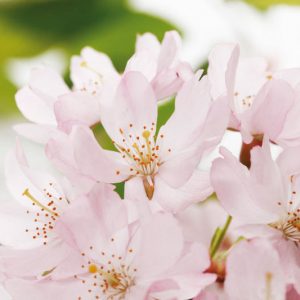
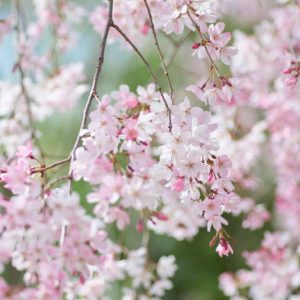
| Bloom and Leaf Color | Very early pale pink to near white single flowers on bare wood. Foliage emerges coppery red, deepens to red-purple, and can glow with bronze tones in fall |
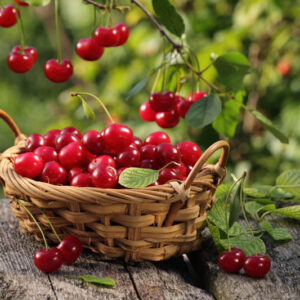
| Fruit | Small cherry sized plums in shades of red to burgundy. Often modest crops. Edible and popular with birds |
| Growth Rate and Lifespan | Moderate growth. Typical landscape lifespan 20 to 30 years with attentive care and good siting |
| Pollination | Often partially self fruitful. Fruit set and size improve with another cherry plum that overlaps bloom |
| Tolerance | Some drought tolerance after establishment. Low to moderate salt tolerance. Protect from reflected heat pockets without irrigation |
| Primary Uses | Specimen, lawn accent, mixed border anchor, repeating allee, wildlife support, small batch preserves where fruit ripens well |
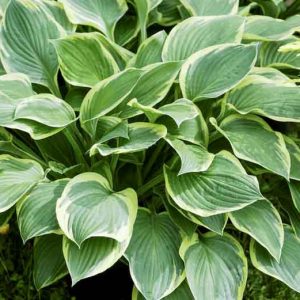
Meet ‘Pissardii’, the heirloom purple-leaf cherry plum that set the standard for dramatic foliage in small trees. Introduced to Europe in the late 1800s by Monsieur Pissard, it quickly became the benchmark among cherry plum trees because it performs. The bloom arrives in early spring. The leaves unfurl copper red and settle into wine purple that plays beautifully with silver artemisia, lime hostas, and golden grasses. It is a tree that gives a show without asking for a spotlight every week.
Notes: sizes reflect typical landscape outcomes with light annual pruning. Color depth improves in full sun and leaner soils.
| Cultivar | Habit & Size | Leaf Color | Best For | Standout Note |
|---|---|---|---|---|
| Krauter Vesuvius | Upright to oval, about 15–25 ft tall x 10–15 ft wide | Deep, even burgundy | Narrow streets, side yards, allees | Slim profile with reliable color |
| Thundercloud | Rounded, about 15–20 ft x 15–20 ft | Purple through the season | Front yards, lawn specimens | Balanced canopy and soft pink bloom |
| Nigra | Rounded to oval, about 15–20 ft x 15–20 ft | Very dark purple, nearly black in sun | High contrast borders, modern palettes | The inkiest foliage of the group |
| Newport | Rounded, about 15–20 ft x 15–20 ft | Purple with bronze spring flush | Cooler climates with spring chill | Color holds well into late summer |
| Crimson Pointe | Very columnar, about 20–25 ft x 6–8 ft | Deep burgundy | Tight screens, formal lines | True pillar form for ultra narrow spots |
| Pissardii | Rounded to spreading, about 15–25 ft x 15–25 ft | Red purple maturing to deep burgundy | Classic lawns, mixed borders, cottage and traditional schemes | The historic standard for purple foliage in small trees |
‘Pissardii’ is dependable for landscapes, yet it shares the typical stone fruit challenges. Good siting, seasonal sanitation, and prompt harvest or cleanup reduce most problems to background noise.
| Season | Tasks |
|---|---|
| Late winter | Shape lightly, remove crossing wood, top-dress with compost, refresh mulch |
| Spring | Enjoy bloom, watch for aphids, water during dry spells, thin developing fruit if branches overload |
| Early to midsummer | Harvest in waves, net if needed, prune watersprouts after picking |
| Fall | Deep water before winter in dry climates, clean up fallen fruit and leaves |
| Winter | Check stakes, inspect for cankers, plan any structure tweaks for next season |
Think of the fruit on ‘Pissardii’ as a seasonal bonus rather than the main event. In years with good pollination and calm spring weather, expect light to sometimes moderate crops of small, tart sweet plums. They shine in a few fresh snacks and quick, simple recipes that respect their size.
A classic purple-leaf selection of cherry plum prized for pale pink spring flowers and rich red-purple foliage on a small deciduous tree.
Bare branches bloom early with light pink flowers, then coppery red leaves deepen to wine purple for summer and often glow bronze to red before leaf fall.
Yes, modest crops of small red to burgundy plums. Edible, tart sweet, and popular with birds. Production improves with a second cherry plum nearby.
Not much. Tidy after bloom to remove dead or crossing wood and to open dense sections. Save large cuts for a dry late winter window.
Fruit drop can occur. Rake or harvest promptly during ripening, or net a section if you want to keep some for the kitchen.
It tolerates some wind once established. Salt tolerance is low to moderate, so shield from direct coastal spray and avoid de icing splash where possible.
Enjoy the flesh of ripe fruit but avoid pits, leaves, and stems. These parts contain cyanogenic compounds that can be hazardous if chewed
Plant ‘Pissardii’ if you want a small tree that announces spring ahead of the pack and then keeps the show going with saturated foliage all season. Give it sun, good drainage, and a thoughtful annual tidy. In return you get a classic that frames paths, anchors borders, feeds pollinators, and offers a little fruit for you and the birds. It is an easy way to pencil deep color into the garden without rewriting your whole plan.
| Hardiness |
5 - 8 |
|---|---|
| Heat Zones |
1 - 8 |
| Climate Zones | 3, 3A, 3B, 4, 5, 6, 7, 8, 9, 10, 11, 12, 13, 14, 15, 16, 17, 18, 19, 20, 21, 22 |
| Plant Type | Trees |
| Plant Family | Rosaceae |
| Genus | Prunus - Flowering Cherry Tree |
| Common names | Cherry Plum, Plum |
| Exposure | Full Sun, Partial Sun |
| Season of Interest | Spring (Early, Mid, Late), Summer (Early, Mid, Late) |
| Height | 15' - 25' (4.6m - 7.6m) |
| Spread | 15' - 25' (4.6m - 7.6m) |
| Maintenance | High |
| Water Needs | Average |
| Soil Type | Chalk, Clay, Loam, Sand |
| Soil pH | Acid, Alkaline, Neutral |
| Soil Drainage | Moist but Well-Drained, Well-Drained |
| Characteristics | Fragrant, Showy, Fruit & Berries |
| Tolerances | Heat |
| Attracts | Bees, Butterflies, Birds |
| Garden Uses | Beds And Borders, Hedges And Screens |
| Garden Styles | City and Courtyard, Informal and Cottage, Japanese Garden, Traditional Garden |
| Toxic to Humans | No known toxicity |
| Toxic to Cats | Toxic |
| Toxic to Dogs | Toxic |
| Toxic to Horses | Toxic |


| Hardiness |
5 - 8 |
|---|---|
| Heat Zones |
1 - 8 |
| Climate Zones | 3, 3A, 3B, 4, 5, 6, 7, 8, 9, 10, 11, 12, 13, 14, 15, 16, 17, 18, 19, 20, 21, 22 |
| Plant Type | Trees |
| Plant Family | Rosaceae |
| Genus | Prunus - Flowering Cherry Tree |
| Common names | Cherry Plum, Plum |
| Exposure | Full Sun, Partial Sun |
| Season of Interest | Spring (Early, Mid, Late), Summer (Early, Mid, Late) |
| Height | 15' - 25' (4.6m - 7.6m) |
| Spread | 15' - 25' (4.6m - 7.6m) |
| Maintenance | High |
| Water Needs | Average |
| Soil Type | Chalk, Clay, Loam, Sand |
| Soil pH | Acid, Alkaline, Neutral |
| Soil Drainage | Moist but Well-Drained, Well-Drained |
| Characteristics | Fragrant, Showy, Fruit & Berries |
| Tolerances | Heat |
| Attracts | Bees, Butterflies, Birds |
| Garden Uses | Beds And Borders, Hedges And Screens |
| Garden Styles | City and Courtyard, Informal and Cottage, Japanese Garden, Traditional Garden |
| Toxic to Humans | No known toxicity |
| Toxic to Cats | Toxic |
| Toxic to Dogs | Toxic |
| Toxic to Horses | Toxic |
How many Prunus cerasifera ‘Pissardi’ (Cherry Plum) do I need for my garden?
| Plant | Quantity | |
|---|---|---|
| Prunus cerasifera ‘Pissardi’ (Cherry Plum) | N/A | Buy Plants |
Create a membership account to save your garden designs and to view them on any device.
Becoming a contributing member of Gardenia is easy and can be done in just a few minutes. If you provide us with your name, email address and the payment of a modest $25 annual membership fee, you will become a full member, enabling you to design and save up to 25 of your garden design ideas.
Join now and start creating your dream garden!
Create a membership account to save your garden designs and to view them on any device.
Becoming a contributing member of Gardenia is easy and can be done in just a few minutes. If you provide us with your name, email address and the payment of a modest $25 annual membership fee, you will become a full member, enabling you to design and save up to 25 of your garden design ideas.
Join now and start creating your dream garden!