Black Cherry
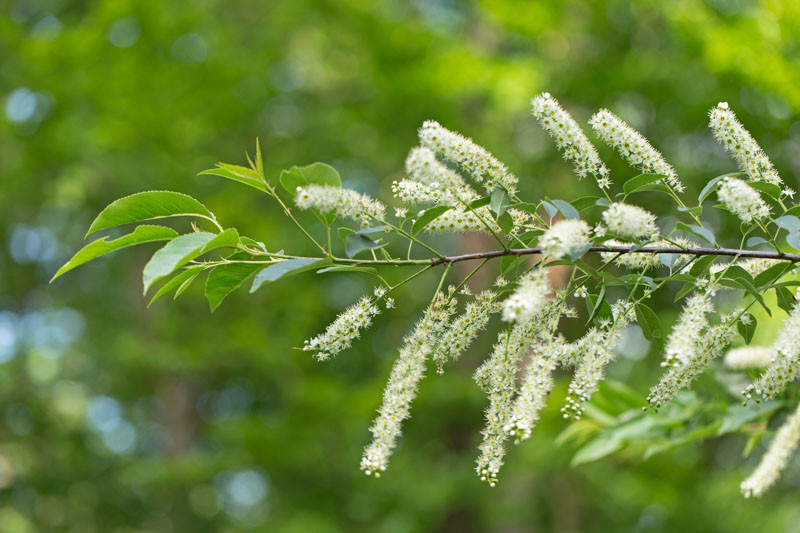
Meet black cherry, a North American native that perfumes spring with frothy white blossoms and feeds birds with inky summer fruit. If you want species details, range, and garden notes, start with this profile of Prunus serotina. In woodlands it can grow tall and straight, which is why the lumber is prized for fine furniture and instruments. The fruit tastes robust and a little bitter when fresh, yet it transforms beautifully into syrups, jams, and cordials.
Curious how black cherry fits into the wider cherry family? Take a quick tour of ornamental bloomers, pie heroes, and edible cousins with the cherry types guide. If your goal is fresh snacking from a backyard cherry tree, compare dessert cultivars and pollination timing using this guide to the best sweet cherry varieties. Bakers often reach for sour selections because heat concentrates their flavor, and you can see why in this primer on tart or sour cultivars.
Nutrition plays a role across the group. Cherries provide vitamin C, potassium, fiber, and polyphenols that support recovery after activity; skim the essentials in this overview of cherry nutrition benefits. In the landscape, black cherry attracts pollinators with fragrant racemes, then feeds wildlife with late-season drupes, so planting one can turn a corner of your yard into a mini habitat.
A quick safety reminder for homes with pets. Like many Prunus relatives, pits and wilted leaves can be hazardous. Read species-specific advice for cats and separate guidance for dogs. Whether you love forests, furniture craft, or flavorful preserves, black cherry offers a surprising blend of ecology, history, and taste in one impressive tree.