Yellow Anise, Yellow Anise Tree, Yellow Anisetree, Small Anise Tree, Hardy Anise Shrub, Ocala Anise, Star Anise
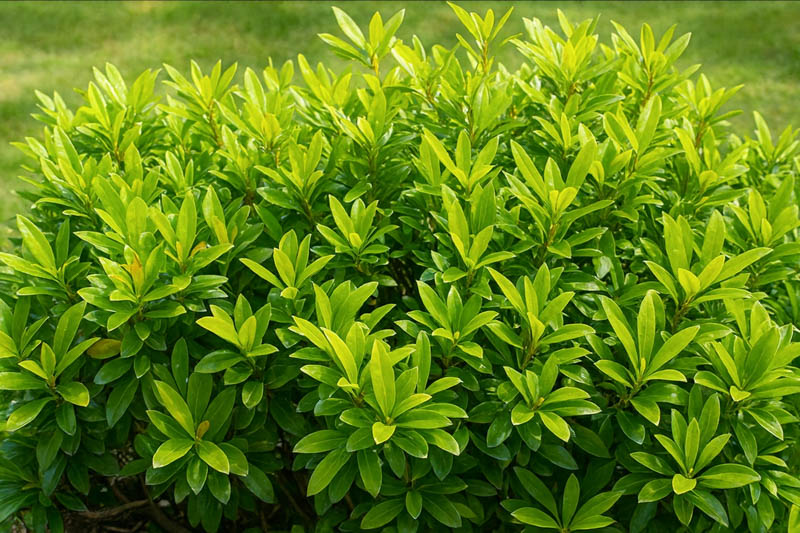


If you’re looking for a resilient, evergreen shrub that thrives in shade, tolerates moisture, resists deer, and delivers bright, cheerful foliage all year long, Illicium parviflorum (Yellow Anise) deserves a prime spot on your list. This Southeast U.S. native offers a lush, full habit, fragrant foliage, exceptional adaptability, and dependable performance in places where other shrubs fade. With its glossy leaves, starry late spring blossoms, and aromatic foliage, Yellow Anise is one of the most versatile shade loving shrubs for modern landscapes.
Unlike many shrubs that struggle in deep shade or damp soils, Illicium parviflorum is naturally suited for these conditions. It shines in woodland gardens, foundation plantings, shade borders, screening hedges, rain gardens, and naturalistic plantings. Even better, this broadleaf evergreen keeps its foliage year round, ensuring constant structure, texture, and color in the garden.
Summary: A dense, upright, evergreen shrub with aromatic foliage, shade tolerance, and remarkable adaptability.
Use: Shade gardens, rain gardens, foundation plantings, hedges, screens, woodland edges, moist soils, problem areas.
Highlight: Glossy evergreen foliage, chartreuse cultivars like ‘Florida Sunshine’, star shaped flowers, and a naturally neat habit that requires minimal pruning.
Note: Foliage is fragrant when crushed and the plant is highly deer resistant.
| Botanical Name | Illicium parviflorum |
|---|---|
| Family | Star Anise family (Illiciaceae) |
| Common Names | Yellow Anise, Small Leaf Anise, Florida Anise |
| Native Range | Endemic to central and peninsular Florida, naturally found in moist woodlands, hammocks, and along seepage streams. |
| Plant Type and Habit | Evergreen shrub with a naturally upright, dense, and rounded habit. |
| Hardiness (approx. USDA) | Zones 7 to 10. Excellent for warm and humid regions. |
| Size | Typically 10 to 15 ft. high and 6 to 10 ft. wide, though compact cultivars stay much smaller. |
| Sun and Exposure | Part shade to full shade. Tolerates morning sun but prefers protection from hot afternoon sun. |
| Soil | Prefers moist, rich, slightly acidic soils, but adapts to many conditions as long as soil is not extremely dry. |
| Seasonal Interest | Year round evergreen foliage, small pale yellow flowers in late spring, and luminous chartreuse leaves in select cultivars. |
| Primary Uses | Shade gardens, hedges, screens, rain gardens, foundation plantings, woodland gardens, and moist sites. |
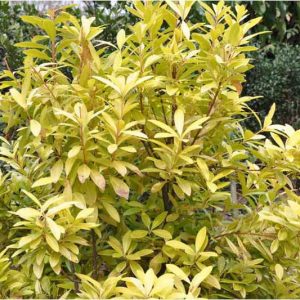
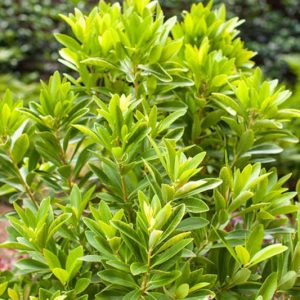
Illicium parviflorum is a broadleaf evergreen shrub known for its dense habit, glossy leaves, and adaptability. The foliage is fragrant when crushed, exuding a spicy, anise like scent that helps repel deer and other browsing animals. Its leaves are typically deep green, though certain cultivars, such as the beloved ‘Florida Sunshine’, glow with brilliant chartreuse to golden tones that brighten even the darkest corners of the garden.
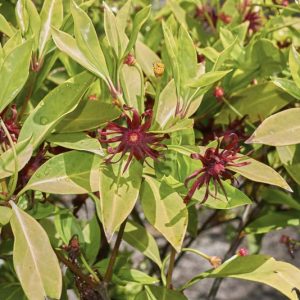
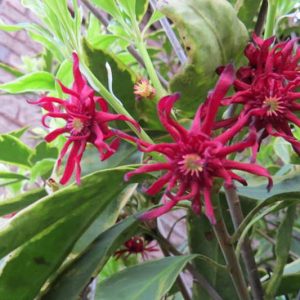
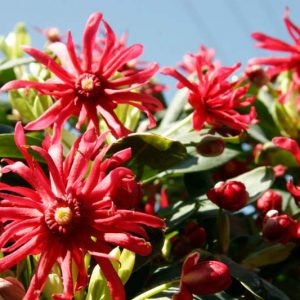
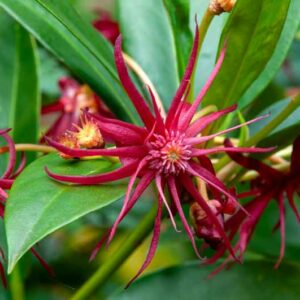
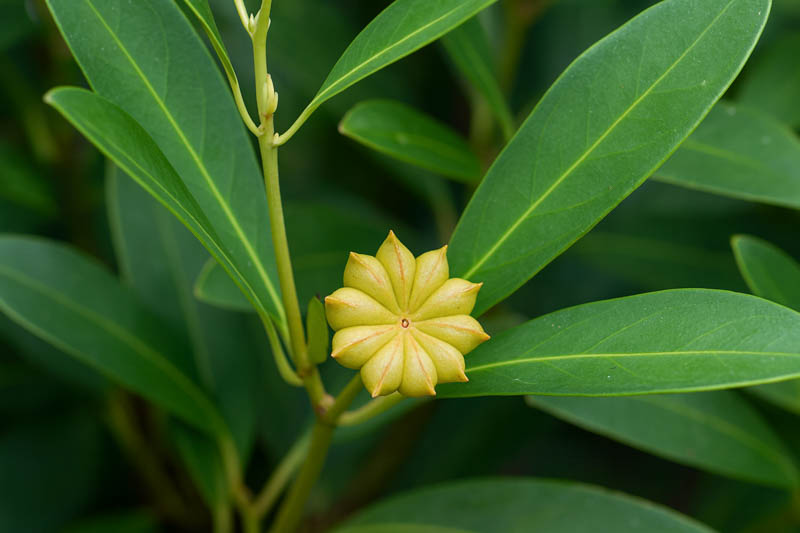
The shrub produces small, star shaped yellow green flowers in late spring. While subtle and not widely showy from afar, they add charm and seasonal interest up close. The plant maintains a naturally rounded, upright habit, making it an easy choice for screening, hedging, or foundation use.
Yellow Anise is native and endemic to central and peninsular Florida, thriving in moist forests, shaded swamps, and streamside edges. Its natural preference for moisture and shade makes it one of the best native shrubs for gardens with challenging, dim, or damp conditions.
In ideal conditions, Illicium parviflorum can grow at a moderate pace to 10 to 15 ft. tall and 6 to 10 ft. wide. The foliage is dense, lush, and arranged in whorled clusters along the stems, creating a full, elegant silhouette. Compact forms offer smaller scale alternatives for tighter spaces.
The small starry blooms appear in late spring to early summer. While not grown primarily for flowers, they are charming, subtle, and attract small pollinators. Their unusual form adds quiet botanical interest.
Foliage is where Yellow Anise truly shines. The leaves remain clean, lush, and evergreen all year long. Standard varieties are deep glossy green, while cultivars like ‘Florida Sunshine’ glow with intense, neon chartreuse foliage that appears to light up shaded spaces. In winter, the stems often take on reddish tones, adding a warm seasonal contrast.
Hardy in USDA Zones 7 to 10, Illicium parviflorum excels in warm climates with consistent moisture and protection from harsh afternoon sun. It is exceptionally tolerant of humidity and thrives in the southeastern United States.
Yellow Anise is incredibly versatile in the landscape:
Although not a primary wildlife magnet, its flowers offer nectar to pollinators and its evergreen structure provides shelter for birds. As a native shrub, it integrates beautifully into ecological plantings that support biodiversity.
One of the biggest perks: Yellow Anise is deer resistant. The aromatic foliage discourages browsing, making it a reliable choice in regions with high deer pressure. Maintenance is minimal – just occasional shaping or thinning if desired.
While adaptable, Illicium parviflorum prefers consistent moisture and will perform best in soils that do not fully dry out. It tolerates short dry periods once established but should not be used for extremely dry sites without irrigation.
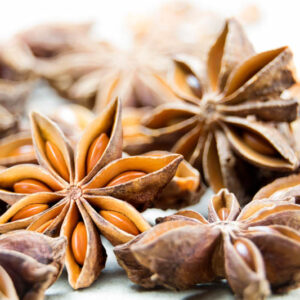
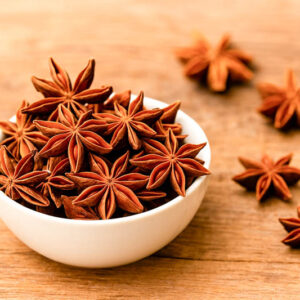
Unlike edible star anise (Illicium verum), Illicium parviflorum is considered toxic if ingested. Its aromatic foliage is for ornamental use only, not culinary. Keep this in mind around children and pets.
Yellow Anise is not considered invasive. It grows politely in place without spreading aggressively.
Gardeners love Illicium parviflorum for its evergreen foliage, deer resistance, shade tolerance, adaptability, and low maintenance. Whether you choose the standard species or a vivid cultivar, it brings structure and reliability to areas that often feel bare or neglected.
Yellow Anise prefers:
It is not a good choice for very dry, exposed sites without irrigation. In drier landscapes, position it in low spots, beside water features, near downspouts, or in the wetter zones of rain gardens where moisture naturally collects.
Illicium parviflorum is generally low maintenance once established, especially when planted in the shade and moist soils it prefers.
Yellow Anise can be propagated primarily through cuttings, with seed used less frequently.
Illicium parviflorum is generally a robust, easy care evergreen shrub when grown in suitable conditions. It has relatively few serious pest or disease issues, especially compared with many other broadleaf evergreens.
Occasional pests may appear but rarely cause significant harm if plants are healthy.
Disease problems are most likely in poorly drained soils or in sites where plants are under chronic stress.
Yes. Illicium parviflorum is a broadleaf evergreen shrub or small tree. In suitable climates it keeps its foliage year-round, providing constant structure and color in shade and woodland gardens.
Yellow Anise is generally considered deer resistant. Its leaves and stems contain aromatic compounds with a licorice-like scent that most deer find unappealing, so browsing damage is usually low compared to many other shrubs.
Yes. Illicium parviflorum is considered poisonous and should not be used as a culinary substitute for true star anise. All parts of the plant are ornamental only and should not be ingested by people or pets.
Yellow Anise grows best in part shade to full shade. It tolerates some morning sun if the soil stays consistently moist, but hot afternoon sun can stress the plant, especially in warmer climates or on very dry sites.
Illicium parviflorum prefers moist, rich, slightly acidic soil. It naturally occurs in wet hammocks, swamps, and along seepage streams, so it thrives in garden soils that are consistently moist but reasonably well-drained and not chronically dry.
No. Illicium parviflorum is not considered invasive. It has a limited native range in central Florida and does not typically spread aggressively beyond cultivation, although it can form colonies locally via suckers and rooted branches.
Yes. Yellow Anise’s dense, upright growth makes it an excellent choice for informal hedges and privacy screens in part-shade gardens, especially in moist soils. With light pruning, it forms a thick, evergreen barrier that provides year-round cover and structure.
Updated: December 2025 • Reviewed by Gardenia Editors
| Hardiness |
7 - 10 |
|---|---|
| Climate Zones | 4, 5, 6, 7, 8, 9, 14, 15, 16, 17, 18, 19, 20, 21, 22, 23, 24 |
| Plant Type | Shrubs |
| Plant Family | Schisandraceae |
| Genus | Illicium |
| Exposure | Partial Sun, Shade |
| Season of Interest | Spring (Early, Mid, Late), Summer (Early, Mid, Late), Fall, Winter |
| Height | 10' - 15' (3m - 4.6m) |
| Spread | 6' - 10' (180cm - 3m) |
| Spacing | 72" - 120" (180cm - 3m) |
| Maintenance | Low |
| Water Needs | Average |
| Soil Type | Clay, Loam, Sand |
| Soil pH | Acid, Neutral, Alkaline |
| Soil Drainage | Moist but Well-Drained, Moisture Retentive |
| Characteristics | Fragrant, Showy, Evergreen |
| Native Plants | United States, Southeast, Florida |
| Tolerances | Deer, Wet Soil, Full Shade |
| Garden Uses | Hedges And Screens, Rain Gardens |
| Garden Styles | City and Courtyard, Informal and Cottage, Mediterranean Garden |
| Toxic to Humans | Low severity |
| Toxic to Cats | No known toxicity |
| Toxic to Dogs | No known toxicity |
| Toxic to Horses | No known toxicity |

| Hardiness |
7 - 10 |
|---|---|
| Climate Zones | 4, 5, 6, 7, 8, 9, 14, 15, 16, 17, 18, 19, 20, 21, 22, 23, 24 |
| Plant Type | Shrubs |
| Plant Family | Schisandraceae |
| Genus | Illicium |
| Exposure | Partial Sun, Shade |
| Season of Interest | Spring (Early, Mid, Late), Summer (Early, Mid, Late), Fall, Winter |
| Height | 10' - 15' (3m - 4.6m) |
| Spread | 6' - 10' (180cm - 3m) |
| Spacing | 72" - 120" (180cm - 3m) |
| Maintenance | Low |
| Water Needs | Average |
| Soil Type | Clay, Loam, Sand |
| Soil pH | Acid, Neutral, Alkaline |
| Soil Drainage | Moist but Well-Drained, Moisture Retentive |
| Characteristics | Fragrant, Showy, Evergreen |
| Native Plants | United States, Southeast, Florida |
| Tolerances | Deer, Wet Soil, Full Shade |
| Garden Uses | Hedges And Screens, Rain Gardens |
| Garden Styles | City and Courtyard, Informal and Cottage, Mediterranean Garden |
| Toxic to Humans | Low severity |
| Toxic to Cats | No known toxicity |
| Toxic to Dogs | No known toxicity |
| Toxic to Horses | No known toxicity |
How many Illicium parviflorum (Yellow Anise) do I need for my garden?
| Plant | Quantity | |
|---|---|---|
| Illicium parviflorum (Yellow Anise) | N/A | Buy Plants |
Create a membership account to save your garden designs and to view them on any device.
Becoming a contributing member of Gardenia is easy and can be done in just a few minutes. If you provide us with your name, email address and the payment of a modest $25 annual membership fee, you will become a full member, enabling you to design and save up to 25 of your garden design ideas.
Join now and start creating your dream garden!
Create a membership account to save your garden designs and to view them on any device.
Becoming a contributing member of Gardenia is easy and can be done in just a few minutes. If you provide us with your name, email address and the payment of a modest $25 annual membership fee, you will become a full member, enabling you to design and save up to 25 of your garden design ideas.
Join now and start creating your dream garden!