Create Your Garden

Agastache ‘Rosie Posie’ (Anise Hyssop)

Hyssop 'Rosie Posie', Anise Hyssop 'Rosie Posie', Hummingbird Mint 'Rosie Posie'
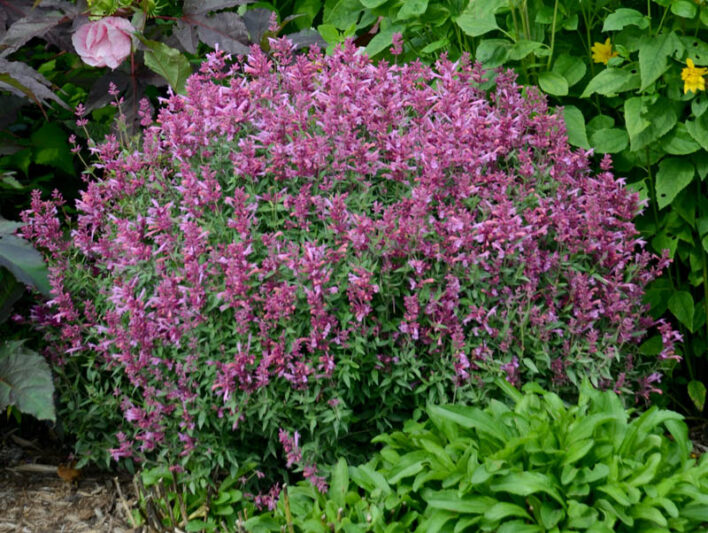
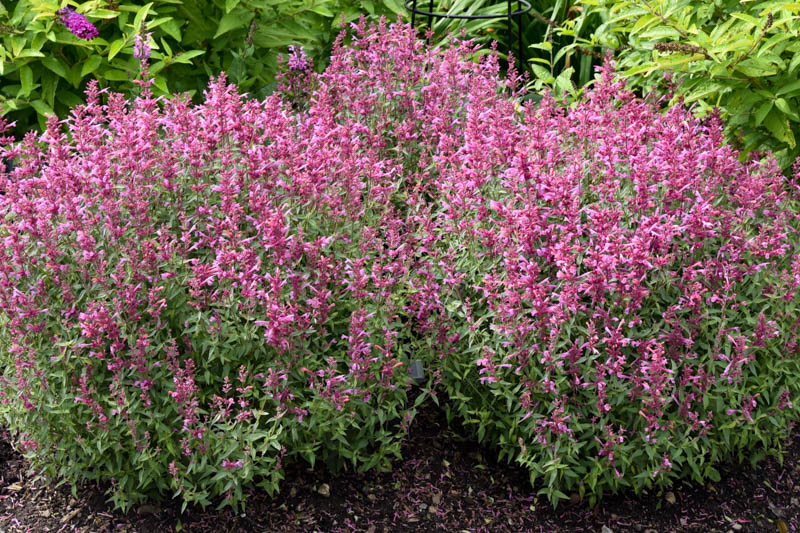
Hyssop Rosie Posie, Anise Hyssop Rosie Posie, Hummingbird Mint Rosie Posie, Pink Hyssop, Pink Flowers, Pink Hummingbrid Mint

Agastache ‘Rosie Posie’: The Pollinator’s Dream and Garden Showstopper

If you’re searching for a long-blooming, low-maintenance perennial that delivers knockout color, irresistible fragrance, and constant garden action, look no further than Agastache ‘Rosie Posie’. Also known as hummingbird mint or hyssop, this compact, densely flowering cultivar is a modern classic—bringing waves of vibrant pink and magenta blooms from summer well into fall. ‘Rosie Posie’ isn’t just a visual treat; it’s a wildlife magnet, an easy-care superstar, and a gardener’s delight all rolled into one.


What Is Agastache ‘Rosie Posie’?

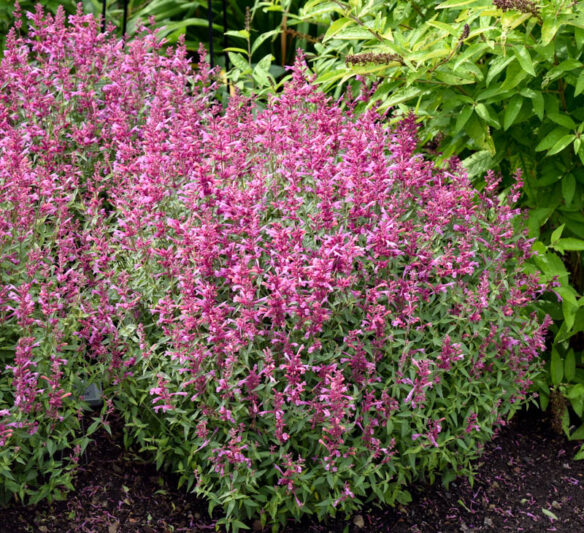
Agastache ‘Rosie Posie’ is a hybrid perennial in the mint family (Lamiaceae), prized for its upright, compact habit and prolific flowering. Developed from a cross of Agastache species, ‘Rosie Posie’ forms tidy, bushy clumps about 18–24 inches tall (45-60 cm) and 24-30 inches (60-75 cm) wide, overflowing with dense spikes of deep rosy pink flowers. Its aromatic, minty foliage adds a second layer of appeal, releasing a pleasant scent with every brush or breeze.

What truly sets ‘Rosie Posie’ apart is its near-continuous blooming—sometimes starting in late spring and persisting, with deadheading, until the first frost. Each tall flowering stem is packed with tiny tubular blossoms, creating a buzzing buffet for pollinators and a color-filled anchor for mixed borders, butterfly gardens, and containers.


Agastache ‘Rosie Posie’ at a Glance

  • Common names: Hummingbird mint, hyssop, anise hyssop (though true anise hyssop is Agastache foeniculum)
  • Botanical name: Agastache hybrid ‘Rosie Posie’
  • Family: Lamiaceae (Mint family)
  • Plant type: Herbaceous perennial
  • Height & Spread: 18–24 inches (45–60 cm) tall and 24-30 inches (60-75 cm) wide
  • Bloom time: Early summer to frost
  • Flower color: Magenta-rose with purple calyces
  • Foliage: Aromatic, bright green, lance-shaped leaves
  • Sun exposure: Full sun (minimum 6 hours)
  • Soil: Well-drained, light to sandy soil; prefers lean conditions
  • Hardiness: USDA Zones 5–9
  • Tolerance: Drought, heat, humidity, deer, and rabbits
  • Garden uses: Borders, cottage gardens, pollinator gardens, wildlife meadows, patio containers, cut flower beds

Why Grow Agastache ‘Rosie Posie’?

1. A Butterfly & Hummingbird Hotspot

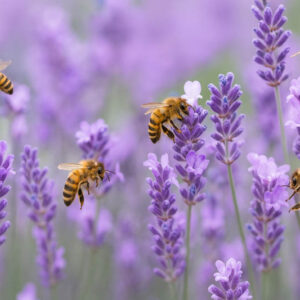
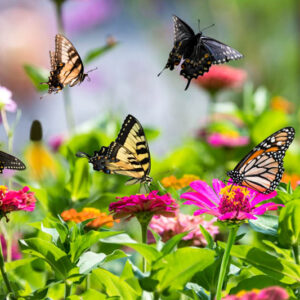
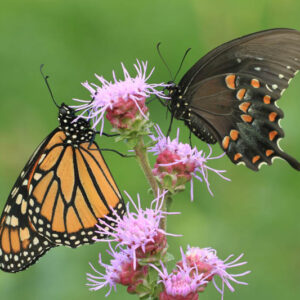
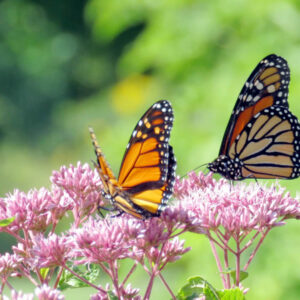
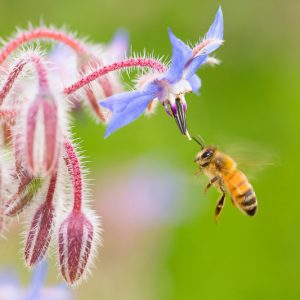
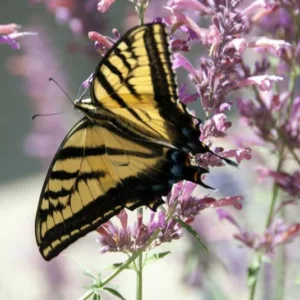
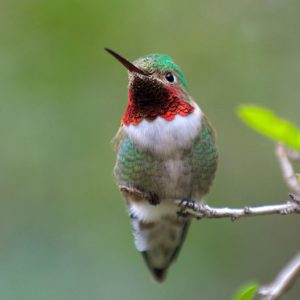
Stand back and watch your ‘Rosie Posie’ beds transform into a pollinator party! Few perennials draw as much non-stop action from bees, butterflies, and hummingbirds. The plentiful tubular flowers are perfect for the long tongues of hummingbirds and large bees, while butterflies flock to the sweet nectar. You’ll spot swallowtails, monarchs, skippers, honeybees, bumblebees, and even moths enjoying the bounty, especially in midsummer when local nectar sources may be scarce.

2. Continuous, Vivid Color

While many perennials offer a few weeks of glory before fading, ‘Rosie Posie’ keeps the show going for three to four solid months. The deep magenta-rose blooms contrast beautifully with the purple calyces, holding their color long after individual flowers are spent. Deadheading spent spikes can encourage even more blooms, but the plant looks neat even when left to its own devices.

3. Low Maintenance, High Reward

‘Rosie Posie’ is unfazed by drought, wilting heat, humidity, and most garden pests. Once established, it thrives with minimal care, rarely needing staking thanks to its compact bushy habit. Rabbits and deer find the strongly scented foliage unappetizing, and the plant seldom faces disease. No flopping, no constant spraying—just consistent performance for the long haul.

4. Versatile Beauty

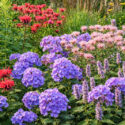
With its upright form and vibrant flowers, ‘Rosie Posie’ works equally well at the front or middle of borders, in cutting gardens, or as a container statement. It mixes perfectly with ornamental grasses, coreopsis, echinacea, salvia, yarrow, and sedum for ongoing color and texture. It’s also lovely in meadows and informal settings.

5. Fragrant & Functional Foliage

Every time you brush the foliage, you’ll unleash a sweet, mint-anise scent—making it wonderful along paths, patios, and entryways. While not as strongly flavored as culinary mint, the leaves are technically edible and sometimes used in herbal teas or garnishes.


How to Grow Agastache ‘Rosie Posie’

Site Selection

  • Sunlight: Full sun (at least 6 hours daily) is critical for strong bloom and compact growth.
  • Soil: Excellent drainage is essential; sandy, gritty, or rocky soils are best. Avoid heavy clay or rich, soggy beds—overly fertile soil can make the plant floppy.
  • Airflow: Good air movement reduces fungal risks, especially in humid regions.

Planting Steps

  • Amend planting area with fine gravel or sand if soil is heavy; raised beds are ideal for poor drainage sites.
  • Space plants 24-30 inches (60-75 cm) apart to allow for full growth and airflow.
  • Water well after planting, then keep soil lightly moist until established.

Watering & Feeding

  • After establishment, agastache is drought-tolerant—water only during extended dry spells.
  • Fertilizing is rarely needed; a single light dose of balanced organic fertilizer in spring is enough in lean soils.

Maintenance Tips

  • Prune lightly in early spring to remove winter dieback and shape the plant.
  • Deadhead spent flower spikes to prolong bloom (optional).
  • Mulch with gravel or bark to keep roots cool but avoid piling mulch against stems, which can rot.
  • Cut stems to ground level after frost if desired, or leave up for winter interest and wildlife.

Agastache ‘Rosie Posie’ Through the Seasons

  • Spring: Fresh shoots emerge, followed by compact, mounded foliage. Occasional rabbits may nibble, but plants rebound quickly.
  • Summer—Peak Bloom: Spikes of vivid pink and magenta attract hummingbirds, butterflies, and bees in a pollinator frenzy. With minimal care, gorgeous color continues nonstop.
  • Fall: Cooler nights deepen flower color; some plants may rebloom after a light trim. Foliage remains bright green until the first hard frost.
  • Winter: Woody stems with purple-brown seedheads add interest to snow-dusted gardens and provide shelter for overwintering insects.

Design & Companion Planting Ideas

‘Rosie Posie’ shines in both formal borders and wild-inspired plantings. Try pairing with:

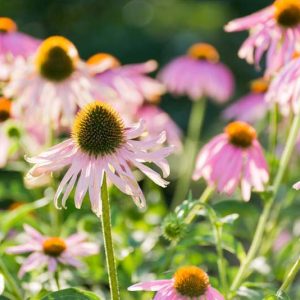
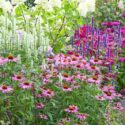
  • Echinacea (coneflower): For a textured, prairie-inspired palette.
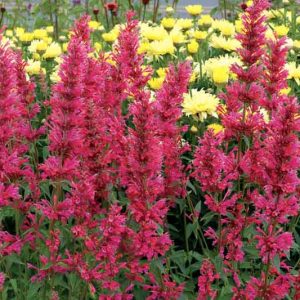
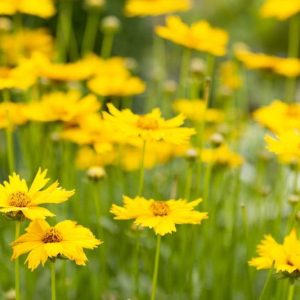
  • Coreopsis: Sunny yellow flowers make the magenta spikes pop.
  • Salvia (sage): For complementary shape and pollinator pull.
  • Achillea (yarrow): Both attract bees and butterflies and love similar dry, sunny conditions.
  • Ornamental grasses (panicum, pennisetum): Graceful movement and late-season height contrast beautifully with agastache’s upright blooms.
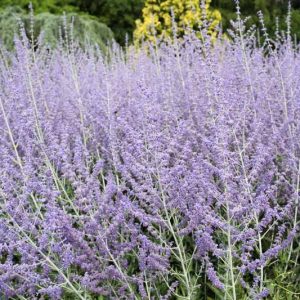
  • Russian sage (Perovskia): Soft lavender spikes make a dreamy color tapestry.
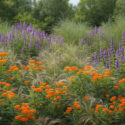
  • Butterfly weed (Asclepias tuberosa): Both offer long bloom and Monarch habitat.

In containers, ‘Rosie Posie’ pairs perfectly with trailing verbena, sweet alyssum, or compact zinnias.


Garden Design Inspiration

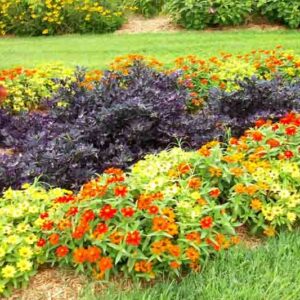
Try a massed sweep of ‘Rosie Posie’ along a sunny path with purple salvia and yellow coreopsis for an all-summer wildflower look. In smaller gardens, cluster three to five plants with blue fescue and golden yarrows for pop and textural interest. Or, set a single specimen in a ceramic pot on your patio, where you can savor the foliage fragrance and watch hummingbirds up close every day.

No matter the setting, ‘Rosie Posie’ delivers effortless style, movement, and nonstop color—making it a can’t-miss perennial for modern gardens.


Wildlife, Pollinators, and Ecological Benefits

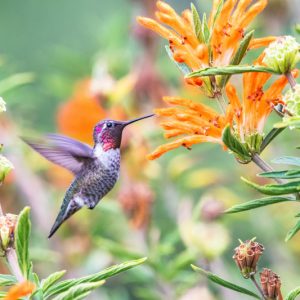
Agastache ‘Rosie Posie’ is truly a pollinator playground. Its tubular flowers are a hummingbird favorite, drawing flashes of iridescent color to your yard daily. Bees—native, bumble, and honey—love the ample nectar supply, and butterflies will visit all season.

But the benefits don’t stop at pollinators. Agastache’s aromatic foliage may help repel deerrabbits, and certain insect pests, making it a great choice for gardens where these animals are a problem. And in the off-season, songbirds may forage among spent stems for insects or seeds.


Frequently Asked Questions: Agastache ‘Rosie Posie’

  • Is it good for cut flowers? Yes! The strong stems and vibrant blooms last well in arrangements—plus, the foliage adds minty scent.
  • Does it spread aggressively? No, ‘Rosie Posie’ is a clumping hybrid. It won’t run or take over, and division every 3–4 years can refresh dense clumps.
  • Does it need winter protection? In zones 5–6, mulch lightly after the ground freezes. In hotter climates, avoid heavy summer mulching, which can invite rot.
  • Can it be grown from seed? Usually, ‘Rosie Posie’ is vegetatively propagated to maintain its hybrid color and form, so seeds may not come true to type.
  • Is it deer resistant? Yes, strongly aromatic leaves deter deer and rabbits. However, very hungry animals may nibble anything!

Fun Facts and History

  • Agastache species are native to North America and Asia; ‘Rosie Posie’ is a modern hybrid bred for exceptional performance and flower power.
  • The name “hyssop” comes from its resemblance to Old World hyssop, but true hyssop is Hyssopus officinalis.
  • Agastache flowers and leaves were used by Native Americans in teas, for flavoring, and as natural remedies for coughs and colds.
  • All Agastache species are aromatic, but their scents vary from minty to licorice or bubblegum depending on the cultivar!

Reasons to Love ‘Rosie Posie’

  • Incredible flower show—months of bold, nectar-rich color
  • Drought, heat, pest, and deer tolerant
  • Compact, neat form for beds, containers, and borders
  • Irresistible to hummingbirds, butterflies, and bees
  • Sweet, aromatic foliage for an added sensory dimension
  • Blends seamlessly with prairie, cottage, and wildlife gardens
  • Virtually maintenance-free after establishment

With Agastache ‘Rosie Posie’, you get lasting beauty, lively garden visitors, and peace of mind—whether you’re a seasoned gardener or a budding enthusiast.


How to Add ‘Rosie Posie’ to Your Garden

Want to get started? Find ‘Rosie Posie’ at local nurseries or specialty perennial suppliers. Plant in spring or fall for best establishment. Give your new perennial a sunny home, lean, fast-draining soil, and minimal pampering, and watch your garden spring to vibrant life!

For anyone craving nonstop color, wildlife excitement, and carefree charm, Agastache ‘Rosie Posie’ is the perennial MVP you’ve been searching for. Give it a try—and let your garden buzz with beauty all season!

Requirements

Hardiness 5 - 9
Heat Zones 4 - 12
Climate Zones 4, 5, 6, 7, 8, 9, 10, 11, 12, 13, 14, 15, 16, 17, 18, 19, 20, 21, 22, 23, 24
Plant Type Perennials
Plant Family Lamiaceae
Genus Agastache
Common names Anise Hyssop, Hummingbird Mint, Hyssop
Exposure Full Sun
Season of Interest Summer (Early, Mid, Late), Fall
Height 1' - 2' (30cm - 60cm)
Spread 2' - 3' (60cm - 90cm)
Spacing 24" - 30" (60cm - 80cm)
Maintenance Low
Water Needs Average
Soil Type Chalk, Clay, Loam, Sand
Soil pH Acid, Alkaline, Neutral
Soil Drainage Moist but Well-Drained, Well-Drained
Characteristics Cut Flowers, Fragrant, Showy
Tolerance Drought, Deer
Attracts Bees, Butterflies, Hummingbirds
Garden Uses Beds And Borders, Patio And Containers
Garden Styles City and Courtyard, Informal and Cottage
How Many Plants
Do I Need?
Explore Great Plant Combination Ideas
Agastache (Hyssop)
Guides with
Agastache (Hyssop)
Not sure which Agastache (Hyssop) to pick?
Compare Now

Alternative Plants to Consider

Agastache cana (Texas Hummingbird Mint)
Agastache ‘Raspberry Summer’ (Hummingbird Mint)
Agastache ‘Summer Fiesta’ (Hummingbird Mint)
Agastache ‘Summer Glow’ (Hummingbird Mint)
Agastache ‘Kudos Red’ (Hummingbird Mint)
Agastache POQUITO Butter Yellow (Dwarf Hummingbird Mint)

Recommended Companion Plants

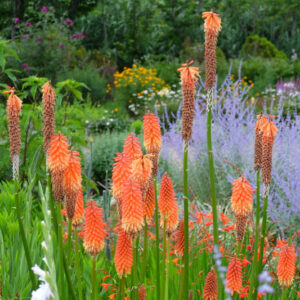
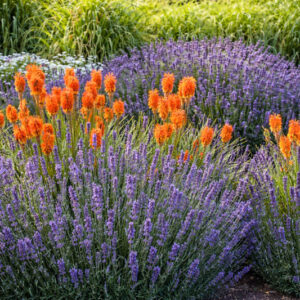
Kniphofia (Red Hot Poker)
Cosmos Flowers
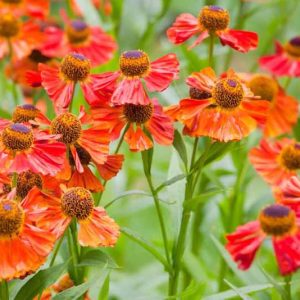
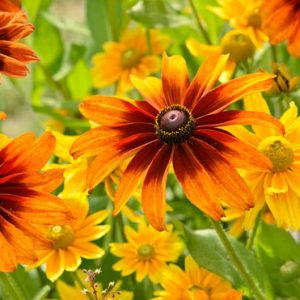
Helenium (Sneezeweed)
Echinacea (Coneflower)
Salvia yangii (Russian Sage)
Coreopsis (Tickseed)

Find In One of Our Guides or Gardens

Best Full Sun Perennials for Zone 8: Top Heat-Tolerant Garden Winners
Top Zone 6 Full Sun Perennials – Color That Thrives in Heat & Cold
Top Zone 7 Full Sun Perennials for Long Bloom, Color & Pollinators
Drought Tolerant Gardens – The Ultimate Water-Wise Guide
Pollinator Gardens: Plants, Designs & Care Guide
From Garden to Kitchen: The Many Flavors of Anise
Top 70 Summer Flowers to Brighten Your Garden and Home
50 Best Fall Flowers to Color Your Autumn Garden
50 Fall Wildflowers: Top Picks for a Vibrant Autumn Garden
50 Summer Wildflowers: Bright Blooms for Your Garden
50 Wildflowers that Thrive in Sun
50 Pink Wildflowers for Every Garden
50 Purple Wildflower to Brighten Your Garden
50 Colorado Wildflowers to Know and Love
50 Texas Wildflowers to Brighten Your Garden
20 Best Flowers for a Thriving Vegetable Garden
42 Best Perennial Flowers and Plants to Brighten Your Garden Every Season
How to Create an Enchanting Butterfly Garden
For the Love of Butterflies: Best Flowers to Attract them to Your Garden
6 Reasons You Should Create a Butterfly Garden
For the Love of Bees: Best Flowers to Attract them to Your Garden
How to Cultivate a Thriving Bee-Friendly Garden
Hummingbird
Wonderful Plants That Repel Insects
Agastache (Hyssop)
Best Flowers to Attract Hummingbirds
While every effort has been made to describe these plants accurately, please keep in mind that height, bloom time, and color may differ in various climates. The description of these plants has been written based on numerous outside resources.
Buy Plants

Requirements

Hardiness 5 - 9
Heat Zones 4 - 12
Climate Zones 4, 5, 6, 7, 8, 9, 10, 11, 12, 13, 14, 15, 16, 17, 18, 19, 20, 21, 22, 23, 24
Plant Type Perennials
Plant Family Lamiaceae
Genus Agastache
Common names Anise Hyssop, Hummingbird Mint, Hyssop
Exposure Full Sun
Season of Interest Summer (Early, Mid, Late), Fall
Height 1' - 2' (30cm - 60cm)
Spread 2' - 3' (60cm - 90cm)
Spacing 24" - 30" (60cm - 80cm)
Maintenance Low
Water Needs Average
Soil Type Chalk, Clay, Loam, Sand
Soil pH Acid, Alkaline, Neutral
Soil Drainage Moist but Well-Drained, Well-Drained
Characteristics Cut Flowers, Fragrant, Showy
Tolerance Drought, Deer
Attracts Bees, Butterflies, Hummingbirds
Garden Uses Beds And Borders, Patio And Containers
Garden Styles City and Courtyard, Informal and Cottage
How Many Plants
Do I Need?
Explore Great Plant Combination Ideas
Agastache (Hyssop)
Guides with
Agastache (Hyssop)
Not sure which Agastache (Hyssop) to pick?
Compare Now

Gardening Ideas

Plant Calculator

How many Agastache ‘Rosie Posie’ (Anise Hyssop) do I need for my garden?

Input your garden space dimensions

Your Shopping List

Plant Quantity
Agastache ‘Rosie Posie’ (Anise Hyssop) N/A Buy Plants

Please Login to Proceed

You Have Reached The Free Limit, Please Subscribe to Proceed

Subscribe to Gardenia

To create additional collections, you must be a paid member of Gardenia
  • Add as many plants as you wish
  • Create and save up to 25 garden collections
Become a Member

Plant Added Successfully

Your garden is taking shape. Unlock full planning.

You’ve reached the free limit. Upgrade for $25/year to add as many plants as you wish and save up to 25 garden collections. Unlock Annual Membership

Update Your Credit
Card Information

Cancel

Create a New Collection

Sign Up to Our Newsletter

    You have been subscribed successfully

    Join Gardenia.net

    Create a membership account to save your garden designs and to view them on any device.

    Becoming a contributing member of Gardenia is easy and can be done in just a few minutes. If you provide us with your name, email address and the payment of a modest $25 annual membership fee, you will become a full member, enabling you to design and save up to 25 of your garden design ideas.

    Join now and start creating your dream garden!

    Join Gardenia.net

    Create a membership account to save your garden designs and to view them on any device.

    Becoming a contributing member of Gardenia is easy and can be done in just a few minutes. If you provide us with your name, email address and the payment of a modest $25 annual membership fee, you will become a full member, enabling you to design and save up to 25 of your garden design ideas.

    Join now and start creating your dream garden!
    Find your Hardiness Zone

    Find your Heat Zone

    Find your Climate Zone