Attractive Shrubs and Trees with White Fruits and Berries
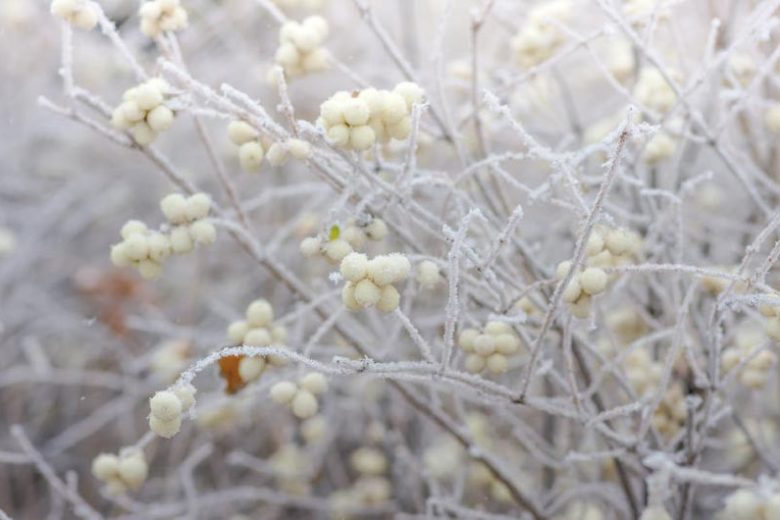
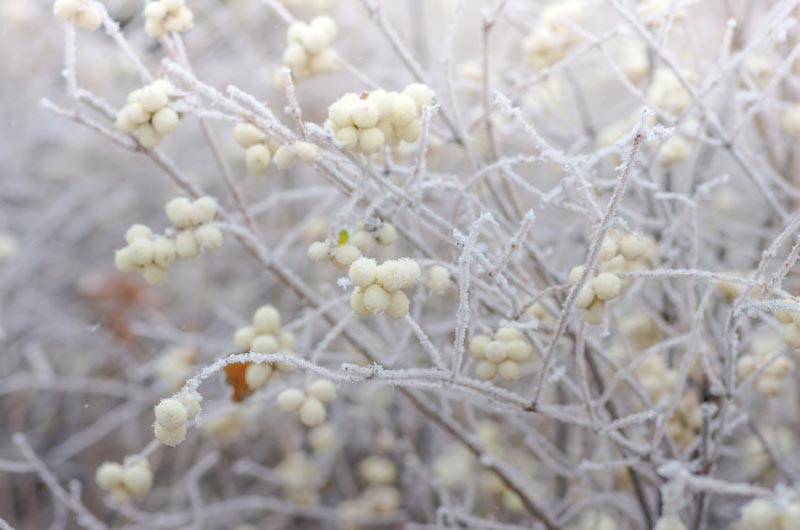
White berries are the quiet show-offs of the garden. They don’t shout the way red berries, fiery orange berries, or brilliant purple berries do, but against dark foliage, winter stems, or a brick wall, they glow like little pearls. Many of them also feed birds when very little else is around. If you’ve ever seen a plant tag that said “white fruits in fall” and thought… is that actually worth growing? — this is your friendly nudge to say: yes, absolutely.
Quick Facts — White-Fruited Shrubs & Trees
Most white berries appear in late summer through winter, when every pop of color (even creamy white!) matters. Many of the best choices are North American natives like snowberry and red-twig dogwood, which means they are tough, wildlife-friendly, and good in mixed hedges.
Others are more ornamental, like Callicarpa with its beaded stems or the porcelain clusters of Sorbus cashmiriana. A few are toxic to people,
so think “ornamental,” not “snack.”
Most common choices do well in Zones 3–7 (snowberries, dogwoods, mountain ashes); broadleaf evergreens and Asian species often in Zones 6–9
Sun & exposure
Full sun to light shade; berries and stem color are best with 4–6 hours of sun
Soil
Average garden soil, well drained but not bone-dry; dogwoods and snowberries will tolerate clay once established
Wildlife value
Many berries are ornamental first, bird food second. A few (snowberry, mistletoe, some hollies) are toxic to humans — teach kids not to nibble.
Design tip
Show them off against dark foliage, red/yellow dogwood stems, or deep blue conifers for contrast.
Care (Quick)
Plant in fall or spring so roots establish before summer heat.
Water weekly the first season; most become fairly drought-tolerant afterward.
Prune right after fruiting on summer-flowering species so you don’t remove next year’s berries.
Mulch 2–3 in. deep to conserve moisture and frame the stems.
For dogwoods and snowberries, renewal prune older stems every couple of years to keep fruiting fresh.
Why Grow Plants with White Berries?
The garden isn’t just about flowers. White fruit is a texture and light trick: it catches whatever sun is around, it reads from a distance, and it looks clean against evergreens. In summer it cools a hot border; in fall and winter it becomes jewelry on bare branches. And unlike red berries, which birds often strip right away, white ones often linger longer, giving you more time to enjoy the display before wildlife finishes the buffet.
Guide Information
Plant Type
Shrubs, Trees
Genus
Callicarpa, Cornus, Sorbus, Symphoricarpos
Season of Interest
Fall, Winter
Maintenance
Low
Characteristics
Fruit & Berries
Toxic to Humans
No known toxicity
Toxic to Cats
No known toxicity
Toxic to Dogs
No known toxicity
Toxic to Horses
No known toxicity
Beautiful Shrubs & Small Trees with White Fruits and Berries in Fall and Winter
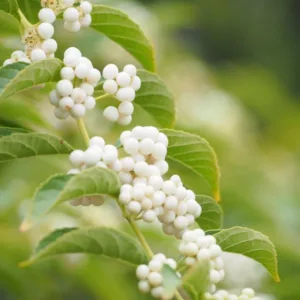
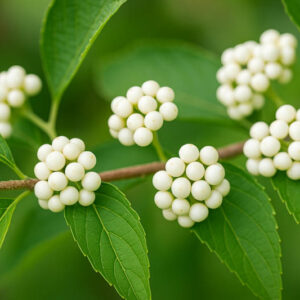
Callicarpa dichotoma f. albifructa is a neat, rounded shrub that flips the script on beautyberries: instead of purple, it drips with pearly white clusters in fall. Pale pink summer flowers, arching stems, pollinator appeal, and berries that glow after leaf drop make it an easy, luminous accent for borders.
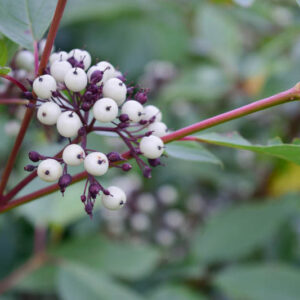
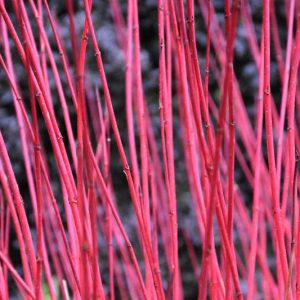
Red osier dogwood (Cornus sericea) is a fast growing, multi stemmed deciduous shrub prized for its red winter stems, creamy spring flower clusters, white berries for birds and rich fall color. Tough and adaptable, it thrives in moist to wet soil, rain gardens, and along ponds or streams in gardens.
Hardiness
2 - 7
Exposure
Full Sun, Partial Sun
Seasons
Spring (Early, Mid, Late), Summer (Early, Mid, Late), Fall, Winter
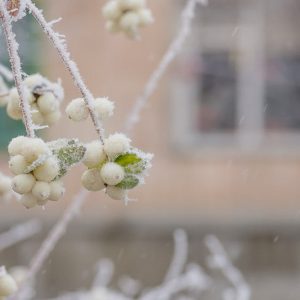
With its waxy, pure white berries, Symphoricarpos albus (Snowberry) is a resilient and adaptable deciduous shrub. In early summer, it produces clusters of small, bell-shaped white to pink flowers that attract butterflies and pollinators. These flowers give way to abundant snow-white berries that persist throughout winter, adding visual interest to the landscape.
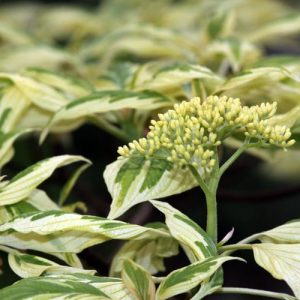
Noted for its colorful stems and twigs in winter, Cornus alba (Tatarian Dogwood) is a medium-sized ornamental shrub with great appeal. Rapidly growing, and adaptable to wet soils or dry soils, it features spectacular decorative features: stunning fall color, attractive berries, showy red stems, and sometimes a lovely variegated summer foliage. A spectacular addition in the garden for most seasons, Tatarian Dogwood certainly adds a WOW! to a winter landscape.
Hardiness
2 - 7
Exposure
Full Sun, Partial Sun
Seasons
Spring (Late), Summer (Early, Mid, Late), Fall, Winter
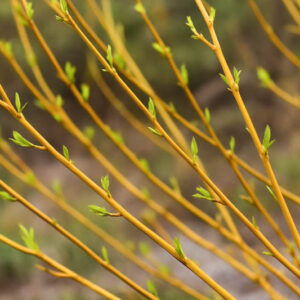
Cornus sericea ‘Flaviramea’ lights up dull seasons with brilliant golden winter stems. In spring it’s leafy and fresh, in summer it flowers and fruits for birds, and in fall it flames red and orange. Tough, fast, and happy even in wet spots, it’s a four-season backbone for mixed borders.
Hardiness
3 - 8
Exposure
Full Sun, Partial Sun
Seasons
Spring (Early, Mid, Late), Summer (Early, Mid, Late), Fall, Winter
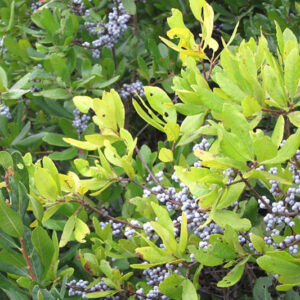
Myrica pensylvanica, or Northern Bayberry, is a hardy, salt-tolerant shrub with aromatic, glossy green leaves and waxy gray berries that persist through winter. Ideal for coastal gardens, erosion control, and wildlife habitats, this low-maintenance plant thrives in poor soils and provides year-round interest with its attractive foliage and berries.
Hardiness
3 - 7
Exposure
Full Sun, Partial Sun
Seasons
Spring (Early, Mid, Late), Summer (Early, Mid, Late), Fall
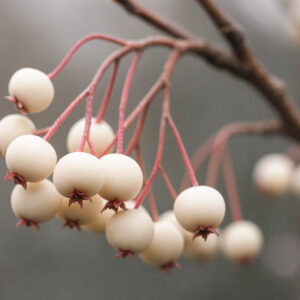
Think of Kashmir rowan as a winter lantern for small gardens. A large, spreading deciduous shrub or small tree, it brings bee-humming blossom in spring, soft shade in summer, and warmed leaves in fall. Then big porcelain-white berries glow for months on bare twigs while birds gather. Elegant, hardy, photogenic.
Hardiness
5 - 8
Exposure
Full Sun, Partial Sun
Seasons
Spring (Late), Summer (Early, Mid, Late), Fall, Winter
Callicarpa japonica ‘Leucocarpa’ is a compact, deciduous shrub that strings its autumn stems with pearl-white berries. Summer brings dainty pink blooms and clean green leaves; winter leaves a minimalist necklace that glows in low light. Tough, tidy, and easy to prune, it suits small borders, entry beds, and wildlife-friendly plantings.
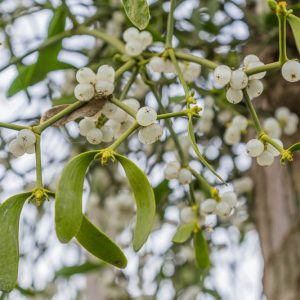
Mistletoe is a unique plant known for its parasitic nature, attaching itself to trees and shrubs to obtain nutrients. It holds cultural significance as a symbol of love and celebration during the holiday season. However, its presence can sometimes harm host plants, making it both intriguing and challenging for enthusiasts and ecologists alike.
Think contrast first. A white-berried shrub in front of a white wall disappears; in front of a dark hedge, it sings. Layer textures: plant snowberries at the feet of red- or yellow-stemmed dogwoods; tuck white beautyberry into a late-summer border with Miscanthus, seed heads, and asters; underplant a small rowan with hellebores and evergreen ferns to stretch the season. From Bare to Brilliant- Create a Winter-Beautiful Garden
Tip: White berries are subtle in low light. Put them where you see them from the kitchen window or along a path you actually walk in winter.
Safety, Pets, and Birds
White ≠ edible. Quite a few white-berried plants (snowberry, mistletoe, some hollies) are considered toxic to people and pets if eaten in quantity. Enjoy them for beauty, not for snacking. Birds, however, can often manage them just fine and like the late-season calories. Small Trees and Shrubs Birds Can’t Resist.
Frequently Asked Questions
Do white berries need a pollinator?
Sometimes. Hollies, bayberries, and a few rowans fruit better with a male nearby. Dogwoods, snowberries, and beautyberries usually manage on their own, but a second plant usually means a heavier display.
Will birds eat them?
Yes, but often later than they eat the red/orange stuff — which is great for you because the show lasts longer.
Can I grow any of these in containers?
Compact beautyberries, small dogwoods, and even firethorn can do a few years in a large pot if you water and feed. Rowans and big hollies are better in the ground.
Does mistletoe count?
Yes — hardy mistletoe (Viscum album) bears classic white berries — but it’s parasitic and toxic, so admire it rather than planting it casually.
Updated: November 2025 • Reviewed by Gardenia Editors
You may want to review these guides to embellish your winter garden
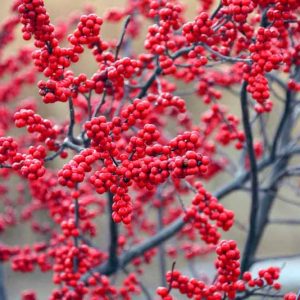
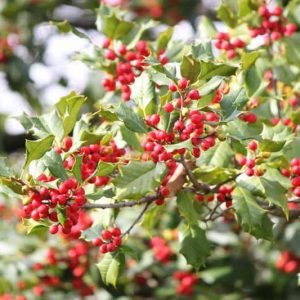
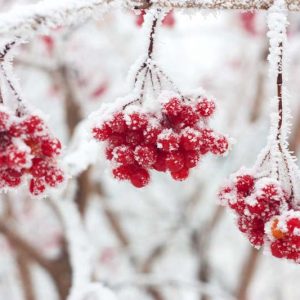
Red berries look cheerful on a winter day, sparkling in the sun or highlighted with a dusting of snow. Some trees and shrubs display beautiful fruits in late summer or fall, which persist into winter and attract hungry birds. In a glorious display of crimson, scarlet, or vermilion, their attractive berries adorn their branches in eye-catching bouquets, which gleam like jewels in the soft sunlight. They make a terrific addition to any outdoor and indoor setting.
Want winter to pop? Choose evergreen shrubs and trees that hold glossy leaves and brilliant red berries. Hollies, pyracantha, skimmia, and more feed birds, frame entries, and brighten gray days. We cover the best picks, planting, pruning, and design tricks so your garden beams from December to spring with ease.
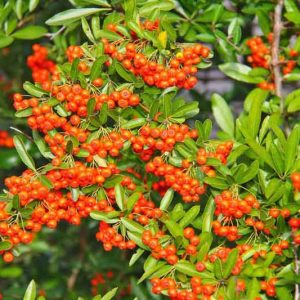
Want a garden that glows when flowers fade? Fill it with shrubs and trees that carry fiery orange fruits and berries. Inside you’ll find smart plant picks by zone, design tricks that make clusters pop, and simple care for heavy crops. Start planning your brightest cold-season show today. Right here.
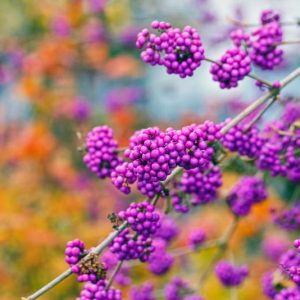
Grabbing our attention with the unusual color of their berries, some trees and shrubs create a spectacular show of intense purple fruits in late summer or fall, when few other flowering shrubs offer color. In a terrific display of violet or amethyst, their attractive berries adorn their branches and become the highlight of the winter landscape.
Winters may be long and cold, but your garden can allay that dreariness and be transformed into a place of natural beauty with visually arresting textures, colors, fragrances, and flowers. To create such a beautiful winter scene, you need to make sure you select the right plants.
While the flowerheads of late-season grasses are stunning in the fall, they continue to sparkle in winter. When frost catches their plumes and spikes and the sun glints through them, you will get great pleasure.
In the winter garden, vibrant flowers like Hellebores, Witch Hazel, and Winter Jasmine defy the cold, offering splashes of color. Snowdrops and Winter Aconites emerge through frost, signaling spring’s approach, while Camellias and Daphnes provide beauty and fragrance, turning the bleak winter landscape into a showcase of resilience and life.
Here is a list of shrubs and trees that will help you create beautiful winter scenes and let you enjoy the winter season in a beautiful new way. All these plants are cold-hardy, versatile, fast-growing, and of great appeal in other seasons too
While every effort has been made to describe these plants accurately, please keep in mind that height, bloom time, and color may differ in various climates. The description of these plants has been written based on numerous outside resources.
Create a membership account to save your garden designs and to view them on any device.
Becoming a contributing member of Gardenia is easy and can be done in just a few minutes. If you
provide us with your name, email address and the payment of a modest $25 annual membership fee,
you will become a full member, enabling you to design and save up to 25 of your garden design
ideas.
Create a membership account to save your garden designs and to view them on any device.
Becoming a contributing member of Gardenia is easy and can be done in just a few minutes. If you
provide us with your name, email address and the payment of a modest $25 annual membership fee,
you will become a full member, enabling you to design and save up to 25 of your garden design
ideas.