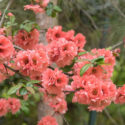
Pink Roses in the Garden
Pink roses lend themselves to a variety of uses, making them indispensable in garden design. Whether your garden is formal or relaxed, modern or traditional, these roses fit effortlessly into the landscape.
Climbing Roses: Varieties like Albertine or Felicia can be trained on trellises, arches, or walls, creating vertical focal points that draw the eye upward.
Shrub Roses: Compact and bushy varieties, such as Bonica or Queen Elizabeth, are ideal for mixed borders, low hedges, or as standalone specimens in cottage gardens.
Groundcover Roses: For low-maintenance areas, groundcover roses like Sweet Drift provide abundant blooms and help suppress weeds, making them perfect for large spaces or slopes.
Container Roses: Smaller roses, such as The Fairy, thrive in containers, adding color and elegance to patios, balconies, or entryways.
Their versatility allows gardeners to experiment with layouts and achieve stunning results regardless of space constraints.
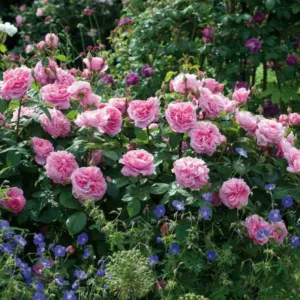
 Nepeta, Princess Louise, and Dorothy Perkins Roses
Pairing Pink Roses with Other Roses
Pink roses are striking when showcased alone, but they truly shine when paired with complementary or contrasting rose colors. Thoughtful combinations create dramatic effects and amplify the visual appeal of your garden.
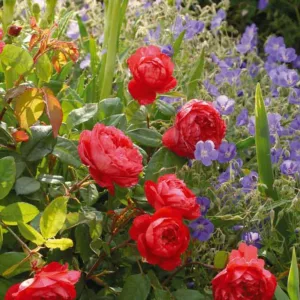
Pink and Red Roses: Pairing pink roses with bold red roses, such as ‘Mister Lincoln’, creates a classic and romantic palette. This combination is particularly striking in formal rose beds or cutting gardens. Discover 39 Stunning Red Roses to enrich your Garden.
Pink and White Roses: For a serene, ethereal look, pair soft pink roses like ‘Eden’ with pure white roses such as ‘Iceberg.’ This pairing works beautifully in cottage gardens and moonlit spaces.
Pink and Black Roses: Add drama and sophistication by combining pink roses with deep, velvety blooms like ‘Black Baccara.’ The contrast between light and dark hues creates a sense of intrigue.
These pairings allow you to design with varying moods in mind, whether you seek soft, romantic tones or bold, statement-making displays.

Pairing Pink Roses with Companion Plants
Pairing pink roses with the right companion plants can elevate your garden’s beauty, creating a harmonious and layered design. By selecting plants with complementary textures, colors, and growth habits, you can enhance the visual appeal of your roses while also supporting their health and growth.
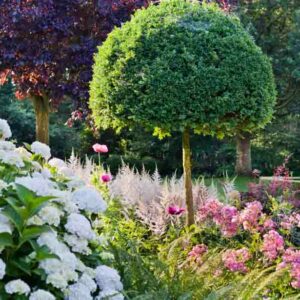
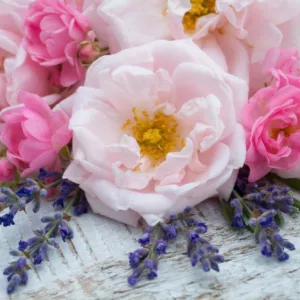
Silvery foliage and soft purple blooms of lavender (Lavandula) and catmint (Nepeta) create a calming, aromatic base that contrasts beautifully with the vibrant hues of pink roses. These drought-tolerant companions also help deter pests, offering practical benefits alongside their aesthetic charm.
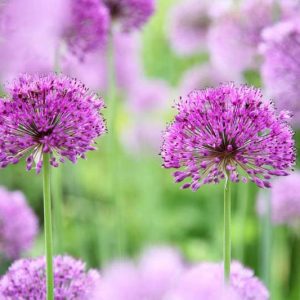
Alliums add a touch of vertical elegance with their tall stems and spherical blooms. Their bold, architectural presence contrasts with the soft, romantic appeal of pink roses, creating a dynamic visual display. The purple shades of alliums, such as Allium giganteum, pair particularly well with medium to light pink roses.
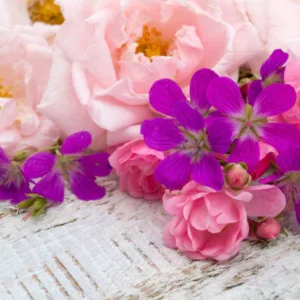
Hardy geraniums make excellent groundcover companions. Their vibrant purple, blue, or pink flowers complement the roses while their low-growing habit helps suppress weeds and protect the rose roots from overheating.
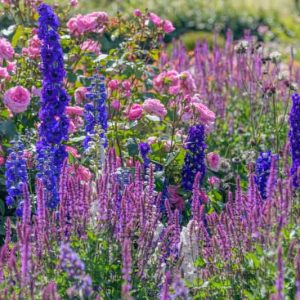
For a bold statement, pair pink roses with salvia or delphiniums. Salvia’s spiked blue or purple blooms provide a striking contrast, while tall delphiniums add height and a dramatic flair.
The towering spires of Foxgloves (Digitalis purpurea) make a stunning backdrop for pink roses. Their soft, pastel shades complement the roses while attracting pollinators.
Clematis vines are ideal companions for climbing roses. Intertwining through rose canes, clematis adds a cascading effect, layering the garden with additional color and texture. Varieties like ‘Jackmanii’ (purple) or ‘Huldine’ (white) pair beautifully with pink roses, creating a striking and harmonious combination. Clematis blooms often mirror or contrast the roses, amplifying the romantic and layered effect in your garden design. Learn how to combine roses and clematis.
 Roses, Salvia, Catmint, and Lady’s Mantle
Frequently Asked Questions
What do Yellow Roses mean?
Yellow roses symbolize friendship, joy, and good health. Their sunny hue conveys warmth, happiness, and optimism, making them a perfect gift for celebrating friendships, new beginnings, or wishing someone well. Historically, yellow roses also represent platonic love and are often exchanged to show care without romantic intent.
What do Red Roses mean?
Red roses are the ultimate symbol of love and passion. They convey deep emotions of romance, desire, and respect, making them the quintessential choice for Valentine’s Day and romantic gestures. A single red rose can signify love at first sight, while a bouquet of red roses speaks of everlasting devotion.
What do White Roses mean?
White roses represent purity, innocence, and new beginnings. They are commonly used in weddings to symbolize unity and virtue, as well as at memorials to convey remembrance and honor. White roses are also associated with spirituality and reverence, making them a versatile and meaningful choice for various occasions.
What do Black Roses mean?
Black roses, often misunderstood, symbolize mystery, farewell, and rebirth. While not naturally occurring, their dark appearance conveys themes of endings, significant transformations, or a touch of gothic elegance. They can also represent resilience and strength in the face of adversity.
What do Blue Roses mean?
Blue roses signify mystery, the unattainable, and the extraordinary. As they don’t naturally occur in nature, they are often associated with the desire for the impossible or something unique and rare. They make a striking gift for someone admired for their individuality or enigmatic charm.
What do Orange Roses mean?
Orange roses symbolize enthusiasm, energy, and fascination. A blend of red and yellow, their vibrant hue conveys both romantic passion and friendship. They are often used to express admiration, excitement, or attraction, making them a bold and uplifting choice for celebrations.