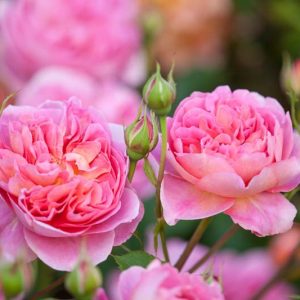
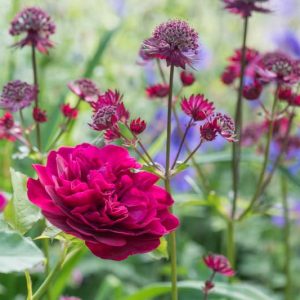
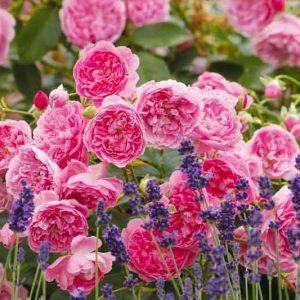
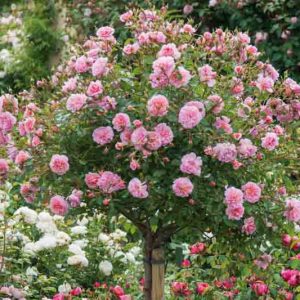
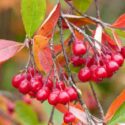
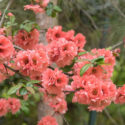
David Austin Roses, also known as English Roses, combine the charm of old garden roses with the repeat blooming and resilience of modern hybrids.


David Austin Roses are celebrated worldwide for their stunning beauty, rich fragrances, and continuous blooms, merging the charm of old-fashioned roses with the reliability of modern varieties. Developed by British horticulturist David Austin, these roses have revolutionized the rose industry by combining the beauty of Old Roses with the robust characteristics of contemporary hybrids. Whether you’re a seasoned gardener or a novice, David Austin Roses offer an unparalleled garden experience, bringing elegance, fragrance, and color to any landscape.
David Austin Roses, also known as English Roses, are a collection of hybrid roses bred to embody the best qualities of old garden roses and modern cultivars. David Austin began his rose-breeding journey in the 1960s with a vision of creating roses that combined the romantic, cupped blooms and intoxicating scents of old garden roses (such as Gallicas, Damasks, and Alba roses) with the repeat-flowering ability, wide color range, and disease resistance of modern roses like Hybrid Tea Roses and Floribunda Roses.
These roses have become synonymous with beauty and elegance, offering a wide range of colors, growth habits, and fragrances. From climbers to shrub roses, each variety has been meticulously bred for its unique charm and exceptional garden performance.
Many David Austin roses have received the prestigious Award of Garden Merit from the Royal Horticultural Society.
David Austin’s passion for roses began in his teenage years, inspired by the beauty and fragrance of old garden roses like Gallicas, Damasks, and Albas. However, these traditional roses only bloomed once a year and lacked the variety and vigor of modern hybrids. Determined to create the perfect rose, Austin sought to combine the romantic charm of antique roses with the repeat-flowering ability and hardiness of contemporary varieties.
His first major success came in 1961 with Rosa Constance Spry, a rose with large, cupped blooms and a strong myrrh fragrance. Though it only flowered once in spring, it marked the beginning of a revolutionary breeding program.
Over his lifetime, he introduced over 190 cultivars through his nursery, David Austin Roses, in Albrighton, near Wolverhampton, including the popular and award-winning roses Gertrude Jekyll, Graham Thomas, Claire Austin, Crown Princess Margareta, The Generous Gardener, and Princess Anne.
While not officially recognized as a distinct rose class by horticultural societies, Austin’s English Roses became immensely popular worldwide. His family continues his legacy, with his son and grandson managing the business. Austin passed away in 2018, leaving behind a transformative legacy in the rose industry, celebrated for creating some of the most beloved roses in modern history.
David Austin Roses offer a diverse range of colors, forms, and fragrances, making them a standout choice for any garden.
David Austin Roses have garnered a loyal following among gardeners for their exceptional beauty, fragrance, and garden performance. Here’s a closer look at the benefits and potential challenges of growing these beloved roses.
| Hardiness |
4 - 10 |
|---|---|
| Plant Type | Climbers, Roses, Shrubs |
| Plant Family | Rosaceae |
| Genus | Rosa, Rosa - Climbing Rose, Rosa - Shrub Rose |
| Exposure | Full Sun, Partial Sun |
| Season of Interest | Spring (Late), Summer (Early, Mid, Late), Fall |
| Maintenance | Average |
| Water Needs | Average |
| Soil Type | Chalk, Clay, Loam, Sand |
| Soil pH | Acid, Neutral, Alkaline |
| Soil Drainage | Moist but Well-Drained, Well-Drained |
| Characteristics | Cut Flowers, Fragrant, Showy |
| Landscaping Ideas | Arbors, Pergolas, Trellises, Beds And Borders, Hedges And Screens, Patio And Containers, Wall-Side Borders |
| Garden Styles | City and Courtyard, Informal and Cottage, Traditional Garden |

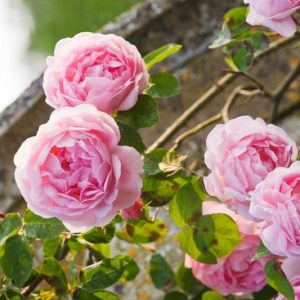



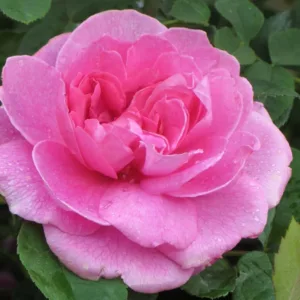




David Austin Roses are incredibly versatile and can be used in a variety of garden styles, from formal rose gardens to informal cottage borders. Here are some creative ways to incorporate them into your landscape:
Classic Rose Borders:
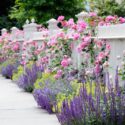
Plant David Austin Roses in mixed borders alongside perennials and shrubs. Their continuous blooms provide color throughout the season, complementing other garden favorites like lavender, catmint, and salvia. Find the best companion plants for your roses.
Romantic Cottage Gardens:
Combine them with traditional cottage garden plants like foxgloves, phlox, geranium, and delphiniums. Their soft, ruffled blooms add a romantic touch, while their fragrance fills the garden with a delightful scent.
Climbing Roses on Structures:
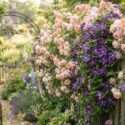
Use climbing varieties to adorn arches, pergolas, and trellises. They create stunning vertical interest and can transform simple structures into focal points. For example, combining roses and clematis is a classic choice, where the delicate clematis vines complement the boldness of roses, creating vertical interest and a layered garden effect.
Formal Garden Design:
For a more structured look, plant David Austin Roses in symmetrical patterns or low hedges. Their tidy growth habits and repeat blooms make them perfect for formal garden layouts.
Container Planting:
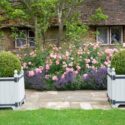
Many compact varieties thrive in containers, making them ideal for patios, balconies, and small gardens. Choose decorative pots that complement the rose’s color and form.
 Roses, Salvia, Feather Reed Grass, and Culver’s Root
Growing David Austin Roses successfully requires attention to their specific needs, from planting to pruning. Here’s a comprehensive guide to ensure your roses thrive:
Although roses generally require full sun to thrive, many English Roses perform surprisingly well in partial shade. Some can flourish with just four to five hours of good sunlight daily, still producing abundant blooms and maintaining their health even in less sunny garden spots.
David Austin Roses prefer well-draining, loamy soil enriched with organic matter. Amend heavy clay or sandy soils with compost to improve fertility and structure.
Keep the soil consistently moist, especially during the first growing season. Water deeply at the base to encourage deep root growth, and avoid overhead watering to reduce the risk of fungal diseases.
Feed your roses with a balanced, slow-release fertilizer in early spring, just as new growth begins. Repeat every 4-6 weeks during the growing season, or follow the manufacturer’s instructions.
Prune in late winter or early spring, removing dead or weak stems and shaping the plant for optimal growth. Deadhead spent blooms regularly to encourage continuous flowering.
Apply a 2-3 inch layer of mulch around the base of the plant to retain moisture, regulate soil temperature, and suppress weeds.
In colder climates, protect roses by adding extra mulch around the base or using rose cones. For climbing roses, tie canes together and wrap them in burlap if frost is expected.ost.
While many English Roses boast good disease resistance, they can still be vulnerable to certain pests and diseases that may affect their health and appearance. However, with consistent care, preventive measures, and timely intervention, you can keep your roses thriving, ensuring they remain healthy and beautiful throughout the season.
Fungal diseases like black spot, powdery mildew, and rust are frequent rose problems, particularly in humid conditions.
 Roses, Salvia, Catmint, and Lady’s Mantle
David Austin Roses, also known as English Roses, are renowned for blending the old-world charm of heritage roses with the practicality of modern varieties. They feature lush, romantic blooms with rich, captivating fragrances reminiscent of old garden roses. What sets them apart is their repeat-flowering nature, offering continuous blooms from late spring to frost, along with improved disease resistance and a broad palette of colors. Their versatility makes them suitable for garden borders, containers, climbers, and even hedges.
David Austin Roses may be discontinued for several reasons:
Absolutely! David Austin Roses are celebrated for their beauty, fragrance, and garden performance. While they may cost more than standard roses, their repeat-blooming habit, disease resistance, and wide variety of colors and forms make them a valuable addition to any garden. Their versatility allows them to fit into formal gardens, cottage gardens, containers, or even climbing up walls and trellises. The investment pays off in the form of season-long blooms and a delightful fragrance.
David Austin Roses are famed for their fragrance, and some stand out for their particularly intense or unique scents:
Harlow Carr – Celebrated for its strong, pure old rose fragrance, this variety has perfectly formed, medium pink blooms and a compact, bushy habit, making it a favorite among gardeners.
Golden Celebration – One of the most fragrant yellow roses, it boasts a rich, sweet tea rose scent with hints of citrus. Its large, golden-yellow blooms are both stunning and highly aromatic.
Fragrance can be subjective, so visiting a garden center or rose display to sample the scents in person can help you find your favorite.
| Hardiness |
4 - 10 |
|---|---|
| Plant Type | Climbers, Roses, Shrubs |
| Plant Family | Rosaceae |
| Genus | Rosa, Rosa - Climbing Rose, Rosa - Shrub Rose |
| Exposure | Full Sun, Partial Sun |
| Season of Interest | Spring (Late), Summer (Early, Mid, Late), Fall |
| Maintenance | Average |
| Water Needs | Average |
| Soil Type | Chalk, Clay, Loam, Sand |
| Soil pH | Acid, Neutral, Alkaline |
| Soil Drainage | Moist but Well-Drained, Well-Drained |
| Characteristics | Cut Flowers, Fragrant, Showy |
| Landscaping Ideas | Arbors, Pergolas, Trellises, Beds And Borders, Hedges And Screens, Patio And Containers, Wall-Side Borders |
| Garden Styles | City and Courtyard, Informal and Cottage, Traditional Garden |
Create a membership account to save your garden designs and to view them on any device.
Becoming a contributing member of Gardenia is easy and can be done in just a few minutes. If you provide us with your name, email address and the payment of a modest $25 annual membership fee, you will become a full member, enabling you to design and save up to 25 of your garden design ideas.
Join now and start creating your dream garden!