Create Your Garden

Prunus cerasifera ‘Nigra’ (Black Cherry Plum)

Black Cherry Plum, Cherry Plum, Purpleleaf Plum, Purple-leaf Plum, Myrobalan Plum, Flowering Plum, Prunus 'Blaze' Prunus 'Pissardii Nigra', Prunus cerasifera var. pissardii nigra

AGM Award
Prunus cerasifera 'Nigra',Black Cherry Plum, Prunus 'Blaze', Prunus 'Pissardii Nigra', Flowering Tree, Pink flowers, pink prunus
Prunus cerasifera nigra, Black Cherry Plum

Prunus cerasifera ‘Nigra’: Inkiest Purple Foliage, Early Blossom, Low-Fuss Drama

Quick Facts: Purple-Leaf Plum (Prunus cerasifera ‘Nigra’)

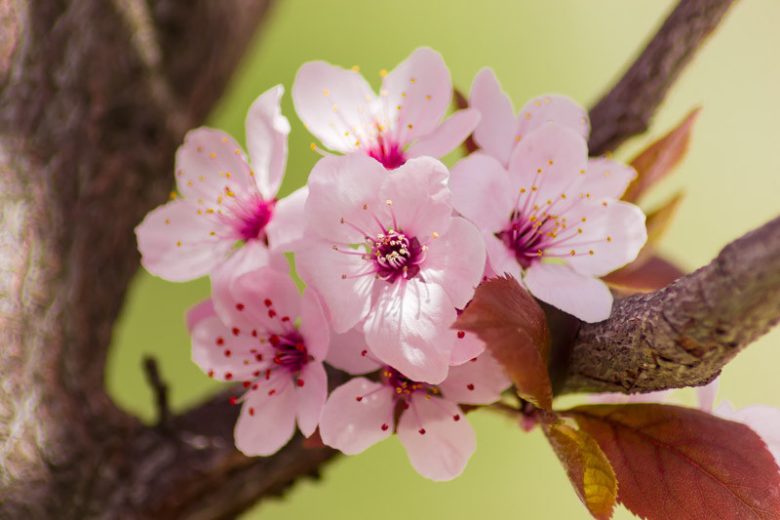
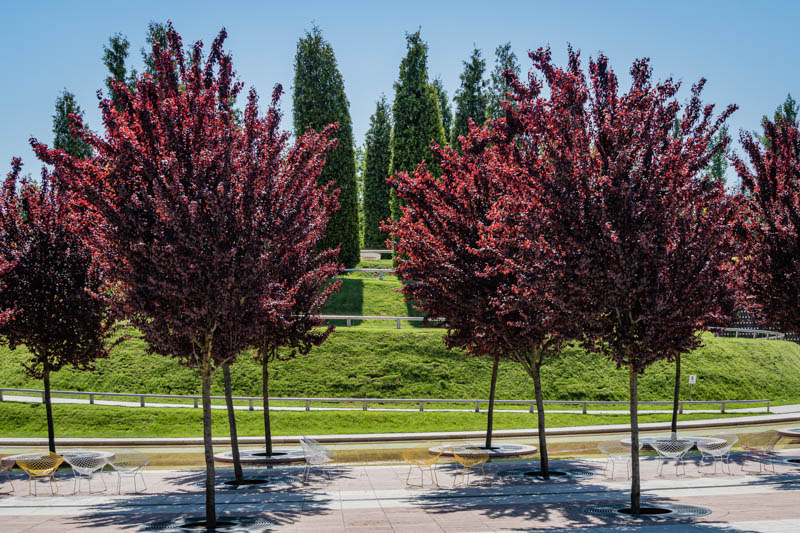
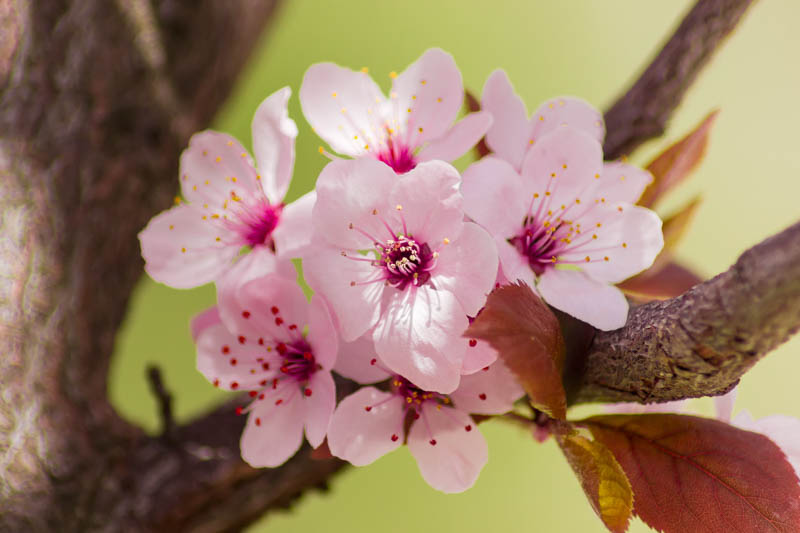
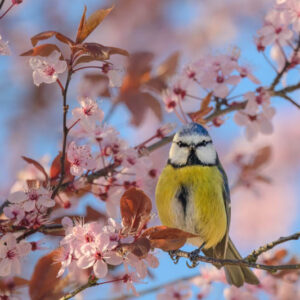
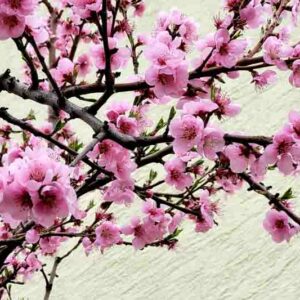
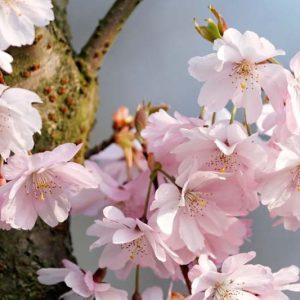
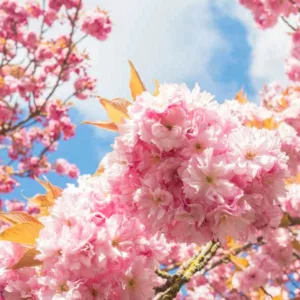
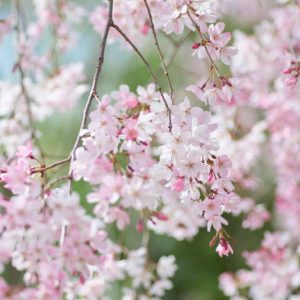
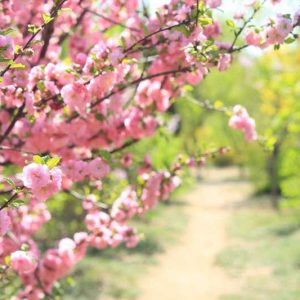
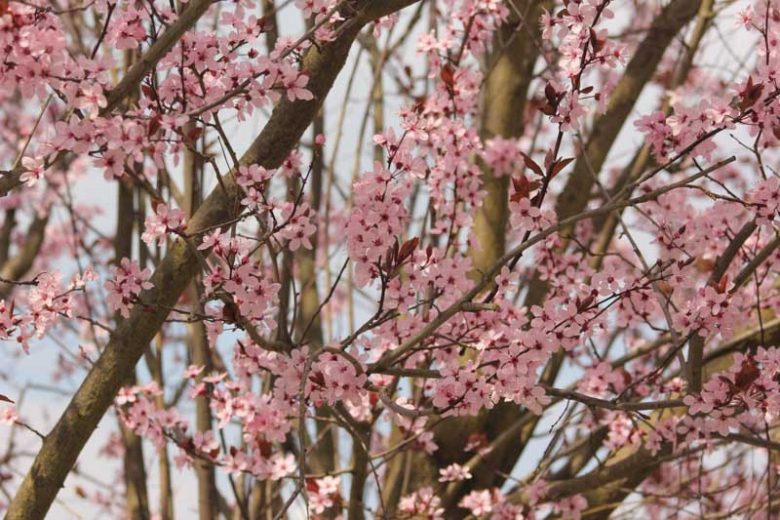
Prunus cerasifera ‘Nigra’ with pale pink blossom and very dark purple foliage

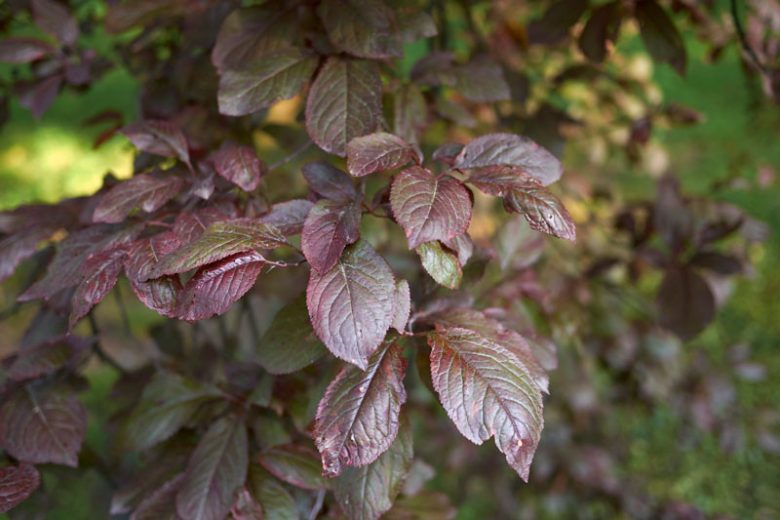
Summary: ‘Nigra’ is the darkest of the purple-leaf plums. Buds blush pale pink in very early spring, then foliage deepens to an espresso-purple that reads almost black in full sun.
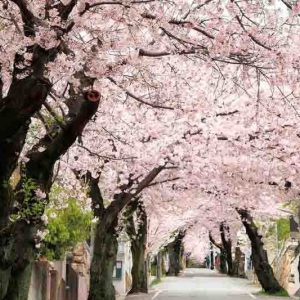
Look: Rounded to oval crown with strong color contrast against greens, silvers, and golds.
Use: Front-yard specimen, modern border anchor, rhythmic allee, wildlife interest, and a little kitchen fun when fruit sets.
Vibe: Bold but easygoing. High style without high maintenance.

Botanical Name Prunus cerasifera ‘Nigra’. Sometimes listed under Prunus cerasifera f. atropurpurea ‘Nigra’.
Family Rosaceae
Common Names Nigra plum, black cherry plum, purple-leaf plum
Plant Type and Habit Deciduous small tree with rounded to oval habit. Naturally denser canopy than ultra-narrow selections
Hardiness (USDA) Zones 5 to 8
Size Commonly 15 to 20 ft tall and wide in landscapes with light annual pruning
Sun and Exposure Full sun for the near-black leaf color. Accepts light shade with some midsummer fade
Soil Average, well drained soil from sandy loam to clay loam. Neutral to slightly acidic pH is fine if drainage is decent
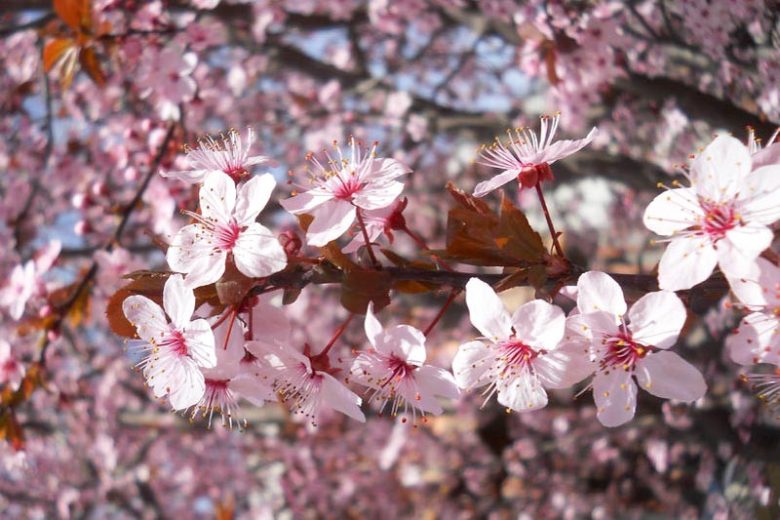
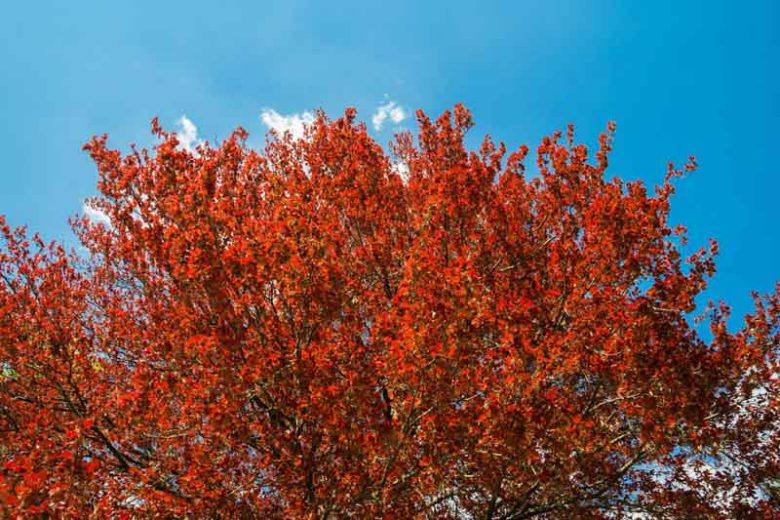
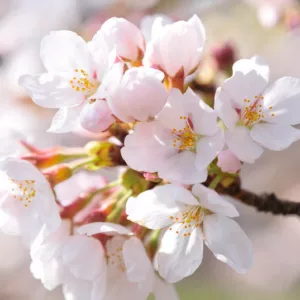
Bloom and Leaf Color Very early pale pink single flowers on bare wood. Foliage emerges red purple and deepens to the darkest purple through summer; can bronze slightly in fall
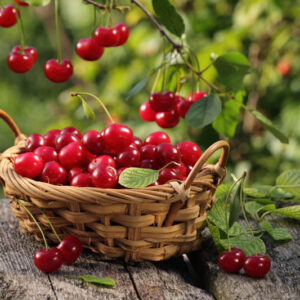
Fruit Small red to burgundy plums. Typically light crops. Edible and attractive to birds
Growth Rate and Lifespan Moderate growth. Typical landscape life 20 to 30 years with good siting and seasonal care
Pollination Partially self-fruitful. Better fruit set and size with another cherry plum that overlaps bloom
Tolerance Some drought tolerance after establishment. Low to moderate salt tolerance. Protect from harsh reflected heat without irrigation
Primary Uses Specimen, modern contrast plant, mixed border anchor, repeating allee, wildlife support, modest kitchen use where fruit ripens
Care (Quick)
  • At least 6 hours of direct sun. More sun gives deeper leaf color and better bloom
  • Water deeply the first two summers. In dry spells, give a weekly soak to keep moisture even
  • Prune right after bloom for light edits. Save bigger structure work for a dry late winter window
  • Mulch a wide ring and keep turf, rocks, and string trimmers off the trunk
  • Harvest or clean up drops to limit pests and volunteering where that is a concern

Meet ‘Nigra’, the moody and refined member of the cherry plum family. Where some purple plums skew rosy, ‘Nigra’ leans into a deep, almost black purple that makes every green plant nearby look brighter. The flowers arrive just as winter loosens its grip. Buds open pale pink on bare wood, bees whisper through the branches, and then the canopy cloaks itself in a glossy wine-purple that stays convincing through summer. It is a reliable way to give a border contrast and a modern edge without resorting to hardscape.

‘Nigra’ has received the Royal Horticultural Society’s Award of Garden Merit (AGM).
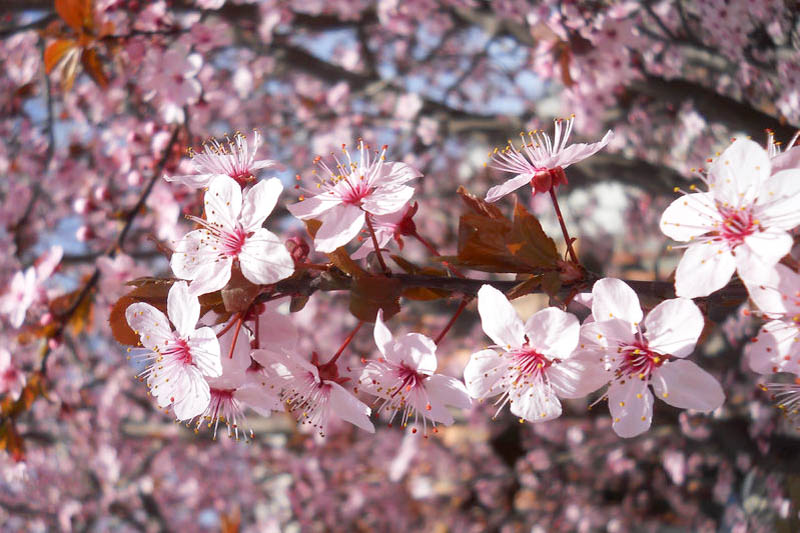
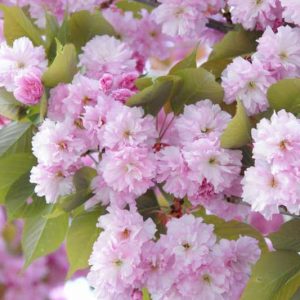
Cherry Plum Flowers, Cherry Plum Blossoms, Purple leaf, Purple Leaf Flowering Plum, Purple Leaf Plum, Prunus cerasifera Nigra

Why Gardeners Pick ‘Nigra’

  • Darkest foliage in the group. In full sun the leaves read near black, which punches up grasses, silvers, and chartreuse companions
  • Early show. Blossom comes very early and feels celebratory after a long winter
  • Design friendly. Rounded to oval habit fits front lawns, mixed borders, and contemporary plantings that crave contrast
  • Low fuss routine. With a good site and a seasonal tidy, care stays simple
  • Wildlife value. Pollinators work the flowers and birds often enjoy the small fruit
Toxicity note. Leaves, stems, and pits contain cyanogenic glycosides. Hazard for pets and livestock if chewed. For people, fruit flesh is fine once pitted. Never blend or cook with unpitted fruit. Seek veterinary or medical advice if pits, leaves, or stems are chewed or ingested.

How It Compares With Other Purple-Leaf Plums

Notes: sizes reflect typical landscape outcomes with light annual pruning. Color depth improves in full sun and leaner soils.

Cultivar Habit & Size Leaf Color Best For Standout Note
Krauter Vesuvius Upright to oval, about 15–25 ft tall x 10–15 ft wide Deep, even burgundy Narrow streets, side yards, allees Slim profile with reliable color
Thundercloud Rounded, about 15–20 ft x 15–20 ft Purple through the season Front yards, lawn specimens Balanced canopy and soft pink bloom
Nigra Rounded to oval, about 15–20 ft x 15–20 ft Very dark purple, nearly black in sun High contrast borders, modern palettes The inkiest foliage of the group
Newport Rounded, about 15–20 ft x 15–20 ft Purple with bronze spring flush Cooler climates with spring chill Color holds well into late summer
Crimson Pointe Very columnar, about 20–25 ft x 6–8 ft Deep burgundy Tight screens, formal lines True pillar form for ultra narrow spots
Pissardii Rounded to spreading, about 15–25 ft x 15–25 ft Red purple maturing to deep burgundy Classic lawns, mixed borders, cottage and traditional schemes The historic standard for purple foliage in small trees

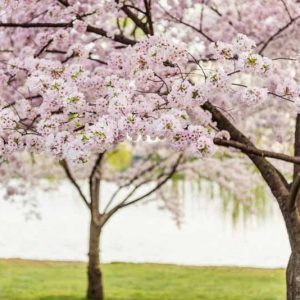
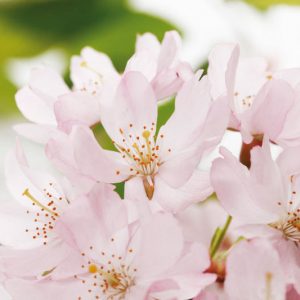
Cherry Plum Flowers, Cherry Plum Blossoms, Purple leaf, Purple Leaf Flowering Plum, Purple Leaf Plum, Prunus cerasifera Nigra

Site, Soil, and Planting

  • Choose the light. Full sun delivers the near-black foliage and a lush bloom. Light afternoon shade can help in very hot regions with a small tradeoff in color depth
  • Think drainage first. Roots like oxygen as much as water. In clay, plant on a broad low mound 4 to 6 inches high and widen the mulch ring rather than digging a sump
  • Spacing for success. For a repeating line, set trees 12 to 15 ft apart so crowns touch lightly without crowding. Near walks or patios, give the crown a 7 to 8 ft radius free of large competitors
  • Frost timing. Bloom is early. In frost-prone gardens, plant where cold air drains and avoid low pockets to protect the floral show and any fruit set
  • Urban heat caution. Avoid tight, reflective courtyards without irrigation. Hot walls and paving plus dry wind can crisp leaves
  • Planting day basics. Set the root flare level with the soil. Keep the graft 2 to 3 inches above grade. Backfill with native soil, water to settle, then mulch 2 to 3 inches deep and keep mulch off the trunk
  • First year care. Water deeply once or twice a week depending on heat and wind. A light spring top-dress of compost is better than heavy fertilizer

Watering, Feeding, and Pruning

  • Watering rhythm. Give deep sessions that moisten 12 to 18 inches down. Let the top inch dry under mulch before watering again. Keep moisture steady during fruit swell for glossy leaves
  • Feeding strategy. Support the soil food web with compost in spring. Use a balanced organic fertilizer only if shoot growth is weak on mature trees, generally under 6 to 8 inches per year
  • Pruning made simple. Right after bloom, step back and thin lightly. Remove dead, damaged, or rubbing wood, shorten crossing shoots, and open dense sections for airflow. Keep cuts small and avoid removing more than one third of the canopy in any year
  • Form options. Train to a single leader for a classic small shade tree or keep a lightly thinned multi-stem for a sculptural courtyard look

Pests, Diseases, and Simple IPM

‘Nigra’ is a steady landscape tree that shares the usual stone fruit challenges. Good siting, seasonal sanitation, and prompt harvest or cleanup usually keep issues minor.

Common pests

  • Aphids: Curled new leaves and sticky honeydew. Blast with water, pinch out the worst tips, and support predators with flowers like alyssum and dill
  • Scale: Hard bumps on twigs that sap vigor. Prune out heavy spots. Dormant horticultural oil in late winter where recommended
  • Spider mites: Fine stippling and dusty webs in heat. Hose foliage, keep mulch, and use labeled oil or insecticidal soap if needed
  • Leafhoppers: Speckled leaves and minor tip damage. Usually cosmetic. Reduce weeds and encourage beneficials
  • Japanese beetles: Lacy leaves in midsummer. Hand pick into soapy water in early morning. Row cover small trees during peak flights if you want pristine foliage
  • Borers such as peach tree borer or shot hole borer: Sawdust-like frass or oozing gum at the trunk. Protect trunks from injury, keep trees vigorous, and consult an arborist if frass persists
  • Birds. Net a section if you want fruit. Otherwise let wildlife enjoy and plan a quick cleanup of drops
  • Deer: New shoots and flowers are tempting. Use cages or repellents on young trees in spring

Diseases

  • Brown rot: Fruit rots as harvest nears. Thin lightly for airflow, harvest promptly, remove mummified fruit, avoid overhead irrigation near ripening
  • Leaf spot and shot hole: Small spots and holes after spring rains. Rake leaves in fall, keep the canopy open, consider a labeled copper program if problems repeat
  • Bacterial canker / blossom blast (Pseudomonas syringae): Dieback, ooze, and blossom browning after cool, wet springs. Prune 8 to 12 inches below symptoms in dry weather, sanitize tools, avoid heavy spring nitrogen, and improve airflow. Copper at bud swell may be advised where pressure is chronic
  • Black knot: Charcoal warty swellings on branches. Prune 6 to 8 inches below visible knots while dormant, bag debris, and disinfect tools each cut
  • Leaf curl (physiological or aphid-induced). Puckered spring leaves are usually weather or aphid related on plums. Remove worst leaves, manage aphids early, keep water consistent. Fungicides are not needed for aphid curl
  • Powdery mildew: White film on young shoots. Improve sun and airflow. Use sulfur or oil products labeled for mildew if necessary
  • Root rot: Waterlogged sites cause decline. Plant high on heavy soils and water deeply but less often

Care Calendar

Season Tasks
Late winter Shape lightly, remove crossing wood, top-dress with compost, refresh mulch
Spring Enjoy bloom, watch for aphids, water during dry spells, thin developing fruit if branches overload
Early to midsummer Harvest in waves, net if needed, prune watersprouts after picking
Fall Deep water before winter in dry climates, clean up fallen fruit and leaves
Winter Check stakes, inspect for cankers, plan any structure tweaks for next season

Harvest, Storage, and Kitchen Notes

Fruit on ‘Nigra’ is a pleasant bonus rather than the headline. In years with good bloom weather and a nearby pollinizing cherry plum, expect light to sometimes moderate crops. The fruit is small with tart-sweet character that shines in simple, quick recipes.

  • When to pick. Look for deep red to dusky burgundy skin with a powdery bloom. Fruit gives slightly under a gentle squeeze and releases with a twist
  • Handling. Chill within an hour of harvest. Store unwashed in a shallow breathable container for 3 to 5 days
  • Easy uses. Halve and roast at 400°F until edges caramelize for breakfast bowls and grilled meats. Simmer with a splash of balsamic and pepper for a glossy glaze. Make a small refrigerator jam for toast or cheese boards
  • Safety tip. Discard pits and keep prunings and windfalls away from pets and livestock. Never blend unpitted fruit

Frequently Asked Questions

What is Prunus cerasifera ‘Nigra’?

A purple-leaf cherry plum with the darkest foliage of the group, pale pink early blossoms, and a rounded to oval habit that suits modern and classic gardens.

How does ‘Nigra’ differ from ‘Pissardii’ or ‘Thundercloud’?

‘Nigra’ holds a deeper, near-black purple in full sun. ‘Pissardii’ runs red-purple. ‘Thundercloud’ is purple through the season with a balanced, rounded canopy.

Will ‘Nigra’ fruit?

Yes, usually lightly. Small red to burgundy plums are edible and loved by birds. A second cherry plum nearby often improves set.

Does it need much pruning?

Not much. Tidy after bloom to remove dead or crossing wood and to open dense sections. Save large cuts for a dry late-winter window.un brings the richest, darkest foliage. Light shade is fine with some midsummer fade.

Is it messy?

Some fruit drop can occur. Rake or harvest during ripening, or net a small section if you want fruit for the kitchen.

Is it safe around pets and kids?

Enjoy the flesh of ripe fruit, but avoid pits, leaves, and stems. These parts contain cyanogenic compounds that can be hazardous if chewed.

Plant ‘Nigra’ if you want a small tree that calls spring early, then delivers confident, near-black foliage for the rest of the season. Give it sun, drainage, and a thoughtful annual tidy. In return you get a compact anchor that frames entries, sharpens borders, supports pollinators, and shares a little fruit with the birds. Easy drama, pleasing rhythm, and a color story that never gets old.

Requirements

Hardiness 4 - 9
Heat Zones 1 - 9
Climate Zones 3, 3A, 3B, 4, 5, 6, 7, 8, 9, 10, 11, 12, 13, 14, 15, 16, 17, 18, 19, 20, 21, 22
Plant Type Trees
Plant Family Rosaceae
Genus Prunus - Flowering Cherry Tree
Common names Cherry Plum, Plum
Exposure Full Sun, Partial Sun
Season of Interest Spring (Early, Mid, Late), Summer (Early, Mid, Late), Fall
Height 15' - 20' (4.6m - 6.1m)
Spread 15' - 20' (4.6m - 6.1m)
Maintenance Low
Water Needs Average
Soil Type Chalk, Clay, Loam, Sand
Soil pH Acid, Alkaline, Neutral
Soil Drainage Moist but Well-Drained, Well-Drained
Characteristics Plant of Merit, Showy
Attracts Bees, Butterflies, Birds
Garden Uses Beds And Borders, Hedges And Screens, Small Gardens
Garden Styles City and Courtyard, Informal and Cottage, Japanese Garden, Traditional Garden
How Many Plants
Do I Need?
Explore Great Plant Combination Ideas
Prunus (Cherry Tree)
Not sure which Prunus (Cherry Tree) to pick?
Compare Now

Alternative Plants to Consider

Prunus cerasifera ‘Pissardi’ (Cherry Plum)
Prunus mume (Plum Blossom)
Prunus x cistena (Purple-Leaf Sand Cherry)
Prunus ilicifolia (Hollyleaf Cherry)
Prunus serotina (Black Cherry)
Prunus caroliniana (Carolina Cherry Laurel)

Recommended Companion Plants

Athyrium filix-femina (Lady Fern)
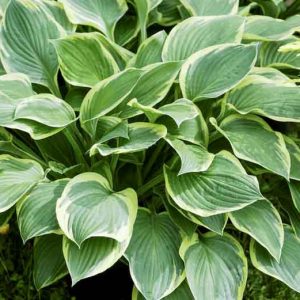
Hosta fortunei var. aureomarginata (Gold-Edged Plantain Lily)
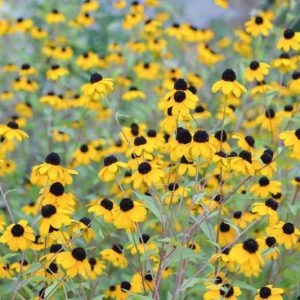
Rudbeckia triloba (Brown-Eyed Susan)
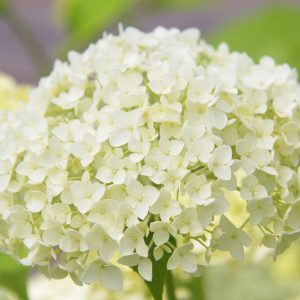
Hydrangea arborescens ‘Annabelle’ (Smooth Hydrangea)
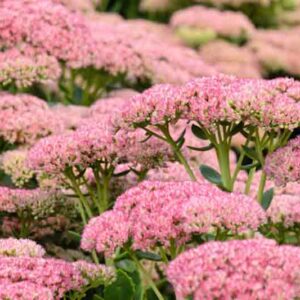
Sedum ‘Herbstfreude’ (‘Autumn Joy’)
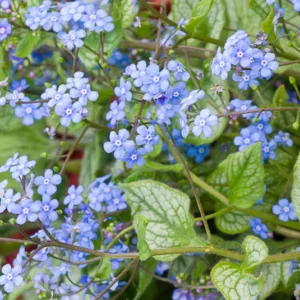
Brunnera macrophylla ‘Jack Frost’ (Siberian Bugloss)

Find In One of Our Guides or Gardens

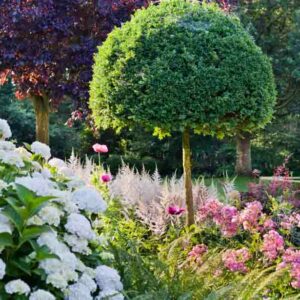
An Elegant Summer Garden Idea with Hydrangea, Rose and Astilbe
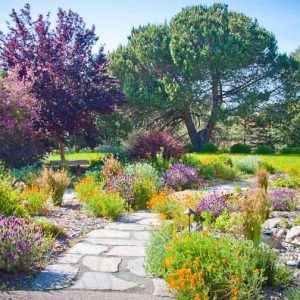
A Singing Mediterranean Pathway
Cherry Plum: Varieties, Growth, and Everyday Uses
Cherry Types: Pick the Perfect Tree & Flavor
33 Fast Growing Trees for Privacy
Small Trees and Shrubs That Attract Birds
Fall-Blooming Shrubs and Small Trees for Big Color
Best Winter-Flowering Trees and Shrubs for Small Gardens
Roots of Life: Exploring the Diverse World of Trees
Prunus (Cherry Blossom)
Green Canopy, Better World: Exploring the Benefits of Trees
Trees that Invite Wildlife to Your Garden
35 Spectacular Flowering Trees for Instant Curb Appeal
Prunus x subhirtella (Higan Cherry)
Prunus pendula (Weeping Cherry Blossom)
Prunus serrulata (Japanese Cherry Blossom)
Prunus x yedoensis (Yoshino Cherry Blossom)
Shrubs and Trees with Attractive Winter Bark
Great Shrubs with Berries for Winter Interest for New England
Late Season Flowering Cherry Trees for Your Garden
Midseason Flowering Cherry Trees for Your Garden
Early Season Flowering Cherry Trees for Your Garden
Blooming Seasons of Cherry Blossom Trees
Fragrant Flowering Cherry Trees for Your Garden
Flowering Cherry Trees with Attractive Fall Colors
Favorite Weeping Cherry Blossoms for Your Garden
Which Cherry Blossom Tree for my Garden?
Pretty Cherry Blossom Trees for Your Garden
While every effort has been made to describe these plants accurately, please keep in mind that height, bloom time, and color may differ in various climates. The description of these plants has been written based on numerous outside resources.
Buy Plants

Requirements

Hardiness 4 - 9
Heat Zones 1 - 9
Climate Zones 3, 3A, 3B, 4, 5, 6, 7, 8, 9, 10, 11, 12, 13, 14, 15, 16, 17, 18, 19, 20, 21, 22
Plant Type Trees
Plant Family Rosaceae
Genus Prunus - Flowering Cherry Tree
Common names Cherry Plum, Plum
Exposure Full Sun, Partial Sun
Season of Interest Spring (Early, Mid, Late), Summer (Early, Mid, Late), Fall
Height 15' - 20' (4.6m - 6.1m)
Spread 15' - 20' (4.6m - 6.1m)
Maintenance Low
Water Needs Average
Soil Type Chalk, Clay, Loam, Sand
Soil pH Acid, Alkaline, Neutral
Soil Drainage Moist but Well-Drained, Well-Drained
Characteristics Plant of Merit, Showy
Attracts Bees, Butterflies, Birds
Garden Uses Beds And Borders, Hedges And Screens, Small Gardens
Garden Styles City and Courtyard, Informal and Cottage, Japanese Garden, Traditional Garden
How Many Plants
Do I Need?
Explore Great Plant Combination Ideas
Prunus (Cherry Tree)
Not sure which Prunus (Cherry Tree) to pick?
Compare Now

Gardening Ideas

Plant Calculator

How many Prunus cerasifera ‘Nigra’ (Black Cherry Plum) do I need for my garden?

Input your garden space dimensions

Your Shopping List

Plant Quantity
Prunus cerasifera ‘Nigra’ (Black Cherry Plum) N/A Buy Plants

Please Login to Proceed

You Have Reached The Free Limit, Please Subscribe to Proceed

Subscribe to Gardenia

To create additional collections, you must be a paid member of Gardenia
  • Add as many plants as you wish
  • Create and save up to 25 garden collections
Become a Member

Plant Added Successfully

Your garden is taking shape. Unlock full planning.

You’ve reached the free limit. Upgrade for $25/year to add as many plants as you wish and save up to 25 garden collections. Unlock Annual Membership

Update Your Credit
Card Information

Cancel

Create a New Collection

Sign Up to Our Newsletter

    You have been subscribed successfully

    Join Gardenia.net

    Create a membership account to save your garden designs and to view them on any device.

    Becoming a contributing member of Gardenia is easy and can be done in just a few minutes. If you provide us with your name, email address and the payment of a modest $25 annual membership fee, you will become a full member, enabling you to design and save up to 25 of your garden design ideas.

    Join now and start creating your dream garden!

    Join Gardenia.net

    Create a membership account to save your garden designs and to view them on any device.

    Becoming a contributing member of Gardenia is easy and can be done in just a few minutes. If you provide us with your name, email address and the payment of a modest $25 annual membership fee, you will become a full member, enabling you to design and save up to 25 of your garden design ideas.

    Join now and start creating your dream garden!
    Find your Hardiness Zone

    Find your Heat Zone

    Find your Climate Zone