Blue Fescue 'Blaufuchs', Festuca glauca Blue Fox, Festuca glauca 'Blue Fox'
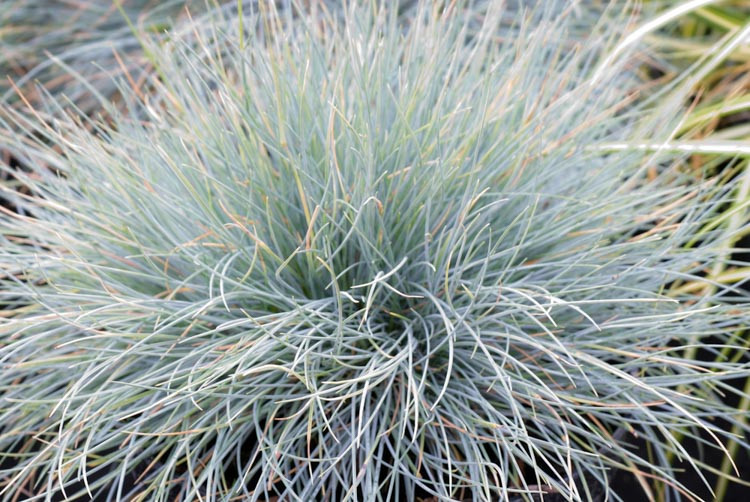
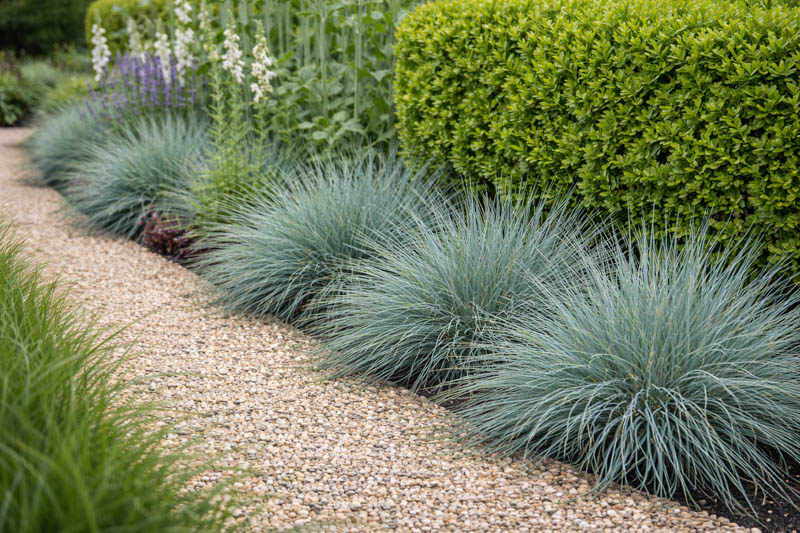
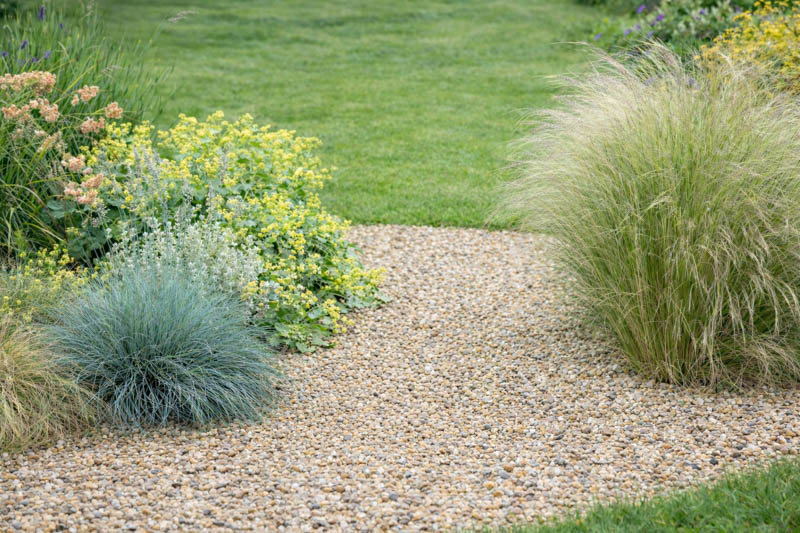
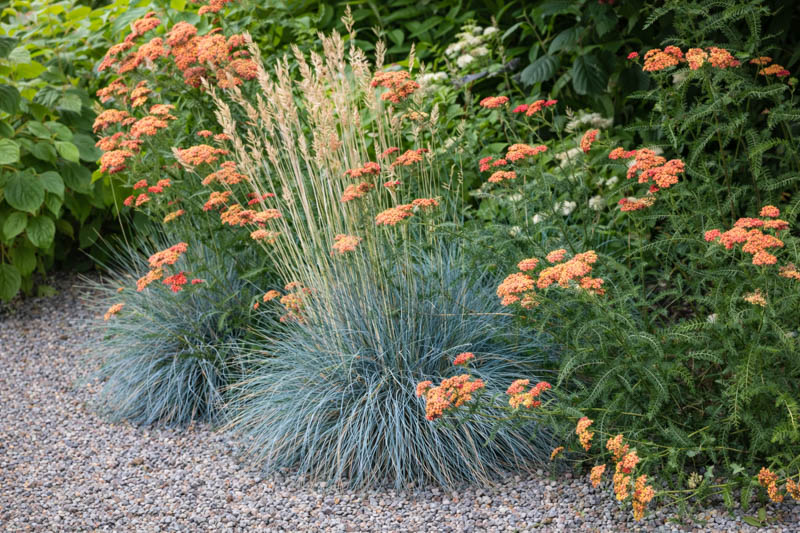


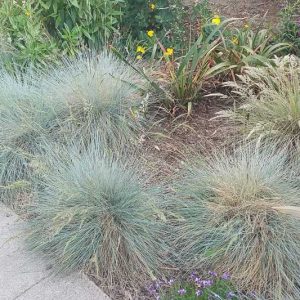
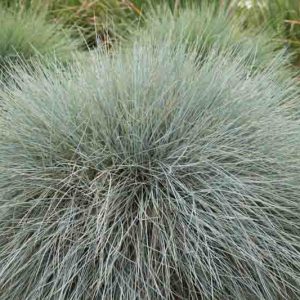
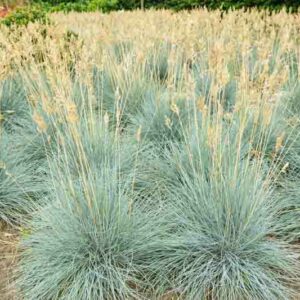
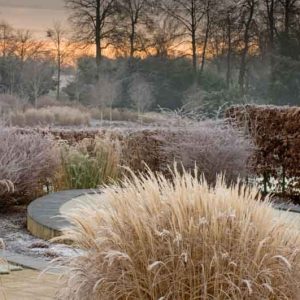
Festuca glauca ‘Blaufuchs’ (also sold as Blue Fescue ‘Blaufuchs’ or Blue Fox) is a small plant with big design impact. It forms a tidy, dwarf mound of brilliant silver-blue foliage that reads crisp, modern, and intentional – even in the smallest spaces. In summer, it adds another layer of charm by sending up upright flower plumes that hover above the foliage like soft, airy wands.
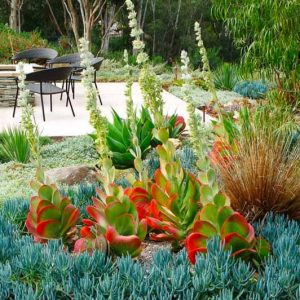
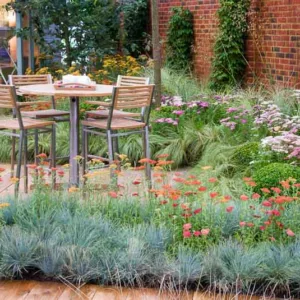
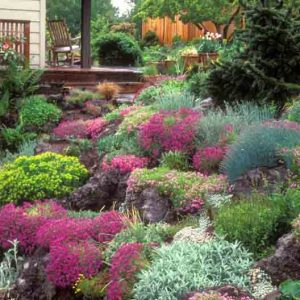
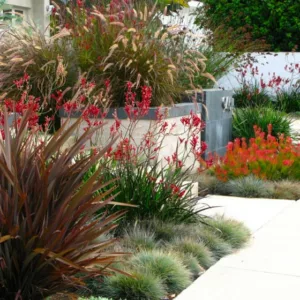
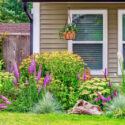
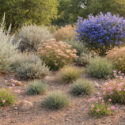
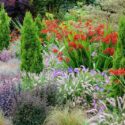
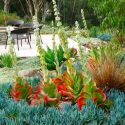
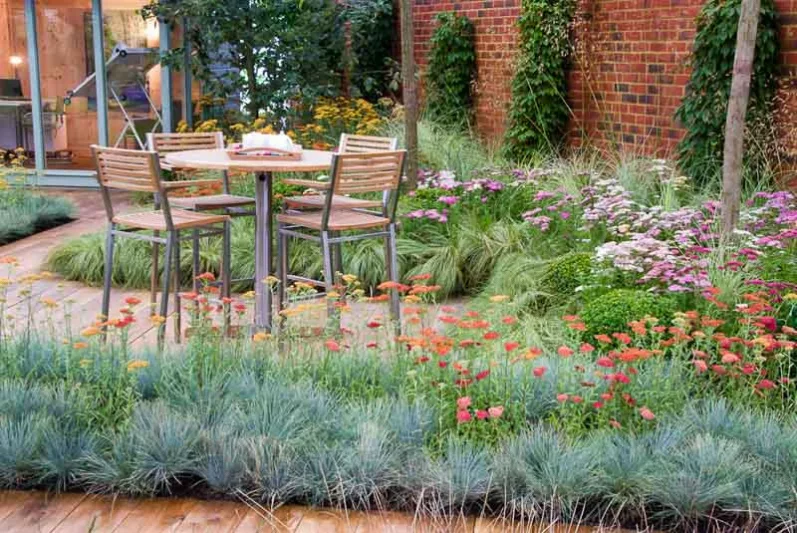
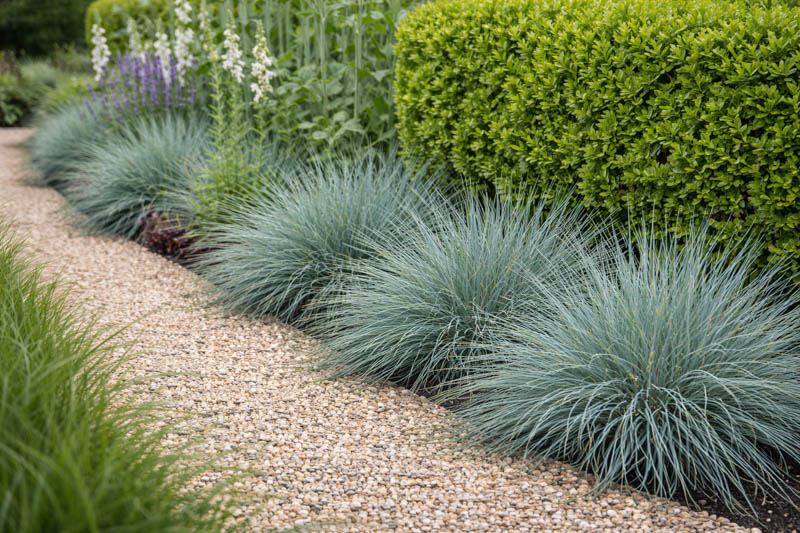
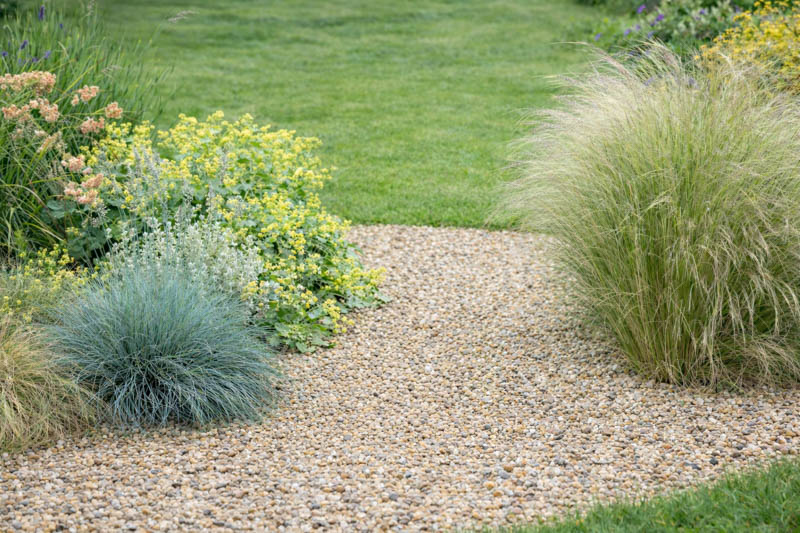
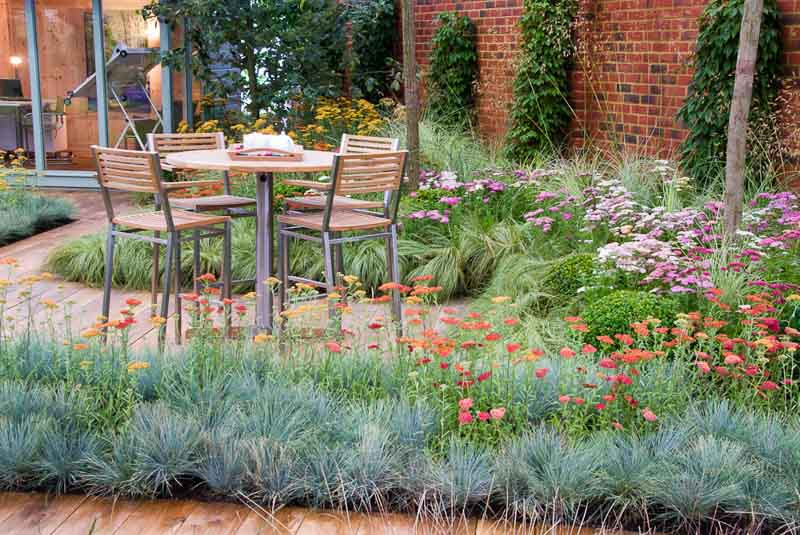
Gardeners love ‘Blaufuchs’ because it fits into real life. It is happy in well-drained soil, doesn’t demand rich feeding, and once established it behaves like a true water-wise plant: reliably drought-tolerant. Use it as a repeat plant along paths, a cool-toned contrast in hot-colored borders, a ground cover in sunny, lean areas, or a sleek accent in containers and rock gardens.
Summary: Dwarf, densely tufted ornamental grass forming a neat mound of silver-blue, needle-like foliage with upright summer flower plumes that fade to tan.
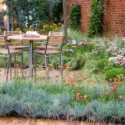
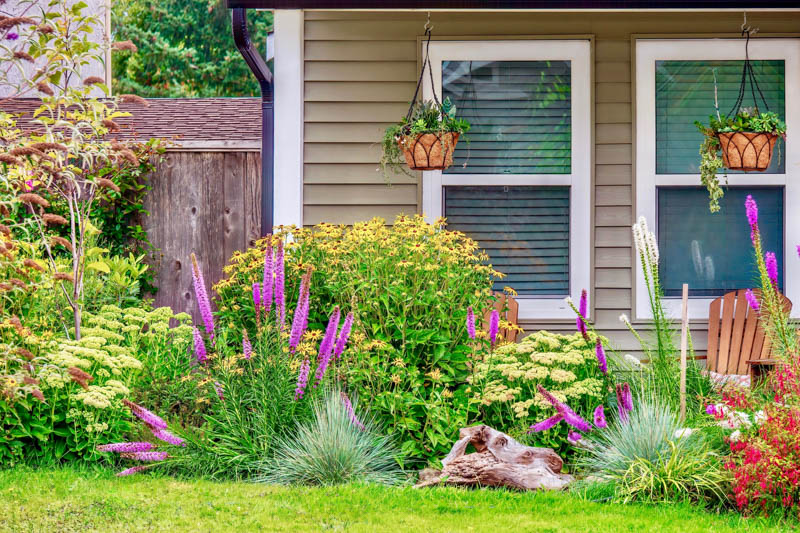
Use: Ideal for borders, edging, mass planting as ground cover, rock gardens, gravel gardens, Mediterranean gardens, city gardens, cottage gardens, and containers.
Highlight: A “cool color” plant that adds structure, texture, and contrast without taking up space.
Note: Best in full sun and well-drained soil; avoid winter-wet sites. Drought-tolerant once established and often considered deer-resistant.
| Botanical Name | Festuca glauca ‘Blaufuchs’ |
|---|---|
| Family | Grass family (Poaceae) |
| Common Names | Blue Fescue, Blue Fescue ‘Blaufuchs’, Blue Fox |
| Native Range | Species native to Central and Southern Europe; ‘Blaufuchs’ is a selected cultivar grown widely |
| Plant Type and Habit | Clump-forming ornamental grass with a tight, mounding habit |
| Hardiness (approx. USDA) | Hardy in USDA Zones 3-9 (best where drainage is excellent and summers are not constantly muggy) |
| Height | 6-8 in. (15-20 cm) |
| Spread | 8-12 in. (20-30 cm) |
| Spacing | 12-24 in. (30-60 cm) depending on whether you want a carpeted look or distinct mounds |
| Sun and Exposure | Best in full sun for strongest blue color; light shade is helpful in very hot summer climates |
| Soil | Prefers poor to moderately fertile, well-drained soil; thrives in sandy, gravelly, or chalky sites |
| Seasonal Interest | Fresh color in spring and fall; summer flower plumes add height and movement |
| Flower Color | Bluish at first, maturing to light tan |
| Foliage Color | Striking silver-blue, needle-like foliage |
| Fragrance | Not grown for fragrance |
| Drought Tolerant | Yes (once established) |
| Heat Tolerant | Moderate (best with airflow and sharp drainage; tolerates heat but dislikes constant humidity) |
| Salt Tolerant | Moderate in well-drained soils |
| Pollution Tolerant | Often performs well in city gardens when drainage is good |
| Poor Soil Tolerant | Yes – lean soil helps keep the mound tight and blue |
| Nectar / Pollen | Limited (grown mainly for foliage; flowers may support small insects) |
| Attracts | Some beneficial insects; seed heads may interest small birds |
| Deer / Rabbit | Often considered deer-resistant |
| Toxicity | Generally considered low toxicity; discourage pets from chewing |
| Invasive Status | Not considered invasive in typical garden use |
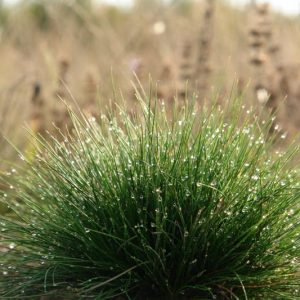
Picture a small, living mound of silver-blue needles – that’s ‘Blaufuchs’. The foliage is finely textured, almost hair-like, and it naturally forms a dense, rounded clump. In design terms, it behaves like a “soft sculpture”: always neat, always structured, and always adding contrast to broader leaves and bolder flowers.
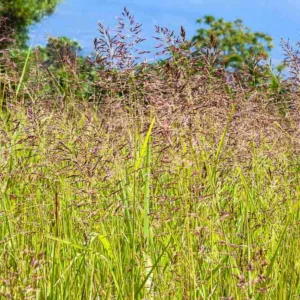
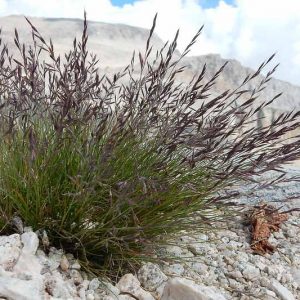
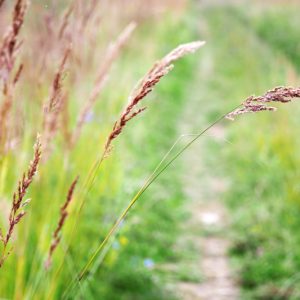
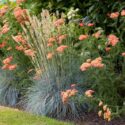
In summer, upright stems rise above the mound and carry slender plumes. Early on, the flowers echo the blue-green tones of the foliage; as they mature, they fade to a light tan. Some gardeners love that airy, meadowy vibe. Others prefer a pure foliage look and simply snip the plumes off for a cleaner outline.
The species Festuca glauca comes from Central and Southern Europe, where it naturally grows in open, bright conditions with fast drainage. That origin story explains the “rules” of success: give it light, give it air, and do not let it sit in wet soil – especially in winter.
‘Blaufuchs’ is a true dwarf ornamental grass, typically staying around 6-8 inches tall (15-20 cm) and widening to roughly 8-12 inches (20-30 cm). It is a cool-season grass, so it often looks freshest in spring and fall, and it can slow down a bit during hot, humid stretches. The good news is that in the right conditions it stays remarkably tidy and doesn’t flop or sprawl.
Bloom time is usually summer. The plumes add a gentle vertical accent above the mound, which is especially effective when you repeat the plant in drifts. If you like a crisp, minimal look, shear off the flower stems as they appear. If you like movement, let them stand and enjoy the soft sway.
The headline feature is the foliage: silver-blue, needle-like, and densely tufted. That cool tone is a designer favorite because it makes nearby colors look sharper – yellows look sunnier, reds look richer, and purple flowers look more saturated.
Festuca glauca ‘Blaufuchs’ is widely grown across a broad range, commonly listed as hardy in USDA Zones 3-9. In cold zones, the plant’s main challenge is not temperature – it’s winter moisture. In warm, humid areas, airflow and drainage are the difference between a long-lived clump and a short-lived one.
While Blue Fescue ‘Blaufuchs’ is mainly grown for ornamental foliage, it still has ecological “micro-value.” The clumps offer small shelter near the soil surface, and the summer seed heads may provide minor interest for insects and small birds.
In many gardens, ‘Blaufuchs’ is considered deer-resistant. That said, any plant can be sampled when food is scarce. If you are building a tougher border, these guides can help:
Once established, Festuca glauca ‘Blaufuchs’ is reliably drought-tolerant. The key is deep, occasional watering rather than frequent sprinkling. Let the soil dry between soakings, and remember: wet winter soil is the fastest route to decline for most Blue Fescue cultivars.
If you are planning a low-irrigation planting, these resources can help with plant choices and pairing:
Blue Fescue is generally considered low risk as an ornamental. Still, discourage pets from chewing on foliage (any grass-like plant can tempt nibblers). If you have a determined chewer, use containers out of reach or place plants behind a simple barrier.
‘Blaufuchs’ is not considered invasive in typical garden use. It may self-seed lightly in ideal conditions, but seedlings are usually sparse and easy to remove.
Go easy on fertilizer. With Blue Fescue, “more food” often means softer growth, greener color, and a faster decline. If your soil is reasonably decent, you can skip feeding entirely. If you do feed, keep it light – think a small spring top-dressing of compost, not a heavy fertilizer routine.
Blue Fescue ‘Blaufuchs’ is generally trouble-free. If something goes wrong, it is usually a culture issue (too wet, too shaded, too crowded) rather than a pest invasion.
Yes. Once established, Festuca glauca ‘Blaufuchs’ is drought tolerant and performs best in dry to medium, well-drained soils. It is an excellent choice for low-water borders, rock gardens, gravel gardens, and xeriscape-style plantings.
Full sun is best for the strongest silver-blue color and the tightest mound. In too much shade, the foliage often turns greener and the clump can loosen.
Tidy or shear the plant in late winter, just before fresh growth begins. You can also remove flower stems in summer if you prefer a clean foliage mound.
Often, yes. Blue Fescue is commonly considered deer resistant, though no plant is completely browse-proof in times of hunger.
It typically forms a compact mound about 6–8 inches tall (15–20 cm) and 8–12 inches wide (20–30 cm), with summer flower plumes rising above the foliage.
Royal Horticultural Society (RHS) – Blue Fescue cultivation notes and landscape use
Missouri Botanical Garden Plant Finder – cultural guidance, maintenance, and garden performance
Gardenia.net – drought tolerance, deer resistance, and design ideas
Updated: January 2026 – Reviewed by Gardenia Editors
| Hardiness |
3 - 9 |
|---|---|
| Heat Zones |
1 - 8 |
| Climate Zones | 1, 2, 3, 4, 5, 6, 7, 8, 9, 10, 11, 12, 13, 14, 15, 16, 17, 18, 19, 20, 21, 22, 23, 24 |
| Plant Type | Ornamental Grasses |
| Plant Family | Poaceae |
| Genus | Festuca |
| Common names | Blue Fescue, Fescue |
| Exposure | Full Sun |
| Season of Interest | Spring (Mid, Late), Summer (Early, Mid, Late), Fall |
| Height | 6" - 8" (15cm - 20cm) |
| Spread | 8" - 1' (20cm - 30cm) |
| Spacing | 12" - 24" (30cm - 60cm) |
| Maintenance | Low |
| Water Needs | Low |
| Soil Type | Chalk, Loam, Sand |
| Soil pH | Acid, Alkaline, Neutral |
| Soil Drainage | Moist but Well-Drained, Well-Drained |
| Characteristics | Showy, Evergreen, Semi-Evergreen |
| Tolerances | Drought, Deer, Dry Soil, Rocky Soil, Heat, Black Walnut, Poor Soil, Fire |
| Garden Uses | Beds And Borders, Edging, Ground Covers, Patio And Containers |
| Garden Styles | City and Courtyard, Gravel and Rock Garden, Informal and Cottage, Mediterranean Garden |
| Toxic to Humans | No known toxicity |
| Toxic to Cats | No known toxicity |
| Toxic to Dogs | No known toxicity |
| Toxic to Horses | No known toxicity |


| Hardiness |
3 - 9 |
|---|---|
| Heat Zones |
1 - 8 |
| Climate Zones | 1, 2, 3, 4, 5, 6, 7, 8, 9, 10, 11, 12, 13, 14, 15, 16, 17, 18, 19, 20, 21, 22, 23, 24 |
| Plant Type | Ornamental Grasses |
| Plant Family | Poaceae |
| Genus | Festuca |
| Common names | Blue Fescue, Fescue |
| Exposure | Full Sun |
| Season of Interest | Spring (Mid, Late), Summer (Early, Mid, Late), Fall |
| Height | 6" - 8" (15cm - 20cm) |
| Spread | 8" - 1' (20cm - 30cm) |
| Spacing | 12" - 24" (30cm - 60cm) |
| Maintenance | Low |
| Water Needs | Low |
| Soil Type | Chalk, Loam, Sand |
| Soil pH | Acid, Alkaline, Neutral |
| Soil Drainage | Moist but Well-Drained, Well-Drained |
| Characteristics | Showy, Evergreen, Semi-Evergreen |
| Tolerances | Drought, Deer, Dry Soil, Rocky Soil, Heat, Black Walnut, Poor Soil, Fire |
| Garden Uses | Beds And Borders, Edging, Ground Covers, Patio And Containers |
| Garden Styles | City and Courtyard, Gravel and Rock Garden, Informal and Cottage, Mediterranean Garden |
| Toxic to Humans | No known toxicity |
| Toxic to Cats | No known toxicity |
| Toxic to Dogs | No known toxicity |
| Toxic to Horses | No known toxicity |
How many Festuca glauca ‘Blaufuchs’ (Blue Fescue) do I need for my garden?
| Plant | Quantity | |
|---|---|---|
| Festuca glauca ‘Blaufuchs’ (Blue Fescue) | N/A | Buy Plants |
Create a membership account to save your garden designs and to view them on any device.
Becoming a contributing member of Gardenia is easy and can be done in just a few minutes. If you provide us with your name, email address and the payment of a modest $25 annual membership fee, you will become a full member, enabling you to design and save up to 25 of your garden design ideas.
Join now and start creating your dream garden!
Create a membership account to save your garden designs and to view them on any device.
Becoming a contributing member of Gardenia is easy and can be done in just a few minutes. If you provide us with your name, email address and the payment of a modest $25 annual membership fee, you will become a full member, enabling you to design and save up to 25 of your garden design ideas.
Join now and start creating your dream garden!