Darwin’s Barberry, Darwin Barberry, Darwin’s Berberis, Barberry
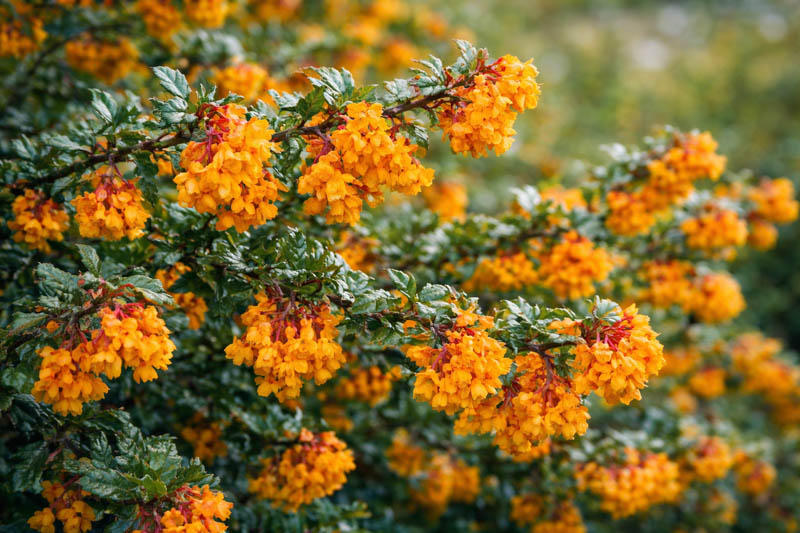
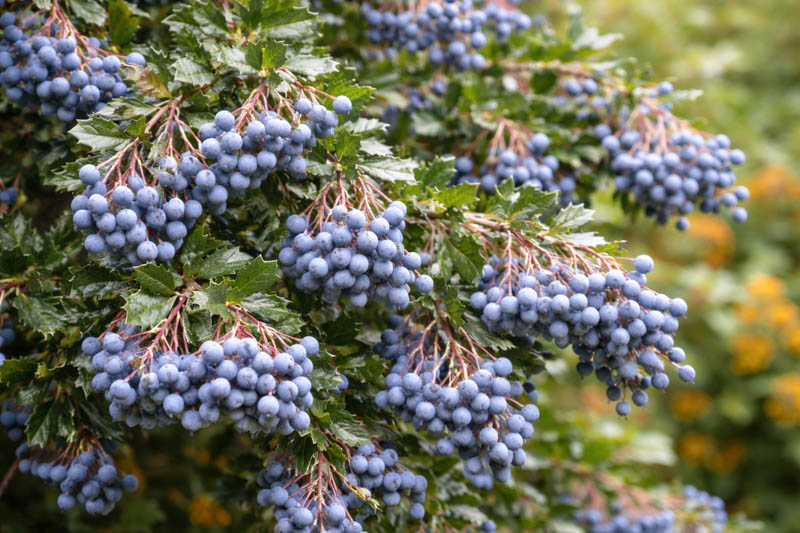
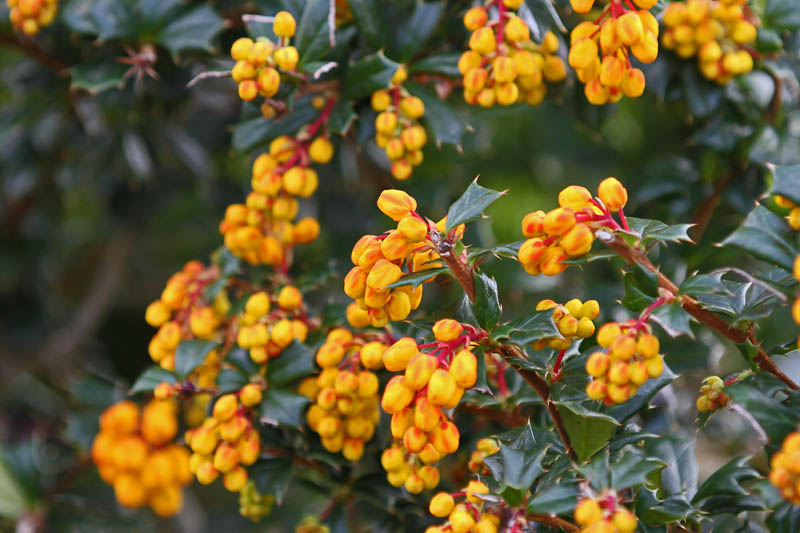
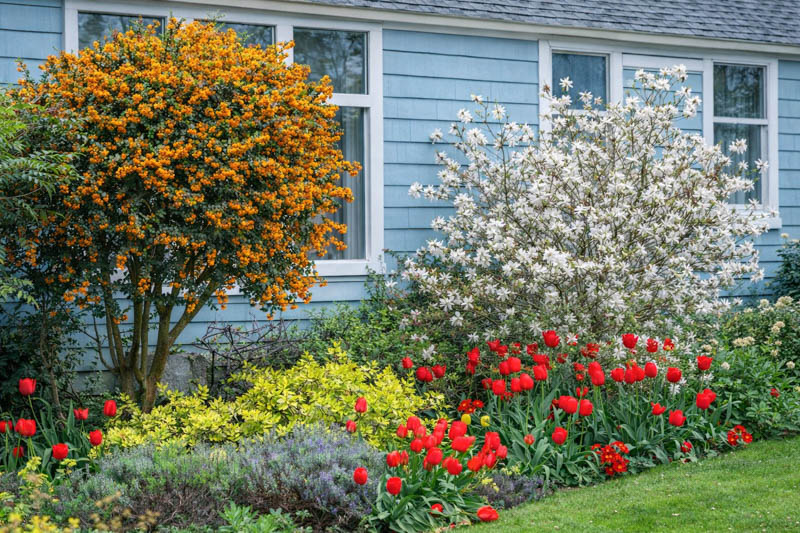
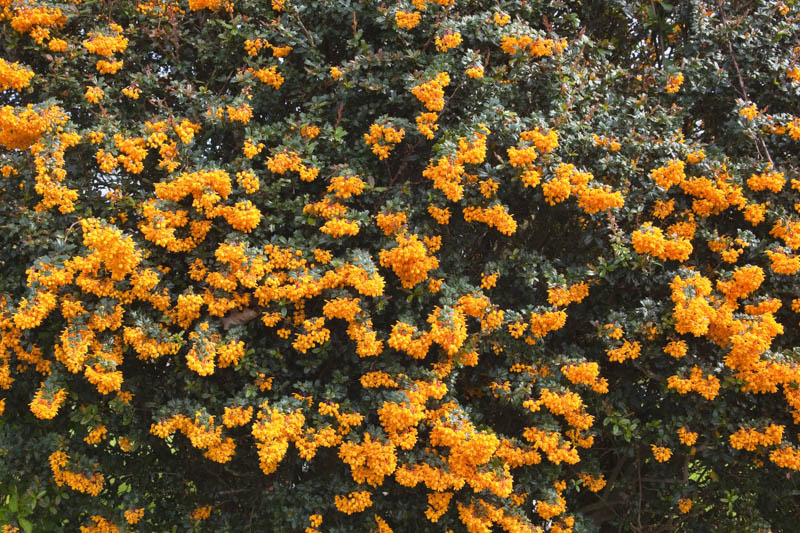


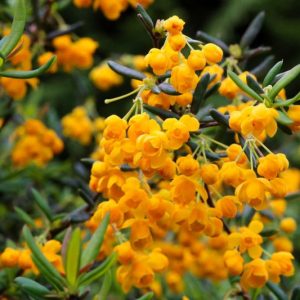
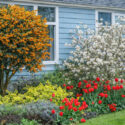
If you are dreaming of an evergreen shrub that delivers stunning year-round color, supports wildlife, thrives in tough conditions, and requires almost no maintenance, Berberis darwinii, commonly known as Darwin’s Barberry, is a remarkable choice. This dense, arching shrub offers glowing orange flowers in spring, glossy blue-black berries in fall, and deeply attractive foliage throughout the year.
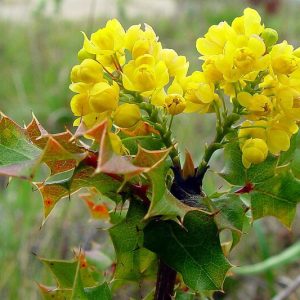
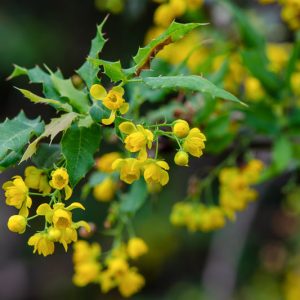
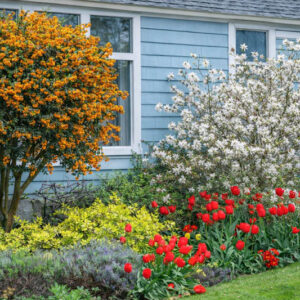
Darwin’s Barberry is celebrated for its rich architectural structure, small holly-like leaves, and clusters of vivid orange-yellow flowers that appear in early to mid-spring. These blooms are famously nectar-rich and are followed by edible berries enjoyed by birds. Robust, versatile, and highly ornamental, Berberis darwinii thrives in borders, hedges, foundation plantings, naturalistic gardens, and wildlife-friendly landscapes.
Summary: Dense, evergreen shrub with arching stems, spiny holly-like foliage, bright orange spring flowers, and dark fall berries.
Use: Perfect for hedges, wildlife gardens, privacy screens, security plantings, mixed borders, coastal gardens, and erosion control.
Highlight: Outstanding year-round interest with spring blooms, fall fruit, and evergreen texture.
Note: Highly adaptable and tolerates wind, dry soils, salt, and poor fertility.
| Botanical Name | Berberis darwinii |
|---|---|
| Family | Barberry family (Berberidaceae) |
| Common Names | Darwin’s Barberry, Uva de la Cordillera |
| Native Range | Native to Chile and Argentina in South America. |
| Plant Type and Habit | Evergreen shrub, dense, bushy, and arching with thorny stems. |
| Hardiness (approx. USDA) | Hardy in USDA Zones 7 to 10. |
| Size | Typically grows 5 to 10 ft. tall and 4 to 10 ft. wide. |
| Sun and Exposure | Full sun to partial shade. More flowers and berries in full sun. |
| Soil | Thrives in well-drained soil and tolerates poor, rocky, or dry conditions once established. |
| Seasonal Interest | Orange flowers in spring, blue-black berries in fall, and evergreen foliage year-round. |
| Primary Uses | Hedges, screens, wildlife plantings, coastal gardens, foundation plantings, and defensive/security hedges. |
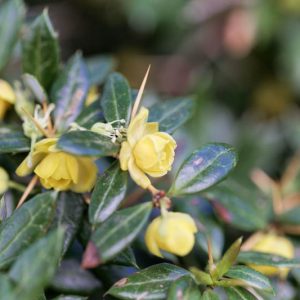
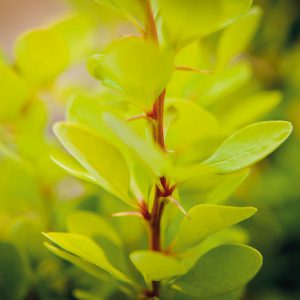
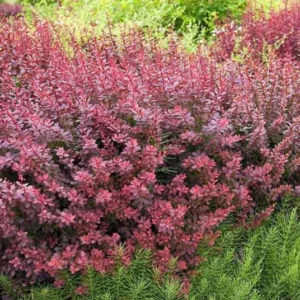
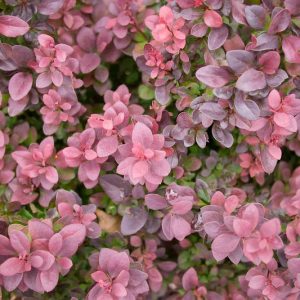
Berberis darwinii is a dense, evergreen shrub notable for its spiny branches, small glossy leaves, and dramatic spring flower clusters. The foliage is dark green, leathery, and holly-like, forming a compact yet arching silhouette that remains attractive all year.
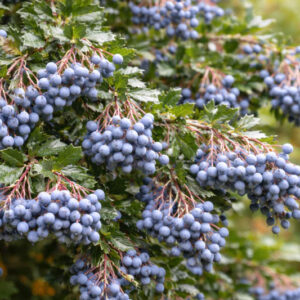
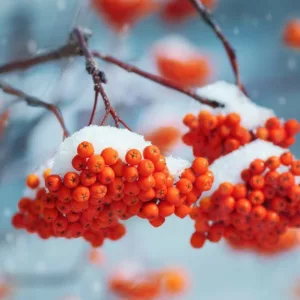
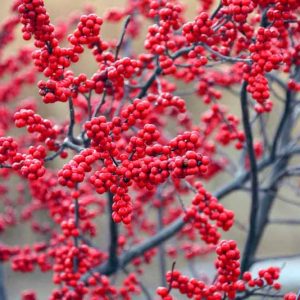
In mid-spring, the plant bursts into bloom with abundant clusters of orange to golden orange flowers. These are followed by edible dark blue berries in fall that attract birds and offer nutritional value.
Darwin’s Barberry is the recipient of the prestigious Award of Garden Merit of the Royal Horticultural Society.
Darwin’s Barberry is native to southern Chile and Argentina, where it grows in cool temperate forests. It adapts exceptionally well to oceanic climates and mountainous areas.
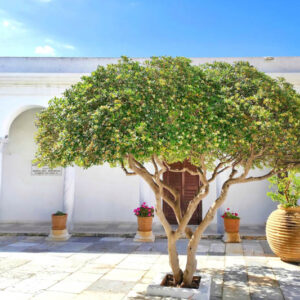
This shrub grows with a naturally arching, fountain-like form. At maturity, it reaches 5–10 ft. tall and 4-10 ft. wide, though it can be pruned to form tidy hedges. It grows at a moderate rate, averaging 12 to 18 inches of new growth per year under favorable conditions. Its thorny stems make it excellent for security or barrier plantings. Average lifespan: 20–40 years.
Flowering heavily in spring, the clusters of orange blooms are highly ornamental and provide early-season nectar for pollinators. The display typically lasts several weeks.
The evergreen foliage gives the shrub a year-round presence. Small, spiny leaves offer texture and shine, while fall berries bring wildlife activity and seasonal color.
Hardy in USDA Zones 7–10, the shrub tolerates cold winters, mild summers, wind, salt, and poor soils. It is especially suited to coastal and maritime climates.
Darwin’s Barberry is beloved for its ecological value. The flowers provide nectar to bees and butterflies, and the berries feed birds, making it a strong choice for wildlife-friendly gardens.
The thorny structure and leathery leaves make the plant highly deer resistant.
Once established, the shrub is remarkably drought tolerant and thrives even in dry, rocky soils.
Berberis species contain alkaloids but are not generally considered highly toxic. The berries are edible in small amounts, though sour.
Outside its native range, especially in mild regions, Berberis darwinii can naturalize. It becomes invasive primarily because its berries are highly attractive to birds, which disperse seeds widely into undisturbed habitats. The shrub germinates easily, tolerates shade, and thrives in poor or rocky soils, allowing it to outcompete native vegetation. It is considered invasive in New Zealand, parts of south-eastern Australia, and localized areas of the western United States, particularly California and Oregon.
Prefers:
Generally pest-resistant. Occasional issues include aphids or scale insects on stressed plants.
Possible concerns:
Berberis darwinii can be invasive in mild, maritime climates because birds disperse its berries widely, allowing seedlings to establish in woodlands, scrublands, and roadsides. It is considered invasive in New Zealand, Australia, California, and parts of the Pacific Northwest, including Oregon, Washington, and British Columbia.
Yes. It is a fully evergreen shrub with small, glossy, holly-like leaves that remain on the plant throughout the year, offering excellent structure even in winter.
A mature plant typically reaches 8 to 10 feet in height and 6 to 8 feet in width, forming a dense, arching, dome-shaped shrub.
Yes. The spring flowers provide nectar for early pollinators, and the fall berries are highly attractive to birds. Its dense branching also provides shelter and nesting opportunities.
Yes. The shrub’s thorny stems and tough, spiny foliage make it highly resistant to browsing by deer and rabbits.
It grows best in full sun to partial shade, in well-drained soils. Once established, it is drought tolerant and handles coastal wind, poor soils, and exposed sites well.
It typically flowers in mid-spring, producing clusters of bright orange to orange-yellow blooms. Flowering can last several weeks depending on climate.
Yes. The berries are edible, though tart, and can be used in jams or preserved recipes. They are small and seedy but valued in some regions for their flavor.
Updated: December 2025 • Reviewed by Gardenia Editors
| Hardiness |
7 - 11 |
|---|---|
| Heat Zones |
7 - 9 |
| Climate Zones | 5, 6, 7, 8, 9, 14, 15, 16, 17, 18, 19, 20, 21, 22, 23, 24 |
| Plant Type | Shrubs |
| Plant Family | Berberidaceae |
| Genus | Berberis |
| Exposure | Full Sun, Partial Sun |
| Season of Interest | Spring (Mid, Late), Summer (Early, Mid, Late), Fall |
| Height | 5' - 10' (150cm - 3m) |
| Spread | 4' - 10' (120cm - 3m) |
| Spacing | 48" - 120" (120cm - 3m) |
| Maintenance | Low |
| Water Needs | Low, Average |
| Soil Type | Chalk, Clay, Loam, Sand |
| Soil pH | Acid, Alkaline, Neutral |
| Soil Drainage | Moist but Well-Drained, Well-Drained |
| Characteristics | Plant of Merit, Showy, Evergreen, Fruit & Berries |
| Tolerances | Drought, Deer, Salt, Heat, Fire |
| Attracts | Birds |
| Garden Uses | Beds And Borders, Hedges And Screens |
| Garden Styles | City and Courtyard, Coastal Garden, Informal and Cottage |
| Toxic to Humans | No known toxicity |
| Toxic to Cats | No known toxicity |
| Toxic to Dogs | No known toxicity |
| Toxic to Horses | No known toxicity |


| Hardiness |
7 - 11 |
|---|---|
| Heat Zones |
7 - 9 |
| Climate Zones | 5, 6, 7, 8, 9, 14, 15, 16, 17, 18, 19, 20, 21, 22, 23, 24 |
| Plant Type | Shrubs |
| Plant Family | Berberidaceae |
| Genus | Berberis |
| Exposure | Full Sun, Partial Sun |
| Season of Interest | Spring (Mid, Late), Summer (Early, Mid, Late), Fall |
| Height | 5' - 10' (150cm - 3m) |
| Spread | 4' - 10' (120cm - 3m) |
| Spacing | 48" - 120" (120cm - 3m) |
| Maintenance | Low |
| Water Needs | Low, Average |
| Soil Type | Chalk, Clay, Loam, Sand |
| Soil pH | Acid, Alkaline, Neutral |
| Soil Drainage | Moist but Well-Drained, Well-Drained |
| Characteristics | Plant of Merit, Showy, Evergreen, Fruit & Berries |
| Tolerances | Drought, Deer, Salt, Heat, Fire |
| Attracts | Birds |
| Garden Uses | Beds And Borders, Hedges And Screens |
| Garden Styles | City and Courtyard, Coastal Garden, Informal and Cottage |
| Toxic to Humans | No known toxicity |
| Toxic to Cats | No known toxicity |
| Toxic to Dogs | No known toxicity |
| Toxic to Horses | No known toxicity |
How many Berberis darwinii (Darwin’s Barberry) do I need for my garden?
| Plant | Quantity | |
|---|---|---|
| Berberis darwinii (Darwin’s Barberry) | N/A | Buy Plants |
Create a membership account to save your garden designs and to view them on any device.
Becoming a contributing member of Gardenia is easy and can be done in just a few minutes. If you provide us with your name, email address and the payment of a modest $25 annual membership fee, you will become a full member, enabling you to design and save up to 25 of your garden design ideas.
Join now and start creating your dream garden!
Create a membership account to save your garden designs and to view them on any device.
Becoming a contributing member of Gardenia is easy and can be done in just a few minutes. If you provide us with your name, email address and the payment of a modest $25 annual membership fee, you will become a full member, enabling you to design and save up to 25 of your garden design ideas.
Join now and start creating your dream garden!