Holes appearing in your Hostas overnight? Learn how to identify slug and snail damage and protect vulnerable plants without relying on garden myths. Discover what really works, what has mixed evidence, and when to use hand-picking, traps, nematodes, barriers, baits, smarter watering, and tougher Hosta varieties.


Few things are more frustrating than watching a beautiful Hosta unfurl in spring only to find its fresh leaves riddled with holes a few nights later. Slugs and snails are among the most troublesome Hosta pests, and tender emerging foliage can be damaged before it has even finished opening.
The answer is not to keep Hostas dry, surround them with coffee grounds, or automatically reach for slug pellets. The most effective approach combines accurate identification, early monitoring, removal of unnecessary hiding places, hand-picking or trapping where practical, targeted protection of vulnerable plants, and tougher Hosta cultivars where damage is a recurring problem.
This guide explains how to recognize slug and snail damage, when Hostas are most vulnerable, which control methods are genuinely useful, where horticultural authorities disagree, which familiar home remedies should not be relied upon, and how plant choice can make a Hosta border more resilient.
The goal is not necessarily to eliminate every slug from the garden. Slugs and snails are part of the garden ecosystem. The practical goal is to keep damage at an acceptable level while maintaining healthy Hostas and avoiding unnecessary intervention.
The key to protecting Hostas: Focus control where vulnerable Hosta growth, active slugs or snails, and convenient shelter occur together. A newly emerging Hosta beside damp debris needs far more attention than a mature, thick-leaved plant in an open bed.
| What You See | Possible Cause | What to Check |
|---|---|---|
| Irregular holes through leaves | Slugs or snails | Slime trails, nighttime activity, nearby hiding places |
| Young leaves shredded before opening | Heavy early-season feeding | Inspect emerging crowns after dark |
| Silvery slime trails | Slug or snail activity | Trace trails toward damp shelter |
| Tan spots whose centers later fall out | Possible anthracnose | Look for darker lesion borders |
| Large portions of foliage torn away | Deer, hail, wind, or other damage | Tracks, petiole damage, recent weather |
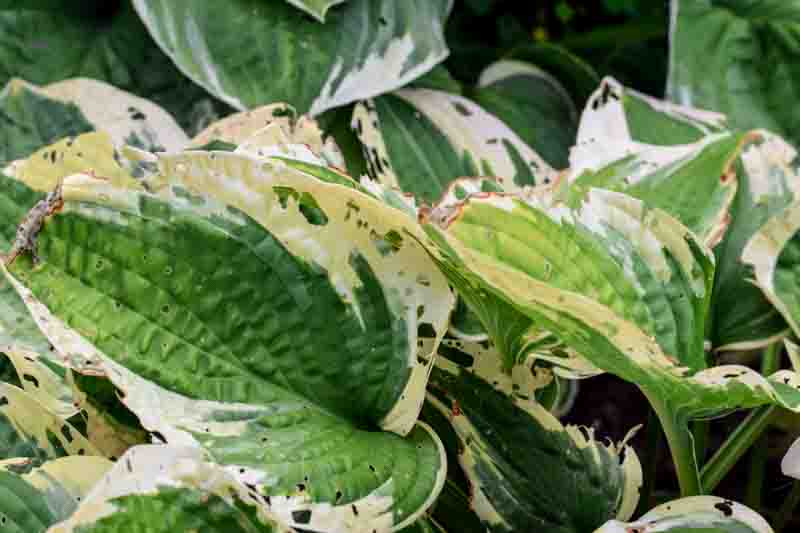
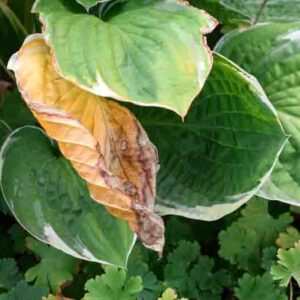
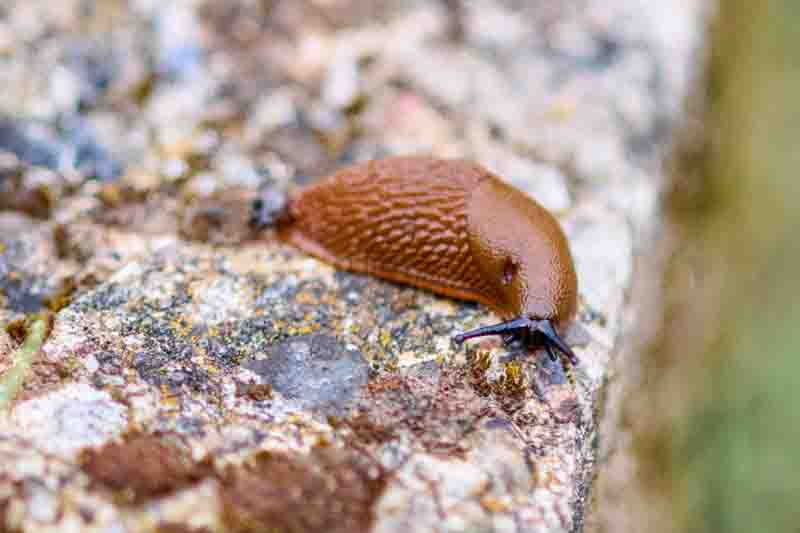
Before choosing a treatment, confirm the culprit. Slugs and snails feed by rasping plant tissue and typically leave irregular holes through Hosta leaves or ragged areas along the margins. Tender foliage can be eaten so extensively that new leaves unfold distorted or full of holes.
Look for several clues together:
Irregular chewing. Slug and snail feeding usually lacks the relatively clean cut associated with animals such as rabbits.
Slime trails. Silvery or whitish trails are strong evidence that mollusks have been active.
Fresh overnight damage. Many species feed most actively after dark and during cool, damp conditions.
Nearby shelter. Check beneath leaves, pots, boards, stones, edging, dense weeds, and accumulated plant debris.
Actual pests. A flashlight inspection on a damp evening can settle the diagnosis quickly.
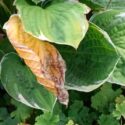
Do not assume that every hole is feeding damage. Anthracnose can produce tan lesions whose dead centers eventually fall away, creating a shot-hole appearance. Hail can also perforate broad Hosta leaves in minutes.
Not every hole was eaten. Slime trails and fresh nighttime feeding support a slug diagnosis. Holes surrounded by tan or dark-edged lesions suggest disease, while sudden widespread tearing after a storm points toward weather damage.
If the symptoms do not fit slug or snail feeding, use Gardenia’s Hosta Problems: Yellow Leaves, Brown Edges, Holes, Wilting and Poor Growth guide to compare environmental stress, browsing, pest damage, foliar nematodes, viruses, and crown or root diseases.
Hostas and mollusks unfortunately appreciate some of the same garden conditions. Hostas grow best with dependable soil moisture and often occupy cool, shaded beds. Slugs and snails are also most active where moisture, shelter, and tender vegetation are readily available.
The youngest Hosta leaves are particularly vulnerable because they are soft and easy to feed on. Damage can be severe while shoots are still emerging from the crown. Once foliage matures and becomes firmer, some cultivars become less appealing, although no Hosta is immune when slug pressure is high.
This creates an important management principle: keep the Hosta root zone moist without unnecessarily keeping every surrounding surface wet and sheltered.
The most important time to protect a Hosta is often before it looks impressive.
As pointed shoots emerge from the crown, slugs can feed on tightly folded foliage before it opens. The leaves may later unfurl with rows of holes or missing sections, leaving the plant disfigured for much of the season.
As Hostas begin emerging:
check crowns regularly;
remove unnecessary dead foliage accumulated immediately around plants;
inspect beneath nearby pots, boards, stones, and edging;
look for slugs after dark during damp weather;
protect prized or repeatedly damaged Hostas before feeding becomes severe.
A modest amount of attention at emergence can be more valuable than a major control campaign after the foliage is already perforated.
Gardenia’s Hosta protection principle: Prioritize the places where three factors overlap – tender growth + active mollusks + nearby shelter. This directs effort toward the Hostas most likely to be damaged rather than treating the entire garden indiscriminately.
During dry daylight hours, slugs and snails shelter in cool, protected places. Reducing convenient refuges immediately around valuable Hostas is one of the simplest ways to make a bed less favorable.
Remove or relocate unnecessary:
boards and pieces of timber lying on damp soil;
unused pots, trays, and saucers;
dense weeds touching Hosta crowns;
thick piles of decomposing foliage;
excessive mulch piled around the crown;
objects that create permanently dark, damp gaps beside vulnerable plants.
This does not mean stripping a wildlife garden bare. Logs, leaf litter, stones, and groundcover all have ecological value. The goal is to avoid creating ideal daytime shelters immediately beside Hostas that are repeatedly damaged.
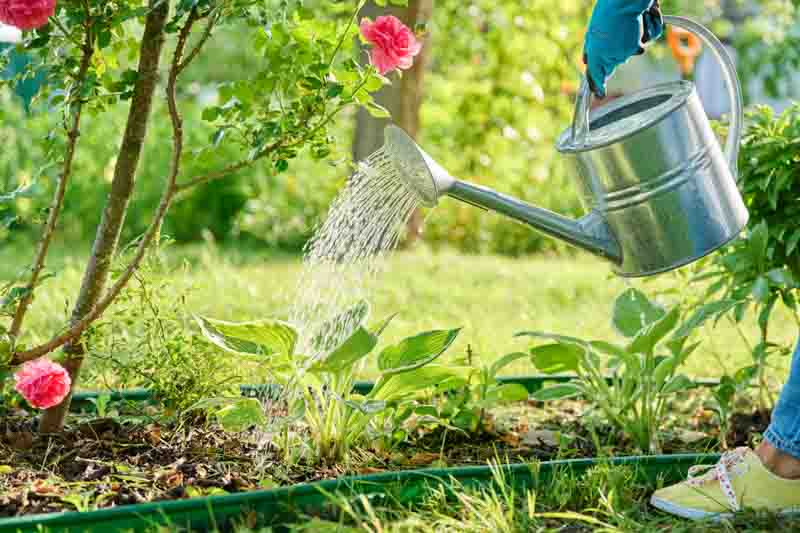
Do not solve a slug problem by creating a drought problem. Hostas need consistent root-zone moisture, and repeated drying can cause brown margins, smaller leaves, wilting, and poor growth.
Instead, change how and when you water:
Water deeply at soil level. Put moisture where the roots need it rather than repeatedly wetting the entire bed.
Use drip irrigation or soaker hoses where practical. These reduce unnecessary surface and foliage wetness.
Favor morning watering. Wet surfaces have more time to dry before slugs and snails become active at night.
Check below the surface. Mulched soil may be dry underneath even when the surface looks damp.
Moist soil and continuously wet surface debris are not the same thing.
For a home garden, hand-picking can be remarkably effective, particularly when local numbers are reduced repeatedly at the beginning of the season.
Search with a flashlight after dark or inspect early in the morning following rain. Look around Hosta crowns, beneath leaves, under pots and boards, along edging, and anywhere damp shelter occurs.
Repeat inspections during periods of high activity. Once captures fall substantially, monitoring can become less frequent.
The advantage of hand-picking is precision: you remove the pests actually feeding in the problem area without applying anything to the rest of the garden.
A board raised slightly above moist soil creates an artificial refuge. Slugs and snails shelter beneath it during the day and can be collected regularly.
Board traps are useful for both control and monitoring. If large numbers repeatedly collect beneath a board near one Hosta bed, you know where pressure is concentrated.
Beer traps genuinely catch slugs and snails because fermentation odors attract them. A sugar-water and yeast mixture can provide a similar lure.
However, the attraction range is relatively short, so one beer trap will not protect a large shade garden. Containers should have sufficiently deep, steep sides to prevent mollusks from crawling out and should be checked and replenished regularly.
Beer works as a trap, not as a magic perimeter. It can remove nearby slugs and snails, but it does not eliminate the shelter, food, and moisture that make an area attractive to them.
Copper is one of the most debated slug barriers because reputable horticultural sources do not give exactly the same answer.
University of California IPM recommends sufficiently substantial copper flashing or screening around defined planting areas and containers. Its guidance emphasizes using a wide barrier, keeping it clear of debris, and preventing pests from crawling beneath or around it.
RHS garden trials, however, found that copper tape did not significantly reduce feeding damage under the conditions tested. Other research has reported deterrent effects, but those results have not been reproduced consistently in real gardens.
The practical conclusion is that copper should be treated as a supplementary barrier with mixed evidence, not as a guaranteed solution.
If you decide to try it:
use it around a clearly defined container, raised bed, or protected area;
avoid relying on a very narrow decorative strip;
keep leaves, stems, soil, and mulch from bridging the barrier;
make sure slugs are not already enclosed inside the protected area;
combine copper with monitoring rather than relying on it alone.
Evidence matters: Copper may deter mollusks in some situations, but garden trials have produced conflicting results. It is more accurate to call copper a possible supplementary barrier than a proven universal cure.
Slug-control advice is crowded with inexpensive household remedies. Some temporarily change the surface around a plant, but that does not make them reliable long-term controls.
Caffeine can affect mollusks at certain concentrations, but ordinary used coffee grounds scattered around Hostas have not proved to be a dependable barrier. Caffeine content varies, grounds disperse, and rain quickly changes the material.
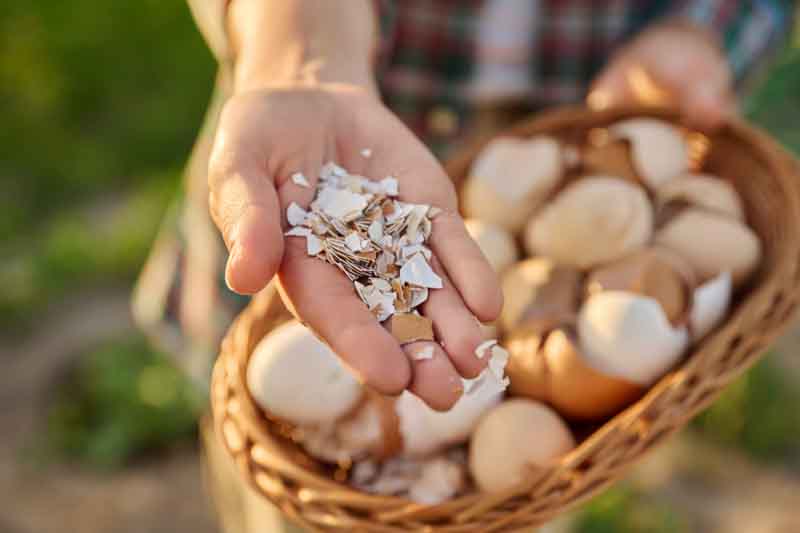
The familiar claim is that sharp shell fragments are too uncomfortable for slugs to cross. In practice, slugs can move across surprisingly rough surfaces. Crushed eggshells should not be relied upon as dependable Hosta protection.
Dry ash can create a temporarily dry, powdery surface, but its effect disappears once wet. Repeated heavy applications can also alter soil chemistry, making ash a poor routine strategy around Hostas.
Rough barriers sound convincing, but they become far less discouraging in wet conditions. RHS testing found sharp horticultural grit ineffective at significantly reducing feeding damage under the conditions studied.
Wool pellets have also been promoted as a rough or absorbent barrier, but RHS garden testing did not find meaningful protection.
Garlic-based preparations may influence feeding behavior under some conditions, but performance depends on formulation, concentration, weather, and repeated application. Treat them as an optional supplementary measure rather than the foundation of a control strategy.
Do not confuse “sometimes discourages” with “reliably controls.” A good Hosta protection plan should still work after the coffee grounds disperse, the ash becomes wet, and the eggshells have been crossed.
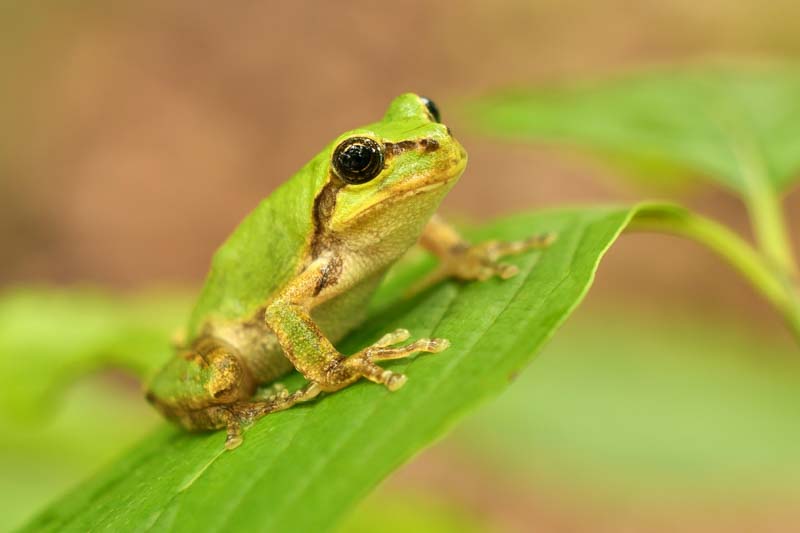
Slugs and snails are part of the garden food web. Ground beetles, frogs, toads, birds, and other animals consume mollusks, their young, or their eggs.
A diverse garden with varied planting, habitat, water where appropriate, and limited unnecessary pesticide use can support these predators.
Natural predators are valuable allies rather than an instant cure. A thriving frog population will not necessarily prevent every young Hosta from being chewed, but a biologically diverse garden can help keep pest populations from being managed entirely by human intervention.
Where available, biological controls containing the nematode Phasmarhabditis hermaphrodita can be used against susceptible slugs. These microscopic nematodes are watered into the soil, where they infect mollusks.
They require suitable conditions. Soil must remain moist and sufficiently warm for the biological control to remain active. They are chiefly useful against slugs because snails spend less time in contact with the soil.
They should also be used selectively. Biological nematodes can affect non-pest slug species as well as those feeding on Hostas, so reserve them for situations where plant damage justifies intervention.
Guidance on molluscicide baits varies by country and horticultural authority, so there is no single recommendation that applies everywhere.
University of California IPM includes appropriately labeled baits within an integrated pest-management program while emphasizing that baits alone do not provide lasting control. RHS takes a more conservative wildlife-gardening position and currently recommends avoiding slug pellets, including products marketed as organic, in favor of cultural and biological approaches.
UC IPM considers iron phosphate products a lower-risk choice around dogs, children, and wildlife than metaldehyde when they are used according to their labels. After feeding, slugs and snails generally stop eating and may retreat into shelter before dying.
Ferric sodium EDTA works in a broadly similar way but may kill mollusks more quickly. It is not identical to iron phosphate, so check the active ingredient rather than assuming that all iron-based baits are interchangeable.
Metaldehyde presents greater poisoning concerns, particularly for dogs and other animals, and regulations differ considerably among countries and regions. Where products remain registered, their labels and local restrictions must be followed exactly.
If you choose to use any bait:
use only products legally registered for your location and intended use;
follow the current product label exactly;
never assume that a larger quantity provides better control;
consider pets, wildlife, children, and non-target mollusks;
continue addressing shelter and moisture conditions rather than relying on bait alone.
Why advice differs: UC IPM incorporates lower-risk baits into integrated pest management, while RHS currently recommends avoiding slug pellets in wildlife-friendly gardens. Gardenia’s approach is to present that difference clearly rather than pretend there is one universal recommendation.
No Hosta is completely slug-proof. When mollusk populations are high or alternative food is scarce, even cultivars with a reputation for resistance can be damaged.
However, Hostas with thick, substantial, corrugated, heavily puckered, or waxy leaves often suffer less feeding than cultivars with thin, soft foliage. If slugs repeatedly spoil your Hostas, leaf substance is worth considering alongside mature size, color, exposure, hardiness, and moisture needs.
Gardenia’s long-standing selection includes the following 18 Hostas that tend to suffer less slug damage:
| Hardiness |
3 - 9 |
|---|---|
| Heat Zones |
1 - 8 |
| Climate Zones | 1, 1A, 1B, 2, 2A, 2B, 3, 3A, 3B, 4, 5, 6, 7, 8, 9, 10, 14, 15, 16, 17, 18, 19, 20, 21 |
| Plant Type | Perennials |
| Plant Family | Asparagaceae |
| Genus | Hosta |
| Exposure | Full Sun |
| Season of Interest | Spring (Mid, Late), Summer (Early, Mid, Late), Fall |
| Maintenance | Low |
| Soil Drainage | Moist but Well-Drained |
Two additional thick-leaved selections worth considering are Hosta ‘Abiqua Drinking Gourd’, with heavily puckered, deeply cupped foliage, and Hosta ‘Silver Bullet’, noted for its exceptionally substantial leaves.
Slug-resistant does not mean slug-proof. Use leaf substance to reduce risk, not as a promise that a cultivar will never be eaten. Local slug pressure, weather, plant age, and alternative food sources still matter.
Older gardening advice often describes certain plants as “slug repellents.” That claim is too strong. There is not good evidence that planting one species beside a Hosta reliably creates a protective barrier that drives slugs away from the neighboring plant.
There is, however, a useful planting-design principle behind the idea. Slugs and snails feed much more heavily on some plants than others. A border containing plants with tougher, less palatable foliage can be less dependent on highly susceptible plants and may remain attractive even when some Hosta leaves are damaged.
Think resilience, not repellency. Less-palatable companion plants should not be expected to “guard” a Hosta. Their value is in creating a more diverse border in which fewer plants are highly attractive to mollusks.
The best companions are not merely plants that slugs tend to avoid. They must also tolerate the light, soil, and moisture conditions of the particular Hosta bed.
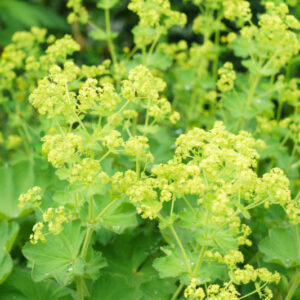
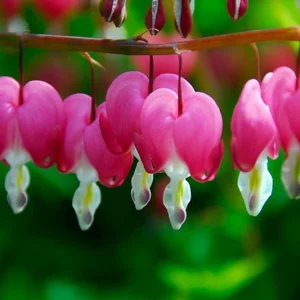
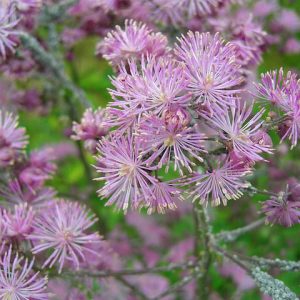
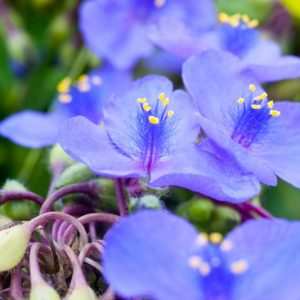
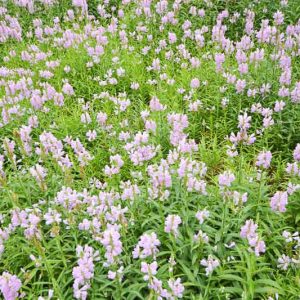
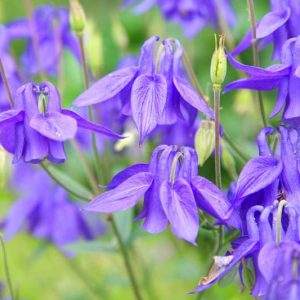
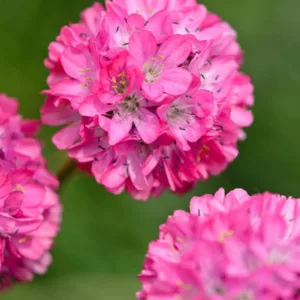
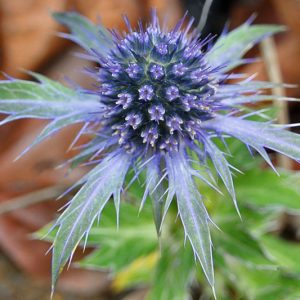
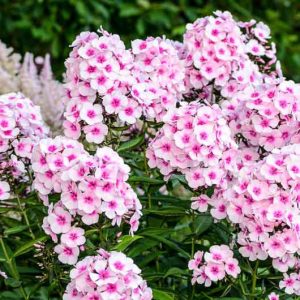
Several plants in Gardenia’s original slug-resistant association list remain useful selections, but they generally need more sun, sharper drainage, or drier conditions than the typical shaded Hosta bed. They make more sense on a brighter border edge than mixed directly into deep shade.
The distinction matters. A plant can be relatively unattractive to slugs and still be a poor companion if its light or moisture requirements conflict with those of the Hosta.
For broader design guidance, see Companion Plants for Your Hostas.
Containers can make slug protection easier because access routes are more limited and easier to inspect.
keep pots away from dense vegetation that provides easy access;
check beneath containers and saucers regularly;
inspect drainage holes and pot rims;
remove dead leaves trapped between neighboring containers;
consider copper as an additional physical barrier while remembering that evidence for copper is mixed.
Do not compromise watering simply to discourage mollusks. Container-grown Hostas dry more rapidly than plants in the ground and still require reliable moisture.
Holes do not make a green leaf useless. If most of a damaged leaf remains healthy, it can continue photosynthesizing and supporting the underground crown.
Remove individual leaves when they are:
badly shredded or largely destroyed;
yellowing or collapsing;
diseased rather than simply chewed;
forming decaying material around the crown.
Do not cut an otherwise healthy Hosta to the ground simply because the leaves look unattractive. Existing holes will not heal, but the plant may produce additional foliage if conditions and the time of year allow.
Instead of trying every remedy at once, work through the problem in order.
| Priority | Question | Best First Response |
|---|---|---|
| 1 | Are slugs or snails definitely causing the damage? | Inspect after dark; look for slime trails and fresh feeding |
| 2 | Is tender Hosta growth emerging? | Increase monitoring immediately |
| 3 | Where are the pests sheltering? | Remove unnecessary refuges beside vulnerable Hostas |
| 4 | Can local numbers be reduced directly? | Hand-pick and use refuge or fermentation traps |
| 5 | Is one plant or container particularly valuable? | Add targeted physical protection |
| 6 | Is damage still unacceptable? | Consider suitable biological control or legally labeled bait, depending on location and gardening goals |
| 7 | Does severe damage return every year? | Favor tougher Hostas and redesign the planting with less-palatable, site-compatible companions |
This sequence prevents two common mistakes: treating before confirming the cause and escalating to stronger controls while leaving abundant shelter and highly vulnerable planting unchanged.
Gardenia’s three-layer Hosta slug strategy: reduce pest pressure + reduce Hosta vulnerability + design a more resilient planting. Start by managing the mollusks, choose Hostas that tend to withstand feeding better, and surround them with plants that suit the site without making the entire border dependent on soft, highly palatable foliage.
Slugs usually make irregular holes through Hosta leaves and may leave silvery slime trails. Damage is often freshest after damp nights. Check beneath leaves, pots, boards, stones, and other cool hiding places after dark or early in the morning.
Yes. Snails and slugs both feed on Hosta foliage, especially tender young growth. Their damage is similar, although snails carry an external shell and may also be found resting on walls, pots, stems, or other sheltered surfaces.
Hostas are particularly vulnerable as new shoots emerge and leaves begin to unfurl in spring. Feeding at this stage can leave foliage badly perforated or distorted, so early monitoring is especially valuable.
Used coffee grounds should not be relied on as a dependable slug barrier. Their composition and caffeine content vary, and weather quickly changes the material. More reliable strategies include removing nearby shelters, hand-picking, trapping, targeted protection, and integrated controls.
Crushed eggshells should not be relied upon as dependable slug control. Slugs can cross rough surfaces, particularly in damp conditions, and garden trials have not demonstrated reliable protection.
Yes. Beer and yeast-based traps can catch nearby slugs and snails because fermentation odors attract them. Their effective range is limited, however, and traps need regular emptying and replenishment. They work best as part of a broader control strategy.
Evidence is mixed. UC IPM recommends sufficiently wide, properly installed copper barriers, while RHS garden trials found copper tape did not significantly reduce slug damage. Copper is best treated as a supplementary barrier rather than guaranteed protection.
No Hosta should be considered completely slug-proof. Cultivars with thick, substantial, puckered, corrugated, or waxy foliage often suffer less damage than thin-leaved Hostas, but they can still be eaten when mollusk pressure is high.
Gardenia highlights 18 tougher-leaved Hostas that tend to suffer less slug damage, including ‘Autumn Frost’, ‘Big Daddy’, ‘Blue Angel’, ‘Brother Stefan’, ‘Diamond Lake’, ‘Sagae’, ‘Sum and Substance’, and Hosta sieboldiana ‘Elegans’. Resistance is relative, not immunity.
There is not strong evidence that companion plants reliably repel slugs from neighboring Hostas. However, combining Hostas with less-palatable plants suited to the same conditions can create a more resilient border in which fewer plants are highly attractive to mollusks.
No. Hostas need dependable root-zone moisture. Instead, water deeply at soil level, favor morning or drip irrigation where practical, and reduce unnecessary damp shelter around vulnerable plants.
Not necessarily. Green leaves with holes can still photosynthesize and support the crown. Remove leaves that are largely destroyed, dying, diseased, or collapsing, but cosmetic slug holes do not require cutting the entire plant to the ground.
No single bait should be treated as the complete solution. UC IPM includes certain labeled baits within integrated pest management, while RHS currently favors cultural and biological approaches in wildlife-friendly gardens. Always follow local regulations and the current product label.
Royal Horticultural Society – Slugs and Snails
Royal Horticultural Society – How to Stop Slugs and Snails: What Works?
University of California Statewide IPM Program – Snails and Slugs
Hosta Problems: Yellow Leaves, Brown Edges, Holes, Wilting and Poor Growth
Companion Plants for Your Hostas
Miniature and Very Small Hostas for Gardens and Containers
Striking Blue Hostas for Gardens and Containers
Slugs – Identification, Prevention and Control
Snails – Identification, Prevention and Control
Anthracnose – Identification and Control
Updated: August 2026 • Reviewed by Gardenia Editors
| Hardiness |
3 - 9 |
|---|---|
| Heat Zones |
1 - 8 |
| Climate Zones | 1, 1A, 1B, 2, 2A, 2B, 3, 3A, 3B, 4, 5, 6, 7, 8, 9, 10, 14, 15, 16, 17, 18, 19, 20, 21 |
| Plant Type | Perennials |
| Plant Family | Asparagaceae |
| Genus | Hosta |
| Exposure | Full Sun |
| Season of Interest | Spring (Mid, Late), Summer (Early, Mid, Late), Fall |
| Maintenance | Low |
| Soil Drainage | Moist but Well-Drained |
Create a membership account to save your garden designs and to view them on any device.
Becoming a contributing member of Gardenia is easy and can be done in just a few minutes. If you provide us with your name, email address and the payment of a modest $25 annual membership fee, you will become a full member, enabling you to design and save up to 25 of your garden design ideas.
Join now and start creating your dream garden!