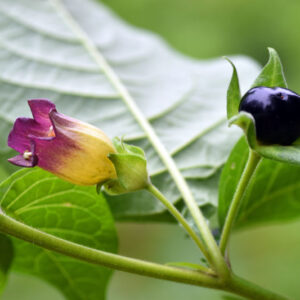
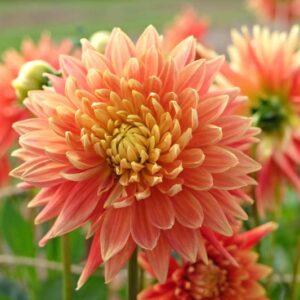
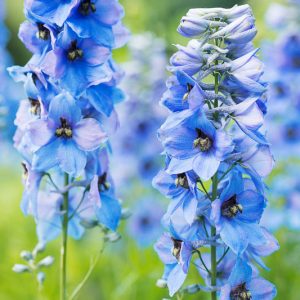
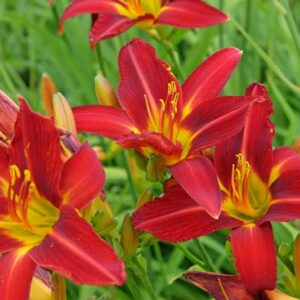
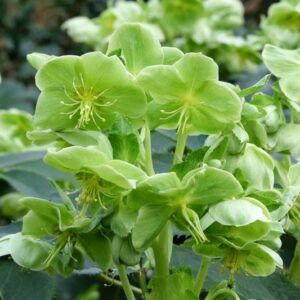
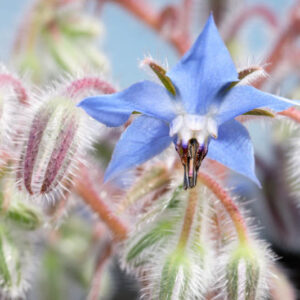
Poisonous flowers and plants like Lily of the Valley, Oleander, Foxglove, and Azalea pose hidden dangers. While their beauty is captivating, these species contain toxins that can harm humans, pets, and wildlife.


Flowers and plants have long been celebrated for their beauty, fragrance, and symbolic meanings, often serving as nature’s ultimate expression of elegance. However, amidst their allure, many harbor a hidden danger: toxicity. Poisonous flowers and plants contain chemical compounds that can pose serious risks to humans, animals, and even other plants. While they may be visually captivating, understanding their toxic properties is crucial for safe handling and cultivation.
The toxicity of flowers and plants often serves as a defense mechanism against herbivores and pests, deterring them from consuming the plant. These poisonous compounds can be found in various parts of the plant, including petals, leaves, stems, roots, seeds, and even pollen or nectar. Some species, such as oleander (Nerium oleander) and lily of the valley (Convallaria majalis), are so toxic that ingesting even a small amount can be fatal. Others, like hydrangeas and daffodils, can cause mild to severe symptoms ranging from skin irritation to gastrointestinal distress.
The risks posed by poisonous flowers and plants extend beyond humans. Animals, particularly pets such as cats and dogs, are also vulnerable to the harmful effects of these plants. For instance, lilies, while stunning, are extremely toxic to cats and can lead to kidney failure. Birds, livestock, and wildlife can also be affected by these hazardous blooms.
Despite their dangers, many poisonous flowers play essential roles in ecosystems, medicine, and cultural traditions. Some contain alkaloids or other compounds that are used in pharmaceuticals, while others have historical significance in rituals and folklore. Understanding the dual nature of poisonous flowers—both as a threat and a resource—underscores their complexity and importance.
When incorporating flowers into your garden or home, knowledge is key. Learning to identify toxic species and taking precautions can ensure that these plants are appreciated safely and responsibly.
Plants and flowers are categorized into four levels of toxicity based on the severity of their effects. Understanding these levels can help prevent harmful exposure and guide responses if contact or ingestion occurs.
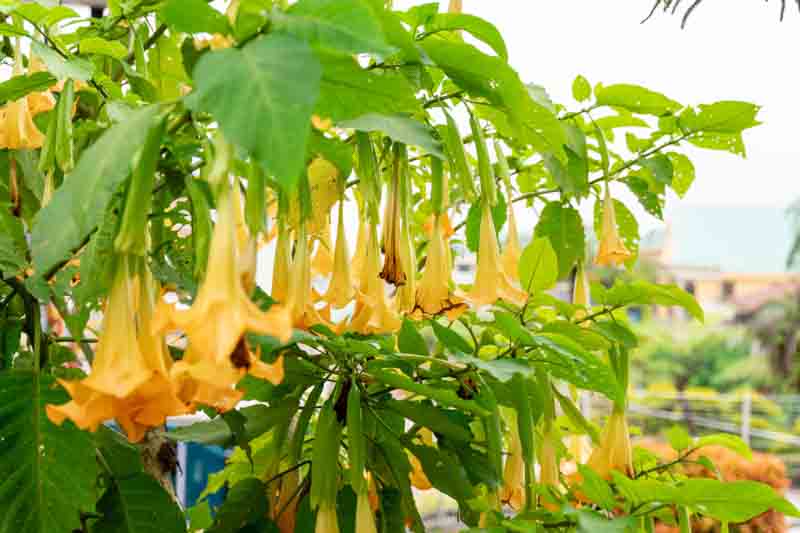
This is the highest toxicity level, where plants can cause severe illness or even death if ingested. Immediate medical attention or contacting a poison control center is essential in cases of exposure. Examples include angel’s trumpet (Brugmansia) and azalea, both of which contain highly toxic compounds.
Plants with minor toxicity may cause symptoms like diarrhea, vomiting, or mild gastrointestinal distress. While rarely life-threatening, these plants can be dangerous, especially for children and pets. Common examples include poinsettia (Euphorbia pulcherrima) and columbine (Aquilegia).
Oxalate-containing plants have needle-like crystals in their sap or juice that can irritate the skin, mouth, or digestive system. Symptoms may include pain, swelling, upset stomach, or difficulty breathing. dumb cane (Dieffenbachia) and angel wings (Caladium) are notable examples of plants with oxalate toxicity.
Some plants can cause skin irritation or allergic reactions, such as rashes or inflammation, upon contact. This type of toxicity is often manageable by washing the affected area with soap and water. poison ivy (Toxicodendron radicans) and giant hogweed (Heracleum mantegazzianum) are common dermatitis-inducing plants.
Some plants exhibit more than one toxicity level, making them particularly hazardous. For example, the daffodil (Narcissus spp.) displays both Level 2 and Level 4 toxicity. Ingesting its bulbs or flowers can lead to gastrointestinal symptoms such as nausea, vomiting, and diarrhea (Level 2), while handling the plant may cause skin irritation or rashes (Level 4). Similarly, the autumn crocus (Colchicum autumnale) is both a Level 1 and Level 4 toxin. Ingestion can result in severe, potentially fatal symptoms due to colchicine poisoning (Level 1), while contact with the plant can cause skin irritation and blistering (Level 4).
Understanding these multiple toxicity levels highlights the need for careful handling and awareness of such plants, especially in households with children or pets.
| Toxic to Humans | No known toxicity |
|---|---|
| Toxic to Cats | No known toxicity |
| Toxic to Dogs | No known toxicity |
| Toxic to Horses | No known toxicity |
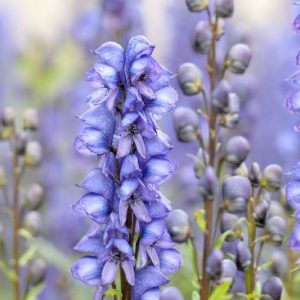
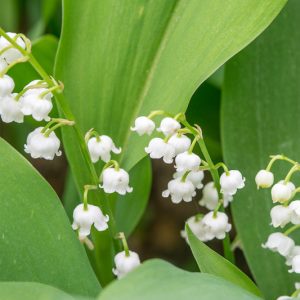

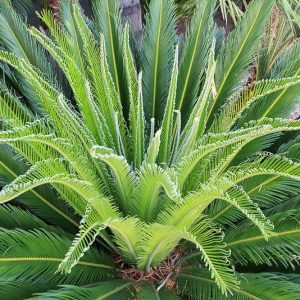
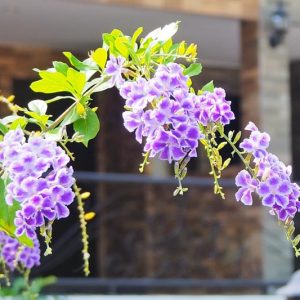
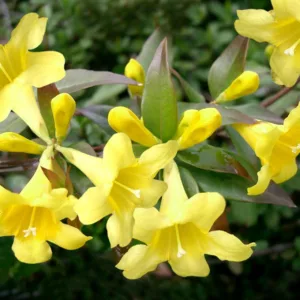
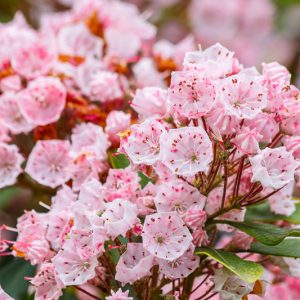

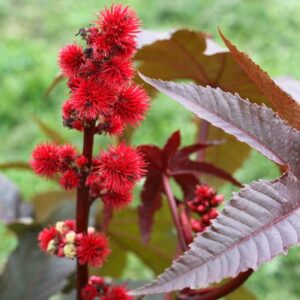
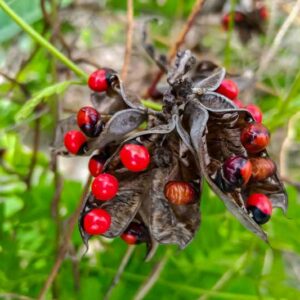
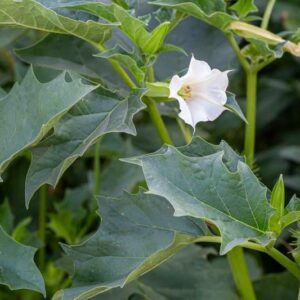
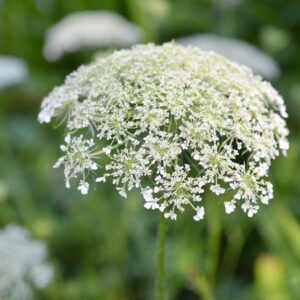
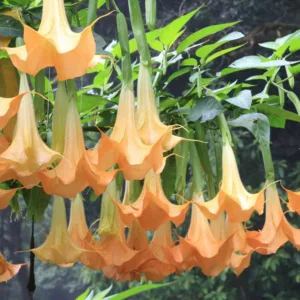
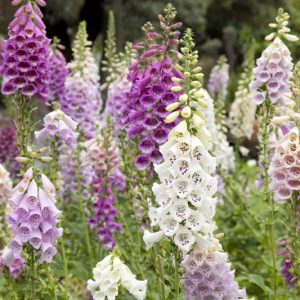

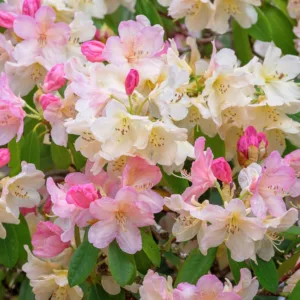

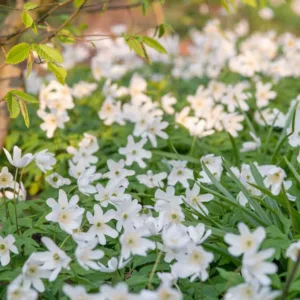
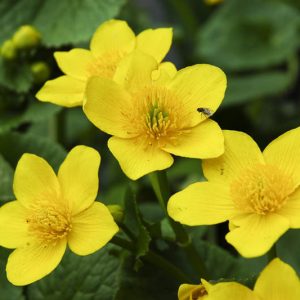

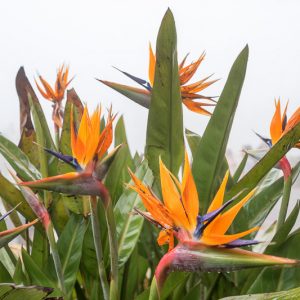
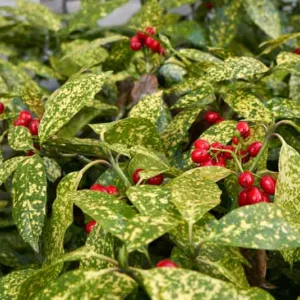

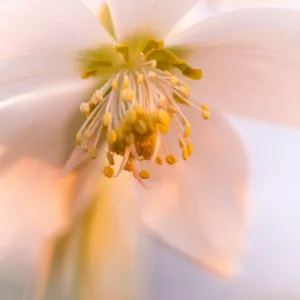
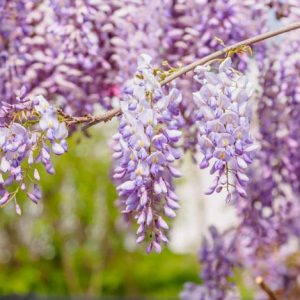
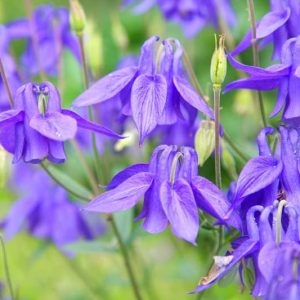
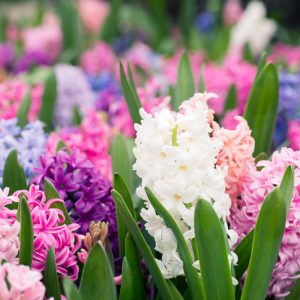
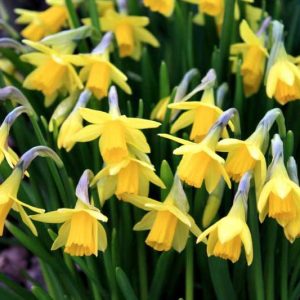
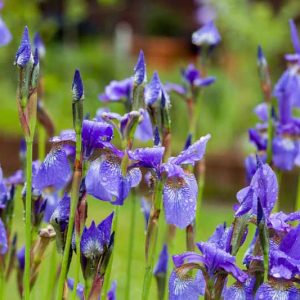

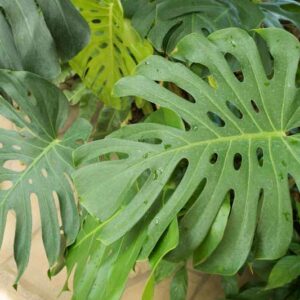

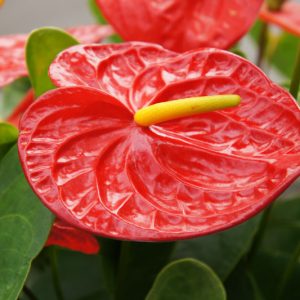
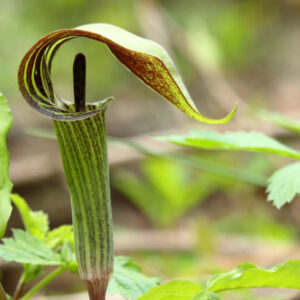
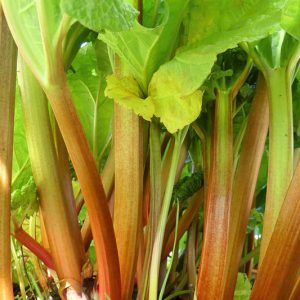
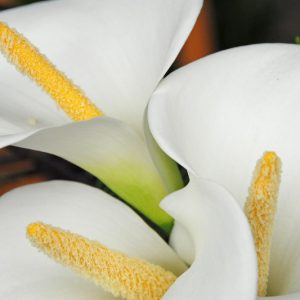
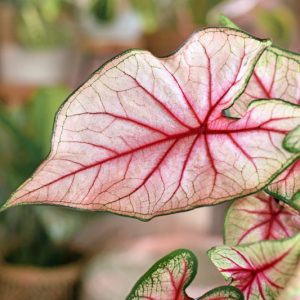
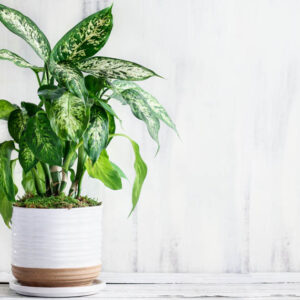




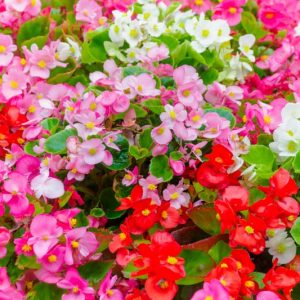
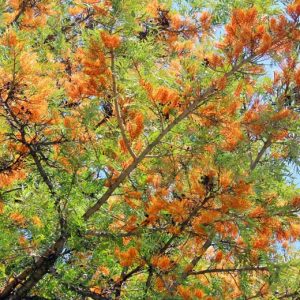
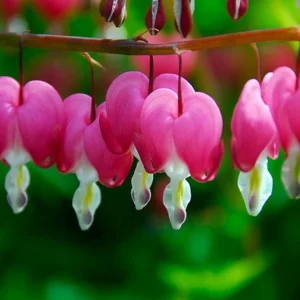
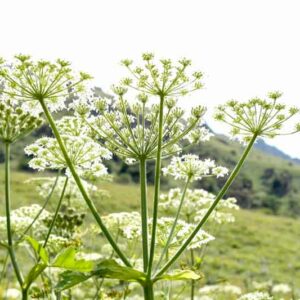
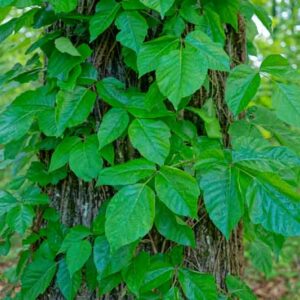
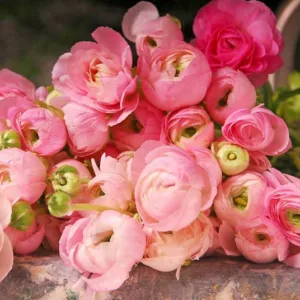
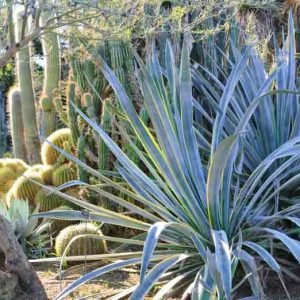
Some beloved ornamentals are serious hazards to cats and dogs. Use this list as a quick do not nibble guide and keep bouquets out of reach.
Some plants contain furanocoumarins. Sap or juice on your skin followed by sun can cause streaky brown marks, painful redness, or even blisters 24 to 72 hours later. This is called phytophotodermatitis.
Use this table to compare risk at a glance. When in doubt, avoid ingestion, wear gloves, and keep plants away from children and pets.
| Plant | Main toxin or concern | Most toxic parts | Typical symptoms | People vs pets risk | First aid now |
|---|---|---|---|---|---|
| Oleander | Cardiac glycosides | All parts, smoke | Nausea, vomiting, heart rhythm issues | High for people and pets | Do not induce vomiting. Call poison help or a vet at once. |
| Lily of the valley | Cardiac glycosides | Leaves, flowers | GI upset, heart rhythm changes | High for people and pets | Rinse mouth, seek medical care if ingested. |
| Foxglove | Cardiac glycosides | Leaves, flowers | Nausea, dizziness, arrhythmias | High for people and pets | Call poison help. Monitor for palpitations. |
| True lilies (Lilium, Hemerocallis) | Acute kidney injury in cats | Pollen, leaves, water from vase | Cats – vomiting, lethargy, kidney failure | Extreme for cats, moderate for dogs | Cat exposure is an emergency. Veterinary care immediately. |
| Azalea or rhododendron | Grayanotoxins | Leaves, nectar | Drooling, vomiting, weakness, heart issues | High for pets, moderate for people | Call vet or poison help. Do not burn trimmings. |
| Lantana | Triterpenes | Unripe berries, foliage | GI upset, possible liver issues | High for pets and kids | Rinse mouth, contact vet or poison help. |
| Hydrangea | Cyanogenic compounds | Leaves, buds | GI upset | Moderate for pets and people | Rinse, offer water, observe, call if symptoms start. |
| Daffodil and tulip | Alkaloids and irritants | Bulbs most toxic | Mouth irritation, vomiting, diarrhea | Moderate for pets and people | Do not induce vomiting. Call for guidance. |
| Monkshood or aconite | Aconitine alkaloids | Roots, leaves, flowers | Numbness, tingling, nausea, cardiac effects | High for people and pets | Gloves for handling. Seek urgent care if ingested. |
| Autumn crocus | Colchicine | All parts | Severe GI distress, multi system effects | High for people and pets | Emergency contact recommended after ingestion. |
| Poison hemlock | Neurotoxic alkaloids | All parts | Nausea, tremors, respiratory issues | High for people and livestock | Do not taste. Handle with gloves. Seek care if exposed. |
Exposure to a poisonous flower can occur through ingestion, skin contact, or inhalation of pollen or toxins. Acting quickly and correctly can prevent serious consequences.
Prevention is key: teach children about dangerous plants, supervise pets, and wear gloves when gardening.
Keeping children and pets safe from poisonous flowers and plants requires awareness and preventative measures. Many common garden plants, while beautiful, can pose serious health risks. Understanding these dangers is crucial for creating a safe environment for your loved ones.
Start by identifying poisonous plants in your home or garden. Common toxic plants include azaleas, hydrangeas, mistletoe, and peace lilies. Educate yourself about their toxic parts and potential symptoms. For example, azaleas can cause nausea, vomiting, depression, breathing difficulties, and coma. Hydrangeas contain cyanogenic glycosides that may lead to gastrointestinal distress in humans and animals. Mistletoe can trigger acute gastrointestinal discomfort, diarrhea, weak pulse, slow heart rate, and even seizures if ingested. The peace lily is among the most frequently reported household plants to Poison Control. Its flowers, leaves, and stems contain tiny, insoluble calcium oxalate crystals, which can cause immediate irritation in the mouth and throat if chewed or ingested.
Avoid planting highly toxic flowers in areas where children and pets frequently play. Keep potted toxic plants out of reach on high shelves or hanging baskets. Supervise outdoor activities, especially in gardens or parks with unfamiliar plants.
Teach children not to touch or eat any unknown plants. Similarly, train pets to avoid chewing on plants by using deterrent sprays or reinforcing commands like “leave it.” Provide safe alternatives such as pet-friendly grass or non-toxic plants for chewing.
In case of exposure, remain calm but act quickly. If a child or pet ingests a poisonous plant, do not induce vomiting unless instructed by a professional. Contact a poison control center, veterinarian, or your doctor immediately. Keep the plant name and a sample on hand for identification.
Regularly inspect your garden for harmful plants that may have spread or been introduced unintentionally. Remove or safely contain these plants to minimize risks.
By combining education, proactive planning, and vigilance, you can protect children and pets from the dangers of poisonous flowers and plants, ensuring a safe and enjoyable environment for everyone.
Oleander, lily of the valley, foxglove, monkshood (aconite), autumn crocus (Colchicum), angel’s trumpet (Brugmansia), daffodil (bulbs), rhododendron/azalea, hydrangea, castor bean (not a true flower bed favorite but often grown), true lilies (Lilium spp.), tulip and hyacinth bulbs.
Often yes, but the concentration varies. Example: oleander—leaves, flowers, stems, and smoke from burning clippings are dangerous; daffodils—bulbs are the most toxic.
Nausea, vomiting, diarrhea, drooling, abdominal pain. Some cause heart rhythm issues (foxglove, lily of the valley, oleander), neurologic signs (monkshood), or severe mouth/throat irritation (dieffenbachia, philodendron—foliage plants). In cats, true lilies can trigger kidney failure.
Allergic contact dermatitis (immune reaction) – classic with urushiol plants like poison ivy/oak/sumac.
Irritant dermatitis (chemical burn) – saps/acids that damage skin on contact.
Phytophotodermatitis (sun-activated) – plant chemicals on skin plus UV light cause streaky burns/blisters. There’s also mechanical irritation from spines, hairs, or tiny barbed glochids.
Poison ivy, poison oak, poison sumac (urushiol). Also some anacardiaceae relatives can bother sensitive folks: mango peel/sap, cashew shells (not the roasted kernels), Brazilian pepper tree.
Euphorbia/spurges (milky sap), buttercups (protoanemonin), daffodil/tulip bulbs (“tulip fingers”), primrose (primin), chrysanthemum (sesquiterpene lactones), ranunculus, castor bean (ricin in seeds; sap can irritate), manchineel (extremely toxic; Caribbean/Florida Keys – avoid entirely).
Culprits rich in furanocoumarins: wild parsnip, giant hogweed, cow parsnip, queen Anne’s lace (wild carrot), celery, rue, fig sap, citrus (lime/orange peel). Touch juice/sap, then sun exposure → streaky brown marks, burns, or blisters after 24–72 hours.
Stinging nettle and wood nettle (hairs inject histamine/acetylcholine), poison hairs on some mulberries and cacti glochids (tiny barbed spines). Fiberglass-like hairs on hogweed leaves can also abrade skin.
Urushiol allergy usually 12–48 hours after contact (first-timers may take up to a week). Irritants can burn immediately to a few hours. Phytophotodermatitis often shows 1–3 days later after sun.
Cool compresses, colloidal oatmeal or baking soda baths, calamine, 1% hydrocortisone on mild areas, and oral antihistamines at night for sleep. Avoid hot showers (brief relief, worse itch after), and skip neomycin-containing ointments (common allergen).
If rash involves face/eyes/genitals, covers large areas, shows severe swelling, pus, fever, or pain, or if you’re very uncomfortable. Worsening photo-burns/blisters from hogweed/wild parsnip warrant prompt care. Many need a 2–3 week steroid taper for severe urushiol.
Common look-alikes: Virginia creeper (five leaflets, suction-cup tendrils), boxelder seedlings (opposite leaves), fragrant sumac (three leaflets, all similarly stalked, lemony scent), blackberry/raspberry (thorns), Boston ivy (three-lobed single leaves, suction cups), kudzu (huge lobed leaflets), hog-peanut (delicate twining vine). Poison ivy: alternate, three leaflets, hairy climbing vines, white berries.
Updated: November 2025 • Reviewed by Gardenia Editors


| Toxic to Humans | No known toxicity |
|---|---|
| Toxic to Cats | No known toxicity |
| Toxic to Dogs | No known toxicity |
| Toxic to Horses | No known toxicity |
Create a membership account to save your garden designs and to view them on any device.
Becoming a contributing member of Gardenia is easy and can be done in just a few minutes. If you provide us with your name, email address and the payment of a modest $25 annual membership fee, you will become a full member, enabling you to design and save up to 25 of your garden design ideas.
Join now and start creating your dream garden!
Create a membership account to save your garden designs and to view them on any device.
Becoming a contributing member of Gardenia is easy and can be done in just a few minutes. If you provide us with your name, email address and the payment of a modest $25 annual membership fee, you will become a full member, enabling you to design and save up to 25 of your garden design ideas.
Join now and start creating your dream garden!