Create Your Garden

Pretty Tulips That Return Every Year in Your Garden

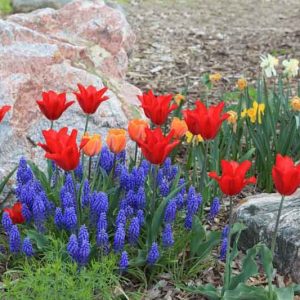
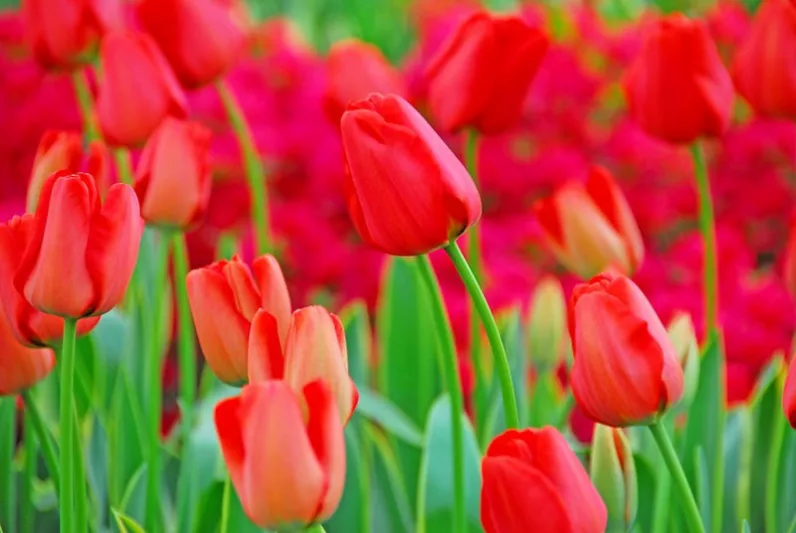
Darwin Hybrid, Fosteriana, and Botanical tulips are among the best varieties that reliably keep coming back year after year, offering vibrant and lasting beauty in your garden.

Tulips for Naturalizing, Tulips that come back, Best Tulips, Naturalizing Bulbs, perennial Bulbs, Perennial Tulips

Tulips That Come Back Every Year — Top Varieties

Quick Facts — Tulips That Come Back Every Year

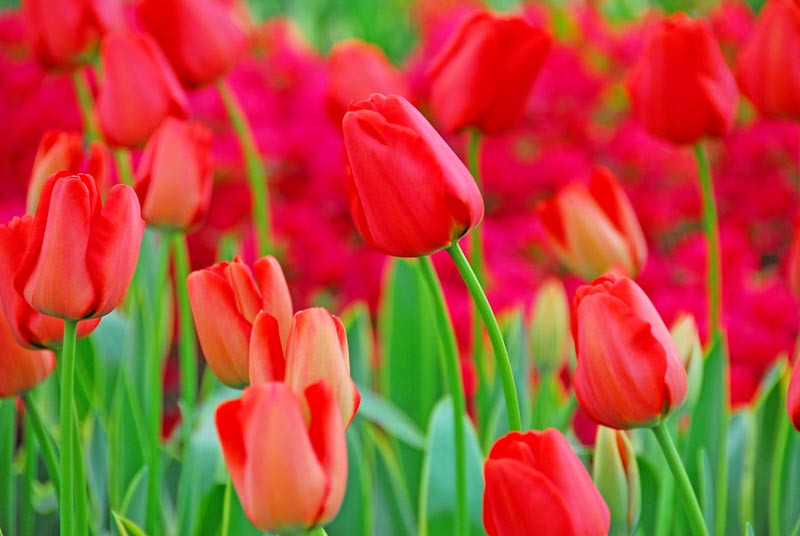
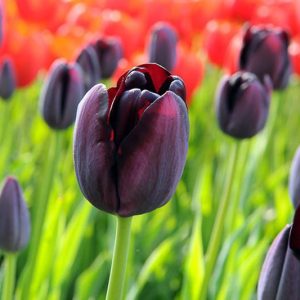
Perennial tulips like 'Queen of Night' returning each spring

Summary: Most hybrid tulips are short-lived and often treated as annuals, but some varieties behave more like perennials, reliably returning for several years. These include Darwin Hybrid Tulips, Fosteriana, Greigii, and species tulips. They thrive in well-drained soil, full sun, and cooler climates.
Why it matters: Choosing perennial tulip types ensures lasting color without replanting every year—ideal for sustainable, low-maintenance gardens.

Best Perennial Tulip Types Darwin Hybrids (‘Apeldoorn’, ‘Oxford’), Fosteriana (‘Red Emperor’), Greigii (‘Red Riding Hood’), Botanical/Species tulips (Tulipa tarda, Tulipa clusiana).
Bloom Time Early to mid-spring, depending on type and climate.
Hardiness (USDA) Zones 3–8 (best performance in cooler zones).
Sun & Exposure Full sun (≥6 hrs daily); some species tolerate partial shade.
Soil & Drainage Loose, sandy or loamy, well-drained soil; avoid waterlogging to prevent bulb rot.
Naturalizing Species tulips (T. tarda, T. clusiana) are excellent for naturalizing and multiplying over time.
Toxicity Tulips contain tulipalin A & B, toxic to cats & dogs (especially bulbs).
Care (Quick)
  • Plant bulbs in fall, 6–8 weeks before frost; 6–8 in. deep, 4–6 in. apart.
  • Choose perennial-friendly tulips (Darwin Hybrids, Fosteriana, Greigii, species).
  • Provide full sun and excellent drainage; add grit/sand in heavy soils.
  • Water after planting; little needed during dormancy.
  • Deadhead spent flowers but leave foliage until yellow to recharge bulbs.
  • Apply bulb fertilizer at planting and in early spring as shoots emerge.
  • In warm zones, replant annually or pre-chill bulbs for best results.

Tulips are beloved for their vibrant colors, elegant shapes, and unmatched ability to brighten any spring garden. Yet many gardeners share the same frustration: tulips bloom beautifully the first year, but then fade away or return weakly in subsequent seasons.

The truth is, while tulips are technically perennial flowers, not all varieties are reliable returners. The good news? Some tulip groups are true garden survivors—hardy, vigorous, and capable of delivering dazzling displays year after year when planted and cared for properly.

🌱 Understanding Perennial Tulips

In their native habitats in the mountains of Central Asia, tulips thrive as true perennials. Cold winters and dry summers allow bulbs to store energy, rest, and return stronger each spring. Garden conditions, however, don’t always replicate this cycle. Soil type, climate, and bulb variety all play major roles in determining whether your tulips will perennialize—or disappear after one season.

🌷 Types of Tulips That Truly Perennialize

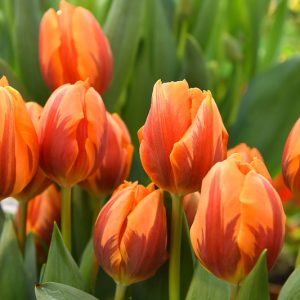
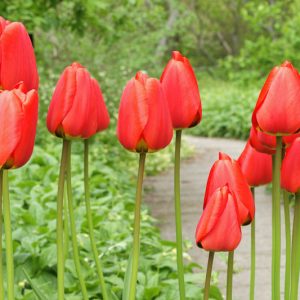
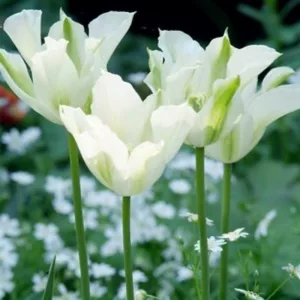
Darwin Hybrid Tulips

  • Why gardeners love them: Towering stems, huge 6-inch (15 cm) blooms, and vivid colors ranging from fiery reds to cheerful pinks and sunny yellows.
  • Reliability: Exceptionally resilient in cold winters, where bulbs receive the chilling they need. With proper care, they return for years—sometimes with more blooms than before.
  • Best use: Ideal for mass plantings, borders, and cutting gardens.

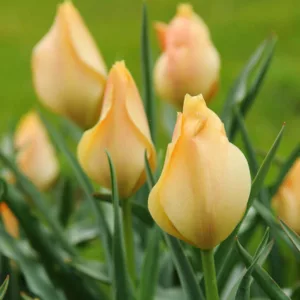
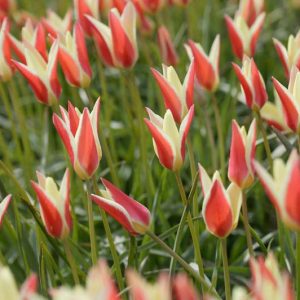
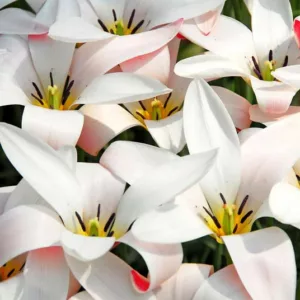
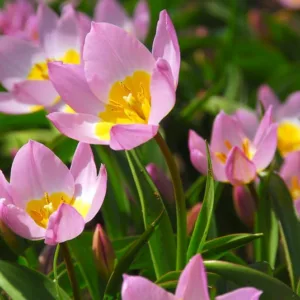
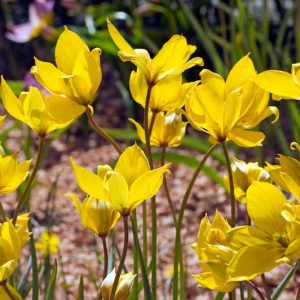
Species Tulips (Botanical Tulips)

  • Why gardeners love them: Delicate beauty, drought tolerance, and the ability to naturalize into charming carpets of color.
  • Reliability: Tough and low-maintenance, thriving in rocky or sandy soils where hybrids may struggle.
  • Best use: Rock gardens, naturalized drifts, or low-maintenance borders.

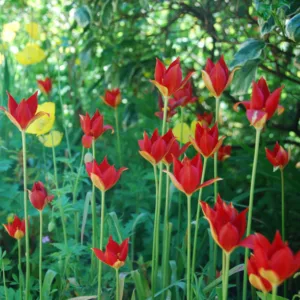
Kaufmanniana Tulips

  • Also called: Waterlily tulips (for their star-shaped, wide-opening blooms).
  • Why gardeners love them: Flowers open wide in the sun and close at night for a dynamic display.
  • Reliability: Compact, hardy, and great for tough spots; typically early bloomers.
  • Best use: Rock gardens, containers, or the front of flower borders.

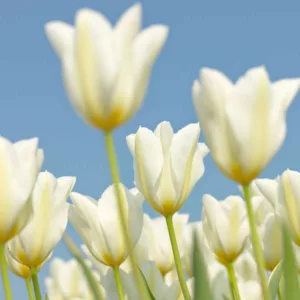
Fosteriana Tulips

  • Also known as: Emperor tulips.
  • Why gardeners love them: Enormous 5–10 inch (12–25 cm) blooms in glowing shades of red, orange, and yellow.
  • Reliability: Sturdy stems and adaptable nature make them excellent repeat performers.
  • Best use: Bold statement plantings that withstand wind, rain, and spring storms.

Guide Information

Hardiness 3 - 8
Plant Type Bulbs, Perennials
Plant Family Liliaceae
Genus Tulipa
Exposure Full Sun
Season of Interest Spring (Early, Mid, Late)
Maintenance Low
Water Needs Average
Soil Type Chalk, Loam, Sand
Soil pH Acid, Neutral
Soil Drainage Well-Drained
Characteristics Cut Flowers, Showy
Landscaping Ideas Beds And Borders, Patio And Containers, Underplanting Roses And Shrubs
Garden Styles City and Courtyard, Gravel and Rock Garden, Informal and Cottage

Select the Right Tulips to Enjoy New Blooms Each Spring

Plant Your Tulips Properly: A Step-by-Step Guide

Planting tulips isn’t just a fall chore — it’s the beginning of a springtime spectacle. By tucking bulbs into the soil at the right time and in the right way, you’re setting the stage for vibrant blooms that brighten your garden year after year. Follow this guide to give your tulips the best start.

Choose the Right Location

Tulips love the sun. Pick a spot that gets at least six hours of direct sunlight each day. Full sun encourages stronger stems and richer colors, while light shade is tolerable but may reduce bloom intensity.

Prepare the Soil

Healthy soil means healthy tulips. Loosen the soil to a depth of about 12 inches (30 cm) so roots can spread easily. If you have heavy clay, mix in compost or sand to improve drainage and fertility. Tulip bulbs hate soggy soil — good drainage is key to preventing rot.

Planting Depth and Spacing

Plant bulbs at a depth roughly four times their height, typically 6–8 inches (15–20 cm) deep. This shields them from frost and temperature swings. Space bulbs 4–6 inches (10–15 cm) apart to allow air circulation and reduce disease risk. Think of each bulb as a little treasure — give it room to shine.

Planting the Bulbs

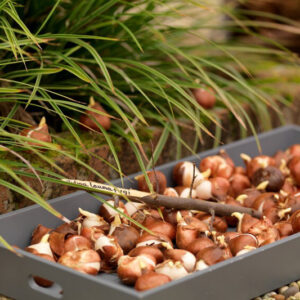
Always place bulbs with the pointed tip facing upward — that’s where the stem will emerge. The flat base goes down, where roots will grow. Proper orientation ensures strong, upright growth come spring.

Watering and Mulching

After planting, water bulbs thoroughly to settle the soil and encourage root growth. If autumn is dry, this step is especially important. Add a 2–3 inch (5–7 cm) layer of mulch — such as shredded leaves or straw — to conserve moisture, insulate against cold, and protect your bulbs until spring.

Timing Matters

Patience pays off with tulips. Plant bulbs in mid to late fall, when daytime temperatures drop to around 70°F (20°C) and nights reach 40°F (4°C). This timing allows bulbs to root before the ground freezes, ensuring strong growth and dazzling flowers in spring.

Post-Planting Care

Once planted, tulips require little attention through winter. As shoots emerge in spring, remove mulch to let them grow freely. Fertilize lightly with a balanced bulb food or 10-10-10 formula. After blooming, snip off spent flowers to prevent seed production, but leave the foliage intact until it yellows naturally — this process recharges the bulbs for next year’s show.

Pest and Disease Control

Tulip bulbs are irresistible to deer, rabbits, and squirrels. Protect them with wire mesh cages, chicken wire, or repellents if wildlife is a problem in your area. Watch for fungal diseases like tulip fire or bulb rot — avoid overhead watering and ensure good air circulation to reduce risk.

Toxicity

While beautiful, tulips can be dangerous to pets. They contain toxic compounds (tulipalin A and B), most concentrated in the bulbs. Keep bulbs and plantings out of reach of curious cats and dogs. Learn more about tulip toxicity.

Pro Tip: Plant tulip bulbs in clusters of 10 or more for the most dramatic impact. Mass plantings create a burst of color that single rows just can’t match.

Frequently Asked Questions

Do tulips really come back every year?

Yes — but not all tulips perennialize equally. Many hybrid tulips bloom strongly only in their first year. However, varieties like Darwin Hybrid tulips, Fosteriana (Emperor) tulips, Kaufmanniana tulips, and Species tulips are more reliable perennials and can return for several years if planted in the right conditions.

How do I make sure tulips bloom every year?

Plant in full sun (6+ hours daily).
Use well-drained soil to prevent bulb rot.
Plant bulbs 6–8 inches deep and space 4–6 inches apart.
Deadhead spent flowers but let foliage die back naturally to recharge the bulb.
Fertilize with a balanced bulb food in fall and early spring.

Can tulips multiply in the garden?

Yes. Some perennial tulip types, especially Species tulips, naturalize by forming bulb offsets and spreading over time. This can create colorful clusters that return and expand each spring.

Why don’t my tulips come back every year?

Several reasons may cause tulips to fade after the first season:
Planting shallow (bulbs need depth for protection).
Poorly drained or overly wet soil (bulbs rot).
Cutting foliage too early (prevents energy storage).
Choosing short-lived hybrid types instead of perennial varieties.

Can tulips perennialize in warm climates?

In USDA Zones 8–10, tulips often struggle without cold winters. To perennialize them, gardeners must pre-chill bulbs in the refrigerator for 12–16 weeks before planting to mimic natural dormancy.

 

Compare All Tulipa (Tulip)
Compare Now
Explore Great Plant Combination Ideas
Tulipa (Tulip)
Guides with
Tulipa (Tulip)
While every effort has been made to describe these plants accurately, please keep in mind that height, bloom time, and color may differ in various climates. The description of these plants has been written based on numerous outside resources.
Guide Information

Hardiness 3 - 8
Plant Type Bulbs, Perennials
Plant Family Liliaceae
Genus Tulipa
Exposure Full Sun
Season of Interest Spring (Early, Mid, Late)
Maintenance Low
Water Needs Average
Soil Type Chalk, Loam, Sand
Soil pH Acid, Neutral
Soil Drainage Well-Drained
Characteristics Cut Flowers, Showy
Landscaping Ideas Beds And Borders, Patio And Containers, Underplanting Roses And Shrubs
Garden Styles City and Courtyard, Gravel and Rock Garden, Informal and Cottage
Compare All Tulipa (Tulip)
Compare Now
Explore Great Plant Combination Ideas
Tulipa (Tulip)
Guides with
Tulipa (Tulip)

Related Items

Please Login to Proceed

You Have Reached The Free Limit, Please Subscribe to Proceed

Subscribe to Gardenia

To create additional collections, you must be a paid member of Gardenia
  • Add as many plants as you wish
  • Create and save up to 25 garden collections
Become a Member

Plant Added Successfully

Your garden is taking shape. Unlock full planning.

You’ve reached the free limit. Upgrade for $25/year to add as many plants as you wish and save up to 25 garden collections. Unlock Annual Membership

Update Your Credit
Card Information

Cancel

Create a New Collection

Sign Up to Our Newsletter

    You have been subscribed successfully

    Join Gardenia.net

    Create a membership account to save your garden designs and to view them on any device.

    Becoming a contributing member of Gardenia is easy and can be done in just a few minutes. If you provide us with your name, email address and the payment of a modest $25 annual membership fee, you will become a full member, enabling you to design and save up to 25 of your garden design ideas.

    Join now and start creating your dream garden!

    Join Gardenia.net

    Create a membership account to save your garden designs and to view them on any device.

    Becoming a contributing member of Gardenia is easy and can be done in just a few minutes. If you provide us with your name, email address and the payment of a modest $25 annual membership fee, you will become a full member, enabling you to design and save up to 25 of your garden design ideas.

    Join now and start creating your dream garden!

    Find your Hardiness Zone

    Find your Heat Zone

    Find your Climate Zone