White tulips are celebrated for their timeless elegance, symbolizing purity, innocence, and new beginnings.
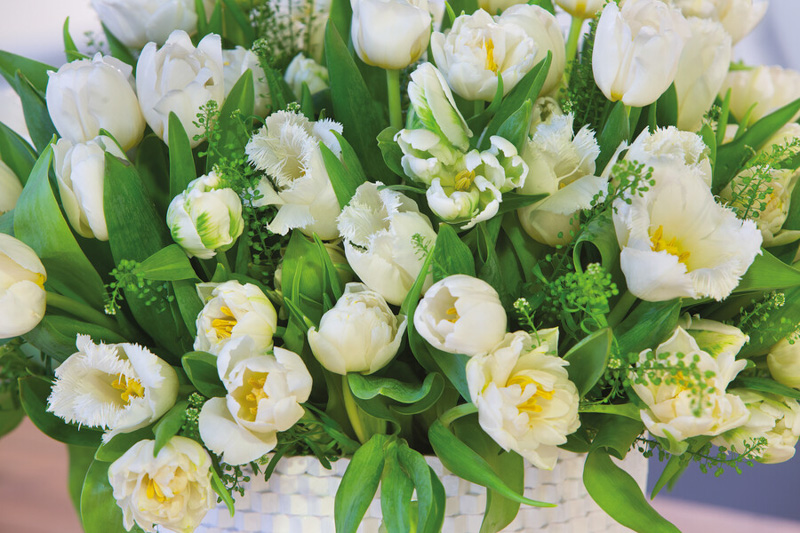


Summary: White tulips embody purity, grace, and new beginnings. Their crisp blooms brighten borders, containers, and bouquets with luminous simplicity. Botanically perennial, yet many modern hybrids are treated as annuals in warm or wet-summer climates.
Best use: Wedding bouquets, serene borders, moon gardens, containers, condolence or apology flowers.
Symbolism: Purity, sincerity, remembrance, forgiveness, fresh starts.
Safety: Toxic to cats and dogs (tulipalin A & B), bulbs most concentrated.
| Botanical Name | Tulipa spp. and hybrids |
|---|---|
| Family | Liliaceae (Lily family) |
| Native Range | Mountains and steppes of Central Asia & Turkey |
| Plant Type & Habit | Spring-flowering bulbs; upright, clump-forming |
| Hardiness (USDA) | 3–8 (pre-chill or treat as annuals in warmer zones) |
| Bloom Time | Spring (March–May, by class and climate) |
| Bloom Duration | ~1–3 weeks in garden; cut stems ~5–7 days in vase |
| Sun & Exposure | Full sun (≥6 hrs); light afternoon shade can extend bloom |
| Soil | Well-drained (sandy/loamy/rocky ideal); avoid waterlogging |
| Notes | Perennial by nature; hybrids often treated as annuals in warm/wet climates |
| Wildlife | Pollinators visit blooms; bulbs attract rodents/deer—protect if needed |
| Toxicity | Toxic to cats & dogs (tulipalin A & B); bulbs most toxic |
| Primary Uses | Borders, moon gardens, containers, wedding & sympathy bouquets |
Tulips are among the most cherished and iconic spring flowers, celebrated for their vibrant colors, elegant forms, and rich history. They rank high among the best spring flowers to spruce up your garden.
Originally from Central Asia and gaining widespread popularity in Europe during the 16th century, tulips have come to symbolize beauty and renewal. Their allure peaked during the 17th century in the Netherlands, a time famously known as “Tulip Mania,” when tulip bulbs became highly valuable and eagerly sought after, as portrayed in the historical drama “Tulip Fever.”
Today, tulips are available in a wide array of colors, from soft pastels to bold, striking hues, making them a favorite in gardens, tulip bouquets, and floral arrangements. Their easy-to-grow nature and stunning visual appeal make tulips a must-have for any garden enthusiast.
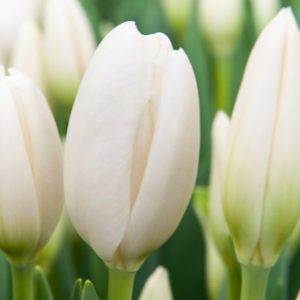
White tulip flowers are celebrated for their timeless elegance and simplicity. As one of the most beloved spring blooms, they bring a sense of purity and grace to any garden or floral arrangement. Their pristine, snow-white petals make them a versatile choice for various occasions and settings.
White tulips are admired for their clean, crisp beauty and sophisticated appearance. Their smooth, cup-shaped blooms and graceful stems create a striking visual impact, whether planted in a garden or displayed in a vase. The subtlety of their white hue allows them to blend seamlessly with other flowers or stand out as a focal point. Their ability to reflect light adds a luminous quality to gardens and interiors, making them a favorite for creating serene and elegant spaces.
White tulips carry deep symbolic meanings, often associated with purity, innocence, and new beginnings. They are commonly used to express sincere emotions, such as apologies or condolences, making them a thoughtful choice for sensitive occasions. In the language of flowers, white tulips convey messages of respect, honor, and forgiveness. Their association with renewal and fresh starts also makes them a popular choice for weddings, symbolizing the purity of love and the hope for a bright future together.
| Hardiness |
3 - 8 |
|---|---|
| Plant Type | Bulbs |
| Plant Family | Liliaceae |
| Genus | Tulipa |
| Exposure | Full Sun |
| Season of Interest | Spring (Early, Mid, Late) |
| Maintenance | Low |
| Water Needs | Average |
| Soil Type | Chalk, Loam, Sand |
| Soil pH | Acid, Neutral |
| Soil Drainage | Well-Drained |
| Characteristics | Cut Flowers, Showy |
| Landscaping Ideas | Beds And Borders, Patio And Containers, Underplanting Roses And Shrubs |
| Garden Styles | City and Courtyard, Informal and Cottage |
| Toxic to Humans | No known toxicity |
| Toxic to Cats | No known toxicity |
| Toxic to Dogs | No known toxicity |
| Toxic to Horses | No known toxicity |
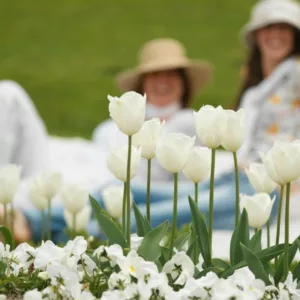

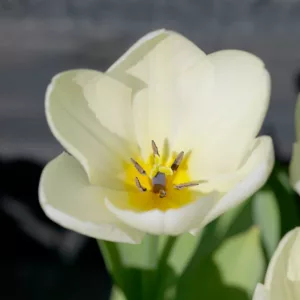
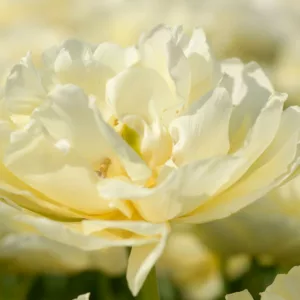
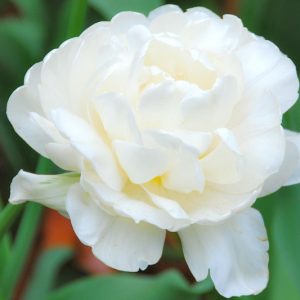
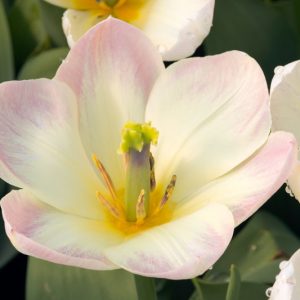
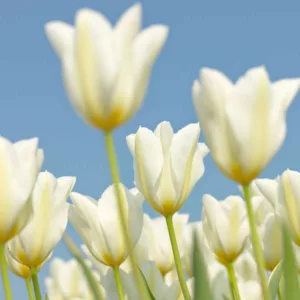
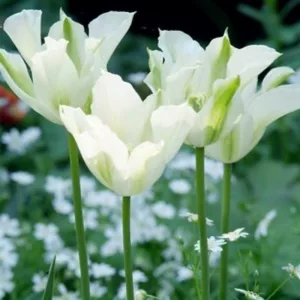
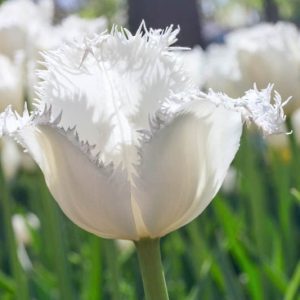
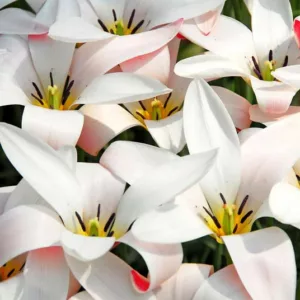
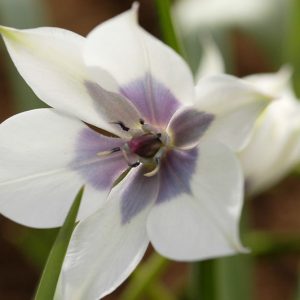
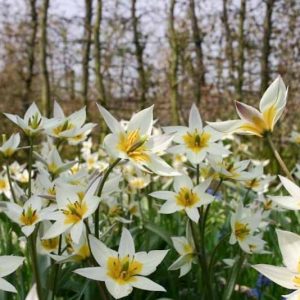
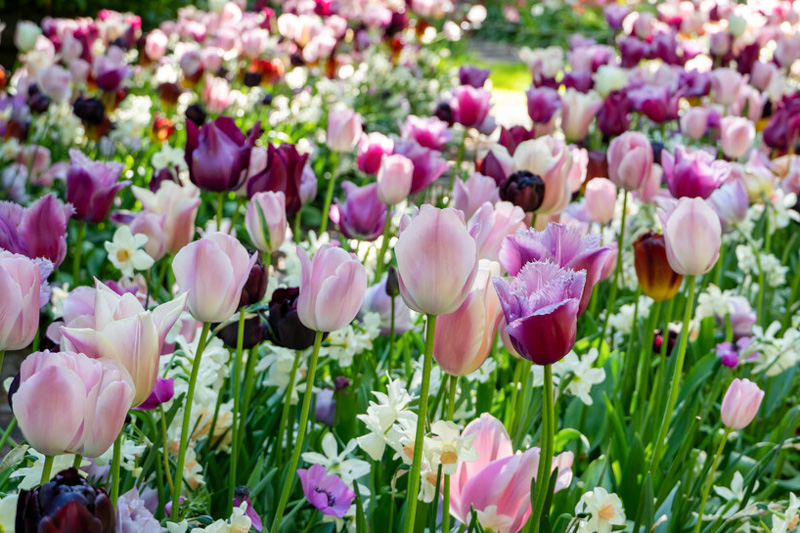
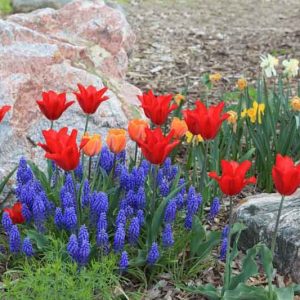
White tulips are incredibly versatile and can be used in various design contexts. In the garden, they create a stunning contrast when planted alongside darker-colored flowers or as part of a monochromatic white garden. Their simple, clean lines make them an excellent choice for formal gardens, where they can be arranged in geometric patterns or mixed with other spring-blooming bulbs like daffodils and hyacinths.
In floral arrangements, white tulips are a popular choice for weddings, where their purity and elegance make them perfect for bridal bouquets and centerpieces. They also pair beautifully with other white flowers, such as roses, peonies, or lilies, creating a sophisticated and harmonious look. For a more dramatic effect, white tulips can be combined with dark-colored blooms like deep red roses or purple irises, creating a striking contrast that draws the eye.
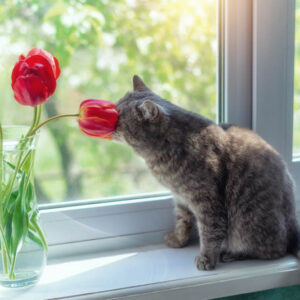
Tulips are toxic to cats and dogs. They contain toxic compounds known as tulipalin A and tulipalin B. These substances are found throughout the plant but are most concentrated in the bulbs.
White tulips, like most tulips, are perennials, meaning they can return year after year. However, they are often treated as annuals in some climates because their blooms may diminish over time if not properly cared for or if conditions aren’t ideal.
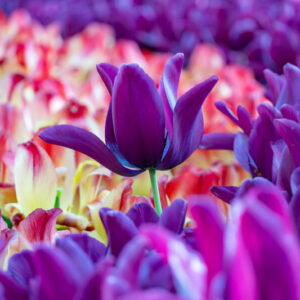
The rarest color of tulips is considered to be black. While no tulip is truly black, there are deep purple varieties, such as the Queen of Night Tulip, that are so dark they appear black, making them highly sought after.
Beauty is subjective, but many consider the Parrot Tulip among the most beautiful, with its ruffled, vibrant petals resembling parrot feathers. Double Tulips, also known as Peony Tulips, are cherished for their lush, layered blooms, while Viridiflora Tulips captivate gardeners with their distinctive green streaks that elegantly run through the petals.
Yes, white tulips are indeed romantic. They symbolize pure love, sincerity, and new beginnings, making them a beautiful choice for expressing deep affection. Their elegant simplicity and soft, snow-white petals evoke a sense of timeless romance, perfect for weddings, anniversaries, or any occasion celebrating love and commitment.

| Hardiness |
3 - 8 |
|---|---|
| Plant Type | Bulbs |
| Plant Family | Liliaceae |
| Genus | Tulipa |
| Exposure | Full Sun |
| Season of Interest | Spring (Early, Mid, Late) |
| Maintenance | Low |
| Water Needs | Average |
| Soil Type | Chalk, Loam, Sand |
| Soil pH | Acid, Neutral |
| Soil Drainage | Well-Drained |
| Characteristics | Cut Flowers, Showy |
| Landscaping Ideas | Beds And Borders, Patio And Containers, Underplanting Roses And Shrubs |
| Garden Styles | City and Courtyard, Informal and Cottage |
| Toxic to Humans | No known toxicity |
| Toxic to Cats | No known toxicity |
| Toxic to Dogs | No known toxicity |
| Toxic to Horses | No known toxicity |
Create a membership account to save your garden designs and to view them on any device.
Becoming a contributing member of Gardenia is easy and can be done in just a few minutes. If you provide us with your name, email address and the payment of a modest $25 annual membership fee, you will become a full member, enabling you to design and save up to 25 of your garden design ideas.
Join now and start creating your dream garden!
Create a membership account to save your garden designs and to view them on any device.
Becoming a contributing member of Gardenia is easy and can be done in just a few minutes. If you provide us with your name, email address and the payment of a modest $25 annual membership fee, you will become a full member, enabling you to design and save up to 25 of your garden design ideas.
Join now and start creating your dream garden!