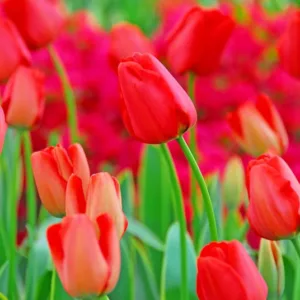
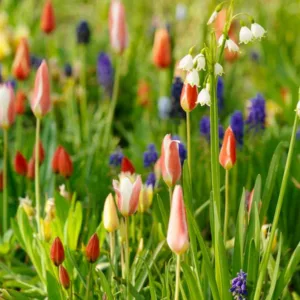
Planting tulip bulbs at the right time is crucial for their success
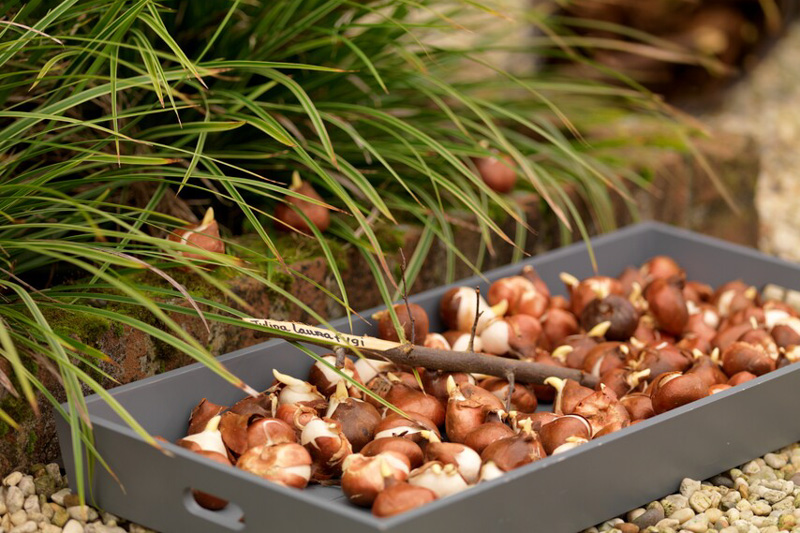


Summary: Plant tulip bulbs in fall, 6–8 weeks before the ground freezes so they can root and receive the cold they need to bloom. In warm zones, pre-chill bulbs 12–16 weeks (35–45°F / 2–7°C) before planting. Plant when soil is ~40–55°F (4–13°C).
Why timing matters: Tulips require a cold dormancy to form strong roots and flower well in spring.
| Best Planting Window (General) | Fall; 6–8 weeks before first hard freeze; soil ~40–55°F (4–13°C) |
|---|---|
| USDA Zones 3–5 (Cold) | Late Sept–Early Oct |
| USDA Zones 6–7 (Moderate) | Mid–Late Oct |
| USDA Zones 8–10 (Warm) | Late Nov–Early Dec; pre-chill bulbs 12–16 weeks |
| Site & Soil | Full sun (≥6 hrs). Well-drained sandy/loamy soil; pH ~6.0–7.0. Improve heavy clay with compost/sand. |
|---|---|
| Depth & Spacing | Plant 3× bulb height deep (typically 6–8 in / 15–20 cm), measured from soil surface to bulb top; space 4–6 in (10–15 cm); points up. |
| Watering | Water thoroughly after planting to settle soil; avoid waterlogging (rot risk). Little/no watering after ground freezes. |
| Mulch | Add straw/pine needles/shredded leaves to insulate bulbs, retain moisture, and suppress weeds. |
| Warm-Zone Tip | Pre-chill bulbs in a paper bag in the refrigerator 12–16 weeks; keep away from ripening fruit (ethylene). |
| Common Mistakes | Planting too early/too shallow; overwatering; poor drainage; overcrowding; skipping soil prep. |
| Toxicity | Tulips are toxic to cats & dogs (tulipalin A & B), especially bulbs—plant and store out of pet reach. |
Tulips are one of the most cherished spring flowers, known for their vibrant colors and elegant shapes. To enjoy their beauty, it’s crucial to plant tulip bulbs at the right time.
Tulips are perennial plants that grow from bulbs. They require a period of cold dormancy to develop their roots and prepare for blooming. This cold period mimics the natural winter conditions of their native regions in Central Asia. For tulips to thrive, it’s essential to plant the bulbs at a time that allows them to experience this cold dormancy.
The best time to plant tulip bulbs is in the fall, about 6–8 weeks before the ground freezes. This timing ensures that the bulbs have enough time to establish roots before the cold winter months. The exact planting time can vary depending on your location:
Northern Climates (USDA Zones 3–5): In colder climates, where the ground freezes early, aim to plant tulip bulbs in late September to early October. This allows the bulbs to develop roots before the first hard frost.
Moderate Climates (USDA Zones 6–7): In regions with milder winters, such as the Mid-Atlantic or Southern New England, plant tulip bulbs in mid to late October. The soil should be cool but not yet frozen.
Warmer Climates (USDA Zones 8–10): In warmer climates, where the ground may not freeze, it’s best to plant tulip bulbs in late November to early December. In these regions, pre-chill the bulbs for 12–16 weeks in the refrigerator at 35–45°F (2–7°C) before planting to simulate the necessary cold dormancy.
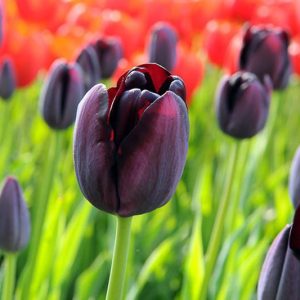
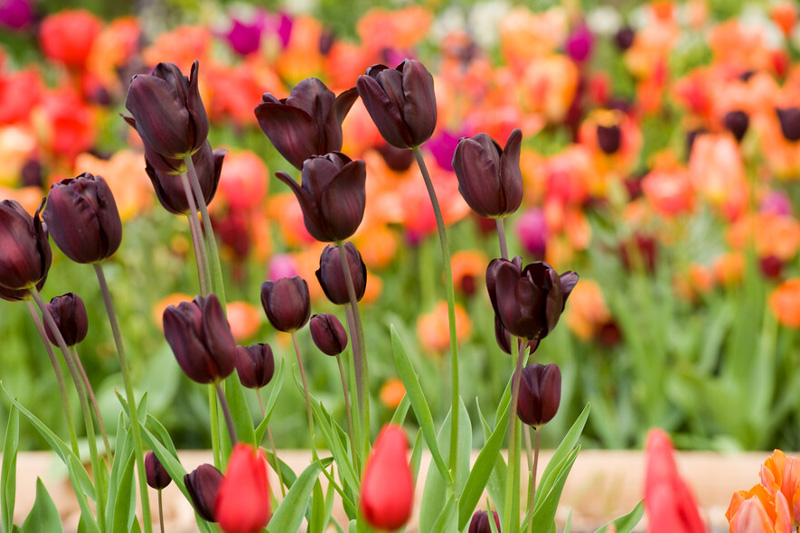 Tulip ‘Queen of Night’ (Single Late Tulip)
While tulips are generally hardy and can adapt to a range of climates, certain considerations must be taken into account:
Cold Climates: In areas with harsh winters, planting too early can lead to premature sprouting, which can be damaged by frost. Planting too late, on the other hand, may not give the bulbs enough time to establish roots before the ground freezes.
Mild Winters: In regions with mild winters, the soil may not cool down enough for the bulbs to properly root. To overcome this, pre-chill bulbs 12–16 weeks before planting. Place the bulbs in a paper bag and keep them away from ripening fruits, which release ethylene gas and can harm the bulbs.
Wet Climates: In areas with heavy rainfall in the fall, it’s important to ensure good drainage when planting tulip bulbs. Waterlogged soil can cause the bulbs to rot before they have a chance to root.
Preparing the soil properly before planting tulip bulbs is crucial for their success:
Soil Type: Tulips prefer well-drained, sandy or loamy soil with a neutral to slightly acidic pH (6.0–7.0). Heavy clay soil can retain too much moisture, leading to bulb rot. If your soil is heavy, consider amending it with sand or compost to improve drainage.
Soil Temperature: The soil should be cool but not frozen when you plant tulip bulbs—ideally around 40–55°F (4–13°C). A soil thermometer can help you time planting precisely.
Soil Preparation: Before planting, loosen the soil to a depth of about 12 inches (30 cm) to allow for good root growth. Incorporate compost or well-rotted manure to enrich the soil with nutrients. Avoid using fresh manure, as it can burn the bulbs.
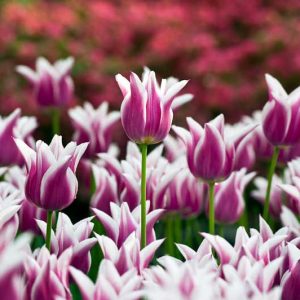
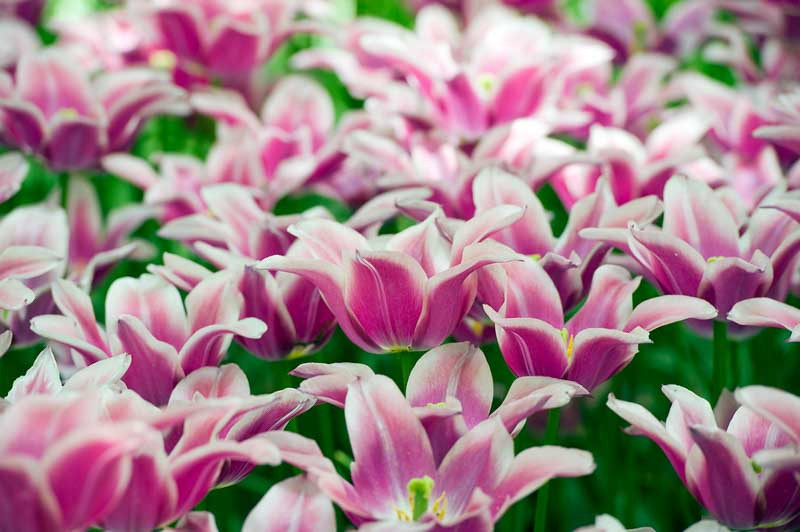 Tulip ‘Ballade’ (Lily-Flowered Tulip)
Correct planting depth and spacing are key to ensuring healthy growth and vibrant blooms:
Planting Depth: Plant bulbs 3× their height deep (typically 6–8 inches / 15–20 cm), measured from the soil surface to the top of the bulb. Planting too shallowly can result in poor root development and weak blooms.
Spacing: Space tulip bulbs about 4–6 inches (10–15 cm) apart. For clusters or drifts, stagger the bulbs for a more natural look.
Containers: Use a gritty, well-drained mix and ensure drainage holes. Bulbs can be spaced closer (~3 in / 8 cm). Follow the same timing (and pre-chill for warm zones).
Proper watering and mulching can help protect the bulbs and ensure successful growth:
Watering: After planting, water thoroughly to help settle the soil and start rooting. Tulip bulbs need moisture to establish roots, but avoid overwatering, which can lead to rot. Once the ground has frozen, you can stop watering until spring.
Mulching: Apply a layer of mulch, such as straw, pine needles, or shredded leaves, over the planting area to help insulate the bulbs during the winter, retain soil moisture, and suppress weeds. In colder climates, a thicker layer of mulch may be necessary for added protection.
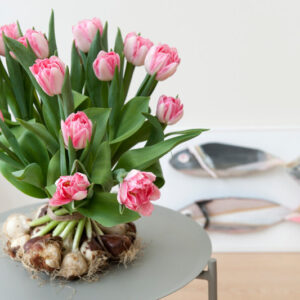
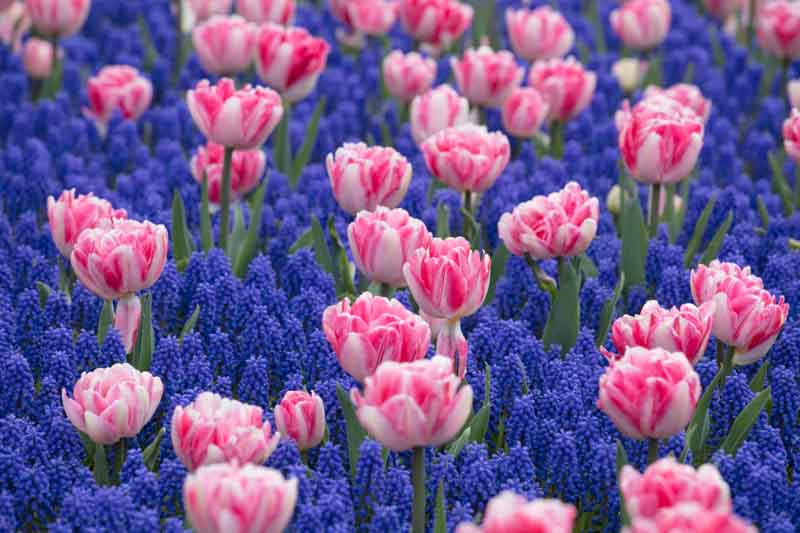 Tulip ‘Foxtrot’ (Double Early Tulip)
Planting tulip bulbs may seem straightforward, but there are a few common mistakes to watch out for:
Planting Too Early: Planting bulbs too early in the fall can lead to premature sprouting, which may be damaged by early frosts. Wait until the soil has cooled.
Planting Too Shallow: Bulbs planted too close to the surface are more vulnerable to temperature fluctuations and may not root properly. Always plant at the recommended depth.
Overwatering: While tulip bulbs need moisture to root, too much water can cause rot. Ensure the soil is well-drained and avoid overwatering.
Ignoring Soil Quality: Poor soil conditions can hinder tulip growth. Improve drainage and add organic matter if necessary.
Overcrowding: Planting bulbs too close together can lead to competition for nutrients and space, resulting in smaller blooms. Follow spacing guidelines.
Wildlife Damage: Protect from rodents with wire mesh and from deer by interplanting with daffodils and using repellents.
Root Establishment: Fall planting gives tulip bulbs time to establish strong roots before winter, leading to healthier plants and more robust blooms in spring.
Natural Dormancy: The cold winter period is essential for bulbs to break dormancy and prepare for blooming.
Spring Blooms: Fall planting ensures vibrant tulip displays just when gardens need color most.
Ease of Care: Once planted, tulip bulbs require minimal attention over winter.
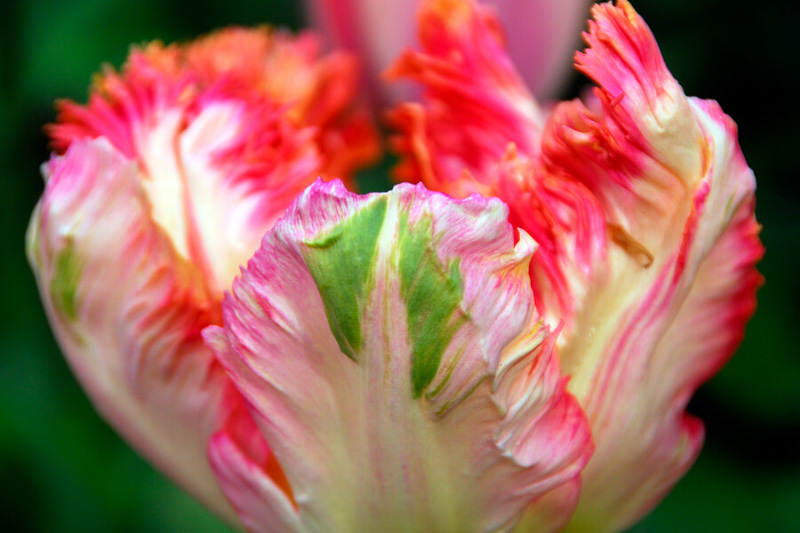 Tulip ‘Apricot Parrot’ (Parrot Tulip)
| Hardiness |
3 - 8 |
|---|---|
| Plant Type | Bulbs |
| Plant Family | Liliaceae |
| Genus | Tulipa |
| Exposure | Full Sun |
| Season of Interest | Spring (Early, Mid, Late) |
| Maintenance | Low |
| Water Needs | Average |
| Soil Type | Chalk, Loam, Sand |
| Soil pH | Acid, Neutral |
| Soil Drainage | Well-Drained |
| Characteristics | Cut Flowers, Showy |
| Landscaping Ideas | Beds And Borders, Patio And Containers, Underplanting Roses And Shrubs |
| Garden Styles | City and Courtyard, Informal and Cottage |
| Toxic to Humans | No known toxicity |
| Toxic to Cats | No known toxicity |
| Toxic to Dogs | No known toxicity |
| Toxic to Horses | No known toxicity |


| Hardiness |
3 - 8 |
|---|---|
| Plant Type | Bulbs |
| Plant Family | Liliaceae |
| Genus | Tulipa |
| Exposure | Full Sun |
| Season of Interest | Spring (Early, Mid, Late) |
| Maintenance | Low |
| Water Needs | Average |
| Soil Type | Chalk, Loam, Sand |
| Soil pH | Acid, Neutral |
| Soil Drainage | Well-Drained |
| Characteristics | Cut Flowers, Showy |
| Landscaping Ideas | Beds And Borders, Patio And Containers, Underplanting Roses And Shrubs |
| Garden Styles | City and Courtyard, Informal and Cottage |
| Toxic to Humans | No known toxicity |
| Toxic to Cats | No known toxicity |
| Toxic to Dogs | No known toxicity |
| Toxic to Horses | No known toxicity |
Create a membership account to save your garden designs and to view them on any device.
Becoming a contributing member of Gardenia is easy and can be done in just a few minutes. If you provide us with your name, email address and the payment of a modest $25 annual membership fee, you will become a full member, enabling you to design and save up to 25 of your garden design ideas.
Join now and start creating your dream garden!
Create a membership account to save your garden designs and to view them on any device.
Becoming a contributing member of Gardenia is easy and can be done in just a few minutes. If you provide us with your name, email address and the payment of a modest $25 annual membership fee, you will become a full member, enabling you to design and save up to 25 of your garden design ideas.
Join now and start creating your dream garden!