Mexican Pinyon, Mexican Pine, Pinyon Pine, Cembroides Pine
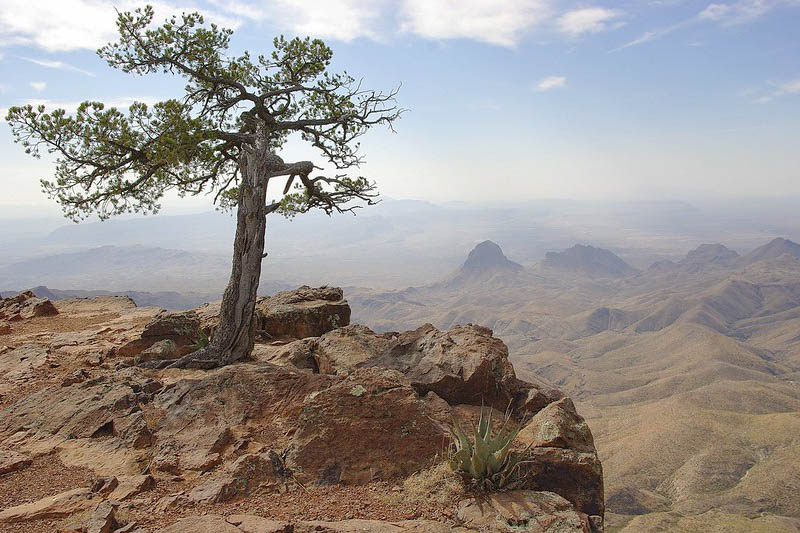


Pinus cembroides, the Mexican Pinyon, is a tough, adaptable pine native to the mountains of Mexico and the southwestern U.S. With its short, soft needles and compact form, this small tree is beloved for its rich, edible pine nuts and drought resistance.
Whether you’re planting a food forest or just love native wildlife, the Mexican Pinyon is a charming, low-maintenance tree with a lot to offer. The Pinus genus belongs to the pine family, Pinaceae.
Found across northern and central Mexico, and parts of Texas, New Mexico, and Arizona, Pinus cembroides thrives in dry hillsides, mountain slopes, and scrubby woodlands.
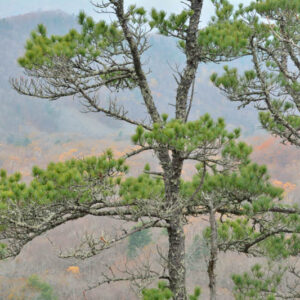
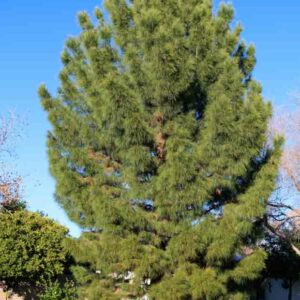
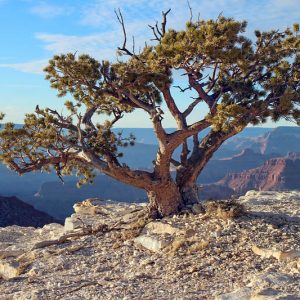
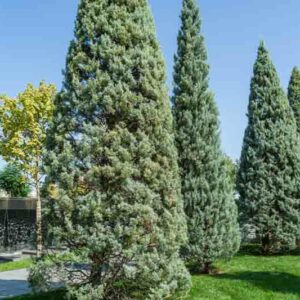
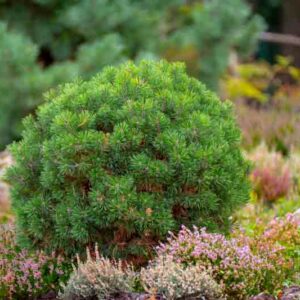
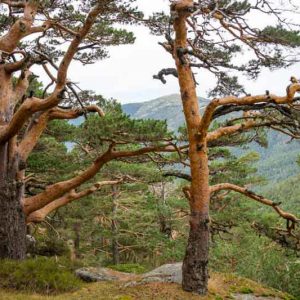
A small to medium evergreen tree with a rounded, spreading canopy. It grows slowly but steadily and stays compact—great for small landscapes and edible gardens.
Typically grows 20–30 feet (6–9 m) tall and 15–20 feet (4.5–6 m) wide. In the wild, it forms dense thickets with other desert pines and oaks.
Long-lived, especially in dry climates where competition is low. Expect decades of performance with very little input once established.
No flowers, but produces male and female cones in spring. Pollination is by wind, with cones taking about two years to mature.
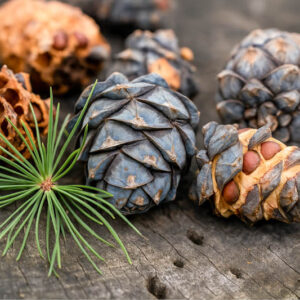
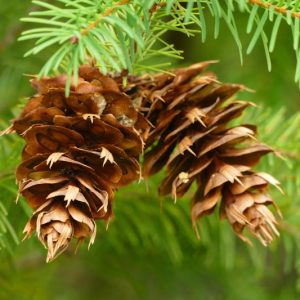
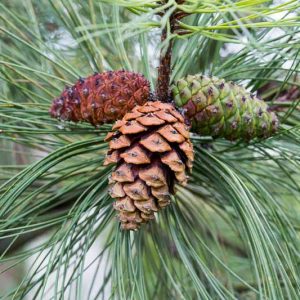
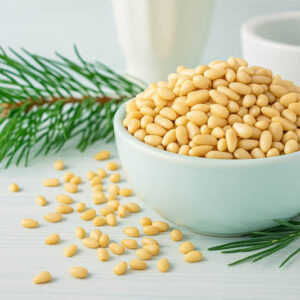
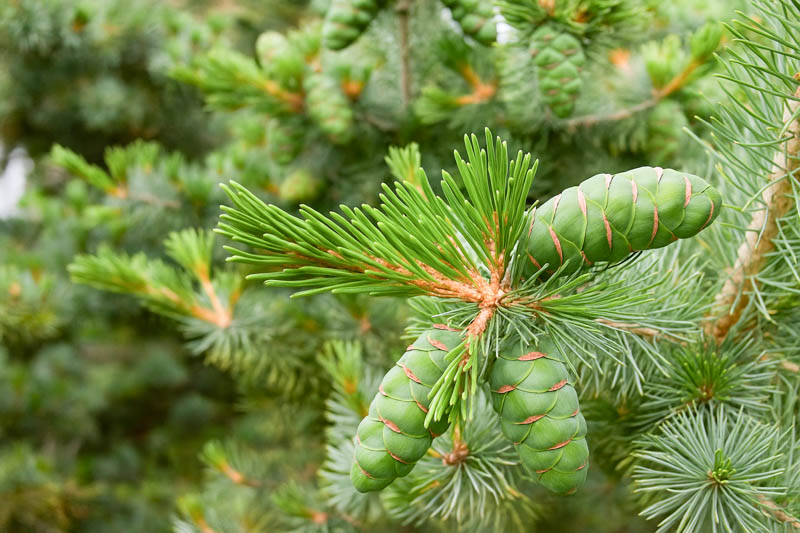
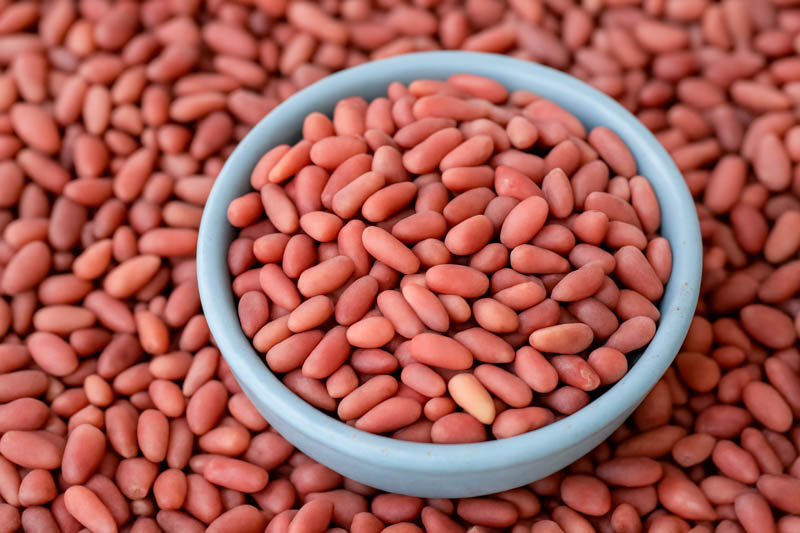
Rounded cones contain edible seeds—small but flavorful pine nuts that have been foraged for generations. Want more on pine nut nutrition? See: Pine Nuts: Nutrition, Uses, and Trees That Produce Them.
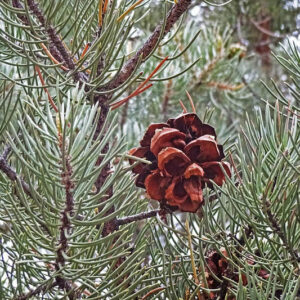
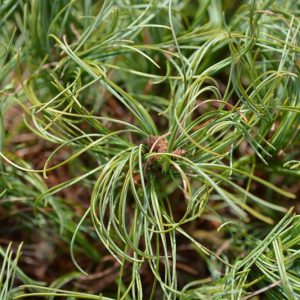
Needles are typically in bundles of three, short and bluish-green. They add a fine texture and soft, muted color to arid gardens and desert forests.
Young bark is smooth and brownish-gray; with age, it becomes furrowed and scaly, lending character to mature specimens.
Hardy in USDA zones 5-8. Thrives in hot, dry summers and cool winters. Prefers full sun and well-drained soils—especially sandy or rocky ones.
Mexican Pinyon plays a key role in supporting wildlife throughout its native range. Its nutritious seeds feed Merriam’s turkey, thick-billed parrots, black bears, porcupines, squirrels, chipmunks, and many other birds and small mammals. Cattle, goats, and mule deer browse its foliage, while the tree also supports desert pollinators and natural seed dispersers.
Mature needles and bark are unpalatable to deer and rabbits. However, young seedlings may need protection during establishment.
Non-toxic and safe for humans and pets. Pine nuts are nutritious and widely eaten—but best enjoyed in moderation due to their rich oil content.
Not invasive. This pine spreads slowly and relies on wildlife for seed dispersal—no risk of it taking over your garden or nearby habitats.
Growing a Mexican Pinyon is a rewarding way to add beauty, resilience, and edible bounty to dry-climate gardens. This compact pine thrives with little care and produces flavorful pine nuts once mature.
Tip: Mexican Pinyon is ideal for dryland food forests, wildlife gardens, and permaculture zones. It asks for little but gives a lot—pine nuts, habitat, and beauty!
Harvesting pine nuts from Pinus cembroides is a cherished tradition across Mexico and the southwestern U.S. These small, sweet seeds are rich in flavor—and worth the effort.
Fresh Mexican Pinyon nuts are nutrient-rich but can spoil quickly without proper storage. Here’s how to keep them fresh and flavorful.
Pro tip: Lightly toast nuts before storing or freezing—they’ll hold their flavor better and be ready for trail snacks, salads, or baking!
Looking to grow your own pinyon grove? Pinus cembroides is relatively easy to propagate by seed—if you have a bit of patience.
Bonus tip: For better nut production, grow several Mexican Pinyons together. Their compact form also makes them ideal for dryland orchards or backyard food forests.
Mexican Pinyon Pines (Pinus cembroides) are rugged, drought-adapted trees, but under stress—especially from drought, poor soils, or overcrowding—they can face pest and disease challenges worth monitoring.
Tip: While Mexican Pinyons are among the hardiest pines, even the toughest trees benefit from good airflow, dry roots, and occasional checkups. Healthy trees are your best defense against pests and disease.
Pinyon Pines are small to medium-sized evergreen trees native to the southwestern U.S. and Mexico. They’re known for their edible pine nuts, drought tolerance, and compact, sculptural form.
Several! The most well-known include Pinus monophylla (Singleleaf Pinyon), Pinus edulis (Colorado Pinyon), and Pinus cembroides (Mexican Pinyon). All produce tasty, high-calorie seeds.
Yes—pinyon pine nuts are rich in healthy fats, protein, magnesium, and antioxidants. Regular consumption may support heart health and provide sustained energy. They have been a traditional food source for many Indigenous communities in the Southwest, valued for their nutrition and cultural significance.
It depends on the species and growing conditions, but most pinyons take 25–50 years to reliably produce cones in the wild. In cultivation, they may begin sooner with proper care.
They thrive in dry, rocky soils from the U.S. Southwest into northern and central Mexico. They are commonly found in pinyon-juniper woodlands between 4,000–8,000 feet elevation.
Extremely! Pinyon Pines are well-adapted to arid environments and require very little water once established. They’re perfect for xeriscapes and low-water landscapes.
Yes, if you live in USDA zones 5–9 and have well-drained soil. They need full sun, space to spread, and lots of patience.
Not at all. Pinyons grow slowly, shed minimal debris, and stay where they’re planted. Their seeds rely on birds and mammals for limited dispersal.
Minimal pruning is needed. Just remove dead, damaged, or crossing branches. Their natural form is part of their charm.
Absolutely! Pinyon nuts are prized by jays, squirrels, and chipmunks, while the dense canopy offers shelter for birds, reptiles, and mammals.
Collect cones just as they begin to open in late summer or fall. Dry them until the scales open fully, then extract the seeds by hand.
Yes, they’re non-toxic—but as with all fatty foods, moderation is key to avoid upset stomachs in pets or people.
| Hardiness |
5 - 8 |
|---|---|
| Plant Type | Trees |
| Plant Family | Pinaceae |
| Genus | Pinus |
| Exposure | Full Sun |
| Season of Interest | Spring (Early, Mid, Late), Summer (Early, Mid, Late), Fall, Winter |
| Height | 20' - 30' (6.1m - 9.1m) |
| Spread | 15' - 20' (4.6m - 6.1m) |
| Maintenance | Low |
| Water Needs | Low |
| Soil Type | Loam, Sand |
| Soil pH | Acid, Neutral, Alkaline |
| Soil Drainage | Well-Drained |
| Characteristics | Showy, Evergreen, Fruit & Berries |
| Native Plants | United States, Southwest, Texas, Arizona, New Mexico |
| Tolerances | Deer |
| Attracts | Birds |
| Toxic to Humans | No known toxicity |
| Toxic to Cats | No known toxicity |
| Toxic to Dogs | No known toxicity |
| Toxic to Horses | No known toxicity |


| Hardiness |
5 - 8 |
|---|---|
| Plant Type | Trees |
| Plant Family | Pinaceae |
| Genus | Pinus |
| Exposure | Full Sun |
| Season of Interest | Spring (Early, Mid, Late), Summer (Early, Mid, Late), Fall, Winter |
| Height | 20' - 30' (6.1m - 9.1m) |
| Spread | 15' - 20' (4.6m - 6.1m) |
| Maintenance | Low |
| Water Needs | Low |
| Soil Type | Loam, Sand |
| Soil pH | Acid, Neutral, Alkaline |
| Soil Drainage | Well-Drained |
| Characteristics | Showy, Evergreen, Fruit & Berries |
| Native Plants | United States, Southwest, Texas, Arizona, New Mexico |
| Tolerances | Deer |
| Attracts | Birds |
| Toxic to Humans | No known toxicity |
| Toxic to Cats | No known toxicity |
| Toxic to Dogs | No known toxicity |
| Toxic to Horses | No known toxicity |
How many Pinus cembroides (Mexican Pinyon) do I need for my garden?
| Plant | Quantity | |
|---|---|---|
| Pinus cembroides (Mexican Pinyon) | N/A | Buy Plants |
Create a membership account to save your garden designs and to view them on any device.
Becoming a contributing member of Gardenia is easy and can be done in just a few minutes. If you provide us with your name, email address and the payment of a modest $25 annual membership fee, you will become a full member, enabling you to design and save up to 25 of your garden design ideas.
Join now and start creating your dream garden!
Create a membership account to save your garden designs and to view them on any device.
Becoming a contributing member of Gardenia is easy and can be done in just a few minutes. If you provide us with your name, email address and the payment of a modest $25 annual membership fee, you will become a full member, enabling you to design and save up to 25 of your garden design ideas.
Join now and start creating your dream garden!