Create Your Garden

Penstemon barbatus Rock Candy ® Light Pink (Beardtongue)

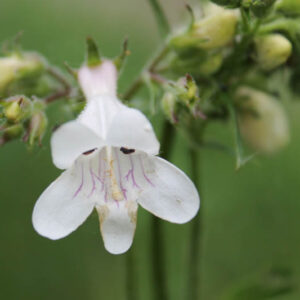
Rock Candy® Light Pink Beard Tongue, Penstemon barbatus 'Novapenpin'
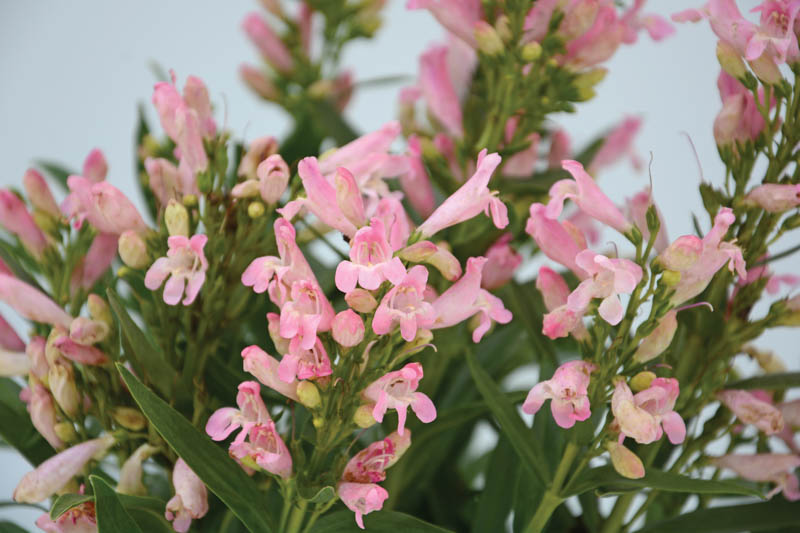
Penstemon Rock Candy Light Pink, Rock Candy Pink Penstemon, Beardtongue

Penstemon barbatus Rock Candy® Light Pink: Sweet Spires for Sun, Pollinators, and Modern Edging

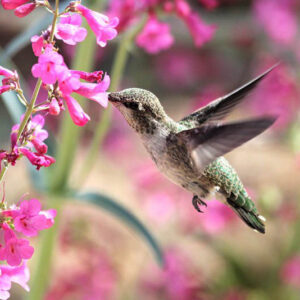
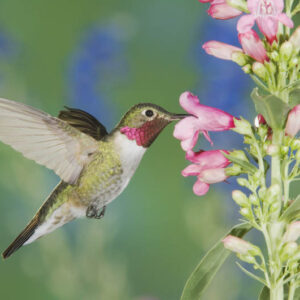
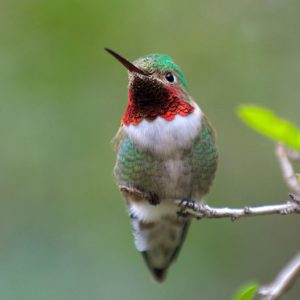
Imagine stepping outside to find a ribbon of dainty, bell-shaped pink blooms arching beside your sunny walk. As you sip your morning coffee, a hummingbird hovers to sip nectar. Compact foliage hugs the ground, each stem topped by a wand of pastel trumpets that catch the sun and sway in the breeze. This is Penstemon barbatus Rock Candy® Light Pink—a beacon for pollinators and a border’s best friend, delivering dramatic beauty with down-to-earth ease.

History & Breeding

The Rock Candy® Series was selected for compact habit, prolific flowering, and high performance in small spaces—think townhouse beds, patio pots, and modern pollinator strips. Rock Candy® Light Pink keeps the classic beardtongue look but in a neat, easy-to-manage package that blooms for months with regular deadheading.

Quick Facts: Penstemon Rock Candy® Light Pink

Botanical Name Penstemon barbatus Rock Candy® Light Pink
Common Name Light Pink Beardtongue
Series Rock Candy®
Plant Type Herbaceous perennial (grown as an annual in colder regions)
Hardiness Zones USDA 5a–8b
Height & Spread 10–12 in. × ~12 in. (25–30 × 30 cm)
Spacing 6–12 in. (15–30 cm)
Bloom Time Late spring, reblooming in late summer with deadheading
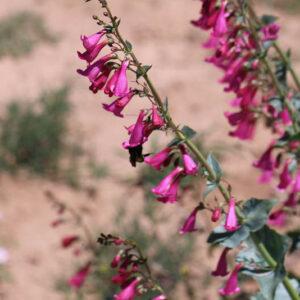
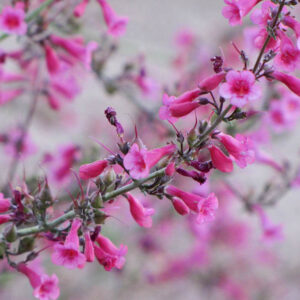
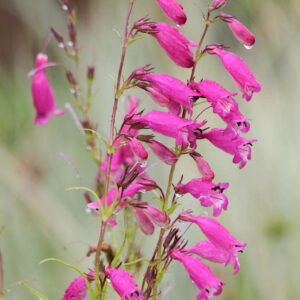
Flower Color Light shell-pink, tubular/bell-shaped blooms on airy spires
Sun Requirements Full sun (part sun tolerated)
Soil / pH Well-drained; preferred pH ~5.8–6.2 (neutral to slightly alkaline tolerated if drainage is sharp)
Water Needs Average; drought tolerant once established
Wildlife Attracts hummingbirds, bees, butterflies; often avoided by rabbits

Plant Type & Habit

  • Plant Type: Herbaceous perennial (with annual potential in very cold climates)
  • Growth Habit: Compact tufts with upright, flower-topped stems arising from basal rosettes
  • Durability: Sun-loving, low-maintenance, drought tolerant once established

Size

Neat and small scale: about 10–12 inches tall and roughly a foot wide, ideal for edging, containers, and tight front-of-border placements.

Lifespan

A dependable perennial in zones 5a–8b, returning each spring. Bloom begins in late spring and continues with multiple flushes when spent flowers are removed.

Flowers & Bloom Season

  • Flower Color: Soft, light pink trumpets on airy wands that shimmer in bright light.
  • Scent: Not notably fragrant, but highly nectar-rich.
  • Bloom Period: Late spring into summer; strong rebloom with prompt deadheading.

Foliage

Fresh, mid-green, lance-shaped leaves form tight clumps close to the soil, presenting a clean backdrop for the pastel spires.

Hardiness

  • USDA Zones: 5a–8b (mulch crowns in colder microclimates)
  • Weather Tolerance: Heat and wind tolerant; avoid prolonged soggy soils.

Uses

  • Front-of-border edging and path accents
  • Pollinator and hummingbird gardens
  • Containers (great in shallow, wide planters)
  • Rock gardens, slopes, xeric designs
  • Modern mass plantings and cottage beds

Deer and Rabbit Resistance

Often bypassed by browsing wildlife, but not guaranteed deer– or rabbit-proof—monitor in high-pressure areas.

Wildlife and Ecological Benefits

  • Tubular blooms entice hummingbirds for close-up viewing.
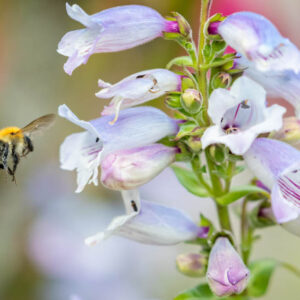
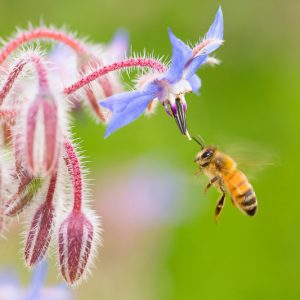
  • Bees and butterflies forage readily across successive flushes.
  • Low fertilizer and modest water needs support sustainable gardening.

Toxicity

Penstemons are not commonly reported as toxic to people or pets. As with any ornamental, avoid ingestion and supervise young children and pets outdoors.

Invasiveness

Well-behaved and clumping—does not spread aggressively or self-seed rampantly.


Getting Started: Planting Rock Candy® Light Pink

Location, Location, Location!

  • Sun: Full sun (6+ hours) for best bloom; light afternoon shade is acceptable in very hot climates.
  • Soil: Well-drained, friable or sandy soils are ideal. In clay, plant high and amend to improve drainage.
  • Spacing: 6–12 inches (15–30 cm) apart for a continuous, carpeted effect without crowding.

How to Plant

  • Dig a hole as deep as the root ball and about twice as wide.
  • Gently loosen roots if pot-bound and set the crown at soil level.
  • Backfill, firm lightly, and water thoroughly to settle.
  • Mulch lightly (keep mulch off stems) with gravel, compost, or fine bark.

What About Seeds?

Rock Candy® varieties are typically sold as named plants. For true-to-type performance, purchase nursery starts rather than growing from seed.


Caring for Penstemon Rock Candy® Light Pink

  • Water: Keep evenly moist to establish; once rooted, water deeply but infrequently—especially during extended dry spells.
  • Feeding: Minimal needs. A light, all-purpose, low-nitrogen feed in early spring is sufficient.
  • Deadheading: Trim spent spikes promptly to encourage rapid rebloom.
  • Cut-back/Shear: After the final summer flush, shear stems to basal leaves for a tidy mound.
  • Winter Care: In colder zones, apply a light winter mulch after a hard freeze; remove in early spring.

Seasonal Care Calendar

Season Task
Spring Plant out new starts; fertilize lightly; pinch once for bushier growth; watch for snails/slugs on tender leaves.
Summer Deadhead for repeat bloom; water during prolonged drought; enjoy peak flower and hummingbird activity.
Autumn Shear back spent spikes; tidy foliage; add protective mulch in colder regions.
Winter Minimal care; in spring, remove winter mulch and clean up before new growth accelerates.

Pests and Diseases

  • Pests: Generally minimal; occasional aphids on tender tips can be rinsed off or treated with insecticidal soap.
  • Disease: Most issues stem from excess moisture—avoid poorly drained sites to reduce root rot and stem blight; provide airflow to discourage mildew.

Designing with Rock Candy® Light Pink

  • Edging & paths: Thread along walkways for a low, pollinator-rich border.
  • Sunny front border: Weave among lamb’s ear, dwarf grasses, and compact sedums for soft texture and pastel color.
  • Rock & gravel gardens: Combine with thyme, sempervivum, or creeping phlox for a drought-savvy tapestry.
  • Patio containers: Group three or more in a shallow trough with blue fescue and coral bells for long-season structure.
  • Pollinator meadows: Blend with coreopsis, verbena, and airy cosmos for continuous wildlife action.

“My Rock Candy® patch hums with hummingbirds and butterflies all summer—minimal work, maximum show!” — Urban gardener


Propagation & Plant Protection

This named Rock Candy® selection is sold as a specific cultivar. Intellectual-property protections (including plant patent or PPAF status) may apply—asexual propagation is prohibited without permission. For reliable performance, purchase plants from licensed nurseries.


Fun Facts About Rock Candy® Light Pink

  • The name “beardtongue” refers to the sterile fifth stamen—often fuzzy like a tiny “beard.”
  • Penstemon barbatus has North American roots and is celebrated for hummingbird appeal and heat tolerance.
  • The Rock Candy® Series comes in a range of “candy” hues—mix shades for a pastel ombré effect along paths.
  • Each flower spike lasts for weeks and makes a charming miniature cut stem for bud vases.

Common Questions Answered

Does Rock Candy® Light Pink rebloom?

Yes. Deadhead promptly and you’ll see successive flushes from late spring into summer.

Can I grow it in a container?

Absolutely. Use a shallow, wide pot with fast-draining mix; protect the crown in winter for zone 5 sites.

Is it drought tolerant?

Once established, yes. Water deeply but infrequently in hot, dry spells.

Will it spread aggressively?

No. It forms tidy clumps and does not run or reseed rampantly.

Is it safe for pets?

Penstemons aren’t commonly listed as toxic, but avoid ingestion and supervise pets in the garden.

How cold-hardy is it?

Typically hardy in USDA 5a–8b. In colder microclimates, mulch late fall and situate in a well-drained spot.


Final tip: For the longest show, plant in full sun with sharp drainage, then shear lightly after each big bloom flush—your border will look freshly “iced” in pastel pink all season.

Penstemon: How to Grow and Care with Success


Properly growing Penstemon ensures robust, vibrant blooms and foliage, enhances garden biodiversity by attracting pollinators, prevents disease, and maintains plant health. Thriving plants provide longer-lasting beauty and environmental benefits, contributing positively to local ecosystems and the aesthetic value of your landscape.

Requirements

Hardiness 5 - 8
Heat Zones 2 - 9
Climate Zones 1, 2, 3, 4, 5, 6, 7, 8, 9, 10, 11, 12, 13, 14, 15, 16, 17, 18, 19, 20
Plant Type Perennials
Plant Family Plantaginaceae
Genus Penstemon
Common names Beardtongue, Penstemon
Exposure Full Sun
Season of Interest Spring (Late), Summer (Late), Fall
Height 10" - 1' (25cm - 30cm)
Spread 10" - 1' (25cm - 30cm)
Spacing 6" - 12" (15cm - 30cm)
Maintenance Low
Water Needs Low
Soil Type Chalk, Loam, Sand
Soil pH Acid, Alkaline, Neutral
Soil Drainage Well-Drained
Characteristics Cut Flowers, Showy
Tolerance Drought
Attracts Hummingbirds, Bees
Garden Uses Beds And Borders
Garden Styles Gravel and Rock Garden, Informal and Cottage, Prairie and Meadow, Traditional Garden
How Many Plants
Do I Need?
Explore Great Plant Combination Ideas
Penstemon (Beardtongue)
Not sure which Penstemon (Beardtongue) to pick?
Compare Now

Alternative Plants to Consider

Penstemon pallidus (Pale Beardtongue)
Penstemon pseudospectabilis (Desert Beardtongue)
Penstemon parryi (Parry’s Beardtongue)
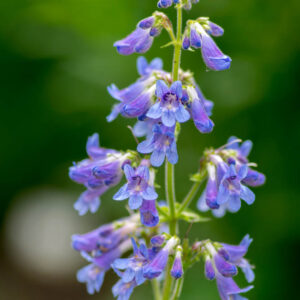
Penstemon heterophyllus ‘Electric Blue’ (Foothill Beardtongue)
Penstemon ‘Evelyn’ (Beardtongue)
Penstemon ovatus (Eggleaf Beardtongue)

Recommended Companion Plants

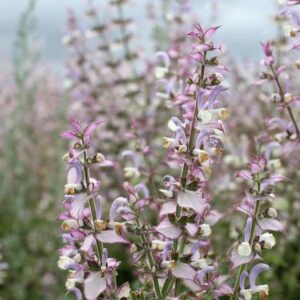
Salvia sclarea (Clary Sage)
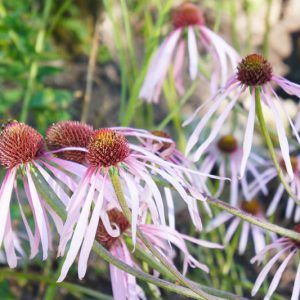
Echinacea pallida (Pale Purple Coneflower)
Echinacea paradoxa (Yellow Coneflower)

Find In One of Our Guides or Gardens

Best Full Sun Perennials for Zone 8: Top Heat-Tolerant Garden Winners
Top Zone 6 Full Sun Perennials – Color That Thrives in Heat & Cold
Top Zone 7 Full Sun Perennials for Long Bloom, Color & Pollinators
Native Garden Ideas – Best Native Plants for a Beautiful Yard
Drought Tolerant Gardens – The Ultimate Water-Wise Guide
Pollinator Gardens: Plants, Designs & Care Guide
Top 70 Summer Flowers to Brighten Your Garden and Home
50 Best Fall Flowers to Color Your Autumn Garden
Desert Flowers: Bringing Color to Dry Gardens
50 Fall Wildflowers: Top Picks for a Vibrant Autumn Garden
50 Summer Wildflowers: Bright Blooms for Your Garden
50 Wildflowers that Thrive in Sun
50 Blue Wildflowers for Every Garden
50 Pink Wildflowers for Every Garden
50 Purple Wildflower to Brighten Your Garden
50 California Wildflowers: From Desert Blooms to Coastal Gems
50 Colorado Wildflowers to Know and Love
50 Texas Wildflowers to Brighten Your Garden
35 Flowering Shrubs That Blaze in Full Sun
42 Best Perennial Flowers and Plants to Brighten Your Garden Every Season
Penstemon and Pollinators: A Harmonious Dance in the Garden
Thriving in Thirst: Colorful Penstemons for Water-Wise Landscapes
Penstemon: How to Grow and Care with Success
Penstemon (Beardtongue)
For the Love of Bees: Best Flowers to Attract them to Your Garden
How to Cultivate a Thriving Bee-Friendly Garden
50 Native Wildflowers for North Carolina
Best Flowers to Attract Hummingbirds
While every effort has been made to describe these plants accurately, please keep in mind that height, bloom time, and color may differ in various climates. The description of these plants has been written based on numerous outside resources.
Buy Plants

Requirements

Hardiness 5 - 8
Heat Zones 2 - 9
Climate Zones 1, 2, 3, 4, 5, 6, 7, 8, 9, 10, 11, 12, 13, 14, 15, 16, 17, 18, 19, 20
Plant Type Perennials
Plant Family Plantaginaceae
Genus Penstemon
Common names Beardtongue, Penstemon
Exposure Full Sun
Season of Interest Spring (Late), Summer (Late), Fall
Height 10" - 1' (25cm - 30cm)
Spread 10" - 1' (25cm - 30cm)
Spacing 6" - 12" (15cm - 30cm)
Maintenance Low
Water Needs Low
Soil Type Chalk, Loam, Sand
Soil pH Acid, Alkaline, Neutral
Soil Drainage Well-Drained
Characteristics Cut Flowers, Showy
Tolerance Drought
Attracts Hummingbirds, Bees
Garden Uses Beds And Borders
Garden Styles Gravel and Rock Garden, Informal and Cottage, Prairie and Meadow, Traditional Garden
How Many Plants
Do I Need?
Explore Great Plant Combination Ideas
Penstemon (Beardtongue)
Not sure which Penstemon (Beardtongue) to pick?
Compare Now

Gardening Ideas

Plant Calculator

How many Penstemon barbatus Rock Candy ® Light Pink (Beardtongue) do I need for my garden?

Input your garden space dimensions

Your Shopping List

Plant Quantity
Penstemon barbatus Rock Candy ® Light Pink (Beardtongue) N/A Buy Plants

Please Login to Proceed

You Have Reached The Free Limit, Please Subscribe to Proceed

Subscribe to Gardenia

To create additional collections, you must be a paid member of Gardenia
  • Add as many plants as you wish
  • Create and save up to 25 garden collections
Become a Member

Plant Added Successfully

Your garden is taking shape. Unlock full planning.

You’ve reached the free limit. Upgrade for $25/year to add as many plants as you wish and save up to 25 garden collections. Unlock Annual Membership

Update Your Credit
Card Information

Cancel

Create a New Collection

Sign Up to Our Newsletter

    You have been subscribed successfully

    Join Gardenia.net

    Create a membership account to save your garden designs and to view them on any device.

    Becoming a contributing member of Gardenia is easy and can be done in just a few minutes. If you provide us with your name, email address and the payment of a modest $25 annual membership fee, you will become a full member, enabling you to design and save up to 25 of your garden design ideas.

    Join now and start creating your dream garden!

    Join Gardenia.net

    Create a membership account to save your garden designs and to view them on any device.

    Becoming a contributing member of Gardenia is easy and can be done in just a few minutes. If you provide us with your name, email address and the payment of a modest $25 annual membership fee, you will become a full member, enabling you to design and save up to 25 of your garden design ideas.

    Join now and start creating your dream garden!
    Find your Hardiness Zone

    Find your Heat Zone

    Find your Climate Zone