Botanical Crocus, Sieber's Crocus, Snow crocus
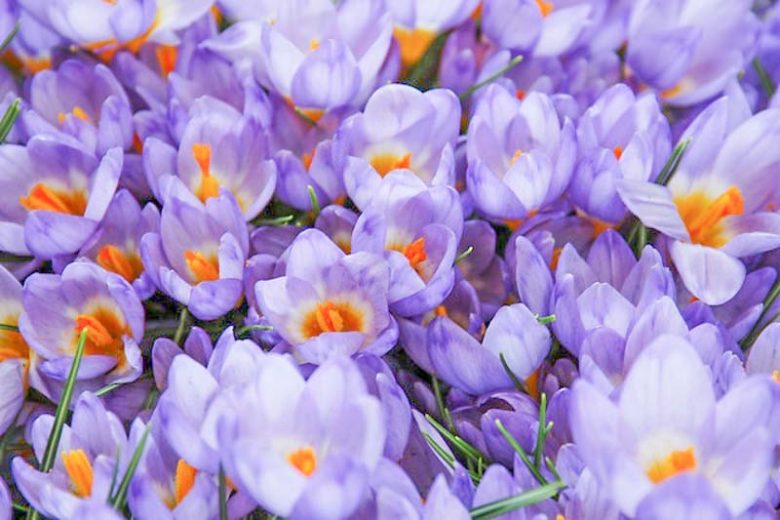


Vibrant and resilient, Crocus sieberi brings a burst of color to the garden with its charming late winter flowers, making it a delightful addition to any landscape.
Native: Crocus sieberi, also known as Sieber’s Crocus, is native to the mountainous regions of Greece, Crete, and the Balkans. It is one of the earliest blooming species and is well-suited to naturalizing in grass.
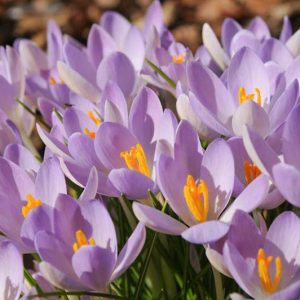
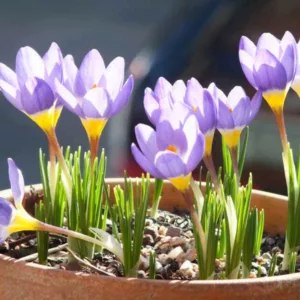
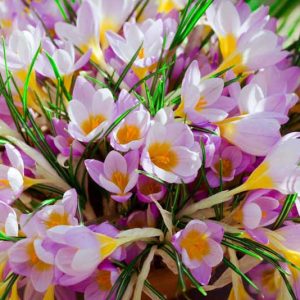
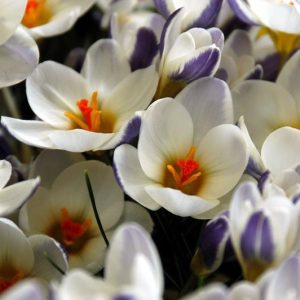
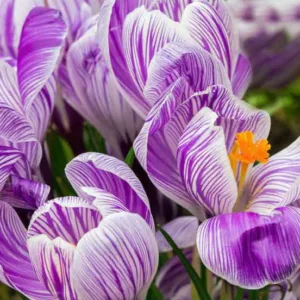
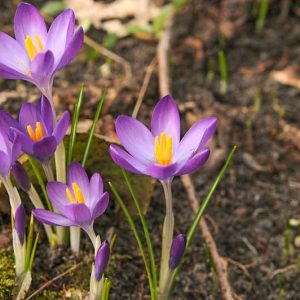
Description: This small crocus species bears bright, cup-shaped flowers that range in color from pure white to a deep violet, often with a bright yellow center and delicate violet striping on the outer petals. Each bulb produces one to four flowers that close at night and open up in daylight.
Habit and Size: Sieber’s Crocus has a clumping growth habit, with each corm producing several grass-like leaves and multiple flower stems. These plants grow about 3-4 inches (7-10 cm) in height.
Flowers: The flowers are cup-shaped with six petal-like segments. They are typically about 1 inch (2.5 cm) in diameter when fully open.
Foliage: The foliage is slender, grass-like, and appears at the same time as the flowers. Each leaf has a central silver stripe.
Blooming Season: Crocus sieberi blooms in late winter to early spring, often pushing its flowers through the snow.
Hardiness: It is hardy in USDA Zones 3-8, and once established, can tolerate freezing temperatures and snow cover.
Uses: Crocus sieberi is ideal for rock gardens, woodland gardens, lawns, under trees and shrubs, or even in containers. They are particularly striking when planted in large drifts.
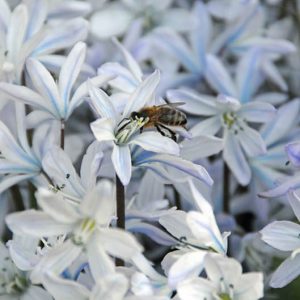
Pollinators: The early flowers of Crocus sieberi provide a valuable food source for bees and other pollinators.
Toxicity: Like other crocus species, Crocus sieberi is toxic if ingested in large quantities. The corms can cause stomach upset if eaten.
Deer and Rabbit: The animals tend to avoid these plants due to their slightly toxic nature.
Drought: Once established, Crocus sieberi is fairly drought-tolerant, but it does best with regular watering during its growth and bloom periods.
Invasiveness: Crocus sieberi is not considered invasive. It will naturalize and spread slowly over time in suitable conditions, but it is not aggressive.
| Hardiness |
3 - 8 |
|---|---|
| Heat Zones |
1 - 8 |
| Plant Type | Bulbs |
| Genus | Crocus |
| Exposure | Full Sun, Partial Sun |
| Season of Interest | Spring (Early), Winter |
| Height | 3" - 4" (8cm - 10cm) |
| Spread | 2" (5cm) |
| Spacing | 2" (5cm) |
| Depth | 3" (8cm) |
| Maintenance | Low |
| Water Needs | Average |
| Soil Type | Chalk, Clay, Loam, Sand |
| Soil pH | Acid, Alkaline, Neutral |
| Soil Drainage | Well-Drained |
| Characteristics | Fragrant, Showy |
| Tolerances | Deer |
| Attracts | Bees |
| Landscaping Ideas | Beds And Borders, Patio And Containers |
| Garden Styles | City and Courtyard, Gravel and Rock Garden, Informal and Cottage, Prairie and Meadow |
| Toxic to Humans | No known toxicity |
| Toxic to Cats | No known toxicity |
| Toxic to Dogs | No known toxicity |
| Toxic to Horses | No known toxicity |
Growing Crocus sieberi, or Sieber’s Crocus, in your garden can bring a multitude of benefits:
Early Blooming: Crocus sieberi is one of the first plants to bloom in late winter to early spring, often pushing its colorful flowers through the snow. It brings cheer and a sense of anticipation for the coming spring.
Attracts Pollinators: Its vibrant, nectar-rich flowers are a valuable early food source for bees and other pollinators, helping to support biodiversity in your garden.
Easy to Grow: This crocus species is hardy, adaptable, and easy to grow, making it an excellent choice for beginner gardeners. It can tolerate a range of soil types and conditions, although it prefers well-drained soil and a sunny location.
Naturalizes Well: Crocus sieberi is perfect for naturalizing in lawns, under trees and shrubs, or in rock gardens. Over time, it forms beautiful carpets of color that herald the arrival of spring.
Deer and Rabbit Resistant: Thanks to their slightly toxic nature, Crocus sieberi plants are usually avoided by deer and rabbits.
Drought Tolerant: Once established, Crocus sieberi is reasonably drought-tolerant, making it a good choice for areas with dry summers.
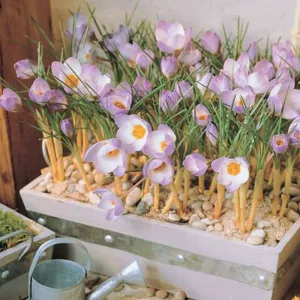
Great for Containers: Its compact size makes it suitable for pot cultivation, adding a splash of early color to your patio, balcony, or outdoor sitting area.
For all these reasons, Crocus sieberi would make an excellent addition to your garden, brightening up your outdoor space with their early, vibrant blooms.
Designing a garden with Crocus sieberi allows you to create a visually pleasing garden space that’s bursting with color at the tail end of winter. Here are a few ideas:
Underplanting Deciduous Trees and Shrubs: Since Crocus sieberi blooms early in the spring before many trees and shrubs have leafed out, they make excellent understory plantings. They will enjoy the full sun in the spring, and will be dormant by the time the tree or shrub’s leaves cast shade below.
Rock Gardens: Crocus sieberi thrives in well-drained soil, making it a perfect addition to a rock garden. Its vibrant flowers add a delightful contrast against the rough textures and neutral colors of stones and boulders.
Naturalizing in Lawns: This variety of crocus is ideal for naturalizing in lawns. Scatter the corms randomly across your lawn area in the fall, then simply plant them where they fall. The effect in spring is a sea of blooms that creates the effect of a wildflower meadow.
Borders and Path Edgings: Crocus sieberi can be planted in large numbers along garden paths or around the edges of flower beds for a striking display of early spring color.
Containers and Window Boxes: Crocus sieberi grows well in containers and window boxes. Mixed with other early spring bloomers, they can create beautiful tableaux of color on your patio or balcony.
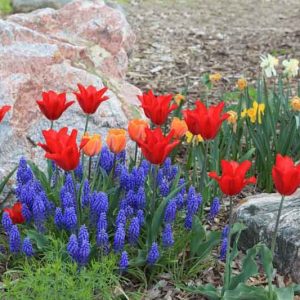
Mixed Bulb Plantings: Plant Crocus sieberi with other early spring-blooming bulbs such as snowdrops (Galanthus) and dwarf irises (Iris reticulata). As the crocuses fade, the later-blooming bulbs will take over, providing a succession of blooms.
Remember that Crocus sieberi blooms best in full sun to partial shade and prefers well-drained soil. A top dressing of grit or gravel can help improve drainage in heavier soils and protect the corms from rot.
Crocus sieberi pairs well with many plants that can match or complement its growing season. Here are a few companion plants that can help create a diverse and engaging garden design:
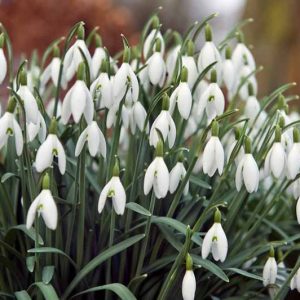
Galanthus (Snowdrops): These early spring bloomers offer delicate white blooms that pair beautifully with the vibrant colors of Crocus sieberi.
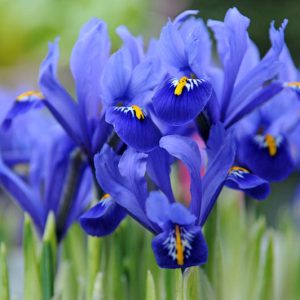
Iris reticulata: Another early bloomer, Iris reticulata provides a nice height contrast and additional pops of color.
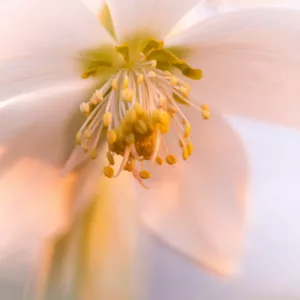
Hellebores (Lenten Rose or Christmas Rose): Hellebores bloom in late winter to early spring, and their unique, often dark-colored flowers make a striking contrast to the brightly-colored crocuses.
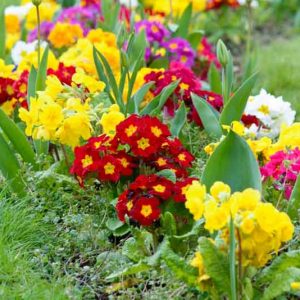
Primula (Primroses): Primulas bloom in early spring and offer a variety of colors that can complement or contrast with Crocus sieberi.
Early blooming Narcissus (Daffodils): Some small, early-blooming daffodils can provide a height contrast and complement the crocus’ color.
Scilla mischtschenkoana ( White Squill): Both bloom in early spring and enjoy similar growing conditions. The white, star-shaped flowers of White Squill nicely complement the purple Crocus blooms, creating a lively and colorful display to signal the end of winter.
When planning your garden, consider the blooming times, mature sizes, and preferred growing conditions of your chosen plants to create a harmonious design. Mixing early, mid, and late spring bloomers can help create a continuous display of color throughout the season.
Growing Crocus sieberi is fairly straightforward and follows the standard procedure for most crocus species. Here are the steps:
Choose Your Bulbs: Select healthy, firm bulbs (technically corms) without any signs of rot or damage. Larger bulbs generally produce more blooms.
Timing: Plant Crocus sieberi in early autumn, as they require a period of cold dormancy before they can bloom.
Site Selection: Choose a location with full sun to partial shade. They do well under deciduous trees, where they’ll receive plenty of sun in late winter and early spring before the trees fully leaf out.
Soil Preparation: Crocuses prefer well-drained soil. If your soil is heavy clay, amend it with compost or grit to improve drainage. The soil pH should be neutral to slightly alkaline.
Planting: Plant the corms 2-3 inches deep (5-7 cm) and 2-3 inches (5-7 cm) apart. The pointed end should be facing upwards.
Aftercare: Water well after planting. Thereafter, water during prolonged dry periods in autumn and winter. Avoid excessive watering as the corms can rot.
Winter Care: In colder regions, mulch around the crocuses with straw or leaves to protect the corms from freeze-thaw cycles which can push them out of the ground.
Spring Care: After the flowers bloom, let the foliage die back naturally. The leaves are gathering energy for next year’s flowers. Once the foliage has yellowed, it can be removed.
Propagation: Over time, clumps can become overcrowded and flowering may decrease. If this happens, lift the clumps after the foliage has died back, separate the corms, and replant them.
Crocus sieberi is hardy, adaptable, and deer-resistant, making it an excellent choice for many garden situations, including rock gardens, lawns, under trees, and in containers. It naturalizes well and will spread over time, creating a carpet of color in early spring.
| Hardiness |
3 - 8 |
|---|---|
| Heat Zones |
1 - 8 |
| Plant Type | Bulbs |
| Genus | Crocus |
| Exposure | Full Sun, Partial Sun |
| Season of Interest | Spring (Early), Winter |
| Height | 3" - 4" (8cm - 10cm) |
| Spread | 2" (5cm) |
| Spacing | 2" (5cm) |
| Depth | 3" (8cm) |
| Maintenance | Low |
| Water Needs | Average |
| Soil Type | Chalk, Clay, Loam, Sand |
| Soil pH | Acid, Alkaline, Neutral |
| Soil Drainage | Well-Drained |
| Characteristics | Fragrant, Showy |
| Tolerances | Deer |
| Attracts | Bees |
| Landscaping Ideas | Beds And Borders, Patio And Containers |
| Garden Styles | City and Courtyard, Gravel and Rock Garden, Informal and Cottage, Prairie and Meadow |
| Toxic to Humans | No known toxicity |
| Toxic to Cats | No known toxicity |
| Toxic to Dogs | No known toxicity |
| Toxic to Horses | No known toxicity |
Create a membership account to save your garden designs and to view them on any device.
Becoming a contributing member of Gardenia is easy and can be done in just a few minutes. If you provide us with your name, email address and the payment of a modest $25 annual membership fee, you will become a full member, enabling you to design and save up to 25 of your garden design ideas.
Join now and start creating your dream garden!
Create a membership account to save your garden designs and to view them on any device.
Becoming a contributing member of Gardenia is easy and can be done in just a few minutes. If you provide us with your name, email address and the payment of a modest $25 annual membership fee, you will become a full member, enabling you to design and save up to 25 of your garden design ideas.
Join now and start creating your dream garden!