Create Your Garden

Caryopteris x clandonensis ‘Gold Crest’ (Bluebeard)

Bluebeard 'Gold Crest', Gold Crest Bluebeard, Blue Mist Spiraea 'Gold Crest'
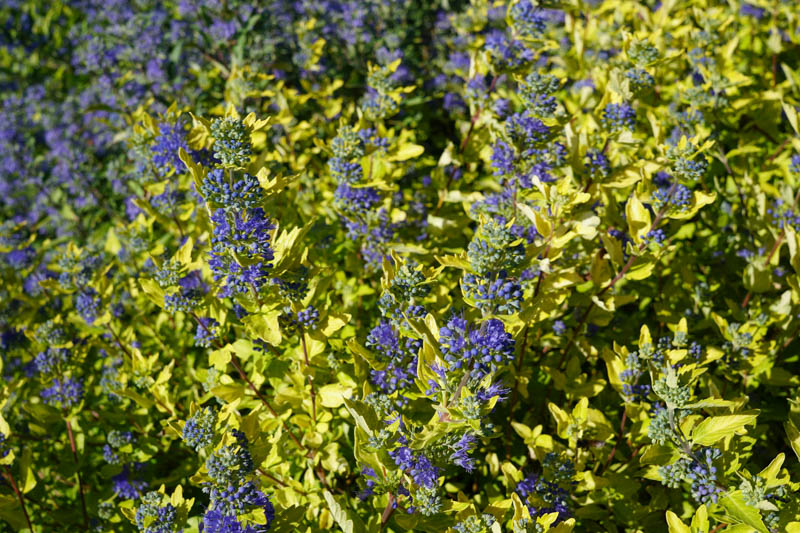
Caryopteris Gold Crest, Gold Crest Bluebeard, Blue Flowers, Blue Spiraea

Caryopteris ‘Gold Crest’: Gilding the Late Summer Garden

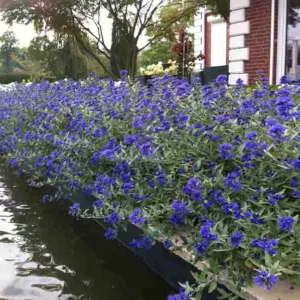
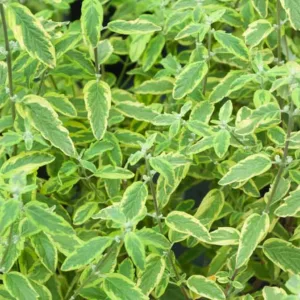
Picture an August afternoon as summer’s heat softens under golden light. Your garden suddenly gleams—mounds of sunny, golden foliage brightened by clouds of blue flowers. Bees dart between the blossoms, and butterflies drift across beds, celebrating a plant that’s both dazzling and practical. Welcome to Caryopteris × clandonensis ‘Gold Crest’, a modern bluebeard offering radiant color, compact form, and unbeatable late-season performance.


Meet Caryopteris ‘Gold Crest’

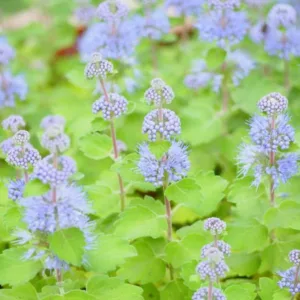
Also called bluebeard, Caryopteris × clandonensis is a woody perennial or subshrub adored for its ability to ignite late summer and fall borders with persistent blooms. ‘Gold Crest’ sets itself apart with vivid blue flowers above lush, golden-yellow semi-evergreen foliage. The bright leaves remain colorful through spring and summer before becoming the perfect backdrop to late blooms. Bred for dependable garden performance, ‘Gold Crest’ brings both structure and brightness to sunny borders, pollinator plantings, and high-impact patio containers.

What Sets ‘Gold Crest’ Apart?

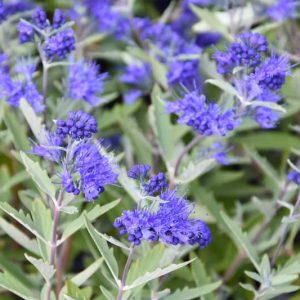
  • Foliage: Shimmering golden-yellow leaves that keep their color even in intense sun, creating season-long garden highlights.
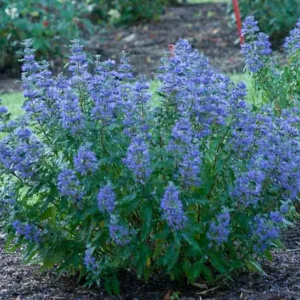
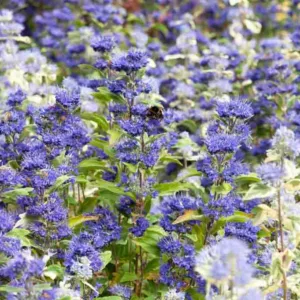
  • Flower Color: Clouds of clear blue flowers in late summer and autumn (August–October) that contrast beautifully with gold foliage.
  • Long Bloom Period: Blooms continue even as many other flowers fade—bridging the summer-fall color gap.
  • Mounded Habit: Forms a neat, bushy shrub 28–36 inches (70–90 cm) tall, spreading 24–30 inches (60–75 cm) wide—ideal for borders and containers.
  • Wildlife Magnet: Bees and butterflies love the nectar-rich blossoms; deer rarely bother this aromatic plant.
  • Easy and Tough: Drought tolerant, deer resistant, low water needs, and rarely troubled by pests or disease.
  • Color Stability: Gold leaves remain vibrant, even in harsh sunlight, making this selection stand out among gold-foliaged shrubs.

A Plant with a Modern Purpose

Caryopteris hybrids emerged in the 20th century to provide late-summer garden color where little else thrives. ‘Gold Crest’ continues that tradition with enhanced leaf brightness, enduring blue flowers, a tidy mounding form, and remarkable durability. It’s perfect for the modern gardener looking to add excitement, pollinator support, and low-maintenance appeal to garden designs.


Getting Started: Planting ‘Gold Crest’

Want a pop of gold and blue without extra work? ‘Gold Crest’ makes it possible, thriving with minimal fuss in the right site.

Location, Location, Location!

  • Sunlight: Full sun to partial sun is best. Six or more hours of direct light produce the boldest foliage and best blooming.
  • Soil: Prefers sandy or loamy, well-drained soil. Avoid heavy or damp soils, which may lead to root rot or poor winter survival.
  • Spacing: Allow 36–48 inches (90–120 cm) between plants for air movement and full shape.

How to Plant

  • Dig a hole just wider than the pot, matching root ball depth.
  • Release the plant gently from its pot, loosen roots if circling, and set at ground level.
  • Backfill with garden soil, firm in, and water deeply.
  • Add a mulch layer to suppress weeds and keep roots cool—but avoid piling mulch against stems.

Best From Nursery Containers

Start with quality liner or established container plants for fastest establishment and most impressive year-one color.


Caring for Caryopteris ‘Gold Crest’

  • Water: Water regularly during the first season to establish roots. Once established, let soil dry between watering—a true drought-tolerant choice.
  • Feeding: Fertilize once a month in poor soils during the growing season with a balanced fertilizer. Avoid over-feeding.
  • Pruning: Prune hard in late winter or early spring—cutting stems back to 6–12 inches encourages bushy growth and abundant late-summer blooms.
  • Deadheading: Not needed, but can help extend blooming and neatness.
  • Mulch: Mulch lightly in spring, keeping away from the base of stems.

Seasonal Care Calendar

Season Task
Spring Prune hard to shape and stimulate new growth; apply compost.
Summer Enjoy golden leaves and blue blooms; water in heat waves.
Autumn Remove spent flowers, rake leaves, and avoid late pruning.
Winter Check mulch, especially in cold regions—do not irrigate unless dry and frost-free.

Pests and Diseases

  • Generally Disease-Free: Rarely troubled if planted in well-drained soil and full sun. Wet feet can cause root rot issues.
  • Pest Resistance: Deer rarely bother the aromatic gold foliage; rabbits also avoid it.
  • Occasional Issues: Spider mites or thrips may appear in hot, dry spells—address with horticultural oil if needed.

Designing with ‘Gold Crest’

  • Pollinator Paradises: Mass plant for late nectar and colorful drama. Pair with echinacea, goldenrod, and asters.
  • Bold Borders: Underplant with purple salvia, artemisia, or sedum as a cool and warm season counterpoint.
  • Cottage Style: Its golden foliage mixes beautifully with lavender, blue baptisia, and pink phlox.
  • Pots & Patios: Perfect for containers—just use a quality draining mix and place in full sun.

“Late September and ‘Gold Crest’ is still aglow—golden leaves, blue clouds, and pollinators everywhere. The highlight of my autumn garden!” — Home Gardener, Georgia


Companion Pairing for Color and Biodiversity


Decorative and Ecological Uses

  • Cuts & Bouquets: Bluebeard branches liven up arrangements and add structure to fall bouquets.
  • Wildlife Benefits: Late blooms provide nectar for bees and butterflies when other flowers are gone.
  • Low-Water Gardening: Valuable in drought-tolerant planting schemes and water-wise landscapes.

Wildlife and Environmental Benefits

  • Pollinators: Bees, butterflies, and even hummingbirds flock to the prolific late-season blue blooms.
  • Birds: Finches may visit for seeds after bloom fades.
  • Deer and Rabbit Resistance: Aromatic, colorful foliage deters nibblers.
  • Low Inputs: Needs little fertilizer or water once mature—ideal for sustainable gardening.

Propagation Tips

  • Take softwood cuttings in late spring to early summer—fastest, most reliable propagation method for named varieties.
  • Divide established clumps in late spring if rejuvenation or more plants are desired.
  • Seed propagation not recommended for Gold Crest—named cultivars don’t come true from seed.

Fun Facts About Caryopteris

  • Gold Crest was bred for brilliant gold foliage that won’t fade in summer sun.
  • Was trialed and awarded at Penn State and University of Georgia for performance and beauty.
  • Bluebeard’s fragrant leaves can be gently rubbed for a clean scent.
  • ‘Gold Crest’ maintains its mounded habit without pruning and is first-year flowering from cuttings.
  • Caryopteris is not a true spirea, despite its “blue mist spirea” nickname.

Answers to Common Questions

Does ‘Gold Crest’ die back in winter?

In colder zones (6a–7b), top growth may die back—just cut to the ground in spring and it’ll rebound.

How do I keep my plant tidy and blooming?

Hard prune in early spring for best color and flower power. Summer pinching keeps it bushy.

Will it tolerate clay soils?

Only if amended for fast drainage; soggy roots in winter can harm plants.

Can I grow it in a pot?

Absolutely, with sharp-draining soil and full sun exposure.

Is it pet-safe?

Not considered toxic, but as with all ornamentals, keep out of reach of grazing pets.


Add ‘Gold Crest’ to Your Garden

Ready for waves of gold and blue? Plant Caryopteris ‘Gold Crest’ in your garden this season. With vibrant color, drought resistance, and pollinator appeal, you’ll enjoy a glowing, sustainable showstopper year after year!

Requirements

Hardiness 6 - 9
Heat Zones 1 - 9
Climate Zones 2, 2B, 3, 3A, 3B, 4, 5, 6, 7, 8, 9, 14, 15, 16, 17, 18, 19, 20, 21, 22, 23, 24
Plant Type Shrubs
Plant Family Lamiaceae
Genus Caryopteris
Common names Blue Beard, Bluebird
Exposure Full Sun
Season of Interest Summer (Late), Fall
Height 2' - 3' (60cm - 90cm)
Spread 2' - 3' (60cm - 90cm)
Spacing 36" - 48" (90cm - 120cm)
Maintenance Low
Water Needs Average
Soil Type Chalk, Loam, Sand
Soil pH Acid, Alkaline, Neutral
Soil Drainage Well-Drained
Characteristics Fragrant, Showy
Tolerance Drought, Deer, Rabbit
Attracts Bees, Butterflies, Hummingbirds
Garden Uses Beds And Borders, Ground Covers, Hedges And Screens, Wall-Side Borders
Garden Styles City and Courtyard, Coastal Garden, Gravel and Rock Garden, Informal and Cottage, Mediterranean Garden
How Many Plants
Do I Need?
Not sure which Caryopteris (Bluebeard) to pick?
Compare Now

Alternative Plants to Consider

Caryopteris x clandonensis ‘Emerald Crest’ (Bluebeard)
Caryopteris x clandonensis Sapphire Surf™ (Bluebeard)
Caryopteris x clandonensis Beyond Midnight® (Bluebeard)
Caryopteris x clandonensis ‘Inoveris’ Grand Bleu® (Bluebeard)
Caryopteris x clandonensis ‘Kew Blue’ (Bluebeard)
Caryopteris x clandonensis ‘Summer Sorbet’ (Bluebeard)

Recommended Companion Plants

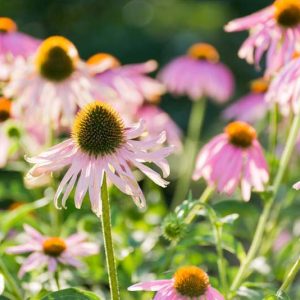
Echinacea (Coneflower)
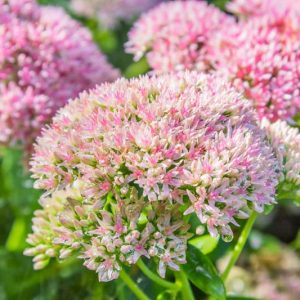
Sedum (Stonecrop)
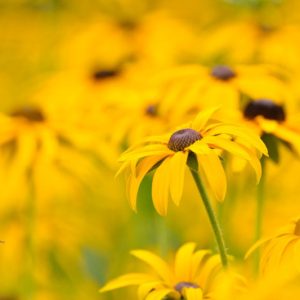
Rudbeckia fulgida (Black-Eyed Susan)

Find In One of Our Guides or Gardens

Best Full Sun Shrubs for Zone 8: Heat-Loving Shrubs That Thrive in Sunshine
Top Full Sun Shrubs for Zone 6: Hardy Sun-Loving Shrubs That Thrive
Top Full Sun Shrubs for Zone 7: Heat-Loving, Low-Maintenance Picks
50 Best Fall Flowers to Color Your Autumn Garden
Fall-Blooming Shrubs and Small Trees for Big Color
Stunning Blue Flowers to Enhance Your Garden’s Beauty
Add a Splash of Color: Perfect Flowering Shrubs for Small Gardens
35 Flowering Shrubs That Blaze in Full Sun
Caryopteris (Bluebeards)
While every effort has been made to describe these plants accurately, please keep in mind that height, bloom time, and color may differ in various climates. The description of these plants has been written based on numerous outside resources.
Buy Plants

Requirements

Hardiness 6 - 9
Heat Zones 1 - 9
Climate Zones 2, 2B, 3, 3A, 3B, 4, 5, 6, 7, 8, 9, 14, 15, 16, 17, 18, 19, 20, 21, 22, 23, 24
Plant Type Shrubs
Plant Family Lamiaceae
Genus Caryopteris
Common names Blue Beard, Bluebird
Exposure Full Sun
Season of Interest Summer (Late), Fall
Height 2' - 3' (60cm - 90cm)
Spread 2' - 3' (60cm - 90cm)
Spacing 36" - 48" (90cm - 120cm)
Maintenance Low
Water Needs Average
Soil Type Chalk, Loam, Sand
Soil pH Acid, Alkaline, Neutral
Soil Drainage Well-Drained
Characteristics Fragrant, Showy
Tolerance Drought, Deer, Rabbit
Attracts Bees, Butterflies, Hummingbirds
Garden Uses Beds And Borders, Ground Covers, Hedges And Screens, Wall-Side Borders
Garden Styles City and Courtyard, Coastal Garden, Gravel and Rock Garden, Informal and Cottage, Mediterranean Garden
How Many Plants
Do I Need?
Not sure which Caryopteris (Bluebeard) to pick?
Compare Now

Gardening Ideas

Plant Calculator

How many Caryopteris x clandonensis ‘Gold Crest’ (Bluebeard) do I need for my garden?

Input your garden space dimensions

Your Shopping List

Plant Quantity
Caryopteris x clandonensis ‘Gold Crest’ (Bluebeard) N/A Buy Plants

Please Login to Proceed

You Have Reached The Free Limit, Please Subscribe to Proceed

Subscribe to Gardenia

To create additional collections, you must be a paid member of Gardenia
  • Add as many plants as you wish
  • Create and save up to 25 garden collections
Become a Member

Plant Added Successfully

Your garden is taking shape. Unlock full planning.

You’ve reached the free limit. Upgrade for $25/year to add as many plants as you wish and save up to 25 garden collections. Unlock Annual Membership

Update Your Credit
Card Information

Cancel

Create a New Collection

Sign Up to Our Newsletter

    You have been subscribed successfully

    Join Gardenia.net

    Create a membership account to save your garden designs and to view them on any device.

    Becoming a contributing member of Gardenia is easy and can be done in just a few minutes. If you provide us with your name, email address and the payment of a modest $25 annual membership fee, you will become a full member, enabling you to design and save up to 25 of your garden design ideas.

    Join now and start creating your dream garden!

    Join Gardenia.net

    Create a membership account to save your garden designs and to view them on any device.

    Becoming a contributing member of Gardenia is easy and can be done in just a few minutes. If you provide us with your name, email address and the payment of a modest $25 annual membership fee, you will become a full member, enabling you to design and save up to 25 of your garden design ideas.

    Join now and start creating your dream garden!
    Find your Hardiness Zone

    Find your Heat Zone

    Find your Climate Zone