Create Your Garden

Caryopteris x clandonensis ‘Emerald Crest’ (Bluebeard)

Bluebeard 'Emerald Crest', Emerald Crest Bluebeard, Blue Mist Spiraea 'Emerald Crest'
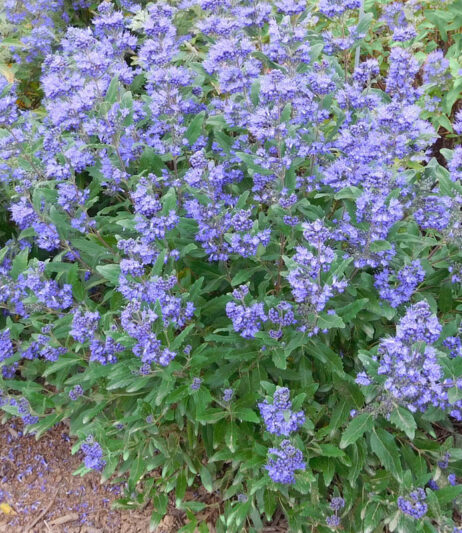
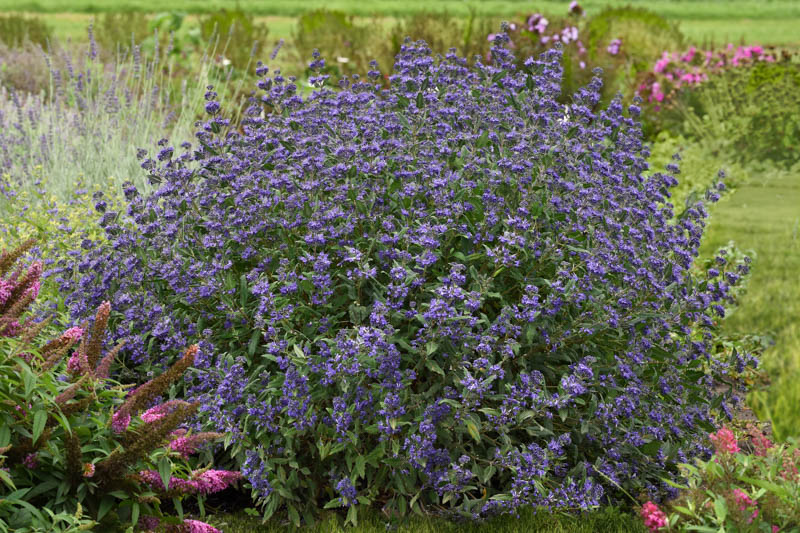
Caryopteris Emerald Crest, Emerald Crest Bluebeard, Blue Flowers, Blue Spiraea

Caryopteris ‘Emerald Crest’: The Jewel of Late Summer Gardens

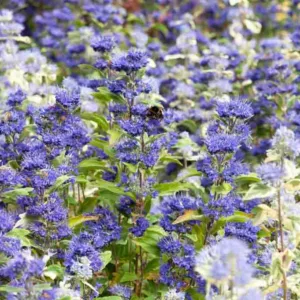
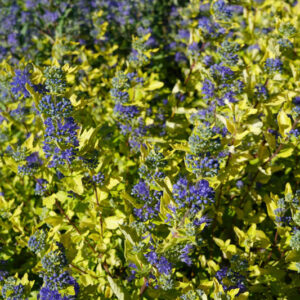
Picture an August afternoon as summer’s heat gives way to lingering golden light. Border plantings suddenly sparkle with clusters of bright, true-blue flowers set above fresh green foliage. You step closer: bees and butterflies busily work the blossoms, and you realize this isn’t just a beautiful accent—it’s a pollinator magnet and a testament to late-season color. Welcome to the world of Caryopteris x clandonensis ‘Emerald Crest’, a modern bluebeard bred for brilliant color, compact form, and easy-care excellence.


Meet Caryopteris ‘Emerald Crest’

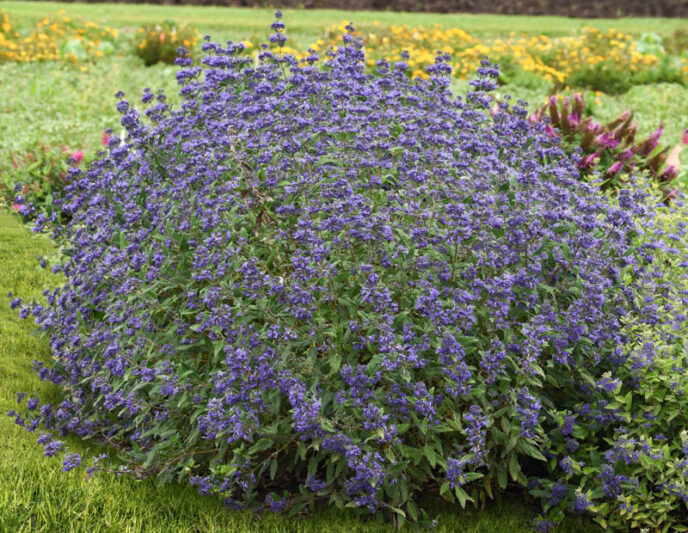
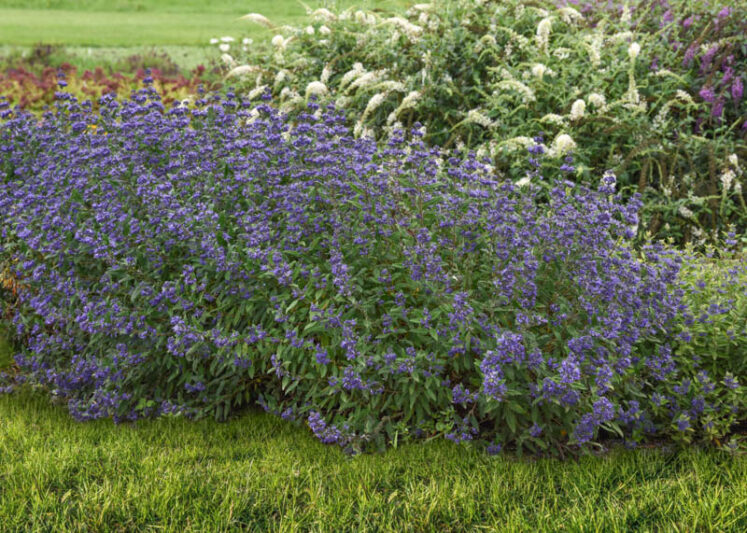
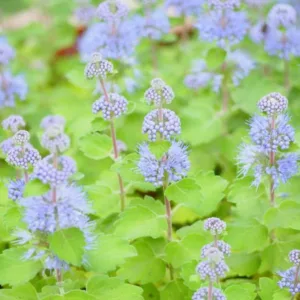
Also known as bluebeard, Caryopteris x clandonensis is a woody perennial or subshrub cherished for its ability to flood late summer and fall borders with cool blue hues. ‘Emerald Crest’ stands out in the genus with dense, bright blue flower clusters that crown its tidy, mounded shape and glossy green foliage. Bred for reliability, mounding habit, and first-year bloom, this cultivar transforms underused garden space into vibrant, lively scenes and supports a rich pollinator community.

What Sets ‘Emerald Crest’ Apart?

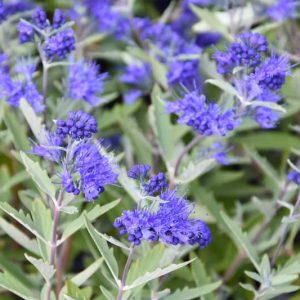
  • Flower Color: Vibrant, rare bright blue blooms held in dense clusters from late summer into fall (August–October).
  • Long Bloom Period: Offers high-impact flower color precisely when many perennials are winding down, filling color gaps in autumn displays.
  • Compact, Reliable Habit: Forms a neat mounded shrub 28–36 inches (70–90 cm) high and 24–30 inches (60–75 cm) wide—perfect for front to mid-borders, mixed beds, or containers.
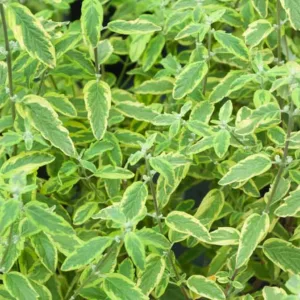
  • Foliage: Glossy, deep green leaves create a fresh, polished background and maintain attractive texture all season.
  • Wildlife Magnet: Bees and butterflies flock to its nectar-rich flowers, while deer tend to ignore the aromatic, non-palatable foliage.
  • Low Maintenance: Drought tolerant, deer resistant, prefers light watering, and generally pest free.

A Plant with a Purpose: History Meets Modern Garden Need

Caryopteris hybrids were developed in the 20th century from crosses between Chinese and Himalayan species, specifically to fill the late-summer lull in temperate gardens. ‘Emerald Crest’ advances the tradition with increased color saturation, tighter mound, and the resilience breeders now expect for contemporary landscapes. It fits effortlessly into pollinator designs, low-maintenance beds, and urban gardens needing color that carries into autumn.


Getting Started: Planting ‘Emerald Crest’

Ready to introduce a pop of blue to your late-summer garden? ‘Emerald Crest’ rewards even easy-going care with an outsized burst of beauty.

Location, Location, Location!

  • Sunlight: Full sun to partial sun is best. At least 6 hours of direct sun ensures strong bloom and dense form.
  • Soil: Prefers light, well-drained soil—adapts to sand or loam. Avoid heavy, wet soils which can encourage rot or militates against winter survival.
  • Spacing: Allow 36–48 inches (90–120 cm) between plants for airflow and space to mature; typical spread is 24–30 inches.

How to Plant

  • Dig a hole slightly wider than the pot and as deep as the root ball.
  • Remove the plant, gently loosen roots, and position so the crown sits at soil level.
  • Backfill with native soil, pressing lightly to remove air pockets.
  • Water thoroughly after planting; mulch lightly to retain moisture and suppress weeds.

Planting from Nursery Stock

Most gardeners start with potted plants; nursery-raised liners or established containers are ideal for getting the best form and earliest bloom.


Caring for Caryopteris ‘Emerald Crest’

This bluebeard is a true “plant it and enjoy it” perennial. Here are a few tips to maximize the display:

  • Water: Once established, allow soil to dry between watering. Needs little supplemental water except in severe drought.
  • Feeding: Apply a balanced fertilizer once a month in the growing season if your soil is poor, but do not over-feed—exuberant growth can reduce flowering.
  • Pruning: In late winter to early spring, cut back stems to 6–12 inches to encourage strong, bushy new growth and most prolific late-summer bloom. Avoid pruning in fall, which may encourage winter dieback.
  • Deadheading: Not essential, but may tidy up the look and sometimes prolong bloom if spent blossoms are removed.
  • Mulch: A spring mulch of light compost helps retain soil moisture and cool roots, but do not mound mulch around stems.

Seasonal Care Calendar

Season Task
Spring Prune back to shape, top-dress with compost, water if spring is dry.
Summer Enjoy continuous flowering, water deeply during long droughts, watch for pollinator activity.
Autumn Remove any spent flowers if desired, clear fallen leaves, avoid pruning until winter’s end.
Winter Check mulch coverage in colder gardens; do not water unless extremely dry and frost-free.

Pests and Diseases

  • Generally Disease-Free: Rarely suffers from significant disease if provided with drainage. Can be affected by root rot in saturated soils.
  • Pest Resistance: Deer avoid the aromatic foliage; rabbits also tend to stay away.
  • Occasional Issues: Watch for spider mites or thrips during hot, dry conditions; treat with gentle sprays or horticultural oil if needed.

Designing with ‘Emerald Crest’

Want to spice up tired borders or extend your season of color? Try these ideas:

  • Pollinator Gardens: Mass plantings deliver blue brilliance and pollinator appeal at summer’s end. Combine with Joe Pye weed, goldenrod, and asters for a dynamic fall tapestry.
  • Mixed Borders: Underplant with silver artemisia, sedum, or hardy salvias to contrast bright blue with silver, chartreuse, or dusky purple leaves.
  • Cottage Gardens: Liven up traditional schemes with a modern twist—‘Emerald Crest’ pairs beautifully with penstemons, coneflowers, and blanket flower.
  • Containers and Patios: Its mounded form is ideal for large pots in sunny entryways, patios, or urban balconies—just ensure good drainage.

“A single ‘Emerald Crest’ in late September is still thick with blooms and bees—my secret to a colorful, buzzing fall garden.” — Home Gardener, Pennsylvania


Companion Pairing for Drama and Biodiversity


Decorative and Ecological Uses

  • Cut Flowers: Freshly cut bluebeard stems last in the vase and add vibrant late-season color to fall arrangements.
  • Wildlife Support: Plant for abundant nectar in late summer and autumn, helping pollinators when few other flowers are available.
  • Low-Water Landscapes: Perfect for sustainable designs and urban drought-tolerant gardens.

Wildlife and Environmental Benefits

  • Pollinator Friendly: Bees, butterflies, and even hummingbirds are regular visitors to ‘Emerald Crest’ blooms.
  • Birds: After bloom, small seed heads may be visited by finches.
  • Deer and Rabbit Resistance: The mildly aromatic leaves keep most grazers away.
  • Minimal Inputs: Once established, thrives with little fertilizer, water, or care—great for eco-friendly gardens.

Propagation Tips

  • Softwood Cuttings: Take in late spring or early summer for the most reliable results.
  • Division: Mature clumps can be lifted and divided in late spring if rejuvenation is desired.
  • Seeds: While possible, named cultivars like ‘Emerald Crest’ should be propagated vegetatively to retain unique traits.

Fun Facts About Caryopteris

  • Developed as a deliberate cross of Asian species for ornamental value and drought tolerance.
  • Foliage contains aromatic oils—lightly rub leaves for a fresh scent.
  • ‘Emerald Crest’ can bloom in its first year from well-rooted cuttings—speedy beauty for new gardens!
  • Known by many as bluebeard or blue mist spirea—despite not being a true spirea.
  • Plant breeders have steadily improved flower color, habit, and cold tolerance, making cultivars like ‘Emerald Crest’ accessible to home gardeners across much of the US and Europe.

Answers to Common Questions

Does ‘Emerald Crest’ die back in winter?

In colder zones (Zone 6–7), top growth may die back but quickly re-emerges in spring. In milder climates, the mounded shrub may remain partially evergreen.

How do I keep my plant tidy and blooming?

Pruning each spring is essential for dense growth and prolific flowering—cut stems to 6–12″ for best results.

Will it tolerate clay soils?

Only if drainage is very sharp—raised beds or amending clay with grit helps prevent winter root rot.

Can I grow it in containers?

Absolutely—ensure quick-draining potting mix and sunny exposure.

Is it safe for pets?

It’s not considered toxic for dogs or cats, but is not edible.


Add ‘Emerald Crest’ to Your Garden

Ready for reliable blue? Plant Caryopteris ‘Emerald Crest’ in a sunny, well-drained spot this season. With minimal water, seasonal blooms, and irresistible pollinator draw, you’ll have a lively, eye-catching garden performer that buzzes with color and life well beyond summer’s peak.

Requirements

Hardiness 6 - 9
Heat Zones 1 - 9
Climate Zones 2, 2B, 3, 3A, 3B, 4, 5, 6, 7, 8, 9, 14, 15, 16, 17, 18, 19, 20, 21, 22, 23, 24
Plant Type Shrubs
Plant Family Lamiaceae
Genus Caryopteris
Common names Blue Beard, Bluebird
Exposure Full Sun
Season of Interest Summer (Late), Fall
Height 2' - 3' (60cm - 90cm)
Spread 2' - 3' (60cm - 90cm)
Spacing 36" - 48" (90cm - 120cm)
Maintenance Low
Water Needs Average
Soil Type Chalk, Loam, Sand
Soil pH Acid, Alkaline, Neutral
Soil Drainage Well-Drained
Characteristics Fragrant, Showy
Tolerance Drought, Deer, Rabbit
Attracts Bees, Butterflies, Hummingbirds
Garden Uses Beds And Borders, Ground Covers, Hedges And Screens, Wall-Side Borders
Garden Styles City and Courtyard, Coastal Garden, Gravel and Rock Garden, Informal and Cottage, Mediterranean Garden
How Many Plants
Do I Need?
Not sure which Caryopteris (Bluebeard) to pick?
Compare Now

Alternative Plants to Consider

Caryopteris x clandonensis ‘Gold Crest’ (Bluebeard)
Caryopteris x clandonensis Sapphire Surf™ (Bluebeard)
Caryopteris x clandonensis Beyond Midnight® (Bluebeard)
Caryopteris x clandonensis ‘Inoveris’ Grand Bleu® (Bluebeard)
Caryopteris x clandonensis ‘Kew Blue’ (Bluebeard)
Caryopteris x clandonensis ‘Summer Sorbet’ (Bluebeard)

Recommended Companion Plants

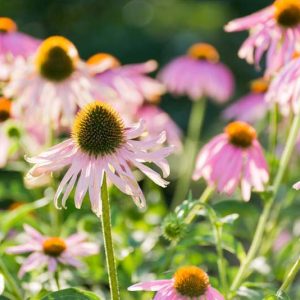
Echinacea (Coneflower)
Sedum (Stonecrop)
Rudbeckia fulgida (Black-Eyed Susan)

Find In One of Our Guides or Gardens

Best Full Sun Shrubs for Zone 8: Heat-Loving Shrubs That Thrive in Sunshine
Top Full Sun Shrubs for Zone 6: Hardy Sun-Loving Shrubs That Thrive
Top Full Sun Shrubs for Zone 7: Heat-Loving, Low-Maintenance Picks
50 Best Fall Flowers to Color Your Autumn Garden
Fall-Blooming Shrubs and Small Trees for Big Color
Stunning Blue Flowers to Enhance Your Garden’s Beauty
Add a Splash of Color: Perfect Flowering Shrubs for Small Gardens
35 Flowering Shrubs That Blaze in Full Sun
Caryopteris (Bluebeards)
While every effort has been made to describe these plants accurately, please keep in mind that height, bloom time, and color may differ in various climates. The description of these plants has been written based on numerous outside resources.
Buy Plants

Requirements

Hardiness 6 - 9
Heat Zones 1 - 9
Climate Zones 2, 2B, 3, 3A, 3B, 4, 5, 6, 7, 8, 9, 14, 15, 16, 17, 18, 19, 20, 21, 22, 23, 24
Plant Type Shrubs
Plant Family Lamiaceae
Genus Caryopteris
Common names Blue Beard, Bluebird
Exposure Full Sun
Season of Interest Summer (Late), Fall
Height 2' - 3' (60cm - 90cm)
Spread 2' - 3' (60cm - 90cm)
Spacing 36" - 48" (90cm - 120cm)
Maintenance Low
Water Needs Average
Soil Type Chalk, Loam, Sand
Soil pH Acid, Alkaline, Neutral
Soil Drainage Well-Drained
Characteristics Fragrant, Showy
Tolerance Drought, Deer, Rabbit
Attracts Bees, Butterflies, Hummingbirds
Garden Uses Beds And Borders, Ground Covers, Hedges And Screens, Wall-Side Borders
Garden Styles City and Courtyard, Coastal Garden, Gravel and Rock Garden, Informal and Cottage, Mediterranean Garden
How Many Plants
Do I Need?
Not sure which Caryopteris (Bluebeard) to pick?
Compare Now

Gardening Ideas

Plant Calculator

How many Caryopteris x clandonensis ‘Emerald Crest’ (Bluebeard) do I need for my garden?

Input your garden space dimensions

Your Shopping List

Plant Quantity
Caryopteris x clandonensis ‘Emerald Crest’ (Bluebeard) N/A Buy Plants

Please Login to Proceed

You Have Reached The Free Limit, Please Subscribe to Proceed

Subscribe to Gardenia

To create additional collections, you must be a paid member of Gardenia
  • Add as many plants as you wish
  • Create and save up to 25 garden collections
Become a Member

Plant Added Successfully

Your garden is taking shape. Unlock full planning.

You’ve reached the free limit. Upgrade for $25/year to add as many plants as you wish and save up to 25 garden collections. Unlock Annual Membership

Update Your Credit
Card Information

Cancel

Create a New Collection

Sign Up to Our Newsletter

    You have been subscribed successfully

    Join Gardenia.net

    Create a membership account to save your garden designs and to view them on any device.

    Becoming a contributing member of Gardenia is easy and can be done in just a few minutes. If you provide us with your name, email address and the payment of a modest $25 annual membership fee, you will become a full member, enabling you to design and save up to 25 of your garden design ideas.

    Join now and start creating your dream garden!

    Join Gardenia.net

    Create a membership account to save your garden designs and to view them on any device.

    Becoming a contributing member of Gardenia is easy and can be done in just a few minutes. If you provide us with your name, email address and the payment of a modest $25 annual membership fee, you will become a full member, enabling you to design and save up to 25 of your garden design ideas.

    Join now and start creating your dream garden!
    Find your Hardiness Zone

    Find your Heat Zone

    Find your Climate Zone