Globemaster allium, Giant allium, Ornamental onion, Flowering onion

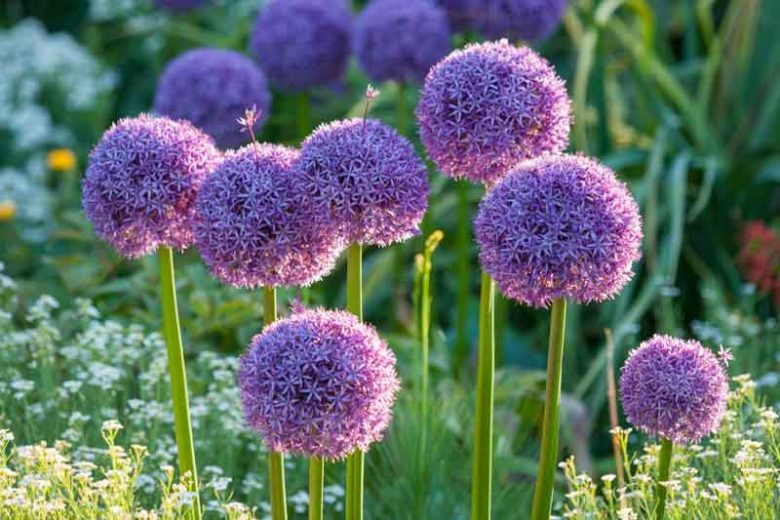
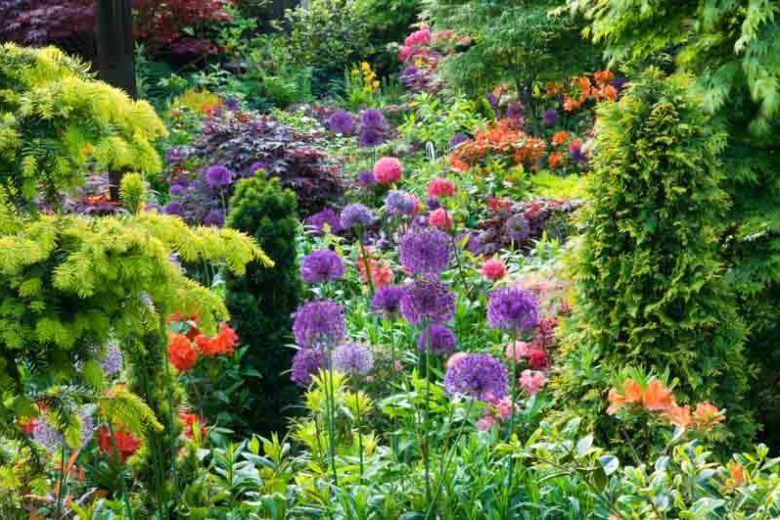
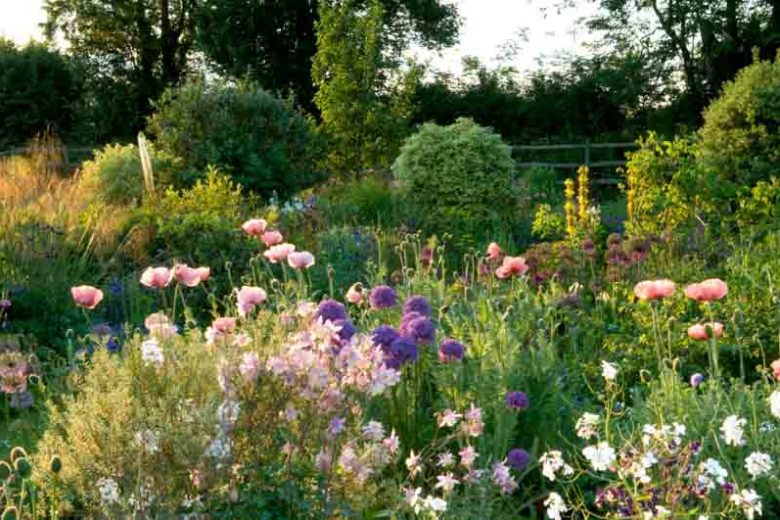
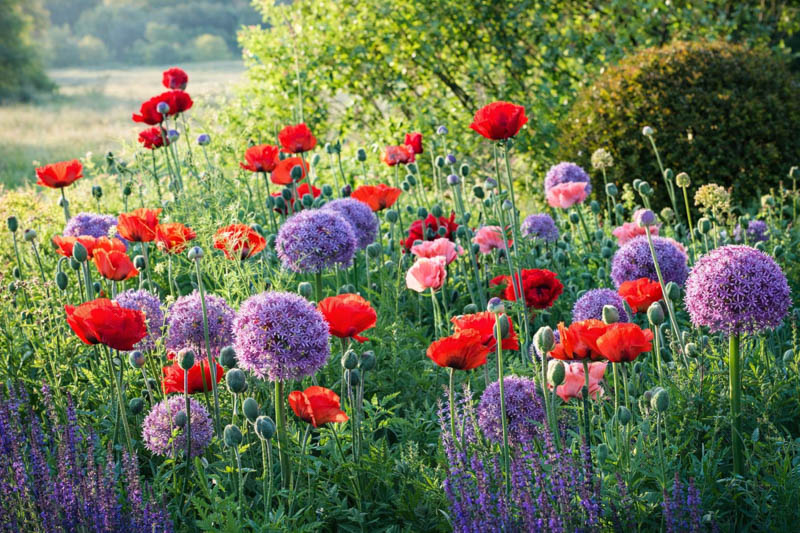
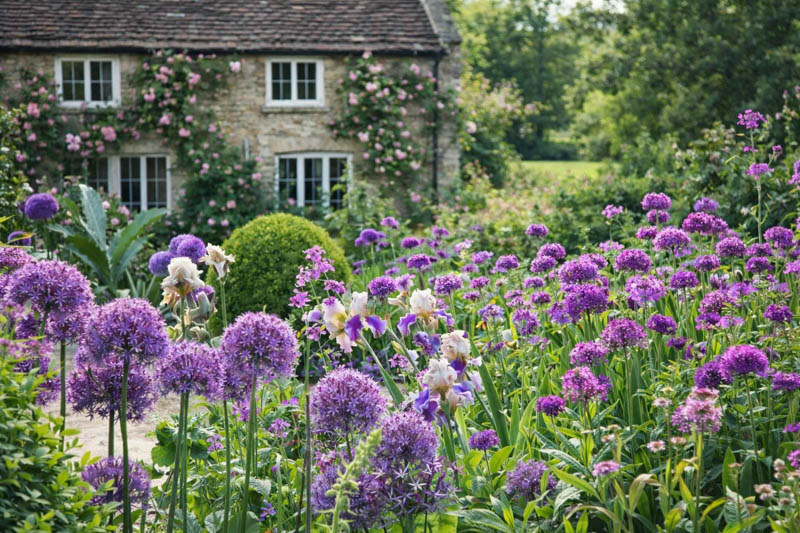
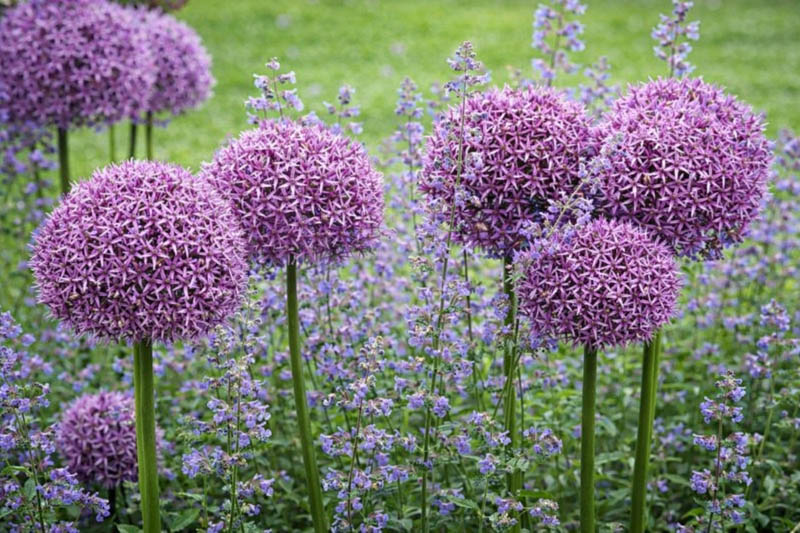


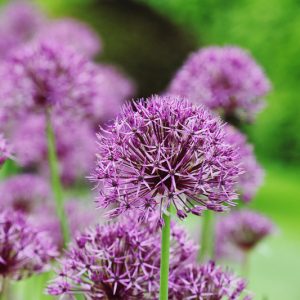
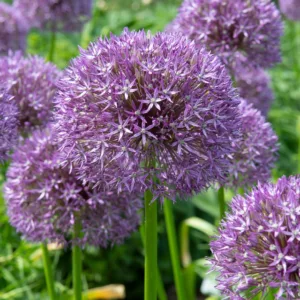
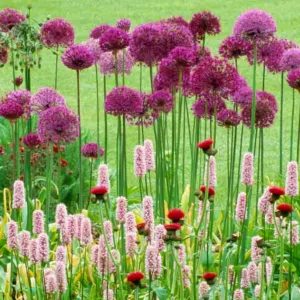
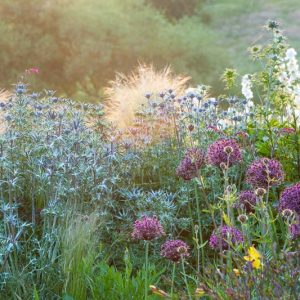
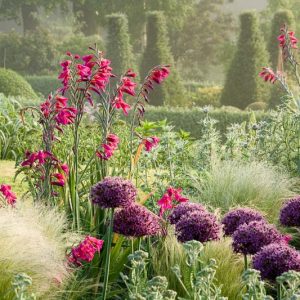
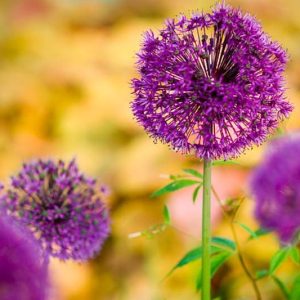
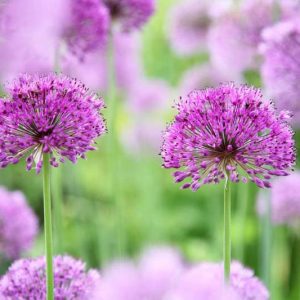
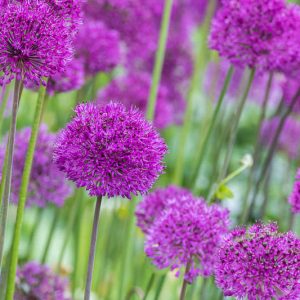
Allium ‘Globemaster’ is the ornamental onion you plant when you want a border moment – the kind that makes neighbors lean over the fence and ask for the name. In late spring to early summer, it sends up sturdy stems topped with massive, globe-shaped flowerheads up to 10 in. wide (25 cm), made of dozens of small, star-shaped violet florets. One bloom looks like a floating purple planet. A drift of them looks like garden fireworks frozen in mid-air.
This bulb is also refreshingly practical. Give it full sun and well-drained soil, and it settles in to return year after year, often naturalizing nicely. Once established, it is reliably drought tolerant, and its nectar-rich florets are a busy landing pad for bees and butterflies. Bonus – deer typically ignore it.
Summary: Award-winning ornamental bulb with huge violet globe flowers (often up to 10 in.) on tall stems in late spring to early summer.
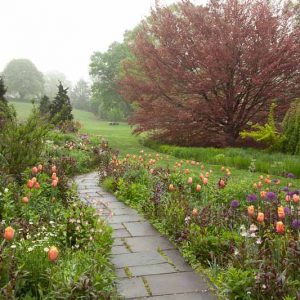
Use: Ideal for borders, cottage gardens, formal plantings, naturalistic drifts, pollinator gardens, and cut flower beds.
Highlight: Oversized blooms, strong architecture, and decorative seedheads that stay attractive for weeks.
Note: Best in full sun and dry to medium moisture, well-drained soil. Drought tolerant once established.
| Botanical Name | Allium ‘Globemaster’ |
|---|---|
| Family | Amaryllis family (Amaryllidaceae) |
| Common Names | Ornamental onion, ornamental allium, ornamental garlic |
| Native Information |
Native context: ‘Globemaster’ is a garden hybrid grown for ornamental performance rather than a wild-collected species. What that means in the garden: You get consistent flower size, sturdy stems, and reliable bloom timing when grown in the right conditions. |
| Plant Type and Habit | Bulbous perennial with upright stems and giant globe-shaped flower clusters |
| Hardiness (approx. USDA) | Often grown in USDA Zones 5-9 (best performance where winter drainage is good) |
| Height | 28-36 in. (70-90 cm) |
| Spread | 12-24 in. (30-60 cm), forming clumps over time |
| Spacing | 8 in. (20 cm) between bulbs for a full, high-impact display |
| Sun and Exposure | Best in full sun for sturdy stems and maximum flower size |
| Soil | Rich, sandy to gritty, dry to medium moisture, well-drained soils. Avoid winter-wet sites. |
| Seasonal Interest | Late spring to early summer |
| Flower Color | Violet to violet-purple |
| Foliage Color | Gray-green to blue-green basal foliage |
| Drought Tolerant | Yes (once established) |
| Nectar – Pollen | Yes |
| Attracts | Bees, butterflies, moths, and other pollinators |
| Deer – Rabbit | Typically deer resistant; often also avoided by rabbits |
| Toxicity | Like many alliums, it can be toxic to dogs and cats if chewed, potentially causing anemia. Plant where pets will not nibble. |
| Invasive Status | Not considered invasive; clumps slowly expand and may self-seed lightly in ideal conditions |
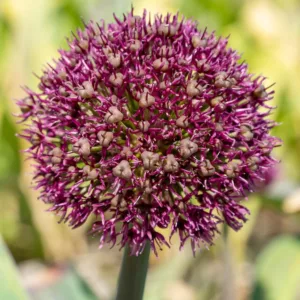
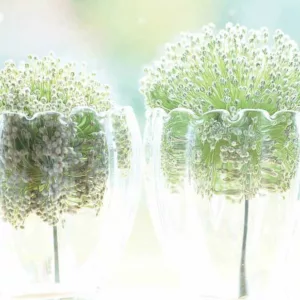
Boasting some of the largest flowerheads in the allium world, multiple award-winner Allium ‘Globemaster’ is a striking ornamental onion with huge inflorescences packed with dozens of small star-shaped violet flowers forming a 10-inch wide (25 cm) globe-shaped cluster. Blooming in late spring to early summer, this bulbous perennial holds its color and shape for a long time, then transitions into ornamental seed heads that can persist for weeks after bloom.
‘Globemaster’ is is a hybrid between Allium christophii and Allium macleanii, selected for oversized flowerheads and reliable performance.
‘Globemaster’ is a bulbous perennial. It starts as a fall-planted bulb, makes a spring clump of basal foliage, then sends up thick flowering stems that typically reach 28-36 inches (70-90 cm). In good conditions, it naturalizes gradually by forming offsets, building a stronger presence over time without becoming a nuisance.
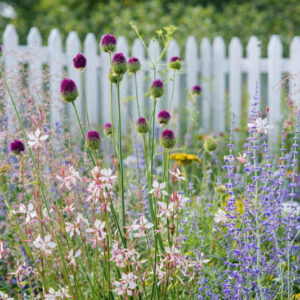
The flowers are the headline: dense, globe-shaped clusters made of many starry florets. Bloom timing is typically late spring into early summer, right when many spring bulbs are finishing and summer perennials are just waking up. That timing is a big deal – it gives you a showy bridge between seasons, and the rounded shape contrasts beautifully with spires, daisies, and airy umbels.
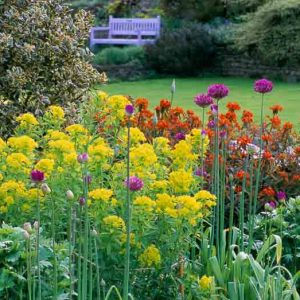
The basal foliage is gray-green to blue-green and can start to yellow as bloom peaks. That is normal bulb behavior: the plant is redirecting energy back into the bulb. The easiest fix is a design one – tuck alliums among perennials that leaf out later so fading foliage is disguised while the globes still float above the crowd.
Allium ‘Globemaster’ is a recipient of the prestigious Award of Garden Merit by the Royal Horticultural Society. In plain terms, it is widely recognized as a strong garden performer when planted in suitable conditions.
Gardeners often grow ‘Globemaster’ successfully across a broad range of climates where bulbs can chill in winter and the soil is not chronically waterlogged. If you remember one rule, make it this: good drainage through winter is more important than babying it with extra watering or fertilizer.
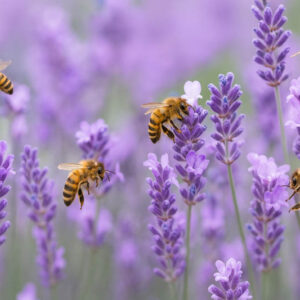
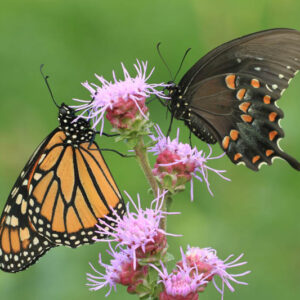
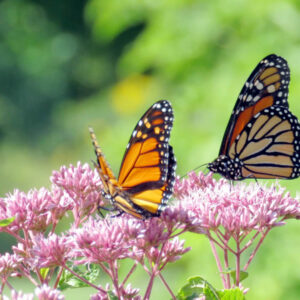
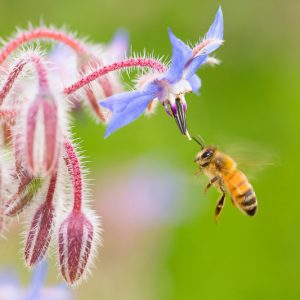
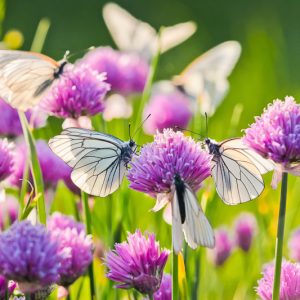
Each globe is made of many tiny florets, which means many easy nectar stops for beneficial insects. ‘Globemaster’ is known for attracting bees, butterflies, moths, and other pollinators. If you are building a pollinator border, this allium is a high-value “bridge plant” because it blooms between spring and summer, when gaps can occur.
Alliums are famous for being unappetizing to browsers – the onion scent is the hint. In most gardens, deer simply ignore ‘Globemaster’, and rabbits often do too. If you garden with heavy pressure, reinforce the message by combining it with other plants commonly considered deer resistant or rabbit-tolerant.
Once established, ‘Globemaster’ is comfortably drought tolerant. Translation: it prefers a spring drink while growing, then it is happiest drying down after bloom as the bulb recharges for next year. The fastest way to lose bulbs is to plant them in a spot that stays wet through winter.
Like other ornamental alliums, it can be toxic to dogs and cats if chewed, potentially causing red blood cell damage and anemia; plant where pets will not nibble.
‘Globemaster’ is not considered invasive. It may naturalize by forming offsets and can self-seed lightly, but it is generally easy to manage. If seedlings appear in the wrong place, lift them while young.
You do not need heavy feeding. A light top-dressing of compost in spring, or a balanced bulb fertilizer, is usually plenty. Over-fertilizing can lead to softer growth and can make surrounding perennials flop into the alliums.
‘Globemaster’ is generally a low-drama bulb. Occasionally, you may see aphids on nearby plants, or thrips causing silvery streaking or distortion. In damp gardens, slugs and snails may chew foliage. Healthy bulbs in well-drained soil are far less likely to struggle.
Allium ‘Globemaster’ is a show-stopping ornamental onion grown from a bulb, valued for its giant, globe-shaped violet flowerheads that bloom in late spring to early summer.
It typically blooms in late spring to early summer, bridging the gap between spring bulbs and early-summer perennials.
Plants usually reach about 28-36 inches (70-90 cm) tall, with large globe flowers held above the basal foliage.
Yes. It is a hardy perennial bulb that can return for years and often naturalizes by forming offsets when grown in well-drained soil.
Plant it in full sun and well-drained soil. Poor drainage, especially in winter, is the most common cause of bulb failure.
In most gardens, yes. Deer and rabbits usually avoid ornamental alliums because the foliage has an onion scent.
Updated: January 2026 – Reviewed by Gardenia Editors
| Hardiness |
5 - 9 |
|---|---|
| Heat Zones |
1 - 8 |
| Climate Zones | 2, 3, 4, 5, 6, 7, 8, 9, 10, 11, 12, 13, 14, 15, 16, 17, 18, 19, 20, 21, 22, 24 |
| Plant Type | Bulbs |
| Plant Family | Amaryllidaceae |
| Genus | Allium |
| Common names | Onion, Ornamental Onion |
| Exposure | Full Sun |
| Season of Interest | Spring (Late), Summer (Early) |
| Height | 2' - 3' (60cm - 90cm) |
| Spread | 1' - 2' (30cm - 60cm) |
| Spacing | 8" (20cm) |
| Depth | 8" (20cm) |
| Maintenance | Low |
| Water Needs | Average |
| Soil Type | Chalk, Clay, Loam, Sand |
| Soil pH | Acid, Alkaline, Neutral |
| Soil Drainage | Moist but Well-Drained, Well-Drained |
| Characteristics | Dried Arrangements, Cut Flowers, Fragrant, Plant of Merit, Showy |
| Tolerances | Drought, Deer, Rabbit, Heat, Fire |
| Attracts | Bees, Butterflies |
| Garden Uses | Beds And Borders |
| Garden Styles | City and Courtyard, Coastal Garden, Gravel and Rock Garden, Informal and Cottage |
| Toxic to Humans | Low severity |
| Toxic to Cats | Toxic |
| Toxic to Dogs | Toxic |
| Toxic to Horses | No known toxicity |


| Hardiness |
5 - 9 |
|---|---|
| Heat Zones |
1 - 8 |
| Climate Zones | 2, 3, 4, 5, 6, 7, 8, 9, 10, 11, 12, 13, 14, 15, 16, 17, 18, 19, 20, 21, 22, 24 |
| Plant Type | Bulbs |
| Plant Family | Amaryllidaceae |
| Genus | Allium |
| Common names | Onion, Ornamental Onion |
| Exposure | Full Sun |
| Season of Interest | Spring (Late), Summer (Early) |
| Height | 2' - 3' (60cm - 90cm) |
| Spread | 1' - 2' (30cm - 60cm) |
| Spacing | 8" (20cm) |
| Depth | 8" (20cm) |
| Maintenance | Low |
| Water Needs | Average |
| Soil Type | Chalk, Clay, Loam, Sand |
| Soil pH | Acid, Alkaline, Neutral |
| Soil Drainage | Moist but Well-Drained, Well-Drained |
| Characteristics | Dried Arrangements, Cut Flowers, Fragrant, Plant of Merit, Showy |
| Tolerances | Drought, Deer, Rabbit, Heat, Fire |
| Attracts | Bees, Butterflies |
| Garden Uses | Beds And Borders |
| Garden Styles | City and Courtyard, Coastal Garden, Gravel and Rock Garden, Informal and Cottage |
| Toxic to Humans | Low severity |
| Toxic to Cats | Toxic |
| Toxic to Dogs | Toxic |
| Toxic to Horses | No known toxicity |
How many Allium ‘Globemaster’ (Ornamental Onion) do I need for my garden?
| Plant | Quantity | |
|---|---|---|
| Allium ‘Globemaster’ (Ornamental Onion) | N/A | Buy Plants |
Create a membership account to save your garden designs and to view them on any device.
Becoming a contributing member of Gardenia is easy and can be done in just a few minutes. If you provide us with your name, email address and the payment of a modest $25 annual membership fee, you will become a full member, enabling you to design and save up to 25 of your garden design ideas.
Join now and start creating your dream garden!
Create a membership account to save your garden designs and to view them on any device.
Becoming a contributing member of Gardenia is easy and can be done in just a few minutes. If you provide us with your name, email address and the payment of a modest $25 annual membership fee, you will become a full member, enabling you to design and save up to 25 of your garden design ideas.
Join now and start creating your dream garden!