Royalty Mullein
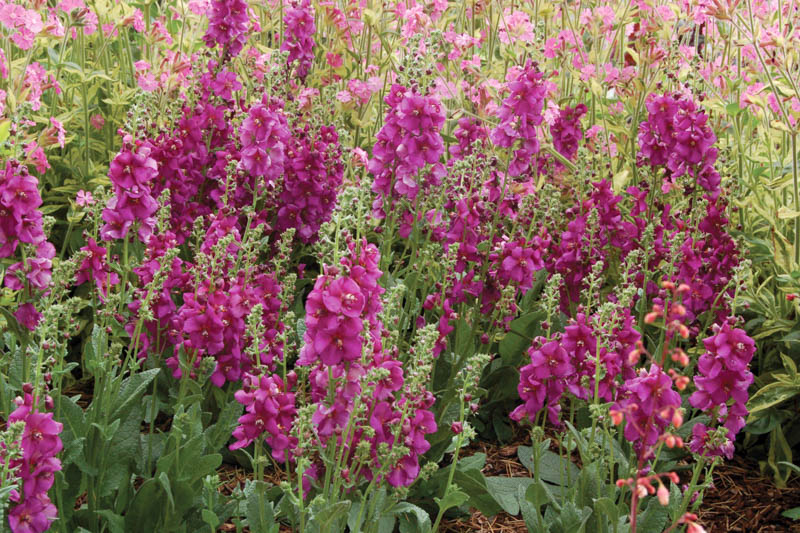
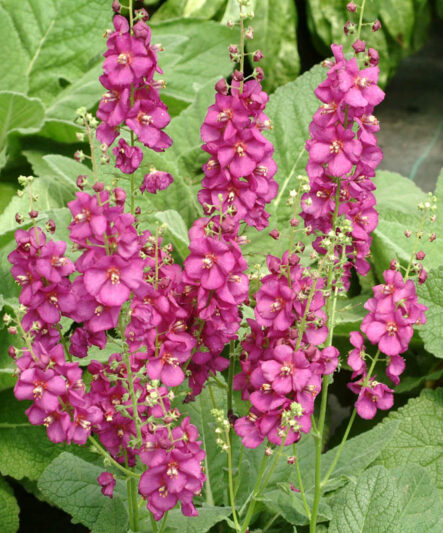


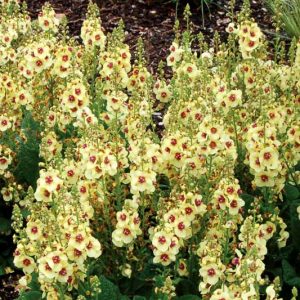
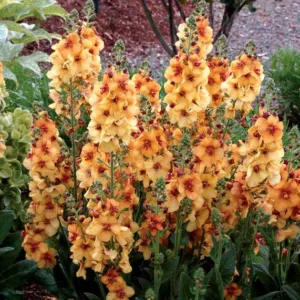
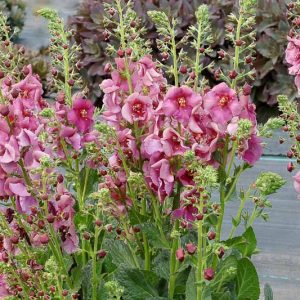
Imagine walking through your garden on a sunrise morning, dew still fresh on the foliage. Suddenly, you’re drawn to the stately spires of Verbascum ‘Royalty’, standing tall and proud above lush green leaves—each spike packed with rich, deep violet-purple flowers that seem to glow as the light strikes them. Their poise, unexpected color, and ease of care make this verbascum an absolute treasure for gardeners who crave drama, pollinators, and persistent, bold blooms.
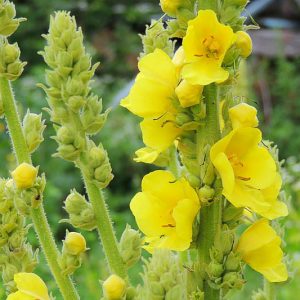
Known by the common name mullein, Verbascum is a diverse genus of perennials and biennials native to Europe, Asia, and North Africa, celebrated for their spectacular flower spikes and adaptability. ‘Royalty’ is a stand-out hybrid famed for its striking, velvety purple blooms set against downy, silver-green foliage. Unlike classic yellow mulleins, ‘Royalty’ offers a contemporary garden palette that suits both cottage borders and modern, architectural plantings.
Verbascum has long been cherished in gardens, folklore, and herbal medicine. Traditionally, mulleins were valued for their woolly leaves, which were sometimes used as lamp wicks, and for their healing reputations. Today, breeders have reimagined this rugged beauty: ‘Royalty’ stands as a symbol of refinement and contemporary charm, blending the toughness of its ancestors with plush, show-stopping color for today’s designer beds and naturalized borders.
Absolutely, though hybrid cultivars like ‘Royalty’ may not come true to type from collected seed. For precise flower color and compact size, use nursery plants or divisions.
| Season | Task |
|---|---|
| Spring | Plant, divide, or move clumps; prune browned leaves; begin watering as new growth appears. |
| Summer | Watch for blooms, deadhead spent spikes, water during dry spells, remove faded basal leaves. |
| Autumn | Cut back finished flower stems; let basal foliage remain as a winter base; mulch if winters are severe. |
| Winter | Leave crowns dry; remove any slimy or decaying leaves to prevent rot. |
Think of ‘Royalty’ as your tall, elegant anchor—perfect for adding vertical drama or color contrast to many styles:
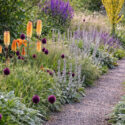
Their upright form and bold color make them fantastic for the middle or back of smaller borders, while clusters can line pathways with vibrant, architectural movement.
Divide established clumps every 2–3 years in early spring before new growth. Each division should have several buds and roots—replant immediately for best results.
No— Unlike some wild mulleins, ‘Royalty’ is less likely to self-seed aggressively, especially if deadheaded. Enjoy tidy clumps and easy care.
Definitely! Use a deep, gritty mix and ensure full sun—container plants make striking features for patios and terraces.
While historic, herbal usage is abundant, most modern gardeners enjoy ‘Royalty’ for ornamental value. Always research or consult a professional before using any plant medicinally.
Ready for an easy, head-turning perennial? Plant ‘Royalty’ in sunny, drought-prone parts of your garden for months of velvety color and pollinator excitement. Backed by bold foliage and a tough spirit, this verbascum brings contemporary flair, wildlife, and lasting satisfaction to beds big and small. Treat yourself—and your local bees and butterflies—to a truly regal garden touch!
| Hardiness |
5 - 9 |
|---|---|
| Heat Zones |
5 - 9 |
| Climate Zones | 2, 2A, 2B, 3, 3A, 3B, 4, 5, 6, 7, 8, 9, 10, 11, 14, 15, 16, 17, 18, 19, 20, 21, 22, 23, 24 |
| Plant Type | Perennials |
| Plant Family | Scrophulariaceae |
| Genus | Verbascum |
| Common names | Mullein |
| Exposure | Full Sun |
| Season of Interest | Summer (Early, Mid, Late) |
| Height | 8" - 1' (20cm - 30cm) |
| Spread | 10" (25cm) |
| Spacing | 12" - 18" (30cm - 50cm) |
| Maintenance | Low |
| Water Needs | Low |
| Soil Type | Loam, Sand |
| Soil pH | Alkaline, Neutral |
| Soil Drainage | Well-Drained |
| Characteristics | Cut Flowers, Showy, Semi-Evergreen |
| Tolerances | Drought, Deer, Dry Soil, Rocky Soil, Rabbit, Heat, Poor Soil |
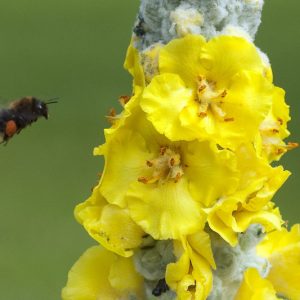
| Attracts | Bees, Butterflies |
| Garden Uses | Beds And Borders |
| Garden Styles | Gravel and Rock Garden, Informal and Cottage, Prairie and Meadow |
| Toxic to Humans | No known toxicity |
| Toxic to Cats | No known toxicity |
| Toxic to Dogs | No known toxicity |
| Toxic to Horses | No known toxicity |


| Hardiness |
5 - 9 |
|---|---|
| Heat Zones |
5 - 9 |
| Climate Zones | 2, 2A, 2B, 3, 3A, 3B, 4, 5, 6, 7, 8, 9, 10, 11, 14, 15, 16, 17, 18, 19, 20, 21, 22, 23, 24 |
| Plant Type | Perennials |
| Plant Family | Scrophulariaceae |
| Genus | Verbascum |
| Common names | Mullein |
| Exposure | Full Sun |
| Season of Interest | Summer (Early, Mid, Late) |
| Height | 8" - 1' (20cm - 30cm) |
| Spread | 10" (25cm) |
| Spacing | 12" - 18" (30cm - 50cm) |
| Maintenance | Low |
| Water Needs | Low |
| Soil Type | Loam, Sand |
| Soil pH | Alkaline, Neutral |
| Soil Drainage | Well-Drained |
| Characteristics | Cut Flowers, Showy, Semi-Evergreen |
| Tolerances | Drought, Deer, Dry Soil, Rocky Soil, Rabbit, Heat, Poor Soil |
| Attracts | Bees, Butterflies |
| Garden Uses | Beds And Borders |
| Garden Styles | Gravel and Rock Garden, Informal and Cottage, Prairie and Meadow |
| Toxic to Humans | No known toxicity |
| Toxic to Cats | No known toxicity |
| Toxic to Dogs | No known toxicity |
| Toxic to Horses | No known toxicity |
How many Verbascum ‘Royalty’ (Mullein) do I need for my garden?
| Plant | Quantity | |
|---|---|---|
| Verbascum ‘Royalty’ (Mullein) | N/A | Buy Plants |
Create a membership account to save your garden designs and to view them on any device.
Becoming a contributing member of Gardenia is easy and can be done in just a few minutes. If you provide us with your name, email address and the payment of a modest $25 annual membership fee, you will become a full member, enabling you to design and save up to 25 of your garden design ideas.
Join now and start creating your dream garden!
Create a membership account to save your garden designs and to view them on any device.
Becoming a contributing member of Gardenia is easy and can be done in just a few minutes. If you provide us with your name, email address and the payment of a modest $25 annual membership fee, you will become a full member, enabling you to design and save up to 25 of your garden design ideas.
Join now and start creating your dream garden!