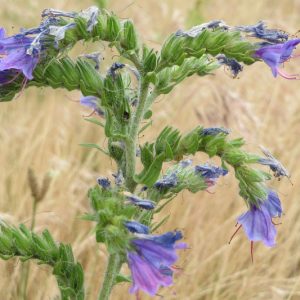
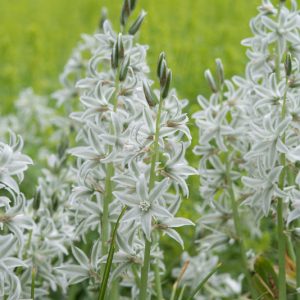
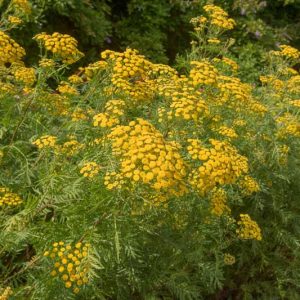
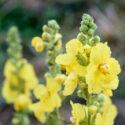
Great mullein (Verbascum thapsus) is listed as invasive across much of North America. It thrives in disturbed areas, produces thousands of seeds, outcompetes native plants, and can persist for decades—making it tough to control and a threat to local wildflowers and habitat health
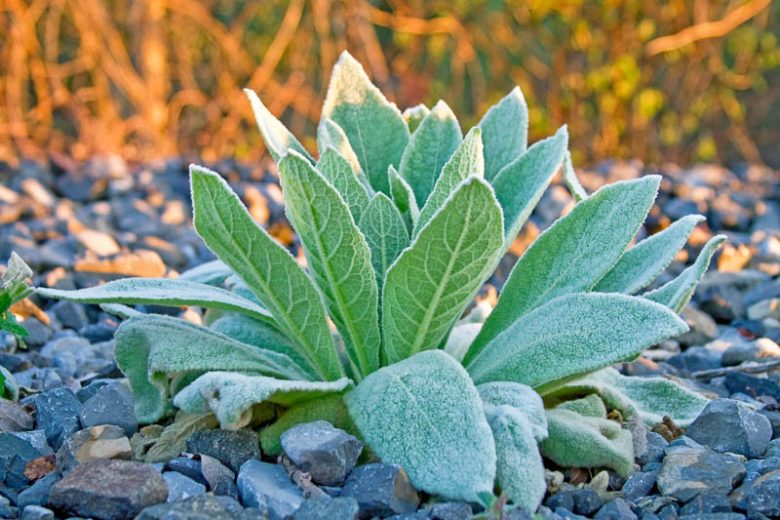


Great mullein (Verbascum thapsus) is more than just a fuzzy-leaved wildflower—it’s an opportunist that has made itself at home across much of North America. Native to Europe, northern Africa, and Asia, it was introduced to the U.S. in the 18th century and now pops up in fields, roadsides, pastures, and freshly disturbed ground. It is listed in the Invasive Plant Atlas of the United States.
What makes this plant so formidable? Great mullein thrives in poor, dry soils where others struggle. Each flowering spike produces hundreds of thousands of seeds that can wait dormant for years, then sprout when the ground is disturbed. With this tenacity, it rapidly colonizes after fire, tilling, or construction—competing with native grasses and wildflowers for sunlight, space, and nutrients. While it doesn’t always form dense monocultures, in disturbed open sites it can slow native seedling recovery and shift plant composition if left unchecked.
Its impact reaches further near working landscapes: great mullein can host the mullein bug (Campylomma verbasci), an orchard pest in some regions. Its flowers are visited by generalist pollinators, but native forbs typically provide richer habitat, so limiting spread in natural areas remains the goal.
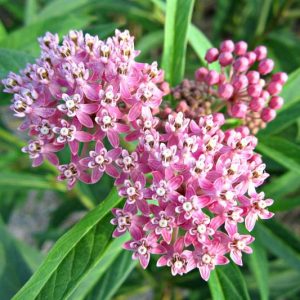
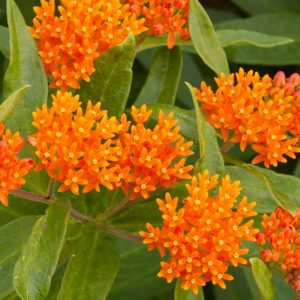
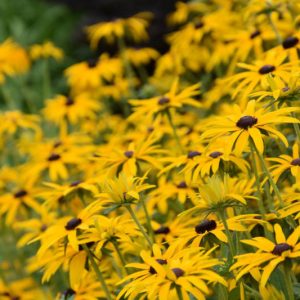
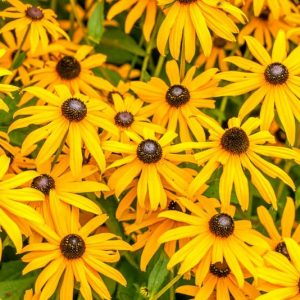
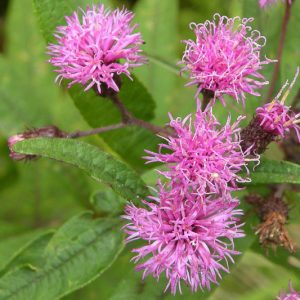
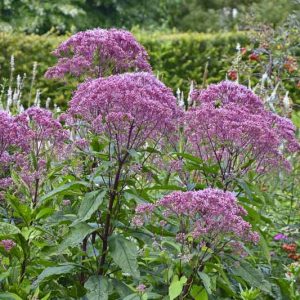
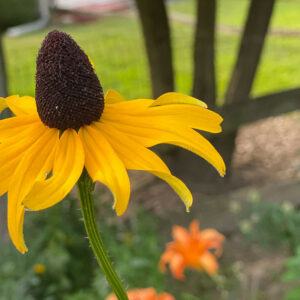
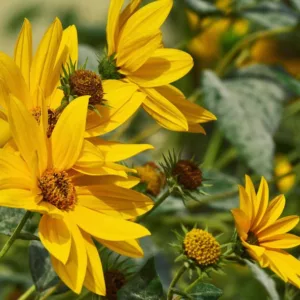
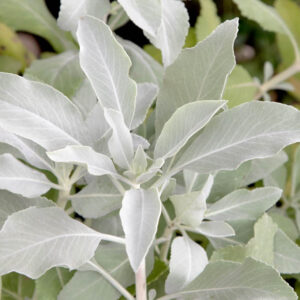
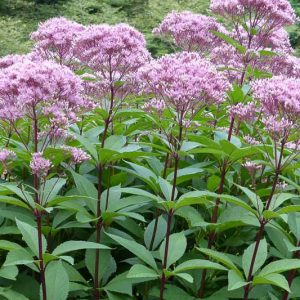
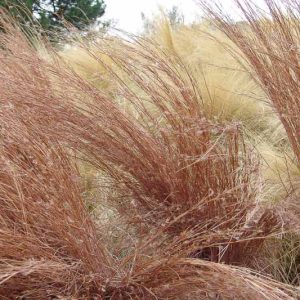
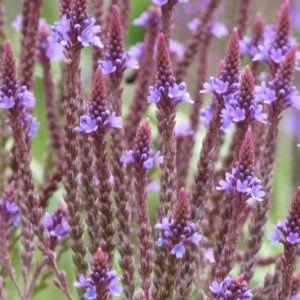
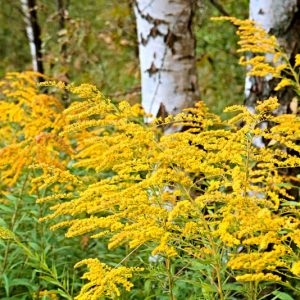
Swap mullein for drought-tough natives that feed pollinators and knit soils: Echinacea purpurea, Solidago spp., Asclepias tuberosa, Verbena hastata, or grasses like Schizachyrium scoparium. You’ll get nectar, seed, and structure—without the reseeding risk.
Explore native plant alternatives here for a garden that’s beautiful, low-maintenance, and friendly to birds and bees. Every patch of native habitat helps preserve your region’s wild character for the next generation.
| Hardiness |
3 - 9 |
|---|---|
| Plant Type | Annuals |
| Genus | Verbascum |
| Exposure | Full Sun |
| Season of Interest | Summer (Early, Mid, Late), Fall |
| Native Plants | United States |
| Toxic to Humans | No known toxicity |
| Toxic to Cats | No known toxicity |
| Toxic to Dogs | No known toxicity |
| Toxic to Horses | No known toxicity |
Shutterstock
| Hardiness |
3 - 9 |
|---|---|
| Plant Type | Annuals |
| Genus | Verbascum |
| Exposure | Full Sun |
| Season of Interest | Summer (Early, Mid, Late), Fall |
| Native Plants | United States |
| Toxic to Humans | No known toxicity |
| Toxic to Cats | No known toxicity |
| Toxic to Dogs | No known toxicity |
| Toxic to Horses | No known toxicity |
Create a membership account to save your garden designs and to view them on any device.
Becoming a contributing member of Gardenia is easy and can be done in just a few minutes. If you provide us with your name, email address and the payment of a modest $25 annual membership fee, you will become a full member, enabling you to design and save up to 25 of your garden design ideas.
Join now and start creating your dream garden!
Create a membership account to save your garden designs and to view them on any device.
Becoming a contributing member of Gardenia is easy and can be done in just a few minutes. If you provide us with your name, email address and the payment of a modest $25 annual membership fee, you will become a full member, enabling you to design and save up to 25 of your garden design ideas.
Join now and start creating your dream garden!