Little Lemon Goldenrod, Goldenrod Little Lemon, Solidago 'Dansolitlem'
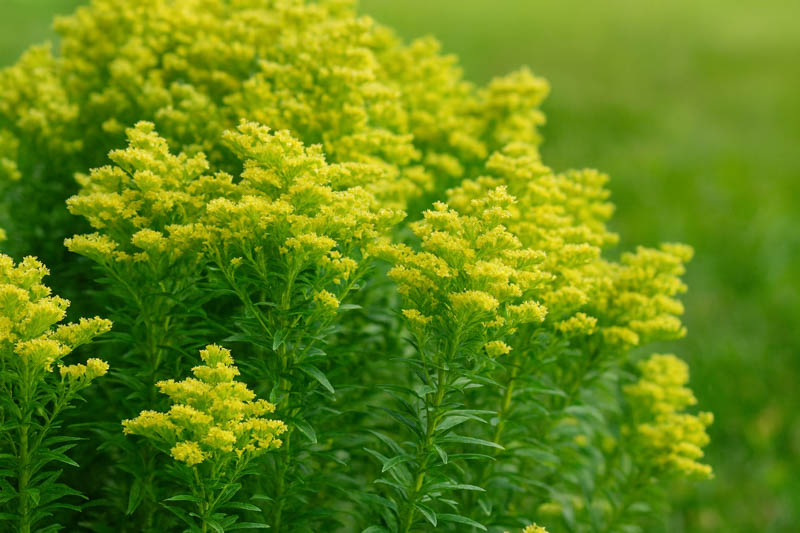
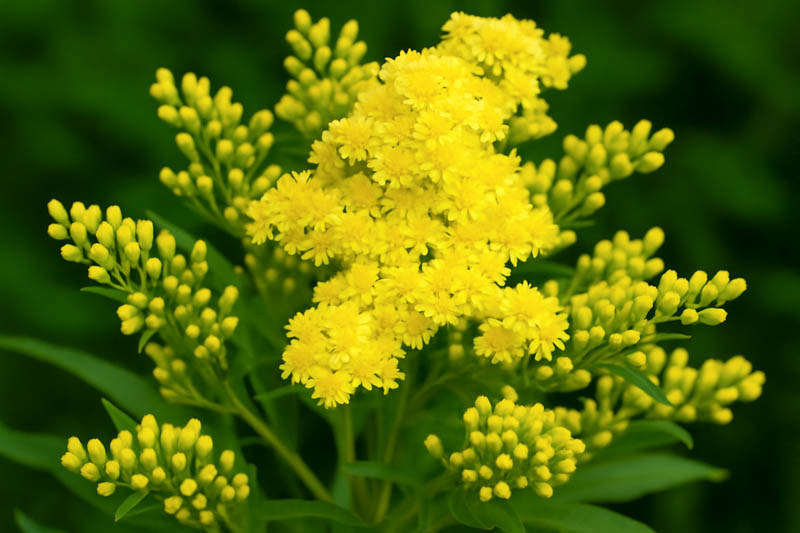


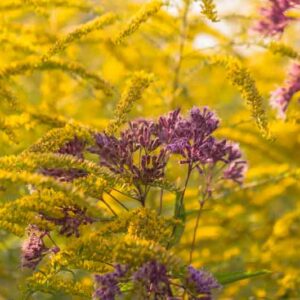
Imagine a border or container glowing with sprays of miniature, lemon-yellow flowers—tiny, fluffy clusters so vibrant they light up any garden nook. Butterflies float in, bees cluster for pollen, and you find yourself smiling every time its golden haze twinkles in the sunlight. Solidago × ‘Dansolitlem’ LITTLE LEMON is not your grandmother’s tall, rangy goldenrod: this compact marvel packs powerful color, rugged toughness, and pollinator energy into pint-sized plants, keeping your garden bright and lively from midsummer well into autumn.
Discovered and selected by Gabriel Danziger (Danziger “Dan” Flower Farm, Israel) and introduced widely in Europe, LITTLE LEMON (cultivar code ‘Dansolitlem’, US PP17,297) was bred for an ultra-compact habit, clean foliage, and an exceptionally long bloom season. The result is all the late-season pollinator value of goldenrod in a tidy, small-space package that performs in borders and containers alike.
| Botanical Name | Solidago × ‘Dansolitlem’ LITTLE LEMON (PP17,297) |
| Cultivar / Trade Name | LITTLE LEMON |
| Common Name | Goldenrod |
| Plant Type | Herbaceous perennial (clump-forming) |
| Hardiness Zones | USDA 5–8 (often listed as 4–9 with excellent drainage and sun) |
| Height & Spread | 12–18 in. tall × 12–24 in. wide (30–45 × 30–60 cm) |
| Bloom Time | Mid- to late summer into early fall (about 8–12 weeks with deadheading) |
| Flower Color | Bright lemon yellow, dense, fluffy clusters |
| Wildlife | Attracts bees, butterflies & beneficials; deer-resistant; rabbits may browse |
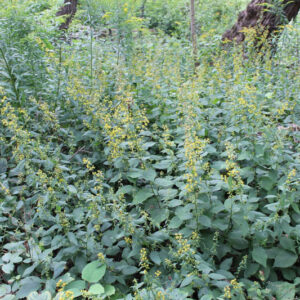
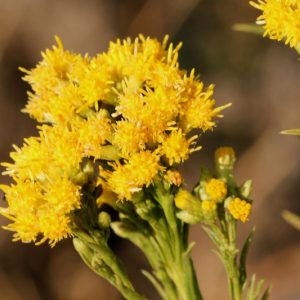
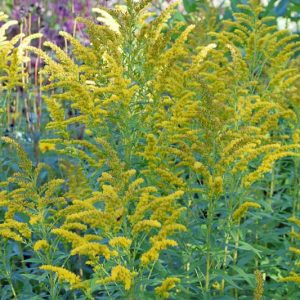
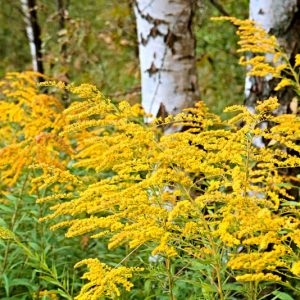
LITTLE LEMON forms compact, rounded clumps with upright stems and clean, lance-shaped green leaves. From midsummer, each stem carries a dome of tightly packed, lemon-yellow florets that read as soft “puffs” of light—neat and luminous rather than loose or weedy. The small stature and tidy branching make it a superstar for front-of-border ribbons, containers, and mass plantings.
This cultivar descends from hardy Solidago species native to Europe and North America. That wild lineage gives LITTLE LEMON its resilience in sunny meadows, prairies, and open borders—where drought, heat, and poor soils don’t slow it down once established.
Expect a compact mound around 12–18 in. tall and 12–24 in. across at maturity—perfect for small gardens, patios, and massed border edges.
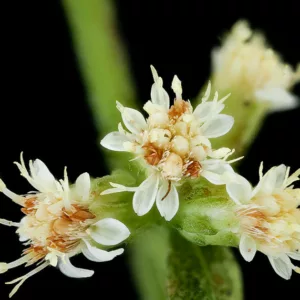
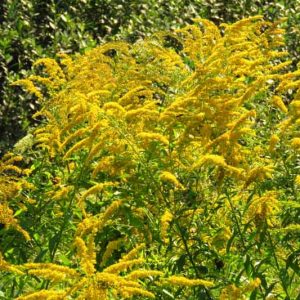
Cheerful corymbs of tiny, lemon-yellow daisies cover plants from mid- to late summer and keep coming into fall with prompt deadheading. The clusters are dense and fluffy, always photo-ready and consistently attractive to pollinators.
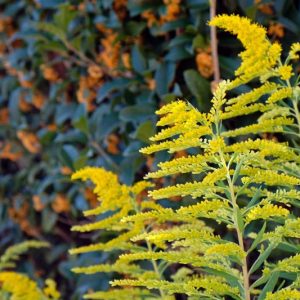
Finely textured, deep-green leaves stay fresh and clean through the season, framing the glowing flower heads above.
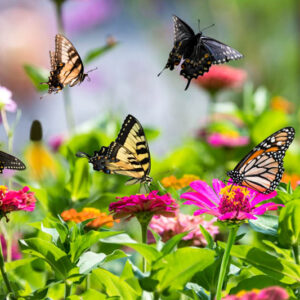
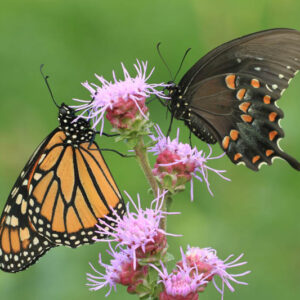
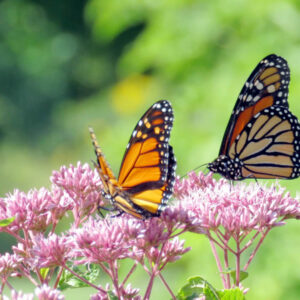
The nectar- and pollen-rich blooms are a magnet for bees, butterflies, and other beneficial insects—right when many gardens are running low on forage.
Foliage is generally deer- resistant. Rabbits may nibble new growth in some regions—use collars, cloches, or a low barrier if pressure is high.
After establishment, LITTLE LEMON tolerates typical summer dry spells. In containers, water more regularly for continuous bloom.
No known toxicity—family- and pet-friendly.
Well-behaved and clump-forming. LITTLE LEMON does not run or take over beds.
Full sun (6+ hours) for the strongest flowering and tight habit; very light afternoon shade is acceptable in hot climates.
Average, well-drained soils are ideal. Amend heavy clay with compost or grit to improve drainage.
Water regularly the first season. Once rooted in, water during extended droughts; containers dry faster and need more frequent attention.
A spring top-dressing of compost is often enough. Over-fertilizing can cause soft growth and fewer blooms.
Deadhead to extend bloom (often 8–12 weeks total). Cut stems back in late fall or early spring; fresh growth returns quickly.
Thrives in containers with a free-draining mix. Repot in spring if plants outgrow their home.
In ground, no special protection is needed within the hardiness range. In cold climates, group pots or add mulch around containers for root protection.
About 12–18 inches tall and 12–24 inches wide—compact enough for front-of-border and containers.
No. It forms dense, tidy clumps and does not spread aggressively or run.
Goldenrod pollen is insect-borne (sticky), not wind-borne like ragweed, so it’s unlikely to cause hay fever.
Seldom. Deer generally avoid the foliage. Rabbits, however, may sample new growth—protect if needed.
Typically 8–12 weeks from mid-/late summer into early fall, especially with regular deadheading.
Absolutely—use a well-drained mix and full sun. Container plants flower as freely as those in the ground.
Final tip: For small-space gold that keeps buzzing with life, tuck Solidago × ‘Dansolitlem’ LITTLE LEMON into sunny corners, containers, and border edges. Water lightly, deadhead to extend the show, and let it light up late summer with a smile!
| Hardiness |
5 - 8 |
|---|---|
| Plant Type | Perennials |
| Plant Family | Compositae |
| Genus | Solidago |
| Common names | Goldenrod |
| Exposure | Full Sun |
| Season of Interest | Summer (Mid, Late), Fall |
| Height | 1' - 2' (30cm - 60cm) |
| Spread | 1' - 2' (30cm - 60cm) |
| Spacing | 18" - 24" (50cm - 60cm) |
| Maintenance | Low |
| Water Needs | Low, Average |
| Soil Type | Clay, Loam, Sand |
| Soil pH | Acid, Alkaline, Neutral |
| Soil Drainage | Moist but Well-Drained, Well-Drained |
| Characteristics | Showy |
| Tolerances | Drought, Deer, Dry Soil, Clay Soil, Fire |
| Attracts | Bees, Birds, Butterflies |
| Garden Uses | Beds And Borders |
| Garden Styles | Informal and Cottage, Prairie and Meadow |
| Toxic to Humans | No known toxicity |
| Toxic to Cats | No known toxicity |
| Toxic to Dogs | No known toxicity |
| Toxic to Horses | No known toxicity |


| Hardiness |
5 - 8 |
|---|---|
| Plant Type | Perennials |
| Plant Family | Compositae |
| Genus | Solidago |
| Common names | Goldenrod |
| Exposure | Full Sun |
| Season of Interest | Summer (Mid, Late), Fall |
| Height | 1' - 2' (30cm - 60cm) |
| Spread | 1' - 2' (30cm - 60cm) |
| Spacing | 18" - 24" (50cm - 60cm) |
| Maintenance | Low |
| Water Needs | Low, Average |
| Soil Type | Clay, Loam, Sand |
| Soil pH | Acid, Alkaline, Neutral |
| Soil Drainage | Moist but Well-Drained, Well-Drained |
| Characteristics | Showy |
| Tolerances | Drought, Deer, Dry Soil, Clay Soil, Fire |
| Attracts | Bees, Birds, Butterflies |
| Garden Uses | Beds And Borders |
| Garden Styles | Informal and Cottage, Prairie and Meadow |
| Toxic to Humans | No known toxicity |
| Toxic to Cats | No known toxicity |
| Toxic to Dogs | No known toxicity |
| Toxic to Horses | No known toxicity |
How many Solidago LITTLE LEMON (Goldenrod) do I need for my garden?
| Plant | Quantity | |
|---|---|---|
| Solidago LITTLE LEMON (Goldenrod) | N/A | Buy Plants |
Create a membership account to save your garden designs and to view them on any device.
Becoming a contributing member of Gardenia is easy and can be done in just a few minutes. If you provide us with your name, email address and the payment of a modest $25 annual membership fee, you will become a full member, enabling you to design and save up to 25 of your garden design ideas.
Join now and start creating your dream garden!
Create a membership account to save your garden designs and to view them on any device.
Becoming a contributing member of Gardenia is easy and can be done in just a few minutes. If you provide us with your name, email address and the payment of a modest $25 annual membership fee, you will become a full member, enabling you to design and save up to 25 of your garden design ideas.
Join now and start creating your dream garden!