Snowy Gooseberry, White-flowered Gooseberry, Snow Currant, Snow Gooseberry, Snake River Gooseberry, Slender Branched Gooseberry, R. gracile, Grossularia nivea.
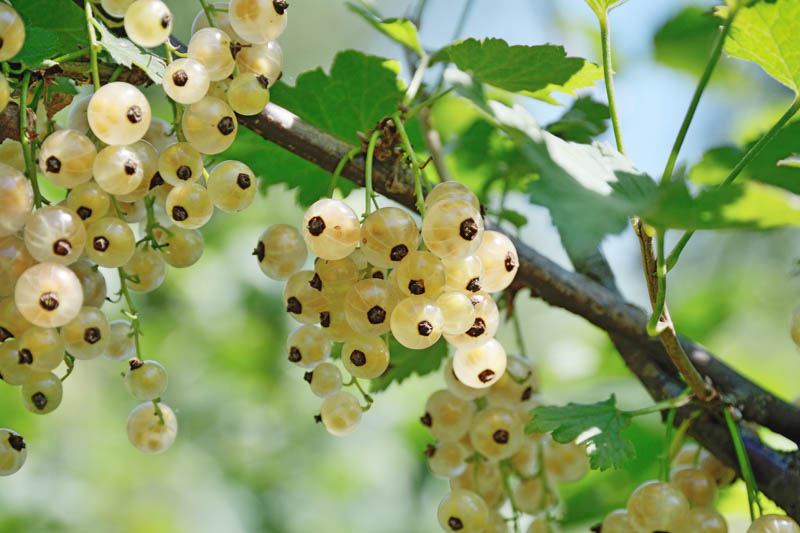
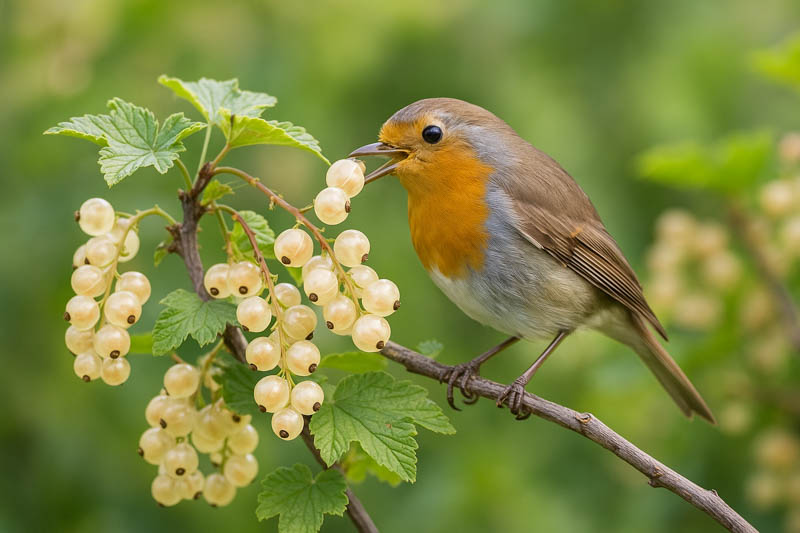
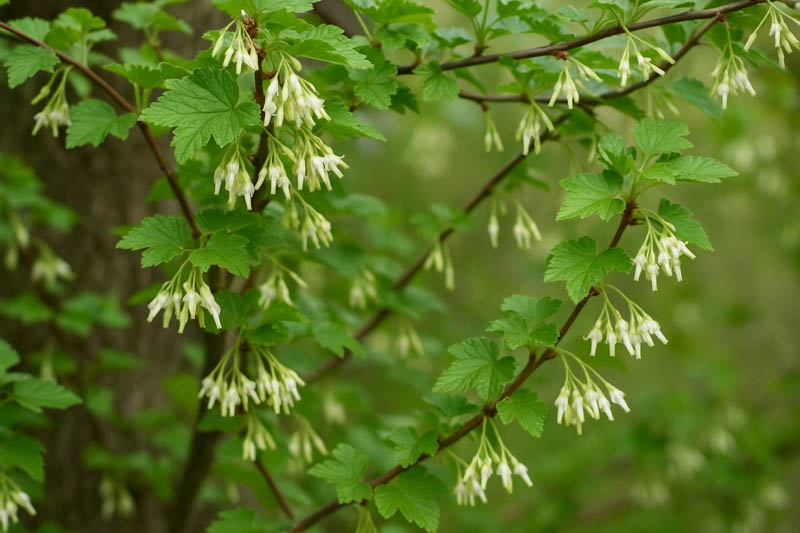


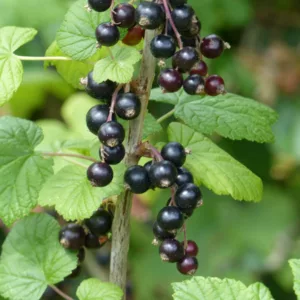
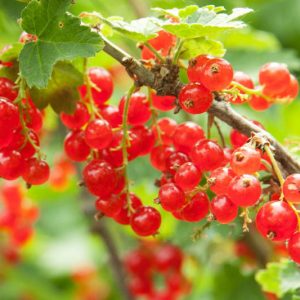
Ribes niveum is a compact, deciduous gooseberry with pretty spring bloom, glossy leaves, and small clusters of berries that ripen blue-black to purple (some forms stay yellow-green). You can eat them, birds will eat them, and in sun they catch the light like little glass buttons.
Summary: A cold-hardy, medium-sized, white-flowered gooseberry that makes upright, arching shoots and produces showy clusters of fruit ripening yellow-green to blue-black/purple in early to midsummer.
Use: Fresh eating, jellies, mixed fruit bowls, compotes, wildlife planting.
Note: As with other Ribes, check local restrictions where white pine blister rust is monitored.
| Botanical Name | Ribes niveum |
|---|---|
| Family | Grossulariaceae – currant and gooseberry family |
| Common Names | Snowy gooseberry; white-flowered gooseberry |
| Native Range | Interior Pacific Northwest & northern Great Basin: WA, OR, ID, NV, CO; widely cultivated in cool-temperate regions |
| Plant Type & Habit | Deciduous fruiting shrub; upright to gently arching; multi-stemmed |
| Hardiness (USDA) | Roughly USDA 4–7 (cool-summer 8 with afternoon shade); best in cool to moderate summers |
| Size | 4–6 ft tall (1.2–1.8 m) × 3–5 ft wide (0.9–1.5 m) |
| Sun & Exposure | Full sun to light afternoon shade (best fruiting with 6+ hours of sun) |
| Soil | Moist, fertile, well-drained loam; slightly acidic to neutral |
| Bloom & Fruit | Creamy-white spring flowers on older wood; berries ripen yellow-green to blue-black/purple in early–mid summer |
| Primary Uses | Edible landscape, ornamental berry displays, small fruit gardens, mixed borders |
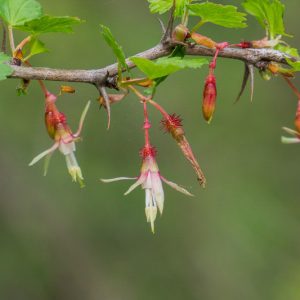
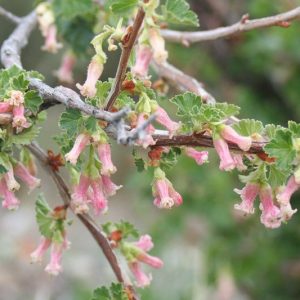
Ribes niveum is an upright, multi-stemmed shrub with spines at the nodes, small creamy-white spring flowers, and summer berries that mature yellow-green to blue-black/purple.
Native to cooler parts of the interior western U.S. – Washington, Oregon, Idaho, Nevada, and Colorado. In gardens it behaves like other cultivated gooseberries and adapts across cool-temperate regions, so long as summers aren’t brutally hot and dry.
Multi-stemmed, upright to slightly arching. New shoots rise from the base each year, so the plant forms a fountain of stems. Fruiting is heaviest on 2- and 3-year-old wood, which is why renewal pruning keeps it young and open.
Typically 4–6 ft tall and 3–5 ft wide (1.2–1.8 m × 0.9–1.5 m). In rich soil it can be a bit taller but stays compact enough for mixed borders, edible hedges, and narrow side beds.
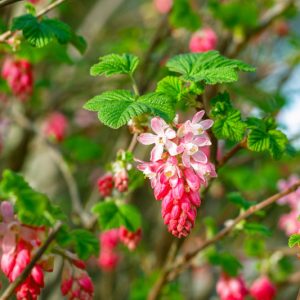
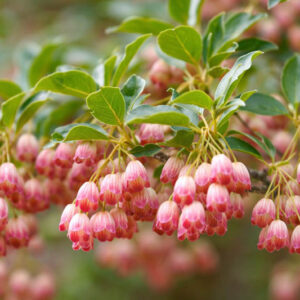
Spring bloom on older wood. Clusters are small, pendulous, and greenish-white to creamy – modest in show but excellent for early pollinators. Good pollination leads to fuller clusters later.
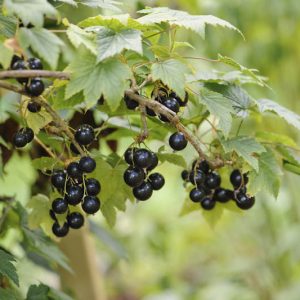
Ripen in early to midsummer. Round, translucent at first, maturing yellow-green to blue-black/purple. Fruit forms in small clusters, edible fresh or cooked. Birds will take them, so netting may be needed.
Soft green, 3–5 lobed, about 1–2 in across (2–5 cm). Often turn yellow to yellow-green in fall.
Cold-hardy; roughly USDA 4–7 (cool-summer 8 with afternoon shade). Prefers cool to moderate summers.
Edible ornamental for small fruit gardens or to extend the fruiting season for birds. The upright habit works well at the back of a border.
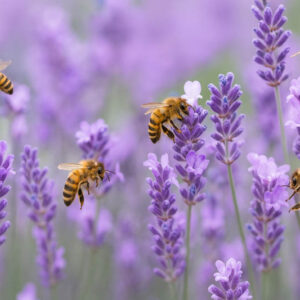
Spring flowers feed early bees. Summer fruit is relished by songbirds if you do not net the shrub. The branching framework provides light cover for small wildlife. Planting it with serviceberry, viburnum, and dogwood offers a longer seasonal buffet.
The berries are edible when fully ripe and clean. As with gooseberries generally, leaves and unripe parts are not for eating. Confirm ID before harvesting; avoid fruit from sprayed plants.
Not usually invasive in home gardens. Some regions restrict or monitor Ribes species because they can host white pine blister rust. Check local regulations and choose rust-resistant material where available.
Full sun gives the best crop and color. In hot-summer areas, provide afternoon shade to prevent leaf scorch. Avoid deep shade or you’ll get leaves with few clusters.
Prefers cool, moist, well-drained loam with plenty of organic matter. Slightly acidic pH (≈6.0–6.8) is ideal. Mulch helps keep roots cool and supports fruit set in warm spells.
Don’t let the root zone bake during flowering and fruit fill. Deeply water weekly in dry weather. A 2–3 in (5–7 cm) mulch of leaves, bark, or composted wood chips improves berry size.
Gooseberries aren’t heavy feeders. A spring top-dressing of compost plus a light organic fertilizer is usually enough. Too much nitrogen = long, sappy shoots and fewer flowers. If feeding harder, do it right after harvest so wood ripens before winter.
This is the part home gardeners skip, then wonder why their gooseberry looks tired. Ribes niveum fruits best on 2- and 3-year-old wood; older stems decline. Each winter or very early spring:
Rolling renewal is fast, keeps production high, and improves airflow for foliar disease prevention.
Generally easy, but watch for the usual gooseberry issues:
Note: In parts of North America, some Ribes are restricted because they can host white pine blister rust. Always check your state or provincial guidelines before planting.
Pick when berries are fully colored and slightly soft. If a gentle tug releases the cluster, it’s ready. Mind the nodal spines – gloves help. Harvest in the cool of morning, keep out of direct sun, and refrigerate promptly. The berries hold 3–5 days, so plan to use or freeze quickly.
Wonderful in classic gooseberry jelly, mixed-berry compote (great with blueberries for contrast), tarts, or as a chilled sangria garnish. Lower acidity than red currants means a squeeze of lemon can brighten desserts.
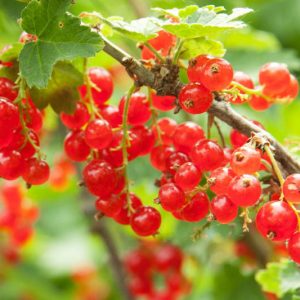
Not always. Some white currants in the trade are actually white fruited forms of Ribes rubrum. Ribes niveum is a distinct species but the look and garden use are very similar.
Most currants are self fertile, so a single shrub will fruit. Two or more will usually give bigger clusters and better pollination.
They can hang for a while, but because they are edible and softer than snowberries, birds often clear them. If you want long display, plant it with a more persistent white fruited shrub.
Yes, in a large container at least 18 in wide, with rich mix and steady water. Growth and yield will be smaller than in ground.
Updated: November 2025 • Reviewed by Gardenia Editors
| Hardiness |
4 - 7 |
|---|---|
| Plant Type | Shrubs |
| Plant Family | Grossulariaceae |
| Genus | Ribes |
| Common names | Currant, Gooseberry |
| Exposure | Full Sun, Partial Sun |
| Season of Interest | Spring (Mid, Late), Summer (Early, Mid, Late), Fall |
| Height | 4' - 6' (120cm - 180cm) |
| Spread | 3' - 5' (90cm - 150cm) |
| Spacing | 36" - 60" (90cm - 150cm) |
| Maintenance | Average |
| Water Needs | Average |
| Soil Type | Loam, Sand |
| Soil pH | Acid, Alkaline, Neutral |
| Soil Drainage | Moist but Well-Drained |
| Characteristics | Fruit & Berries |
| Native Plants | United States, Idaho, Oregon, Pacific Northwest, Washington, Southwest, Nevada, Colorado, Rocky Mountains |
| Tolerances | Deer, Fire |
| Attracts | Bees, Birds |
| Garden Styles | Informal and Cottage, Prairie and Meadow |
| Toxic to Humans | No known toxicity |
| Toxic to Cats | No known toxicity |
| Toxic to Dogs | No known toxicity |
| Toxic to Horses | No known toxicity |


| Hardiness |
4 - 7 |
|---|---|
| Plant Type | Shrubs |
| Plant Family | Grossulariaceae |
| Genus | Ribes |
| Common names | Currant, Gooseberry |
| Exposure | Full Sun, Partial Sun |
| Season of Interest | Spring (Mid, Late), Summer (Early, Mid, Late), Fall |
| Height | 4' - 6' (120cm - 180cm) |
| Spread | 3' - 5' (90cm - 150cm) |
| Spacing | 36" - 60" (90cm - 150cm) |
| Maintenance | Average |
| Water Needs | Average |
| Soil Type | Loam, Sand |
| Soil pH | Acid, Alkaline, Neutral |
| Soil Drainage | Moist but Well-Drained |
| Characteristics | Fruit & Berries |
| Native Plants | United States, Idaho, Oregon, Pacific Northwest, Washington, Southwest, Nevada, Colorado, Rocky Mountains |
| Tolerances | Deer, Fire |
| Attracts | Bees, Birds |
| Garden Styles | Informal and Cottage, Prairie and Meadow |
| Toxic to Humans | No known toxicity |
| Toxic to Cats | No known toxicity |
| Toxic to Dogs | No known toxicity |
| Toxic to Horses | No known toxicity |
How many Ribes niveum (Snowy Gooseberry) do I need for my garden?
| Plant | Quantity | |
|---|---|---|
| Ribes niveum (Snowy Gooseberry) | N/A | Buy Plants |
Create a membership account to save your garden designs and to view them on any device.
Becoming a contributing member of Gardenia is easy and can be done in just a few minutes. If you provide us with your name, email address and the payment of a modest $25 annual membership fee, you will become a full member, enabling you to design and save up to 25 of your garden design ideas.
Join now and start creating your dream garden!
Create a membership account to save your garden designs and to view them on any device.
Becoming a contributing member of Gardenia is easy and can be done in just a few minutes. If you provide us with your name, email address and the payment of a modest $25 annual membership fee, you will become a full member, enabling you to design and save up to 25 of your garden design ideas.
Join now and start creating your dream garden!