Chinese Juniper, Japanese Juniper
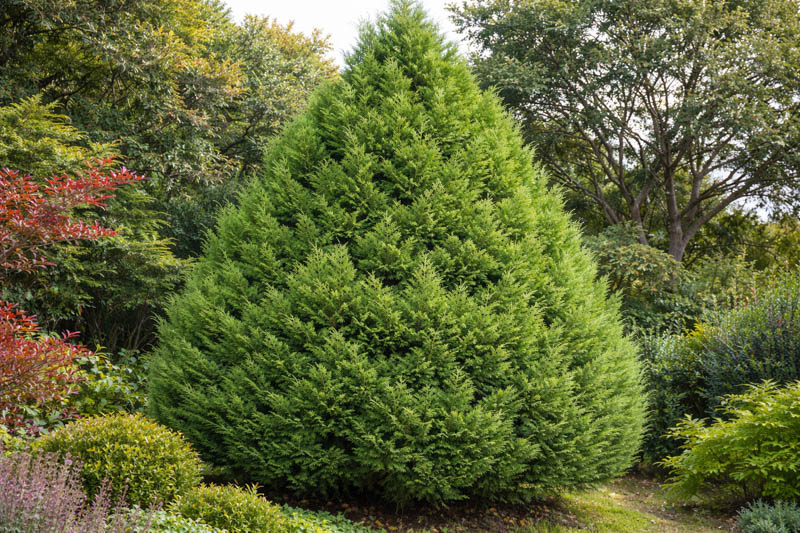


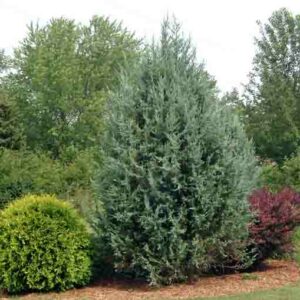
If you’re looking for an evergreen shrub or small tree that delivers year-round structure, exceptional durability, and remarkable ornamental versatility, few plants compare to Juniperus chinensis, widely known as Chinese Juniper. This tough, adaptable conifer comes in an astonishing variety of shapes, from upright columns to low, spreading forms, with foliage that may be blue-green, silvery, or deep forest green. Whether used as a specimen, hedge, groundcover, or topiary, Chinese Juniper brings texture, color, and architectural form to sunny landscapes in every season.
Chinese Juniper features dense, aromatic foliage composed of scale-like or needle-like leaves depending on age and cultivar. Many forms produce ornamental blue to blue-gray berry-like cones that add decorative appeal and serve as important wildlife food. Native to eastern Asia, Juniperus chinensis is admired for its drought tolerance, rugged constitution, and outstanding landscape versatility, thriving in foundation plantings, privacy screens, rock gardens, formal gardens, Japanese-inspired landscapes, and low-maintenance designs.
Summary: A tough, long-lived evergreen shrub or small tree with dense, aromatic foliage and tolerance to drought, heat, salt, air pollution, and poor soils.
Use: Hedges, foundation plants, topiary, privacy screens, rock gardens, and specimen accents.
Highlight: Incredible range of forms and colors, from upright spires to low, spreading groundcovers.
Note: Thrives in full sun and well-drained soils. Highly low-maintenance and resilient.
| Botanical Name | Juniperus chinensis |
|---|---|
| Family | Cupressaceae – the cypress family. |
| Common Names | Chinese Juniper, Juniper, Oriental Juniper, Juniper Tree, Juniper Shrub |
| Native Range | Native to China, Japan, Korea, and Mongolia. |
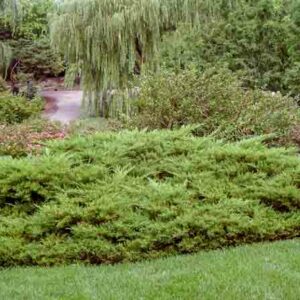
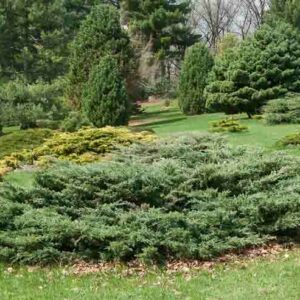
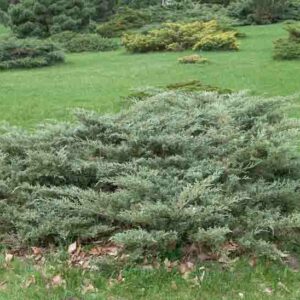
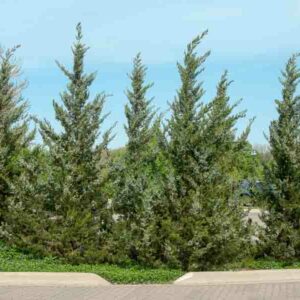
| Plant Type and Habit | Evergreen shrub or small tree with variable habits: upright, columnar, spreading, or compact. |
| Hardiness (approx. USDA) | Generally hardy in USDA Zones 4 to 9. |
| Size | Varies widely – from 2-3 ft. groundcovers to 20-60 ft. trees, depending on cultivar. |
| Sun and Exposure | Full sun is essential for dense growth and richest foliage color. |
| Soil | Prefers well-drained soils; tolerates sandy, rocky, or poor soils. Avoid heavy, constantly wet clay. |
| Seasonal Interest | Year-round evergreen color, often with ornamental blue berry-cones. |
| Primary Uses | Hedges, foundation plantings, topiary, privacy screens, rock gardens, erosion control, and wildlife value. |
Juniperus chinensis is a variable evergreen shrub or tree known for its dense foliage, aromatic leaves, and remarkable adaptability. Depending on the cultivar, its foliage may be soft and feathery or compact and scale-like. Colors range from rich green to icy blue-green and even steel-blue tones. Many selections produce attractive bluish ornamental cones that add visual interest and support local wildlife.
This species is prized in both traditional and modern landscapes because it offers structure, permanence, and sculptural beauty. Whether you’re creating a formal garden with clipped shapes or a naturalistic design with spreading junipers along a rocky slope, Chinese Juniper blends seamlessly while enhancing year-round appeal.
Juniperus chinensis originates from China, Mongolia, Korea, and Japan, where it thrives on rocky hillsides, dry slopes, and open woodland environments. Its natural habitats explain its drought tolerance, heat resistance, and ability to grow in marginal soils.
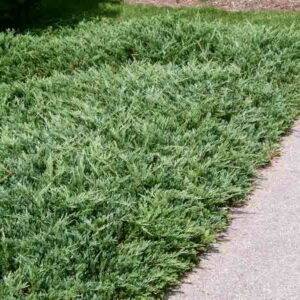
Growth varies dramatically by cultivar, with mature sizes ranging from compact 2 ft. shrubs to towering 60 ft. evergreens. Columnar forms make excellent vertical accents and screens, while spreading varieties excel as groundcovers or erosion-control plants. Chinese juniper typically grows at a slow to moderate rate, adding about 6-12 inches of new growth per year once established.
Chinese Juniper produces tiny, inconspicuous flowers, but its foliage steals the show. Needles and scales often occur together on the same plant, and many cultivars glow with silver-blue, blue-green, or dark green tones. Ornamental cones appear on female plants, typically blue-gray and waxy, adding seasonal charm.
Chinese Juniper thrives in USDA Zones 4-9 and tolerates cold winters, hot summers, wind, salt, and urban conditions. Its resilience makes it a favorite for challenging sites where other evergreens struggle.
You can use Juniperus chinensis in countless landscape roles:
The berry-like cones serve as a valuable winter food source for birds and small mammals. The dense branching also provides shelter and nesting opportunities.
Chinese Juniper is widely considered deer resistant thanks to its aromatic foliage. Rabbits also tend to avoid it, making this species an excellent choice in landscapes with heavy browsing pressure.
Once established, Juniperus chinensis is moderately drought tolerant. It thrives in dry, rocky, sandy, or nutrient-poor soils.
Chinese juniper is generally regarded as having low toxicity, and the fleshy cones are sometimes used sparingly as a seasoning. However, ingestion of large quantities of foliage or berries can cause gastrointestinal upset, especially in pets, so discourage chewing and supervise children and animals around the plant. Handle with gloves if you have sensitive skin.
In some regions, Chinese juniper is listed as invasive or potentially invasive in natural areas, but named ornamental cultivars are usually well-behaved in managed landscapes. Always check local invasive-species lists and extension recommendations before planting near sensitive habitats.
Gardeners love Chinese Juniper for its:
Chinese Juniper prefers:
Although Chinese Juniper is generally resilient, several insects can occasionally cause cosmetic or structural damage. The following pests are recognized by university extension services as the most relevant:
Chinese Juniper is susceptible to several notable diseases, especially in humid climates or poorly drained sites. Key issues include:
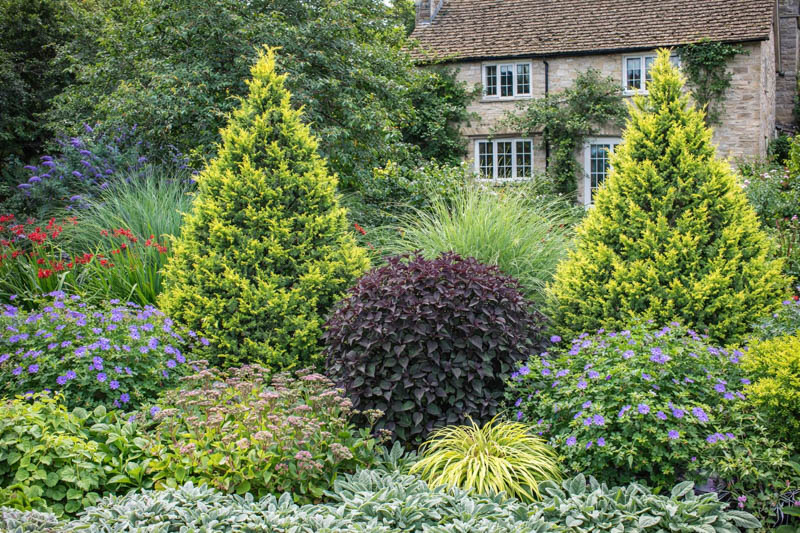
If you love Chinese Juniper but want specific colors, habits, or sizes, these outstanding cultivars offer beauty and reliability.
Juniperus chinensis, commonly called Chinese juniper, is an evergreen conifer native to eastern Asia. It can grow as a shrub or small tree and is prized for its dense, aromatic foliage, wide range of forms, and excellent tolerance to sun, drought, and poor soils. It is widely used for hedges, screens, foundation plantings, and rock gardens.
Size depends heavily on the cultivar. Some Chinese junipers stay around 2-3 feet tall and spread wider than they are high, functioning as groundcovers. Others grow 10-20 feet tall as upright shrubs, and tree forms can reach 30-60 feet in ideal conditions. Always check the expected mature height and spread of the specific cultivar before planting.
Chinese juniper typically grows at a slow to moderate rate. Many upright cultivars add about 6-12 inches of new growth per year once established, while dwarf and compact forms grow more slowly. Growth rate is influenced by sun, soil quality, water, and climate, but this plant is generally not considered fast growing.
Juniperus chinensis thrives in full sun, meaning at least 6 hours of direct sunlight per day. It prefers well-drained soil and tolerates sandy, rocky, or average garden soils. It does poorly in heavy, waterlogged, or compacted clay, where root rot and decline are more likely.
Yes. Once established, Chinese juniper is highly drought tolerant and is often recommended for low-water or xeric landscapes. It still appreciates occasional deep watering during extended dry periods, especially in very hot climates, but it does not need frequent irrigation and can suffer if soil is kept too wet.
Many compact and dwarf cultivars of Juniperus chinensis can be grown successfully in containers. Choose a pot with drainage holes, use a well-draining potting mix, and place the container in full sun. Containerized plants will need more frequent watering than in-ground specimens and may benefit from occasional light feeding.
Chinese juniper responds best to light, regular pruning. You can lightly trim new growth to maintain shape, reduce size, or create formal forms and topiary. Avoid cutting back into old, bare wood, because junipers rarely resprout from those areas. Remove dead, diseased, or crossing branches at any time of year, using clean, sharp tools.
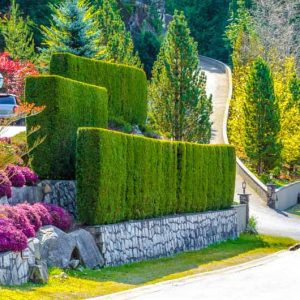
Yes. Many upright or columnar cultivars of Chinese juniper make excellent evergreen hedges and screens. They provide year-round privacy, handle wind and sun, and require minimal care once established. For a hedge, choose cultivars with a naturally dense habit, plant at the recommended spacing, and prune lightly to maintain a cohesive shape.
Updated: December 2025 • Reviewed by Gardenia Editors
| Hardiness |
4 - 9 |
|---|---|
| Heat Zones |
1 - 9 |
| Climate Zones | 1, 1A, 1B, 2, 2A, 2B, 3, 3A, 3B, 4, 5, 6, 7, 8, 9, 10, 11, 12, 13, 14, 15, 16, 17, 18, 19, 20, 21, 22, 23, 24 |
| Plant Type | Conifers, Trees |
| Plant Family | Cupressaceae |
| Genus | Juniperus |
| Common names | Chinese Juniper, Juniper |
| Exposure | Full Sun |
| Season of Interest | Spring (Early, Mid, Late), Summer (Early, Mid, Late), Fall, Winter |
| Height | 2' - 60' (60cm - 18.3m) |
| Spread | 2' - 10' (60cm - 3m) |
| Maintenance | Low |
| Water Needs | Low, Average |
| Soil Type | Chalk, Clay, Loam, Sand |
| Soil pH | Acid, Alkaline, Neutral |
| Soil Drainage | Well-Drained |
| Characteristics | Showy, Evergreen |
| Tolerances | Drought, Deer, Salt, Dry Soil, Rocky Soil, Heat |
| Attracts | Birds |
| Garden Uses | Beds And Borders, Hedges And Screens |
| Garden Styles | Coastal Garden, Informal and Cottage, Traditional Garden |
| Toxic to Humans | No known toxicity |
| Toxic to Cats | No known toxicity |
| Toxic to Dogs | No known toxicity |
| Toxic to Horses | No known toxicity |


| Hardiness |
4 - 9 |
|---|---|
| Heat Zones |
1 - 9 |
| Climate Zones | 1, 1A, 1B, 2, 2A, 2B, 3, 3A, 3B, 4, 5, 6, 7, 8, 9, 10, 11, 12, 13, 14, 15, 16, 17, 18, 19, 20, 21, 22, 23, 24 |
| Plant Type | Conifers, Trees |
| Plant Family | Cupressaceae |
| Genus | Juniperus |
| Common names | Chinese Juniper, Juniper |
| Exposure | Full Sun |
| Season of Interest | Spring (Early, Mid, Late), Summer (Early, Mid, Late), Fall, Winter |
| Height | 2' - 60' (60cm - 18.3m) |
| Spread | 2' - 10' (60cm - 3m) |
| Maintenance | Low |
| Water Needs | Low, Average |
| Soil Type | Chalk, Clay, Loam, Sand |
| Soil pH | Acid, Alkaline, Neutral |
| Soil Drainage | Well-Drained |
| Characteristics | Showy, Evergreen |
| Tolerances | Drought, Deer, Salt, Dry Soil, Rocky Soil, Heat |
| Attracts | Birds |
| Garden Uses | Beds And Borders, Hedges And Screens |
| Garden Styles | Coastal Garden, Informal and Cottage, Traditional Garden |
| Toxic to Humans | No known toxicity |
| Toxic to Cats | No known toxicity |
| Toxic to Dogs | No known toxicity |
| Toxic to Horses | No known toxicity |
How many Juniperus chinensis (Chinese Juniper) do I need for my garden?
| Plant | Quantity | |
|---|---|---|
| Juniperus chinensis (Chinese Juniper) | N/A | Buy Plants |
Create a membership account to save your garden designs and to view them on any device.
Becoming a contributing member of Gardenia is easy and can be done in just a few minutes. If you provide us with your name, email address and the payment of a modest $25 annual membership fee, you will become a full member, enabling you to design and save up to 25 of your garden design ideas.
Join now and start creating your dream garden!
Create a membership account to save your garden designs and to view them on any device.
Becoming a contributing member of Gardenia is easy and can be done in just a few minutes. If you provide us with your name, email address and the payment of a modest $25 annual membership fee, you will become a full member, enabling you to design and save up to 25 of your garden design ideas.
Join now and start creating your dream garden!