Create Your Garden

Euphorbia milii (Crown of Thorns)

Crown Of Thorns, Christ Plant, Christ’s Thorn, Christ Thorn, Siamese Lucky Plant

AGM Award
Euphorbia milii,Crown of Thorns, Christ Plant, Christ Thorn, Red flowers, Drought tolerant perennial, Deer resistant perennial, rabbit resistant perennial

Euphorbia milii (Crown of Thorns) – Year-Round Color, Hardy Habit, and Iconic Spiny Charm

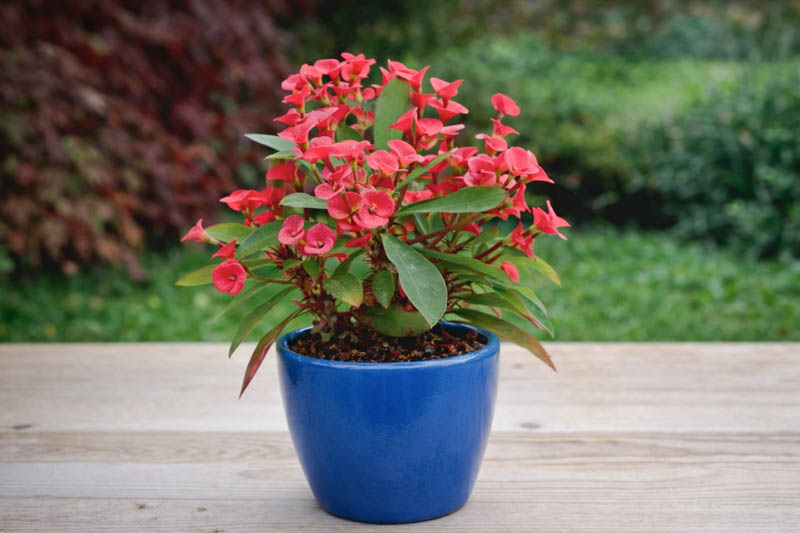
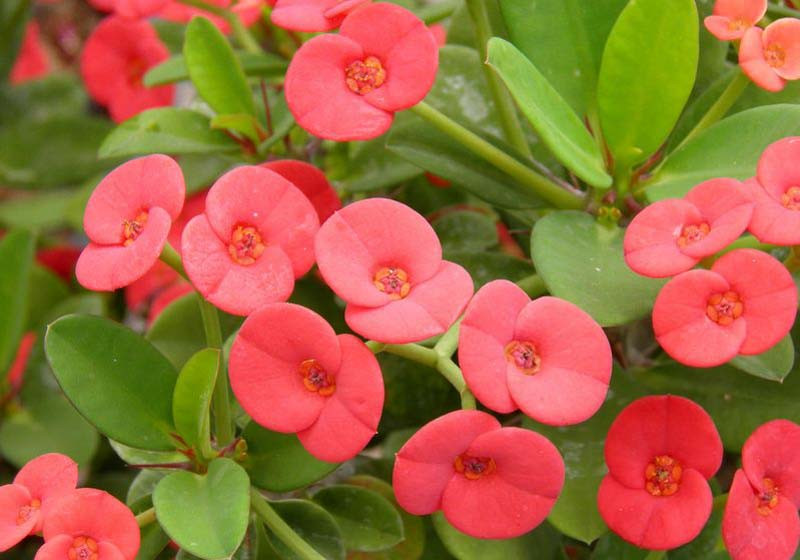
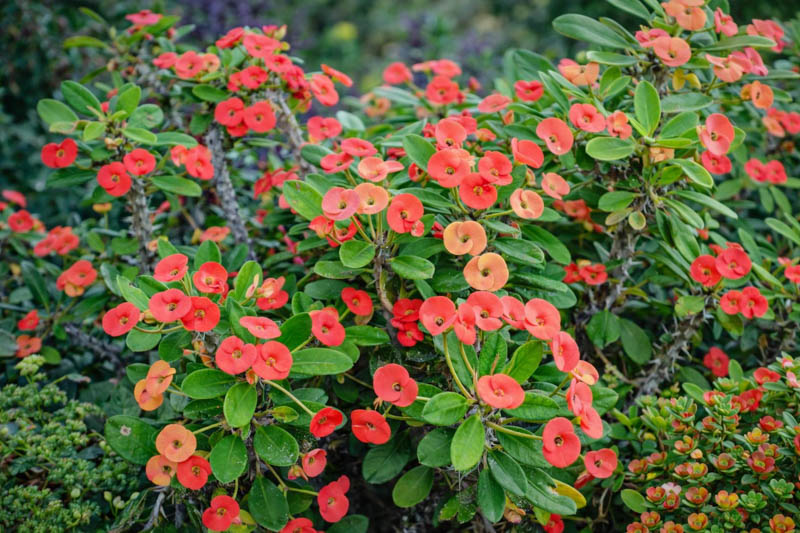
Euphorbia milii, widely celebrated as the Crown of Thorns, is a striking evergreen or semi-deciduous succulent shrub native to Madagascar. Known for its dramatic spiny stems, bright green leaves, and long-lasting bracts in shades of red, pink, white, yellow, and salmon, this plant adds bold structure and color to indoor spaces and warm-climate gardens. Reminiscent of miniature bouquets perched atop thorny stems, Crown of Thorns blooms for exceptionally long periods, from late winter through fall indoors, and year-round in tropical climates.

This resilient succulent is famously easy to care for: drought tolerant, heat loving, resistant to deer and rabbits, and surprisingly forgiving of poor, rocky soil. Despite its tough, spiny appearance, the blooms are cheerful and inviting, making it a favorite for containers, desert gardens, xeric designs, and sunny windowsills. Its storied history even connects to Christian lore, where legend suggests its stems may have inspired (or provided) the thorny branches used in the biblical crown of thorns.

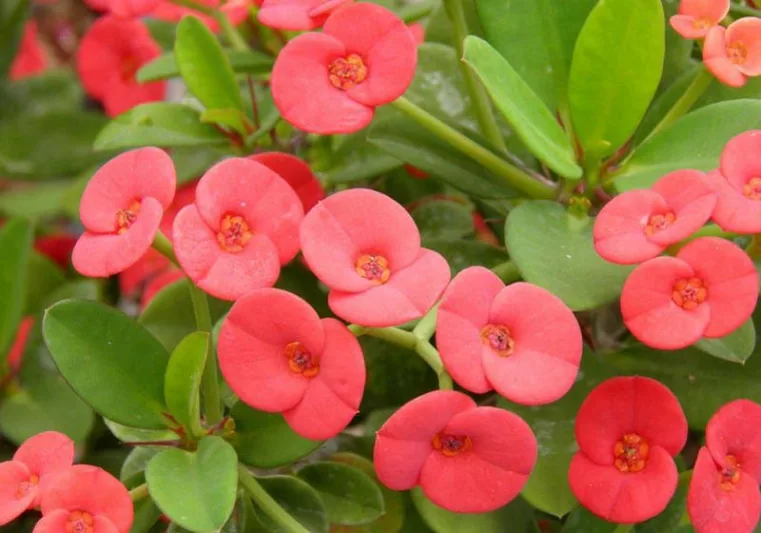
Crown of Thorns is the recipient of the prestigious Award of Garden Merit of the Royal Horticultural Society for its outstanding qualities
Quick Facts – Euphorbia milii (Crown of Thorns)

Euphorbia milii Crown of Thorns

Summary: A spiny, evergreen succulent shrub producing long-lasting colorful bracts and tiny flowers.
Use: Houseplant, rock gardens, borders, desert landscapes, Mediterranean gardens, low hedges, containers.
Highlight: Blooms nearly year-round with minimal care.
Note: Requires well-drained soil, full sun, and protection from wet, cold conditions.

Botanical Name Euphorbia milii
Family Euphorbiaceae
Common Names Crown of Thorns, Christ Plant, Christ Thorn
Native Range Madagascar
Plant Type and Habit Evergreen succulent shrub with multi-stemmed, spiny growth.
Hardiness (approx. USDA) USDA 9–11; protect from frost.
Size Typically 2–3 ft. as a houseplant; up to 6 ft. outdoors in warm climates.
Sun and Exposure Thrives in full sun; tolerates light shade.
Soil Dry to medium, well-drained soil; excellent in sandy or rocky substrates.
Seasonal Interest Flowers nearly year-round in warm regions; longest bloom indoors from late winter to fall.
Primary Uses Containers, beds, borders, rock gardens, xeric landscapes, indoor décor.
Care – Quick
  • Planting: Use a cactus/succulent mix and plant in full sun.
  • Water: Allow the soil to dry out between waterings.
  • Feeding: Light fertilizer during active growth to enhance blooming.
  • Pruning: Remove leggy or damaged stems; wear gloves.
  • Propagation: Easy from tip cuttings once the sap dries.
  • Wildlife: Resistant to deer, rabbits, and most pests.
Quick promise:
Euphorbia milii delivers nonstop color, exceptional toughness, and effortless charm, perfect for sunny windowsills, drought-tolerant landscapes, and container displays.

Crown Of Thorns, Christ Plant, Christ’s Thorn, Christ Thorn, Siamese Lucky Plant, Euphorbia milii

What Is Euphorbia milii (Crown of Thorns)?

Description

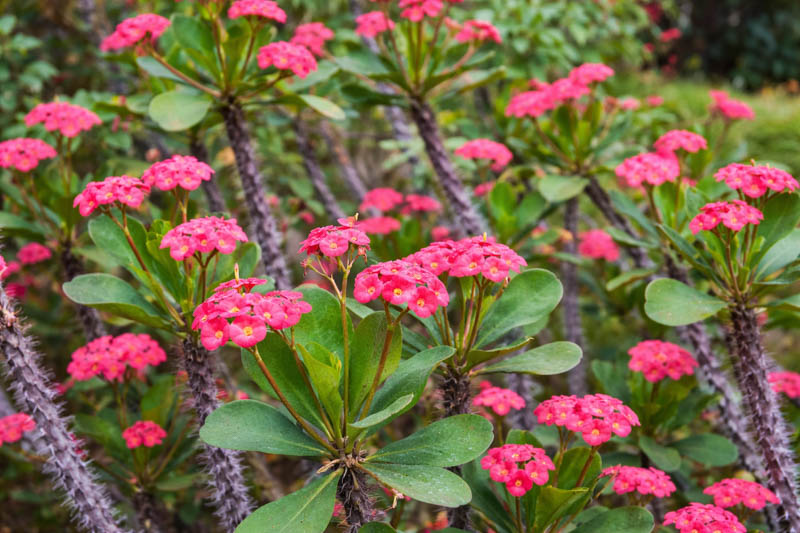
Euphorbia milii is a rugged, shrubby succulent with thick, angled, grayish stems lined with sharp black spines that can reach up to 1/2 in. long. The stems contain a milky latex sap, characteristic of the Euphorbia genus, which can cause skin or eye irritation, making gloves essential when pruning or handling the plant.

Did you know? Crown of Thorns blossoms are not actually petals: they’re colored bracts surrounding tiny, cup-like flowers called cyathia, a signature trait of the Euphorbia family.

Bracts may be vivid red, deep burgundy, pastel pink, creamy white, or warm yellow. These bracts can persist for months, far outlasting the diminutive flowers nestled at their center.

Native Range

Native to the sun-drenched, rocky terrains of Madagascar, Euphorbia milii evolved in harsh, arid climates. This explains its exceptional tolerance for heat, drought, and poor soils.

Growth Habit and Vigor

This multi-stemmed succulent naturally develops into a compact mound with stiff, upright stems. Indoors, it typically reaches 18–36 in. tall; outdoors in frost-free climates, it can grow up to 6 ft. high and 3 ft. wide. New leaves form at stem tips, while older leaves naturally yellow and drop as part of the plant’s seasonal cycle.

Flowers and Bloom Time

Crown of Thorns is celebrated for its unusually long bloom season. In warm climates, it flowers nearly year-round. Indoors, expect steady blooms from late winter through fall, with a brief rest in winter. Bright light is the key to reliable flower production.

Foliage and Seasonal Interest

Leaves are bright green, smooth, narrow, and non-succulent, typically 1–2 in. long. They emerge on new growth and gradually shed as stems mature. This leaf-shedding is normal and accentuates the plant’s architectural spiny structure.

Design tip: Pair Crown of Thorns with soft, mounding succulents to contrast its bold, spiky silhouette.

Hardiness

Suitable for USDA Zones 9–11, Crown of Thorns must be protected from cold. Temperatures below 35°F (1.6°C) can cause damage, and frost is often fatal.

Landscape Uses

  • Containers: A standout houseplant or patio feature.
  • Rock gardens: Perfect for hot, dry conditions.
  • Mediterranean and desert landscapes: Tolerates heat and drought effortlessly.
  • Low hedges or borders: Offers structure and color without frequent maintenance.
  • Accent plant: Adds sculptural interest with bold spines and bright bracts.
  • Coastal gardens: The plant is tolerant of salt spray and coastal conditions.

Ecological Notes

Crown of Thorns provides nectar to small insects and is rarely troubled by wildlife due to its spines and bitter sap.

Deer and Rabbit Resistance

The sharp spines and latex sap make this species highly resistant to deer and rabbits.

Drought and Heat Tolerance

Once established, Euphorbia milii requires minimal watering. Overwatering is the most common cause of failure; underwatering is rarely an issue.

Important: Allow soil to dry between waterings. Wet roots are the quickest way to kill this plant.

Toxicity

All plant parts are toxic if ingested and the latex sap can cause contact dermatitis. Keep away from children and pets.

Invasiveness

Euphorbia milii is generally not considered invasive. In most home gardens it behaves as a non-spreading specimen. It is listed as invasive or weedy in a few tropical regions, so check local guidance in sensitive ecosystems.
Benefits

  • Extremely long-lasting blooms
  • Thrives on neglect
  • Drought and heat tolerant
  • Compact and decorative
  • Highly resistant to pests and wildlife

Crown Of Thorns, Christ Plant, Christ’s Thorn, Christ Thorn, Siamese Lucky Plant, Euphorbia milii

Growing Conditions for Euphorbia milii

Light

  • Full sun: For the heaviest flowering and the most compact growth, place Crown of Thorns in full sun where it receives at least 6 hours of direct light each day, indoors at a bright window or outdoors in an open, sunny spot.
  • Bright indoor light: When grown as a houseplant, a south or west facing window with strong, indirect to direct light will keep stems sturdy, encourage continuous blooming, and prevent the plant from stretching or becoming leggy.

Soil

  • Excellent drainage: Good drainage is critical because the succulent roots are very sensitive to excess moisture and quickly develop root rot if they sit in waterlogged soils or containers without drainage holes.
  • Cactus or sandy soil mixes: A commercial cactus or succulent potting mix, or a blend of regular potting soil with added coarse sand, grit, or perlite, mimics the naturally rocky habitats of Madagascar and keeps roots aerated and healthy.
  • Avoid clay or wet soils: Heavy clay or compacted garden soil holds too much water, especially in winter, so Crown of Thorns is best grown in raised beds, mounded sites, or containers where you can easily control drainage.

Water

  • Let soil dry between waterings: Water thoroughly, then allow the top half of the potting mix to dry before watering again, as this slightly dry cycle encourages deeper rooting, stronger stems, and more reliable blooming.
  • Reduce watering in winter: During the cooler, lower light months, the plant enters a semi-resting phase and uses less water, so reduce watering frequency significantly to prevent cold, soggy soil and potential root rot.

Feeding

Use a balanced, diluted fertilizer once a month during the active growing and blooming season, typically spring through early fall, to support steady growth and abundant bracts without forcing overly soft, weak stems.
Maintenance

  • Deadhead bracts to tidy the plant: Removing faded bracts and spent flowering stems keeps the plant looking neat, can trigger new flushes of bloom, and also makes it easier to inspect stems for pests or damage.
  • Prune carefully to shape – it is spiny: Light pruning in spring or early summer can shorten overly long stems and improve branching, but always wear gloves and eye protection because of the sharp spines and irritating latex sap.
  • Expect normal leaf drop: Cyclical leaf drop is a natural part of Crown of Thorns growth, especially during seasonal rest or when light changes, so occasional yellowing and shedding of older leaves is normal rather than a sign of disease.

Propagation

  • Stem cuttings: Tip cuttings taken from healthy stems root readily if you allow the milky sap to dry and callus for a day or two before inserting them into a fast-draining medium, making vegetative propagation the easiest way to clone favorite cultivars.
  • Seeds: Crown of Thorns can be grown from seed, but this process is slower and more variable, and seedlings may not come true to type, so seed propagation is mainly used by breeders or patient collectors.

Crown Of Thorns, Christ Plant, Christ’s Thorn, Christ Thorn, Siamese Lucky Plant, Euphorbia milii

Pests, Diseases, and Common Problems

Pests

  • Mealybugs: White, cottony clusters of mealybugs may appear in stem joints or along newer growth, sucking sap and weakening the plant, and are best controlled early with cotton swabs dipped in alcohol or insecticidal soap.
  • Scale insects: Hard or soft scale insects look like small bumps on stems and can cause yellowing or stunted growth as they feed, so affected stems should be wiped, pruned, or treated with horticultural oil as soon as they are noticed.
  • Thrips: Thrips are tiny, slender insects that may scar bracts and new leaves, leading to distorted or discolored growth, and can be managed by improving air circulation and using targeted insecticidal sprays when necessary.
  • Spider mites: Spider mites thrive in hot, dry indoor air and create fine webbing on leaves and stems, causing stippling or bronzing of foliage, so regular inspection and occasional rinsing or miticide applications help keep populations low.

Diseases

  • Root rot from overwatering: When roots sit in soggy, poorly drained soil they suffocate and rot, leading to wilted stems, blackened roots, and plant collapse, so prevention through proper watering and sharp drainage is essential.
  • Leaf spot in humid conditions: Prolonged moisture on leaves, overcrowding, or very humid air can promote fungal or bacterial leaf spots that appear as brown or black lesions, which are best managed by improving air flow and removing affected foliage.
  • Botrytis blight indoors: In cool, damp, poorly ventilated rooms, gray mold (Botrytis) may develop on old bracts or damaged tissue, so keeping the plant in a warm, bright, airy location and removing decaying material helps prevent this disease.

Common Problems

  • No blooms: Lack of flowering is most often caused by insufficient light, overly rich or constantly wet soil, or heavy shade indoors, and typically improves once the plant is moved to a brighter, sunnier spot and watering is reduced.
  • Leaf drop: While some leaf drop is normal, sudden or severe defoliation can result from abrupt temperature changes, overwatering, poor light, or transplant shock, so checking watering habits and site conditions is the first step in diagnosis.
  • Stem rot: Soft, blackened, or mushy stems indicate rot, usually from chronic moisture or cold, and affected stems should be pruned back to healthy tissue while the plant is moved to a warmer, drier, better drained environment.

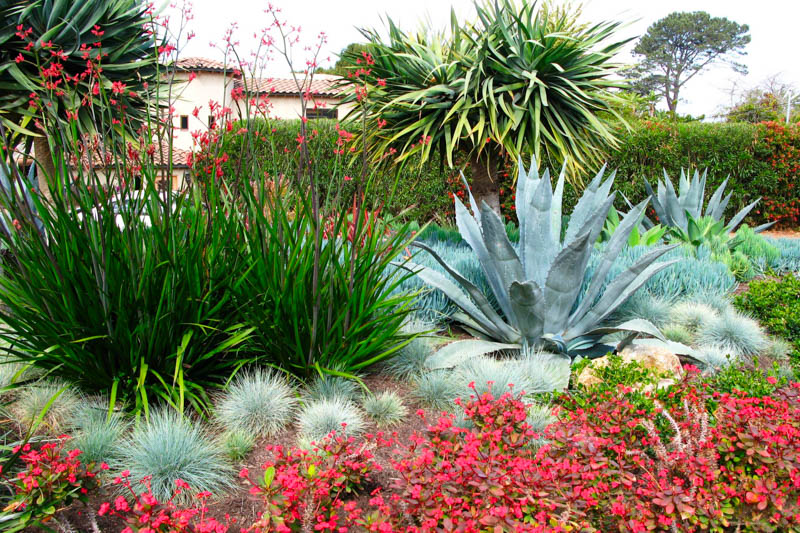
Anigozanthos flavidus, Senecio mandraliscae, Senecio vitalis , Agave palmeri , Dracena draco, Festuca glauca, Euphorbia millii

Design Ideas With Euphorbia milii

  • Desert container star: Plant Crown of Thorns in a large terracotta pot with Aloe, Crassula, and small Agave varieties for a dramatic, sun loving succulent arrangement that thrives on minimal watering and intense light.
  • Rock garden highlight: Tuck Euphorbia milii into a warm, rocky slope alongside Sedum, Echeveria, and Portulaca, where its spiny stems and colorful bracts contrast beautifully with low, spreading succulents and groundcovers.
  • Mediterranean and xeric borders: Combine Crown of Thorns with drought tolerant companions such as Agave, Euphorbia tirucalli (pencil cactus), and ornamental grasses to build a water wise border that offers structure, movement, and long lasting color.
  • Sunny balcony or patio display: Use Euphorbia milii as the vertical accent in a mixed container with trailing sedums, Kalanchoe, and compact Senecio, creating a layered, textural look that performs well in hot, bright urban spaces.
  • Specimen houseplant with companions: Indoors, place a single Crown of Thorns in a decorative pot and group it with other sun loving houseplants such as jade plant, snake plant, or desert rose (Adenium) to form a low maintenance, sculptural plant vignette.

Popular Cultivars of Euphorbia milii

  • ‘Cherokee’ – Tall habit, bright red bracts.
  • ‘Red Hot’ – Vivid red blooms.
  • ‘White Lightning’ – Variegated foliage with creamy bracts.
  • ‘Pink Jewel’ – Bracts deepen from pale pink to vivid pink.
  • ‘Full of Money’ – Multi-colored bracts in pink, red, and yellow.

Euphorbia milii,Crown of Thorns, Christ Plant, Christ Thorn, Red flowers, Drought tolerant perennial, Deer resistant perennial, rabbit resistant perennial

Frequently Asked Questions

What is Crown of Thorns and why is it popular?

Crown of Thorns (Euphorbia milii) is a spiny, evergreen succulent shrub known for its long-lasting colorful bracts and ability to bloom nearly year-round in bright light. It is popular because it thrives on minimal care, tolerates drought and heat, and performs well as a houseplant or in warm outdoor climates.

How much light does Crown of Thorns need?

Crown of Thorns needs bright, direct light for consistent blooming. Outdoors it prefers full sun; indoors it should be placed at a sunny south or west-facing window. Low light is the most common reason for poor flowering.

How often should I water Crown of Thorns?

Water only when the soil is completely dry. Crown of Thorns is a drought-tolerant succulent, and overwatering is the leading cause of root rot. In winter, watering should be reduced significantly as growth slows.

Why is my Crown of Thorns not blooming?

Insufficient sunlight is the primary cause of poor blooming. Additional causes include overly rich or constantly wet soil, low indoor light, or lack of seasonal rest. Providing full sun and a slightly dry regimen greatly improves flowering.

Is Crown of Thorns poisonous?

Yes. All parts of the plant contain a milky latex sap that can irritate the skin and eyes and is toxic if ingested. The sap can cause dermatitis, so gloves should be worn during handling, and the plant should be kept away from pets and children.

Is Crown of Thorns safe for pets?

No. Crown of Thorns is toxic to dogs, cats, and other pets if chewed or ingested. It can cause drooling, vomiting, and irritation of the mouth and digestive tract. The spines also pose a physical hazard.

Does Crown of Thorns lose its leaves?

Yes. Leaf drop is normal, especially when the plant adjusts to new lighting, enters seasonal rest, or sheds older foliage. Sudden or excessive leaf drop, however, may indicate overwatering, poor drainage, or insufficient light.

How big does Crown of Thorns get?

As a houseplant, Crown of Thorns typically grows 1.5 to 3 feet tall. In warm, frost-free climates, it can reach 4 to 6 feet outdoors. Its growth is compact and slow to moderate, with new leaves produced only on active stem tips.

Does Crown of Thorns attract pests?

It is generally pest resistant but may occasionally develop mealybugs, scale, thrips, or spider mites, especially in low ventilation or high humidity. Early treatment and improved air circulation usually resolve issues.

References

  • Royal Horticultural Society (RHS) – Euphorbia milii plant profile and AGM listing
  • University and extension horticulture resources on succulent shrubs and poisonous plants

Updated: December 2025 • Reviewed by Gardenia Editors

Requirements

Hardiness 9 - 11
Heat Zones 1 - 11
Climate Zones 13, 21, 22, 23, 24, H1, H2
Plant Type Cactus & Succulents, Shrubs
Plant Family Euphorbiaceae
Genus Euphorbia
Common names Crown of Thorns
Exposure Full Sun
Season of Interest Spring (Early, Mid, Late), Summer (Early, Mid, Late), Fall, Winter
Height 3' - 6' (90cm - 180cm)
Spread 1' - 3' (30cm - 90cm)
Spacing 36" (90cm)
Maintenance Low
Water Needs Low
Soil Type Chalk, Loam, Sand
Soil pH Acid, Alkaline, Neutral
Soil Drainage Well-Drained
Characteristics Plant of Merit, Showy, Evergreen
Tolerance Drought, Deer, Salt, Rabbit, Dry Soil, Rocky Soil
Garden Uses Beds And Borders, Edging, Hedges And Screens, Patio And Containers
Garden Styles Coastal Garden, Gravel and Rock Garden, Mediterranean Garden
How Many Plants
Do I Need?
Explore Great Plant Combination Ideas
Euphorbia (Spurge)
Guides with
Euphorbia (Spurge)
Not sure which Euphorbia (Spurge) to pick?
Compare Now

Alternative Plants to Consider

Euphorbia trigona (African Milk Tree)
Euphorbia horrida (African Milk Barrel)
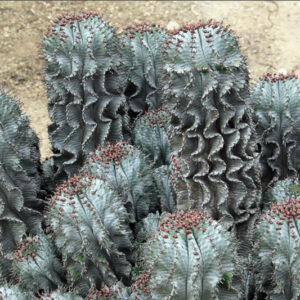
Euphorbia caput-medusae (Medusa’s Head)
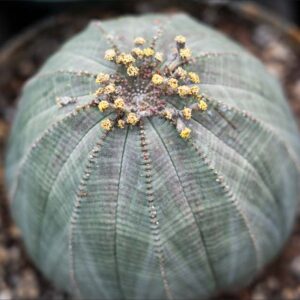
Euphorbia obesa (Baseball Plant)
Euphorbia resinifera (Resin Spurge)
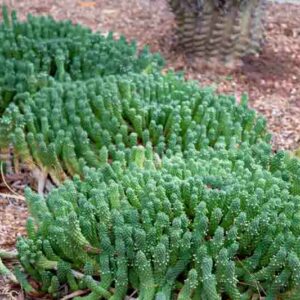
Euphorbia mammillaris (Corncob Cactus)

Recommended Companion Plants

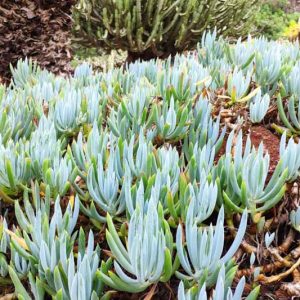
Senecio mandraliscae (Blue Chalksticks)
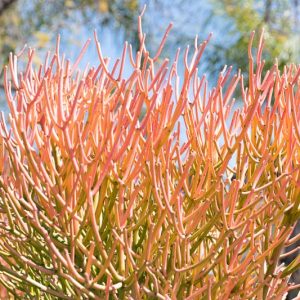
Euphorbia tirucalli ‘Sticks on Fire’ (Pencil Cactus)
Aloe
Agave
Aeonium
Echeveria
Kalanchoe
Crassula
Sedum (Stonecrop)

Find In One of Our Guides or Gardens

An Eye-Catching Succulent Garden
30 Christmas Flowers and Plants to Brighten Your Home and Garden
50 Colorado Wildflowers to Know and Love
42 Green Flowers for Your Garden or Bouquets
Do Succulents Need Sun?
Indoor Succulent Plants: Best Varieties for Your Home
Are Succulents Poisonous to Cats?
Succulent Garden: Creative Ideas for Indoors and Outdoors
How to Care for Succulents Indoors and Outdoors
How Often to Water Succulents Indoors and Outdoors
Succulent Soil: The Key to Healthy Growth
How To Propagate Succulents
80 Types of Succulents for Beginners and Expert Gardeners
Native Plant Alternatives to Euphorbia cyparissias (Cypress Spurge)
While every effort has been made to describe these plants accurately, please keep in mind that height, bloom time, and color may differ in various climates. The description of these plants has been written based on numerous outside resources.
Buy Plants

Requirements

Hardiness 9 - 11
Heat Zones 1 - 11
Climate Zones 13, 21, 22, 23, 24, H1, H2
Plant Type Cactus & Succulents, Shrubs
Plant Family Euphorbiaceae
Genus Euphorbia
Common names Crown of Thorns
Exposure Full Sun
Season of Interest Spring (Early, Mid, Late), Summer (Early, Mid, Late), Fall, Winter
Height 3' - 6' (90cm - 180cm)
Spread 1' - 3' (30cm - 90cm)
Spacing 36" (90cm)
Maintenance Low
Water Needs Low
Soil Type Chalk, Loam, Sand
Soil pH Acid, Alkaline, Neutral
Soil Drainage Well-Drained
Characteristics Plant of Merit, Showy, Evergreen
Tolerance Drought, Deer, Salt, Rabbit, Dry Soil, Rocky Soil
Garden Uses Beds And Borders, Edging, Hedges And Screens, Patio And Containers
Garden Styles Coastal Garden, Gravel and Rock Garden, Mediterranean Garden
How Many Plants
Do I Need?
Explore Great Plant Combination Ideas
Euphorbia (Spurge)
Guides with
Euphorbia (Spurge)
Not sure which Euphorbia (Spurge) to pick?
Compare Now

Gardening Ideas

Plant Calculator

How many Euphorbia milii (Crown of Thorns) do I need for my garden?

Input your garden space dimensions

Your Shopping List

Plant Quantity
Euphorbia milii (Crown of Thorns) N/A Buy Plants

Please Login to Proceed

You Have Reached The Free Limit, Please Subscribe to Proceed

Subscribe to Gardenia

To create additional collections, you must be a paid member of Gardenia
  • Add as many plants as you wish
  • Create and save up to 25 garden collections
Become a Member

Plant Added Successfully

Your garden is taking shape. Unlock full planning.

You’ve reached the free limit. Upgrade for $25/year to add as many plants as you wish and save up to 25 garden collections. Unlock Annual Membership

Update Your Credit
Card Information

Cancel

Create a New Collection

Sign Up to Our Newsletter

    You have been subscribed successfully

    Join Gardenia.net

    Create a membership account to save your garden designs and to view them on any device.

    Becoming a contributing member of Gardenia is easy and can be done in just a few minutes. If you provide us with your name, email address and the payment of a modest $25 annual membership fee, you will become a full member, enabling you to design and save up to 25 of your garden design ideas.

    Join now and start creating your dream garden!

    Join Gardenia.net

    Create a membership account to save your garden designs and to view them on any device.

    Becoming a contributing member of Gardenia is easy and can be done in just a few minutes. If you provide us with your name, email address and the payment of a modest $25 annual membership fee, you will become a full member, enabling you to design and save up to 25 of your garden design ideas.

    Join now and start creating your dream garden!
    Find your Hardiness Zone

    Find your Heat Zone

    Find your Climate Zone