Using the right soil for your succulents is crucial for their health and longevity. Whether you choose a pre-made mix or create your own, the key is to ensure excellent drainage, aeration, and light texture.
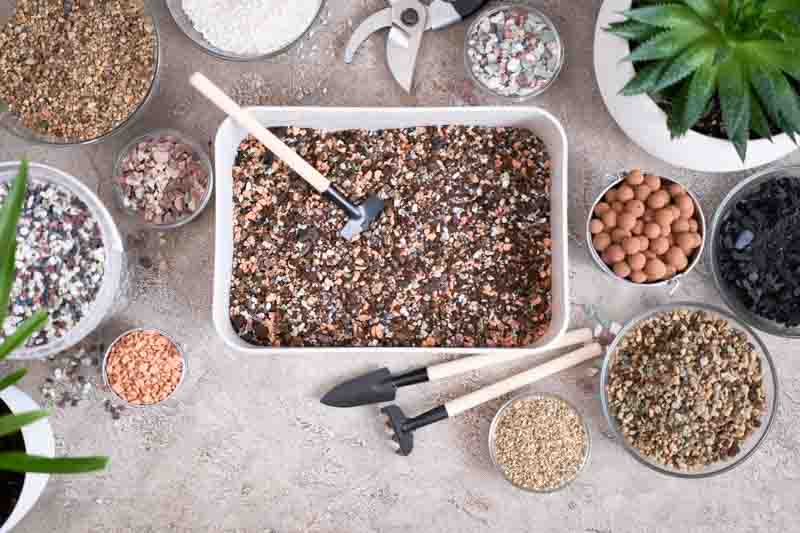


Succulents are unique plants that thrive in well-draining conditions, making standard garden soil unsuitable for their needs. The right type of potting soil ensures that their roots don’t stay waterlogged, preventing root rot and other issues.
In this guide, we’ll explore the key features of soil required for succulents, the components that make up ideal potting mixes, and DIY recipes for creating the perfect growing environment.
Succulents store water in their leaves, stems, or roots, allowing them to survive droughts and dry conditions. However, they are highly sensitive to excess moisture, which can lead to root rot. Standard soils, which retain moisture for longer, can suffocate the roots of succulents. A well-draining soil mix mimics their natural environment, such as deserts or rocky terrains, where water drains away quickly after rainfall.
Creating the perfect soil mix for succulents involves balancing organic and inorganic materials to ensure proper drainage, aeration, and light structure.
Coco Coir
Pine Bark
Compost (Small Amounts)
Inorganic components are critical for ensuring the soil drains well and roots remain healthy by preventing waterlogging.
Perlite
Pumice
Coarse Sand
Gravel or Crushed Granite
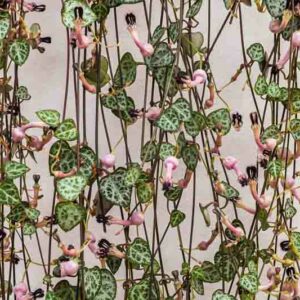
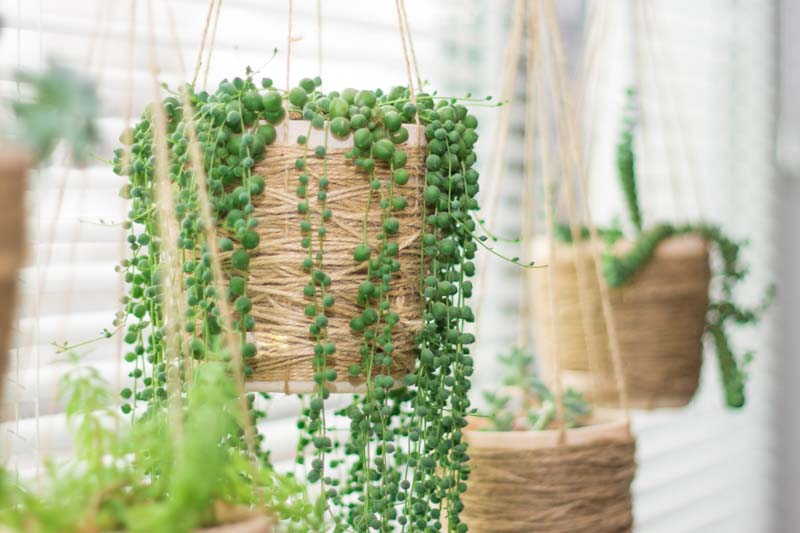 String of Pearls – Senecio rowleyanus
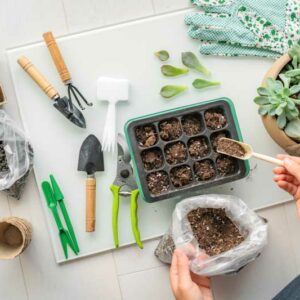
Many nurseries offer succulent-specific potting mixes, which are readily available and convenient. However, depending on your succulent’s needs, these mixes may need further amendment. Some gardeners prefer making their own DIY soil mix to have complete control over the ingredients.
The best DIY potting mix for succulents prioritizes excellent drainage and aeration while providing a bit of organic material for nutrients. A widely recommended formula balances coarse materials and organic matter to mimic the conditions of succulents’ native environments—dry, rocky, and well-draining.
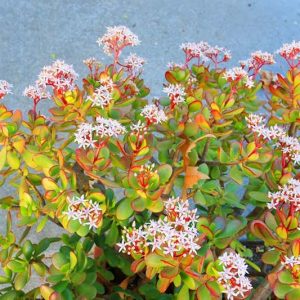
Use: This mix is ideal for indoor succulents (e.g., Jade plants, Echeveria) that need some moisture retention. It provides sufficient drainage for controlled environments where overwatering may not be a frequent issue.
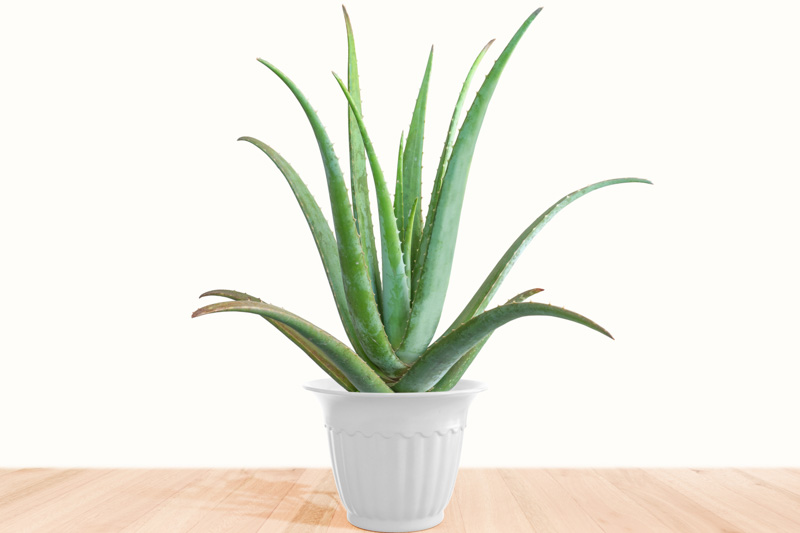
Use: Best suited for outdoor succulents (e.g., Agave, Aloe) in arid climates. The increased pumice or perlite ensures faster drainage, preventing root rot in outdoor environments where airflow is better but exposure to heat and wind is higher.
Even with a well-prepared potting mix, succulents may encounter problems due to improper soil conditions. Below are some of the most common issues that arise with succulent soil, along with tips for prevention and solutions.
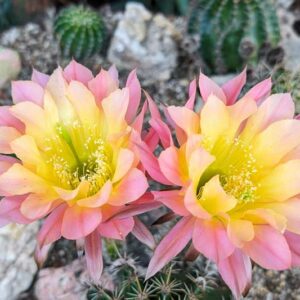
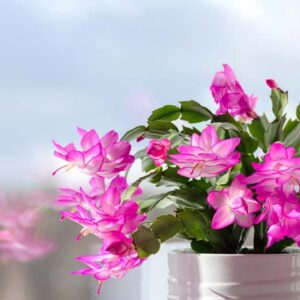
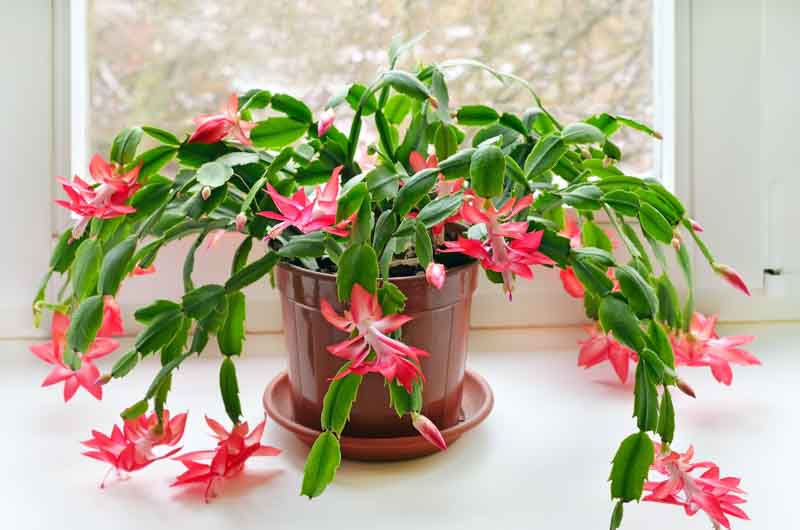 Christmas Cactus – Schlumbergera x buckleyi
Using regular potting soil can lead to poor drainage, which retains too much moisture. Succulents are prone to root rot when their roots stay wet for extended periods. Regular potting mixes often contain water-retentive materials like peat moss, which increase the risk of overwatering.
Avoid repotting succulents when:
Yes, gently loosen or break up compacted roots before repotting. This encourages new root growth and helps the plant establish itself in the new pot. However, be careful not to damage the roots excessively.
Yes, succulents can experience transplant shock due to root disturbance. Symptoms include wilting or slowed growth. To minimize shock:
Placing rocks at the bottom of a planter is not necessary. It can actually hinder drainage by creating a perched water table, where water accumulates just above the rocks. Instead, use a well-draining soil mix and pots with drainage holes.
| Plant Type | Cactus & Succulents |
|---|---|
| Genus | Aeonium, Agave, Aloe, Crassula, Echeveria, Euphorbia, Haworthia, Kalanchoe, Mammillaria, Opuntia, Sedum, Sempervivum, Senecio, Yucca |
| Toxic to Humans | No known toxicity |
| Toxic to Cats | No known toxicity |
| Toxic to Dogs | No known toxicity |
| Toxic to Horses | No known toxicity |
| Plant Type | Cactus & Succulents |
|---|---|
| Genus | Aeonium, Agave, Aloe, Crassula, Echeveria, Euphorbia, Haworthia, Kalanchoe, Mammillaria, Opuntia, Sedum, Sempervivum, Senecio, Yucca |
| Toxic to Humans | No known toxicity |
| Toxic to Cats | No known toxicity |
| Toxic to Dogs | No known toxicity |
| Toxic to Horses | No known toxicity |
Create a membership account to save your garden designs and to view them on any device.
Becoming a contributing member of Gardenia is easy and can be done in just a few minutes. If you provide us with your name, email address and the payment of a modest $25 annual membership fee, you will become a full member, enabling you to design and save up to 25 of your garden design ideas.
Join now and start creating your dream garden!
Create a membership account to save your garden designs and to view them on any device.
Becoming a contributing member of Gardenia is easy and can be done in just a few minutes. If you provide us with your name, email address and the payment of a modest $25 annual membership fee, you will become a full member, enabling you to design and save up to 25 of your garden design ideas.
Join now and start creating your dream garden!