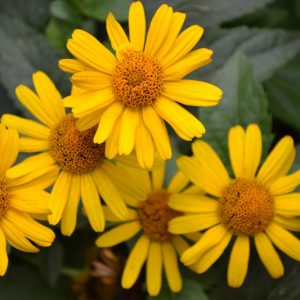
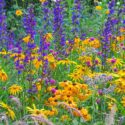
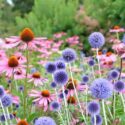
False Sunflower, Sunflower Heliopsis, Oxeye Sunflower, Early Sunflower, Eastern Ox-eye, Eastern Sunflower, Heliopsis, Ox-eye, Smooth Oxeye


With its ease of care, cheerful flowers, and attractiveness to pollinators, False Sunflower (Heliopsis helianthoides) is a rewarding choice for gardeners seeking hardy and reliable perennials.
Heliopsis helianthoides, also known as Ox Eye sunflower or False Sunflower, is a native perennial in North America, found predominantly in the Midwest and Northeast regions.
| Hardiness |
3 - 9 |
|---|---|
| Heat Zones |
1 - 9 |
| Climate Zones | 1, 2, 3, 4, 5, 6, 7, 8, 9, 10, 11, 14, 15, 16, 17, 18, 19, 20, 21, 22, 23, 24, H1, H2 |
| Plant Type | Perennials |
| Genus | Heliopsis |
| Exposure | Full Sun |
| Season of Interest | Summer (Early, Mid, Late), Fall |
| Height | 3' - 6' (90cm - 180cm) |
| Spread | 2' - 3' (60cm - 90cm) |
| Spacing | 18" - 48" (50cm - 120cm) |
| Maintenance | Low |
| Water Needs | Average |
| Soil Type | Chalk, Clay, Loam, Sand |
| Soil pH | Acid, Alkaline, Neutral |
| Soil Drainage | Moist but Well-Drained, Well-Drained |
| Characteristics | Cut Flowers, Showy |
| Tolerances | Drought, Deer, Dry Soil, Rocky Soil, Clay Soil, Rabbit |
| Attracts | Bees, Butterflies, Hummingbirds |
| Landscaping Ideas | Beds And Borders, Patio And Containers |
| Garden Styles | City and Courtyard, Cutting Garden, Prairie and Meadow |
Growing Heliopsis helianthoides offers numerous benefits for both your garden and the surrounding ecosystem:
In conclusion, if you are looking for a low-maintenance, hardy, and long-blooming perennial that contributes positively to the ecosystem, the False Sunflower is a strong contender.
Designing a garden with False Sunflower can add long-lasting color and movement to your landscape. Here are some ideas for incorporating this vibrant perennial into your garden design:
When selecting companion plants for Heliopsis helianthoides, consider plants that bloom at the same time and enjoy similar growing conditions – full sun and well-drained soil. Here are some ideal companions for False Sunflower:
Mixing these companion plants with False Sunflower can create a dynamic, diverse garden that offers multiple seasons of interest. Always consider your specific site conditions and the ultimate size of plants when choosing and placing companions.
Botanik Foto, Blooms of Bressingham, Growing Colors and Missouri Botanical Garden
| Hardiness |
3 - 9 |
|---|---|
| Heat Zones |
1 - 9 |
| Climate Zones | 1, 2, 3, 4, 5, 6, 7, 8, 9, 10, 11, 14, 15, 16, 17, 18, 19, 20, 21, 22, 23, 24, H1, H2 |
| Plant Type | Perennials |
| Genus | Heliopsis |
| Exposure | Full Sun |
| Season of Interest | Summer (Early, Mid, Late), Fall |
| Height | 3' - 6' (90cm - 180cm) |
| Spread | 2' - 3' (60cm - 90cm) |
| Spacing | 18" - 48" (50cm - 120cm) |
| Maintenance | Low |
| Water Needs | Average |
| Soil Type | Chalk, Clay, Loam, Sand |
| Soil pH | Acid, Alkaline, Neutral |
| Soil Drainage | Moist but Well-Drained, Well-Drained |
| Characteristics | Cut Flowers, Showy |
| Tolerances | Drought, Deer, Dry Soil, Rocky Soil, Clay Soil, Rabbit |
| Attracts | Bees, Butterflies, Hummingbirds |
| Landscaping Ideas | Beds And Borders, Patio And Containers |
| Garden Styles | City and Courtyard, Cutting Garden, Prairie and Meadow |
Create a membership account to save your garden designs and to view them on any device.
Becoming a contributing member of Gardenia is easy and can be done in just a few minutes. If you provide us with your name, email address and the payment of a modest $25 annual membership fee, you will become a full member, enabling you to design and save up to 25 of your garden design ideas.
Join now and start creating your dream garden!