Checker Bloom 'Elsie Heugh', Prairie Mallow 'Elsie Heugh', Sidalcea malviflora 'Elsie Heugh'

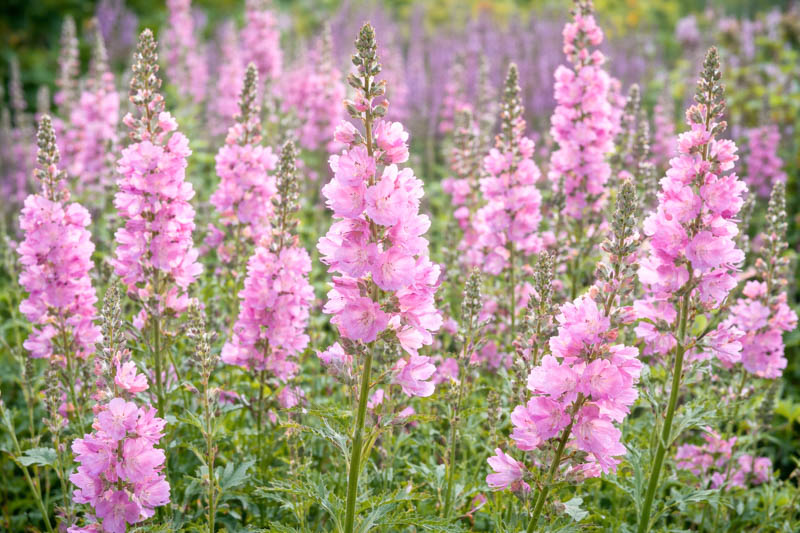
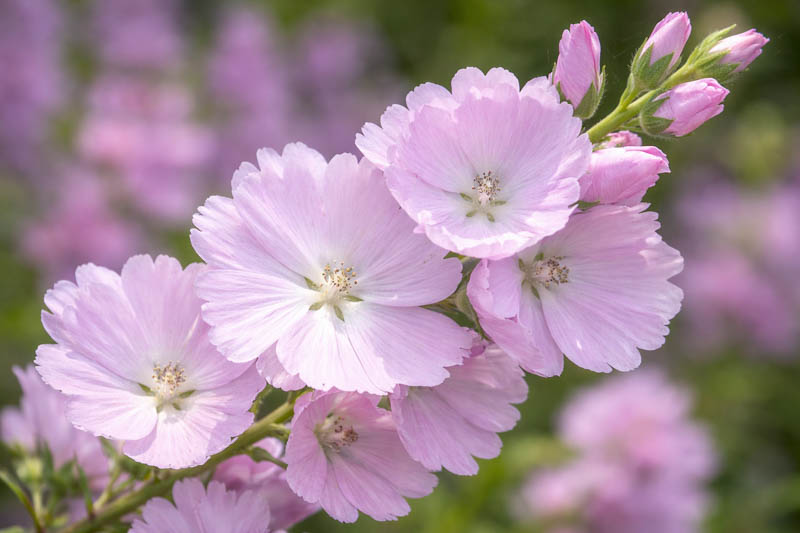
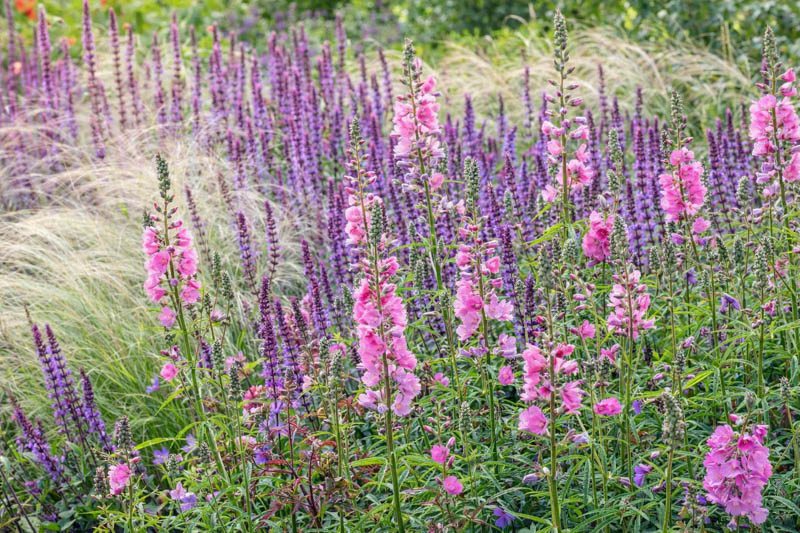


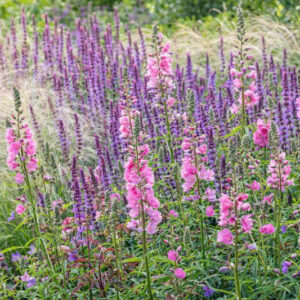
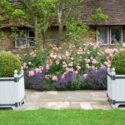
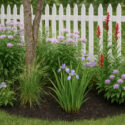
If you are looking for a cottage-garden perennial that delivers soft romantic color, effortless grace, and strong pollinator appeal, Sidalcea ‘Elsie Heugh’ is a truly delightful choice. Also known as a Checker Mallow or Checker Bloom, this deciduous perennial offers tall, slender wands of silky shell-pink flowers that resemble miniature hollyhocks without the towering height or the aggressive reseeding that often accompanies them.
Loved for its refined bloom spires, pollinator activity, and ease of growth, Sidalcea ‘Elsie Heugh’ fits beautifully into cottage gardens, pollinator borders, mixed perennial beds, and naturalistic plantings. It adds vertical interest without overwhelming neighboring plants and provides a soft, graceful presence through the height of summer.
Summary: Clump-forming deciduous perennial with slender vertical stems topped by large, shell-pink fringed flowers resembling miniature hollyhocks.
Use: Ideal for cottage gardens, mixed borders, pollinator gardens, cut-flower gardens, and naturalistic plantings.
Highlight: Blooms heavily from early to mid-summer, often continuing into late summer and attracts butterflies, bees, and hummingbirds.
Note: Performs best in moist, well-drained soils and appreciates consistent moisture.
| Botanical Name | Sidalcea ‘Elsie Heugh’ |
|---|---|
| Family | Malvaceae (Mallow family) |
| Common Names | Checker Bloom, Checker Mallow |
| Native Range | Derived from species native to western North America. |
| Plant Type and Habit | Deciduous perennial; upright, clump-forming with basal foliage and tall flowering stems. |
| Hardiness (approx. USDA) | Hardy in USDA Zones 5–9. |
| Size | Grows 24–30 in. tall and 18–24 in. wide. |
| Sun and Exposure | Full sun preferred; tolerates light shade. |
| Soil | Consistently moist, well-drained soils. Dislikes heavy, waterlogged clay. |
| Seasonal Interest | Shell-pink flowers in early to late summer; attractive basal foliage earlier in the season. |
| Primary Uses | Pollinator gardens, borders, meadows, cottage gardens, and cut-flower arrangements. |
Sidalcea ‘Elsie Heugh’ is a charming herbaceous perennial known for its upright stems topped with broad, silky shell-pink flowers measuring up to 2 inches across. The blooms have a fringed, almost crepe-like texture, and are borne in vertical spikes reminiscent of hollyhocks, yet remain far more refined and manageable in scale.
The basal foliage forms a neat clump of round, shallowly lobed leaves. As summer progresses, tall flowering stems rise above the mound, creating movement and gentle vertical rhythm in the garden.
This cultivar has earned significant admiration among gardeners for its exceptional garden performance, disease resistance, and excellent behavior as a cut flower. It is the recipient of the prestigious Award of Garden Merit of the Royal Horticultural Society.
Sidalceas originate from western North America, particularly the Pacific Northwest and California coastal meadows. ‘Elsie Heugh’ is an ornamental selection bred for improved flower size, color, and habit.
The plant grows with an upright, elegant habit, forming clumps that slowly expand but do not become invasive. Each season, it produces numerous flowering stems that reach 2–2.5 feet tall. Growth is moderate, and the plant benefits from dividing every few years to maintain vigor and prevent overcrowding.
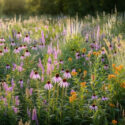
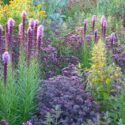
Blooming from early to mid-summer, often continuing into late summer, the flower spikes last for weeks and are highly attractive to pollinators. Deadheading encourages a longer display, though the plant’s natural flowering period is generous even without intervention.
The rounded basal leaves create a tidy, textured mound early in the season. As flowering stalks emerge, the plant provides a lovely contrast of upright stems and broad blooms. Though deciduous, the plant dies down cleanly in fall and reliably returns in spring.
Hardy in USDA Zones 5-9, the plant tolerates cold winters and moderate summer heat, especially when given adequate moisture.
The flowers are particularly rich in nectar and attract bees, butterflies, hoverflies, and hummingbirds. As a member of the mallow family, it is also a host for certain native pollinators in its species range.
Sidalceas are often avoided by deer, although hungry deer may sample young growth. Rabbits may occasionally nibble young shoots but rarely cause significant damage.
The plant prefers consistent moisture, but once established, it can handle short dry periods. It does not thrive in drought-prone gardens unless supplemental watering is provided.
Sidalceas are not known to be toxic to humans or pets.
Sidalcea ‘Elsie Heugh’ is not invasive. It forms controlled clumps and does not aggressively self-seed like true hollyhocks.
Prefers:
Sidalceas are generally trouble-free but may occasionally host:
No. It forms controlled clumps and does not aggressively self-seed like hollyhocks.
Most plants reach 24–30 inches tall with a spread of 18–24 inches
Yes. It is highly attractive to bees, butterflies, hoverflies, and hummingbirds.
Generally yes. Deer tend to avoid the plant, although young shoots may sometimes be sampled.
It blooms from early to mid-summer, often continuing into late summer.
Light shade is tolerated, but full sun provides the strongest flowering and most upright stems.
Most commonly from insufficient sun, overly rich soil, or inconsistent watering.
Provide consistent moisture, especially during active growth and blooming. Avoid drought stress.
Sidalceas are not known to be toxic to humans, dogs, or cats.
Updated: December 2025 • Reviewed by Gardenia Editors
| Hardiness |
5 - 9 |
|---|---|
| Climate Zones | 2, 2A, 2B, 3, 3A, 3B, 4, 5, 6, 7, 8, 9, 14, 15, 16, 17, 18, 19, 20, 21, 22, 23, 24 |
| Plant Type | Perennials |
| Plant Family | Malvaceae |
| Exposure | Full Sun |
| Season of Interest | Summer (Early, Mid, Late) |
| Height | 2' - 3' (60cm - 90cm) |
| Spread | 1' - 2' (30cm - 60cm) |
| Spacing | 24" (60cm) |
| Maintenance | Average |
| Water Needs | Average |
| Soil Type | Chalk, Loam, Sand |
| Soil pH | Acid, Alkaline, Neutral |
| Soil Drainage | Moist but Well-Drained |
| Characteristics | Plant of Merit, Showy |
| Attracts | Bees, Butterflies, Hummingbirds |
| Garden Uses | Beds And Borders |
| Garden Styles | City and Courtyard, Coastal Garden, Informal and Cottage |
| Toxic to Humans | No known toxicity |
| Toxic to Cats | No known toxicity |
| Toxic to Dogs | No known toxicity |
| Toxic to Horses | No known toxicity |


| Hardiness |
5 - 9 |
|---|---|
| Climate Zones | 2, 2A, 2B, 3, 3A, 3B, 4, 5, 6, 7, 8, 9, 14, 15, 16, 17, 18, 19, 20, 21, 22, 23, 24 |
| Plant Type | Perennials |
| Plant Family | Malvaceae |
| Exposure | Full Sun |
| Season of Interest | Summer (Early, Mid, Late) |
| Height | 2' - 3' (60cm - 90cm) |
| Spread | 1' - 2' (30cm - 60cm) |
| Spacing | 24" (60cm) |
| Maintenance | Average |
| Water Needs | Average |
| Soil Type | Chalk, Loam, Sand |
| Soil pH | Acid, Alkaline, Neutral |
| Soil Drainage | Moist but Well-Drained |
| Characteristics | Plant of Merit, Showy |
| Attracts | Bees, Butterflies, Hummingbirds |
| Garden Uses | Beds And Borders |
| Garden Styles | City and Courtyard, Coastal Garden, Informal and Cottage |
| Toxic to Humans | No known toxicity |
| Toxic to Cats | No known toxicity |
| Toxic to Dogs | No known toxicity |
| Toxic to Horses | No known toxicity |
How many Sidalcea ‘Elsie Heugh’ (Checker Bloom) do I need for my garden?
| Plant | Quantity | |
|---|---|---|
| Sidalcea ‘Elsie Heugh’ (Checker Bloom) | N/A | Buy Plants |
Create a membership account to save your garden designs and to view them on any device.
Becoming a contributing member of Gardenia is easy and can be done in just a few minutes. If you provide us with your name, email address and the payment of a modest $25 annual membership fee, you will become a full member, enabling you to design and save up to 25 of your garden design ideas.
Join now and start creating your dream garden!
Create a membership account to save your garden designs and to view them on any device.
Becoming a contributing member of Gardenia is easy and can be done in just a few minutes. If you provide us with your name, email address and the payment of a modest $25 annual membership fee, you will become a full member, enabling you to design and save up to 25 of your garden design ideas.
Join now and start creating your dream garden!