Sweet Box, Himalayan Sweet Box, Hooker’s Sweet Box
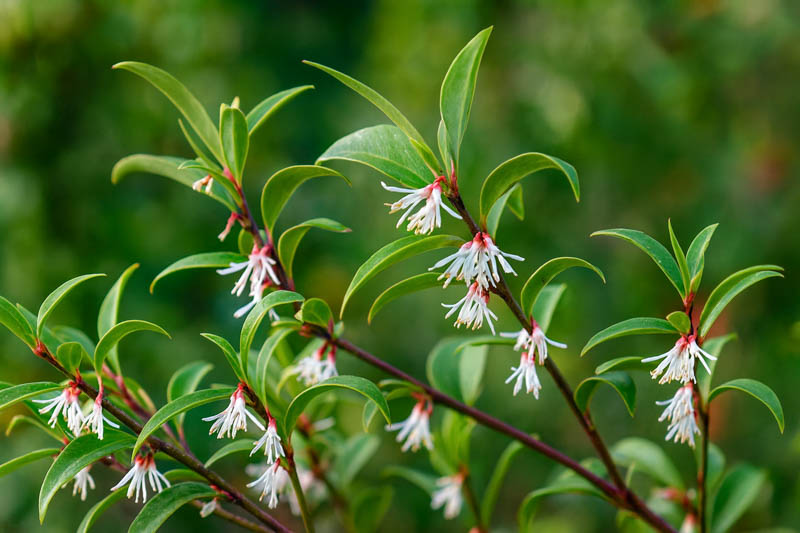
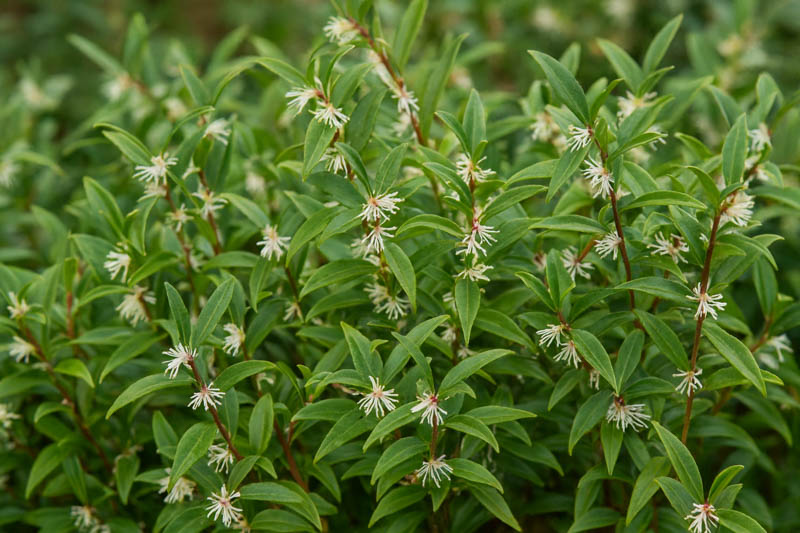


If you have ever wandered through a winter garden and been suddenly stopped in your tracks by an unexpectedly sweet, head turning perfume, there is a good chance you walked past Sarcococca hookeriana, commonly known as Sweet Box. This understated evergreen shrub is a quiet hero of shade gardens, delivering glossy foliage, elegant structure, and delightful fragrance when very few plants dare to bloom. Compact, durable, and beautifully adapted to low light conditions, Sarcococca hookeriana is a go to shrub for gardeners seeking effortless winter charm and year round greenery.
Sarcococca hookeriana thrives in partial to full shade and prefers moist, organically rich, well drained soil. It is wonderfully tolerant of dry shade once established and is prized for its fragrant winter flowers, persistent berries, and lush evergreen foliage. Use it in foundation plantings, shaded borders, woodland gardens, entryways, patios, or as a low informal hedge where its winter fragrance can be easily enjoyed.

Summary: A small, slow growing evergreen shrub with arching stems, rich green leaves, and intensely fragrant winter flowers.
Use: Shade gardens, woodland edges, foundation beds, winter fragrance plantings, containers, low hedges, entry gardens.
Highlight: Highly perfumed winter flowers, glossy evergreen foliage, and ornamental berries that persist into spring.
Note: Best fragrance performance occurs when shrubs are planted near doors, walkways, or patios where the scent can be enjoyed up close.
| Botanical Name | Sarcococca hookeriana (including subspecies and cultivars such as S. hookeriana var. humilis and S. hookeriana var. digyna) |
|---|---|
| Family | Buxaceae (Boxwood family) |
| Common Names | Sweet Box, Himalayan Sweet Box, Christmas Box |
| Native Range | Native to the warm temperate forests of the Himalayas and western China, often found in shaded, moist woodland habitats. |
| Plant Type and Habit | Evergreen shrub with a compact, rounded or gently arching habit, spreading slowly by suckers to form colonies. |
| Hardiness (approx. USDA) | Zones 5 to 8, depending on variety. Some forms tolerate colder microclimates with protection. |
| Size | Typically 4 to 5 ft. tall (120 to 150 cm) and 5 to 6 ft. wide (150 to 180 cm), with dwarf forms staying smaller. |
| Sun and Exposure | Best in part to full shade. Avoid hot, dry, full sun which can scorch foliage. |
| Soil | Thrives in moist, organically rich, well drained soil. Handles dry shade once established but appreciates regular moisture. |
| Seasonal Interest | Mid to late winter fragrant blooms, glossy evergreen foliage year round, and shiny black or red berries that persist into spring. |
| Primary Uses | Shade borders, foundation plantings, winter fragrance areas, woodland gardens, hedges, and containers. |
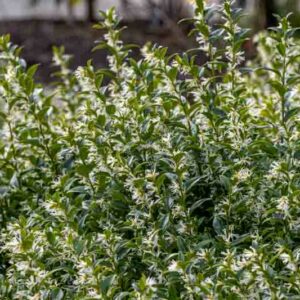
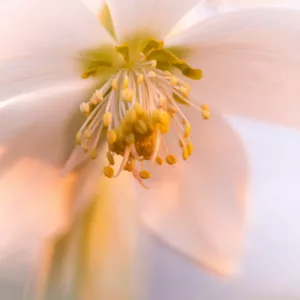
Sarcococca hookeriana is a compact evergreen shrub prized for its glossy foliage and surprising winter blooms. The leaves are long, slender, and lustrous green, giving the shrub a refined and polished appearance in every season. While the flowers are small and understated, their fragrance is anything but subtle. In mid to late winter, slender clusters of creamy white or pale pink flowers release a powerful scent reminiscent of sweet vanilla or honeyed jasmine.
This unforgettable aroma carries on the breeze, making the plant a true sensory highlight in the coldest months. Because the flowers are not showy, gardeners often enjoy the fun of watching guests look around in delight, searching for the source of such a lovely winter perfume.
Sarcococca hookeriana is native to the Himalayan foothills and western China, where it grows naturally in the shade of forested slopes and moist woodland understories. These origins explain its love of cool, shaded, humus rich environments and its ability to thrive where many shrubs struggle for moisture and light.
Sweet Box is generally slow growing, which makes it an ideal shrub for small gardens, courtyards, and foundation beds. It spreads gradually by underground suckers, forming attractive clumps that stay neat and controlled. Most varieties reach 2 to 4 ft. tall and slightly wider, though some forms such as Sarcococca hookeriana var. digyna produce elegant arching stems that add height and movement to shaded borders.
Winter is the star season for Sarcococca hookeriana. Flowers typically appear from January through March, depending on climate. The blossoms may be small, but their fragrance is legendary, spreading through cold air and brightening even the grayest winter day. After flowering, small glossy berries develop, ranging from deep black to rich red depending on variety. These berries persist into spring and add charm to the quiet season.
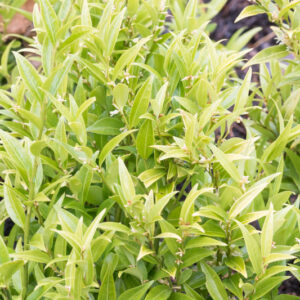
The evergreen foliage provides structure and beauty all year long. Leaves are typically narrow, tapering, and leathery, arranged alternately along gracefully arching stems. Their glossy surface reflects light beautifully in shady spaces, brightening dark corners and adding elegance to woodland plantings.
Most varieties thrive in USDA Zones 5 to 8. In colder climates, mulch and shelter from winter winds can help protect foliage. Sweet Box excels in cool, humid regions, though it also adapts well to drier shade once established.
While not a primary wildlife plant, Sweet Box offers early nectar sources for winter pollinators and shelter within its evergreen foliage. Birds may occasionally nibble the berries, though they are not a primary food source.
Low maintenance and generally deer resistant, Sarcococca hookeriana is a durable choice for gardens with wildlife pressure. Rabbits may browse tender new shoots in early spring, but established plants are rarely bothered.
Though happiest in moist soil, Sweet Box is well known for its ability to endure dry shade once mature. It is increasingly used beneath trees, where root competition limits other shrubs.
Sarcococca hookeriana is considered non toxic to humans and pets, though the berries are not considered edible and may cause mild stomach upset if consumed.
Suckering is gentle and manageable. Sweet Box is not considered invasive and expands slowly enough to remain controlled with minimal attention.
Gardeners choose Sarcococca hookeriana for its winter fragrance, evergreen structure, adaptability to deep shade, ease of maintenance, and graceful presence. It is one of the few shrubs that shines brightest in winter and remains quietly attractive the rest of the year.
Sweet Box prefers:
It performs well in clay amended with organic matter and is tolerant of heavy competition from tree roots.
Sarcococca hookeriana is nearly maintenance free. Its tidy habit requires only occasional attention.
Sweet Box is generally trouble free, especially in shade and well drained soil. However, a few issues can arise in stressful conditions.
Scale insects, aphids, and whiteflies may appear on stressed plants. These are typically minor and controlled with horticultural oils, improved watering, or increased airflow.
Most disease issues stem from poor drainage.
Sarcococca hookeriana is best known for its intensely fragrant winter flowers, glossy evergreen foliage, and its ability to thrive in deep to moderate shade. It is a low maintenance shrub that provides reliable structure and winter interest in shaded gardens.
Most forms of Sarcococca hookeriana grow 2 to 4 feet tall and 3 to 5 feet wide. Some varieties are more compact, while others have graceful arching stems that can reach 5 feet in height.
Sarcococca hookeriana blooms in mid to late winter, usually from January to March depending on climate. The flowers are small and pale, but they release a remarkably strong, sweet fragrance.
Yes. Sarcococca hookeriana is generally considered deer resistant. Its tough, leathery evergreen leaves are not favored by deer or rabbits, though young plants may need protection in areas with heavy browsing pressure.
Absolutely. Sarcococca hookeriana thrives in full shade and is one of the best evergreen shrubs for dark, difficult areas of the garden. It also adapts to part shade but should be protected from strong afternoon sun.
Once established, Sarcococca hookeriana is impressively tolerant of dry shade, especially under trees. However, it performs best with regular moisture and mulched, humus rich soil.
Sarcococca hookeriana is slow growing, which contributes to its neat, compact form. Its controlled growth rate makes it ideal for foundation plantings and small gardens.
Prune Sarcococca hookeriana lightly after flowering to maintain shape. It rarely needs heavy pruning. Remove dead or damaged stems in early spring and trim back suckers if you prefer a tighter clump.
No. Sarcococca hookeriana spreads slowly by suckers but is not considered invasive. Growth is easy to control by removing unwanted shoots.
Sarcococca hookeriana is not known to be toxic to humans or pets, though the berries should not be eaten. They may cause mild stomach upset if ingested.
Updated: December 2025 • Reviewed by Gardenia Editors
| Hardiness |
5 - 8 |
|---|---|
| Heat Zones |
6 - 9 |
| Climate Zones | 3, 4, 5, 6, 7, 8, 9, 14, 15, 16, 17, 18, 19, 20, 21, 22, 23, 24 |
| Plant Type | Shrubs |
| Plant Family | Buxaceae |
| Genus | Sarcococca |
| Common names | Sweet Box |
| Exposure | Partial Sun, Shade |
| Season of Interest | Spring (Early), Winter |
| Height | 4' - 5' (120cm - 150cm) |
| Spread | 5' - 6' (150cm - 180cm) |
| Spacing | 60" - 72" (150cm - 180cm) |
| Maintenance | Low |
| Water Needs | Average |
| Soil Type | Chalk, Clay, Loam, Sand |
| Soil pH | Acid, Alkaline, Neutral |
| Soil Drainage | Moist but Well-Drained |
| Characteristics | Fragrant, Showy, Evergreen, Fruit & Berries |
| Tolerances | Full Shade, Deer, Heat |
| Garden Uses | Banks And Slopes, Beds And Borders, Hedges And Screens, Patio And Containers |
| Garden Styles | City and Courtyard, Informal and Cottage, Traditional Garden |
| Toxic to Humans | No known toxicity |
| Toxic to Cats | No known toxicity |
| Toxic to Dogs | No known toxicity |
| Toxic to Horses | No known toxicity |


| Hardiness |
5 - 8 |
|---|---|
| Heat Zones |
6 - 9 |
| Climate Zones | 3, 4, 5, 6, 7, 8, 9, 14, 15, 16, 17, 18, 19, 20, 21, 22, 23, 24 |
| Plant Type | Shrubs |
| Plant Family | Buxaceae |
| Genus | Sarcococca |
| Common names | Sweet Box |
| Exposure | Partial Sun, Shade |
| Season of Interest | Spring (Early), Winter |
| Height | 4' - 5' (120cm - 150cm) |
| Spread | 5' - 6' (150cm - 180cm) |
| Spacing | 60" - 72" (150cm - 180cm) |
| Maintenance | Low |
| Water Needs | Average |
| Soil Type | Chalk, Clay, Loam, Sand |
| Soil pH | Acid, Alkaline, Neutral |
| Soil Drainage | Moist but Well-Drained |
| Characteristics | Fragrant, Showy, Evergreen, Fruit & Berries |
| Tolerances | Full Shade, Deer, Heat |
| Garden Uses | Banks And Slopes, Beds And Borders, Hedges And Screens, Patio And Containers |
| Garden Styles | City and Courtyard, Informal and Cottage, Traditional Garden |
| Toxic to Humans | No known toxicity |
| Toxic to Cats | No known toxicity |
| Toxic to Dogs | No known toxicity |
| Toxic to Horses | No known toxicity |
How many Sarcococca hookeriana (Sweet Box) do I need for my garden?
| Plant | Quantity | |
|---|---|---|
| Sarcococca hookeriana (Sweet Box) | N/A | Buy Plants |
Create a membership account to save your garden designs and to view them on any device.
Becoming a contributing member of Gardenia is easy and can be done in just a few minutes. If you provide us with your name, email address and the payment of a modest $25 annual membership fee, you will become a full member, enabling you to design and save up to 25 of your garden design ideas.
Join now and start creating your dream garden!
Create a membership account to save your garden designs and to view them on any device.
Becoming a contributing member of Gardenia is easy and can be done in just a few minutes. If you provide us with your name, email address and the payment of a modest $25 annual membership fee, you will become a full member, enabling you to design and save up to 25 of your garden design ideas.
Join now and start creating your dream garden!