Common names: Common Purslane, Garden Purslane, Green Purslane, Little Hogweed, Pusley, Pusley Weed, Wild Portulaca, Verdolaga, Portulaca neglecta, Portulaca retusa
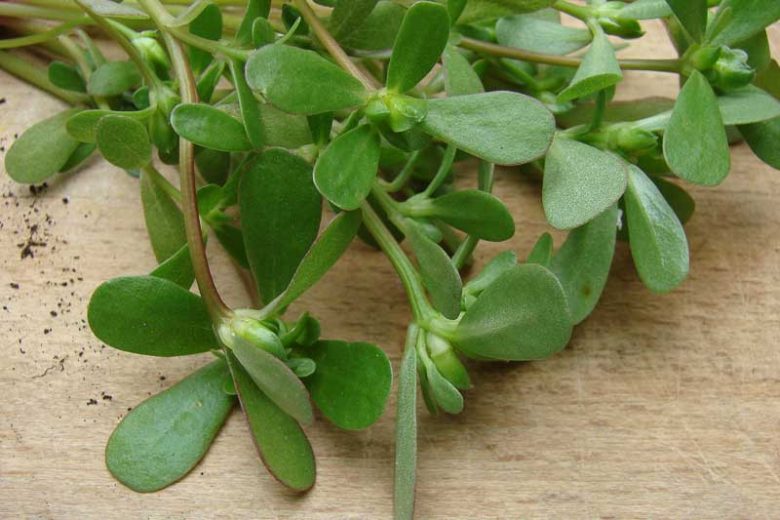


Portulaca oleracea, widely known as Purslane or Common Purslane, is an ancient herbaceous annual grown and gathered for more than 4,000 years as both a nutritious food and a medicinal plant. This remarkably tough succulent thrives where other plants fail – poor soils, heat, drought, and blazing sun – yet offers crisp edible leaves, cheerful yellow blooms, and vigorous low-growing coverage.
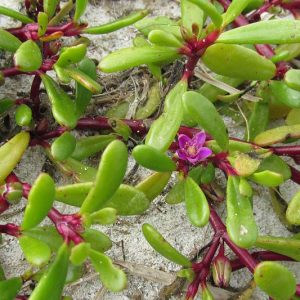
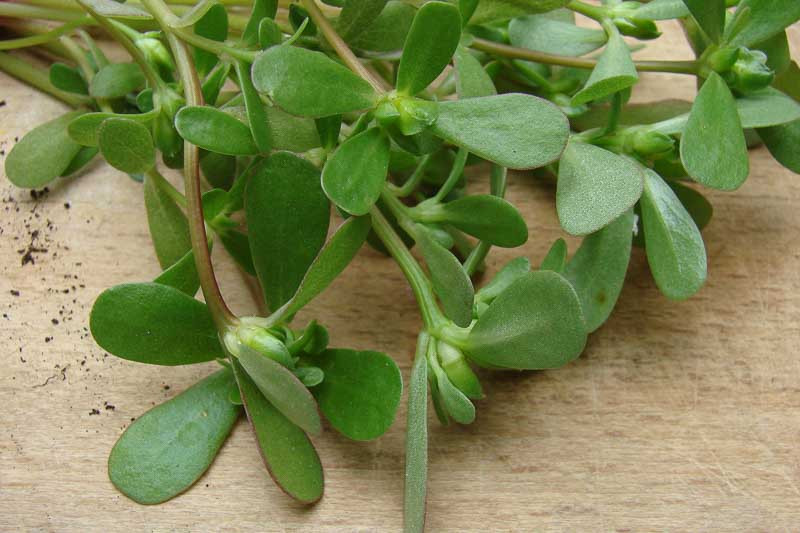
With its smooth reddish stems, fleshy spoon-shaped leaves, and tiny yellow flowers, Purslane spreads into a dense, mat-forming carpet that hugs the ground. Its leaves are packed with nutrients and antioxidants. The entire plant is edible, crunchy, tangy, and refreshing – loved in salads, soups, and global cuisines. Low-maintenance and astonishingly resilient, Portulaca oleracea is both a culinary treasure and a valuable summer ground cover for hot, dry landscapes.
Summary: A fast-growing, edible annual succulent with crisp, fleshy leaves and small yellow flowers.
Use: Edible plant, drought-tolerant ground cover, container filler, culinary herb.
Highlight: Exceptionally rich in nutrients, especially omega-3 fatty acids and antioxidants.
Note: Thrives in full sun and tolerates poor soils, heat, and drought.
| Botanical Name | Portulaca oleracea |
|---|---|
| Family | Portulacaceae |
| Common Names | Purslane, Common Purslane, Little Hogweed |
| Native Range | North Africa, the Middle East, and the Indian Subcontinent. |
| Plant Type and Habit | Annual succulent forming low, sprawling mats of branching red stems and thick, oval leaves. |
| Hardiness (approx. USDA) | Grown as an annual in all USDA Zones. |
| Size | Typically 2-3 in. tall (5-7 cm) and up to 18 in. wide (45 cm). |
| Sun and Exposure | Thrives in full sun; tolerates light shade but grows less vigorously. |
| Soil | Well-drained soils of any type; tolerates poor, sandy, or compacted soils and dry conditions. |
| Seasonal Interest | Summer foliage and bloom, peak harvest mid-season, and self-seeding late summer. |
| Primary Uses | Culinary herb, edible green, ground cover, medicinal use, container edging. |
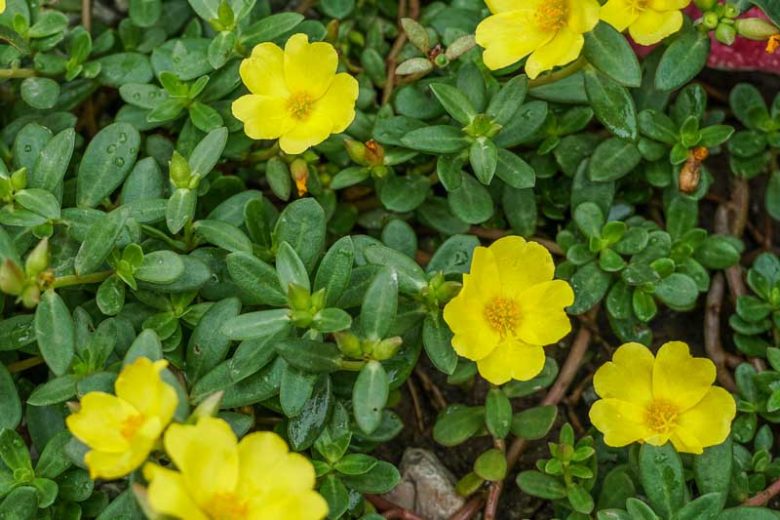
Portulaca oleracea is a fast-spreading annual succulent with smooth, reddish, trailing stems and thick, juicy leaves. The plant forms a ground-hugging mat and produces tiny yellow flowers, each lasting only a few hours in bright morning sun. After flowering, small pods release large quantities of shiny black seeds, enabling effortless self-reseeding.
The edible leaves are crisp, mildly lemony, and refreshing, excellent raw or cooked in a wide range of dishes.
Purslane originates from North Africa, the Middle East, and the Indian subcontinent. From there it spread globally, thriving in warm climates, disturbed soils, and cultivated fields. It is now naturalized in most temperate and tropical regions.
Purslane grows rapidly in warm weather, forming sprawling mats only a few inches tall but up to 18 inches wide. Stems root wherever they touch moist soil, and leaves cluster at stem joints, giving the plant a dense, succulent appearance.
Once established, it requires minimal care and little water, making it a reliable edible or ground cover in low-resource gardens.
Purslane produces small, bright yellow flowers from early summer through late fall. Each flower opens for a short period, typically in the morning, and closes by afternoon. Although tiny, the blooms add charm to the dense foliage mats.
The foliage is the plant’s primary feature: thick, crisp, succulent leaves with a glossy sheen, ideal for salads and culinary use. The plants stay fresh and green even during extreme heat, offering reliable summer interest when other greens collapse.
As a warm-season annual, Portulaca oleracea is grown in all USDA zones but dies back with frost. Seeds survive winter and germinate when soil warms.
Purslane seeds are eaten by sparrows, finches, and prairie deer mice. Deer and pigs forage on the leaves. Sawflies and other insects feed on foliage or mine inside leaves. Despite this, Purslane typically remains vigorous.
Purslane is generally not deer resistant. Many browsing animals enjoy the succulent leaves, although its rapid regrowth often compensates for nibbling.
One of Purslane’s greatest strengths is its exceptional drought tolerance. Its succulent tissues store water, allowing it to thrive in dry sites, neglected corners, and poor soils where other annuals fail.
Purslane can be considered invasive in disturbed soils and agricultural settings because of its prolific seed production and rapid growth. For regional details, see: Find where this species is invasive in the United States.
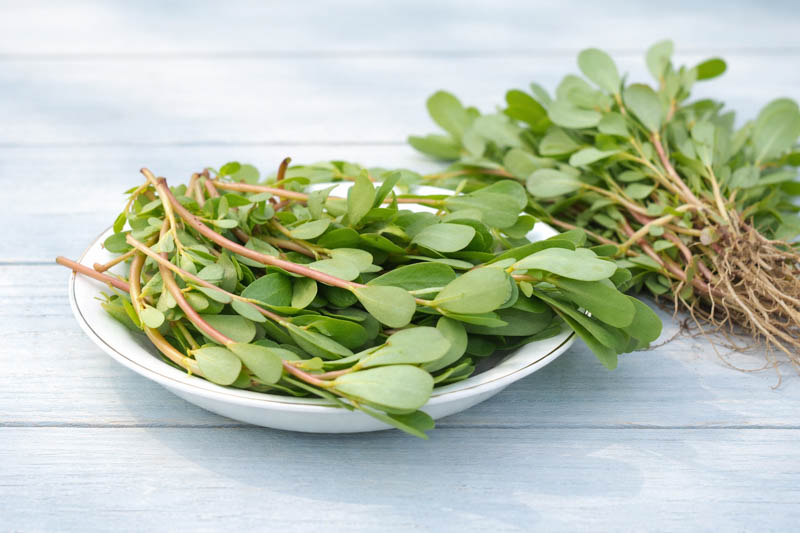
Purslane has earned global recognition as a nutrient-dense “supergreen,” valued for thousands of years in traditional medicine and modern nutrition studies. It stands out among leafy vegetables for its unusually rich nutrient profile. Whether enjoyed fresh, cooked, or blended into smoothies, Purslane delivers exceptional wellness benefits.
Purslane contains one of the highest concentrations of omega-3 fatty acids (ALA) found in leafy vegetables, particularly beneficial for heart and brain health. These essential fats help reduce inflammation, support cognitive function, and contribute to a balanced diet for vegetarians and vegans who may lack marine-based omega-3s.
This trio of vitamins makes Purslane an excellent plant-based antioxidant source.
Purslane provides a balanced supply of essential minerals that support heart function, muscle strength, bone density, and red blood cell formation. Its potassium-to-sodium ratio is especially favorable for maintaining healthy blood pressure levels.
Purslane contains numerous protective phytochemicals including beta-carotene, glutathione, melatonin, and betalains. These antioxidants support cellular repair, reduce oxidative stress, and help protect the body from chronic inflammation.
The plant’s succulent leaves store water and contain natural mucilage, which can help soothe the digestive tract, support regularity, and assist hydration, particularly valuable in hot climates where Purslane naturally thrives.
Purslane is naturally low in calories but high in dietary fiber, making it an excellent addition to weight-conscious diets. Its fresh texture adds volume and crunch to meals without adding heaviness, while its tangy flavor enhances salads without additional salt or fats.
Early studies suggest Purslane may have a positive impact on blood sugar regulation due to its fiber, antioxidants, and plant compounds that may support insulin sensitivity. More research is underway, but traditional medicine has long used Purslane for this purpose.
Purslane contains oxalates, which contribute to its tangy flavor but may be unsuitable for individuals prone to kidney stones. Light cooking, blanching, or pairing with calcium-rich foods can help reduce oxalate absorption.
Purslane is one of the most versatile wild and garden greens you can bring to the table. Its crisp, lemony leaves shine in fresh salads and chopped salsas, where they add tang and crunch alongside tomatoes, cucumbers, and onions. Gently simmered, it slips easily into rustic soups and stews, thickening the broth slightly and softening like spinach. In many traditional cuisines, Purslane is folded into egg dishes such as omelets and frittatas, or stirred into yogurt sauces and dips where its acidity balances creamy textures. It also makes a distinctive ingredient for pickles and relishes, where the succulent stems absorb brine beautifully and provide a satisfying bite.
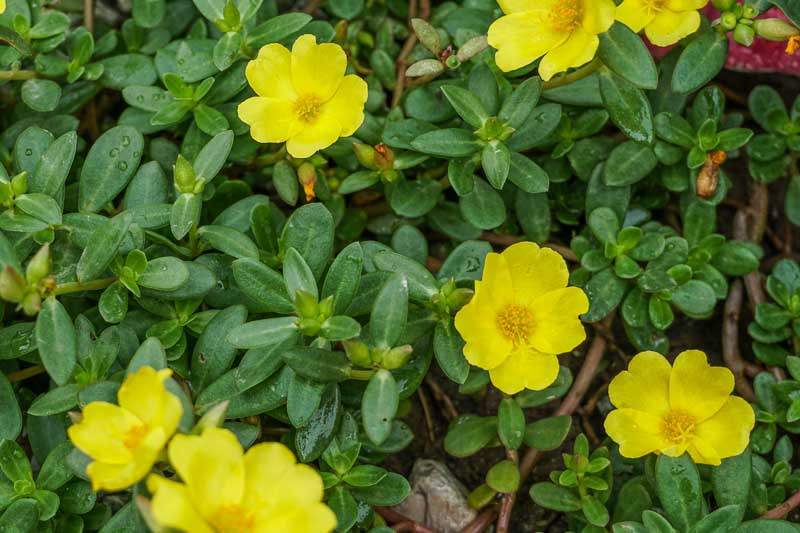
Purslane needs no fertilizer. Excess nutrients create lush foliage with diluted flavor.
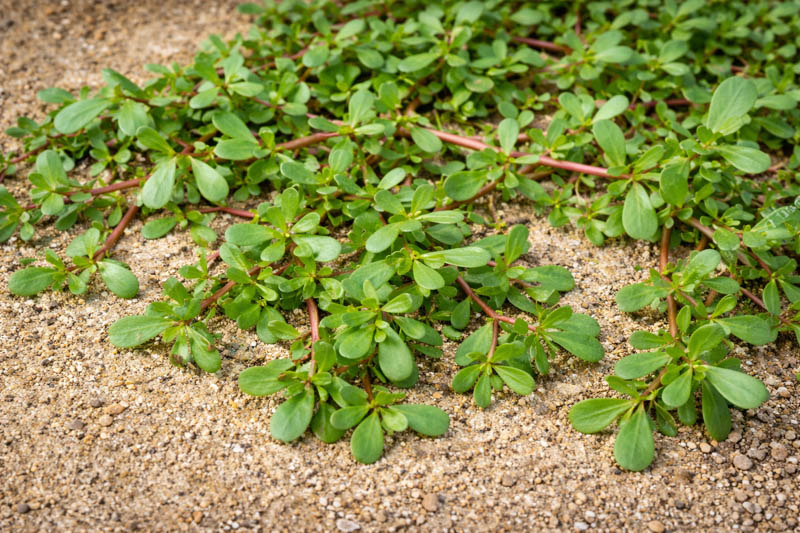
Purslane is generally resilient, but a few pests may appear under certain conditions:
Portulaca oleracea, commonly known as Purslane or Common Purslane, is a low-growing annual succulent with reddish stems and fleshy, spoon-shaped leaves. It forms dense mats close to the ground and produces small yellow flowers. Purslane is both an edible plant and a common volunteer weed in gardens and cultivated fields.
Yes. Purslane is edible and widely eaten as a leafy vegetable in many cultures. The leaves and young stems are safe for human consumption when properly identified and harvested from clean, uncontaminated areas. However, it should not be fed to pets such as cats, dogs, or horses, as it can be toxic to them.
Purslane has a pleasantly crisp, succulent texture with a mild, lemony, slightly salty flavor. The taste is refreshing and works well in salads, sandwiches, and as a garnish. Cooked, it becomes softer and blends easily into soups, stews, and egg dishes.
Purslane is considered a superfood because it combines very high nutrient density with low calories. It is rich in omega-3 fatty acids (especially alpha-linolenic acid), vitamins A, C, and E, and several minerals such as magnesium, potassium, and iron. It also contains antioxidants and anti-inflammatory plant compounds, giving it an unusually strong nutritional profile for a leafy green.
Most above-ground parts of Purslane are edible, including the leaves, young stems, and tender shoot tips. The leaves are the most commonly used part because they are easy to harvest and have the best texture. Older stems can become fibrous but are still edible when chopped or cooked.
Yes. Purslane can be eaten raw and is often enjoyed that way. The raw leaves and stems add crunch and a lemony note to salads, salsas, sandwiches, and cold dishes. Rinse well before eating, and harvest from areas that have not been sprayed with herbicides or exposed to contaminants.
Purslane can be sautéed, steamed, added to soups and stews, or cooked with eggs and grains. It behaves somewhat like spinach or watercress when cooked, becoming softer and more mellow in flavor. In many traditional cuisines, Purslane is used in omelets, lentil dishes, yogurt-based sauces, and tomato stews.
Purslane is an annual plant, but it often appears to come back on its own. It produces large numbers of small seeds that can survive in the soil and germinate when conditions are warm. Once it is established in a garden, it commonly returns each summer without replanting, thanks to self-seeding.
Purslane can behave invasively in disturbed soils and agricultural fields because it grows quickly and produces many seeds. In some regions it is listed as a weed of concern in cropping systems. In home gardens, it is easy to manage with regular weeding, harvesting, and mulching exposed soil to prevent seedling emergence.
Yes. Purslane is well-suited to drought-prone gardens. As a succulent, it stores water in its leaves and stems, allowing it to survive and stay lush in hot, dry conditions where many leafy vegetables fail. It is a strong choice for low-water, sun-baked spots and dry, sandy soils.
Purslane can be toxic to some animals, including cats, dogs, and horses, because it contains soluble oxalates. Ingesting large amounts can contribute to digestive upset or more serious health issues in susceptible animals. For safety, keep pets from grazing on Purslane and consult a veterinarian if ingestion is suspected.
Purslane has smooth, reddish, branching stems that are often prostrate and form mats. The leaves are thick, fleshy, and spoon-shaped, arranged alternately or in clusters at the tips of stems. The small yellow flowers have five petals and open in bright light. A key feature is that the stems are smooth and juicy, not hairy. When in doubt, consult a reliable plant ID resource or local extension before eating any wild plant.
To control Purslane, remove young plants before they set seed and avoid letting mature plants go to seed. Mulch bare soil to block light and reduce seed germination. Hand-weed carefully on dry days and remove plants completely, including stems, as broken pieces can sometimes root. Avoid frequent shallow cultivation that brings buried seeds to the surface.
Updated: December 2025 • Reviewed by Gardenia Editors
| Hardiness |
2 - 12 |
|---|---|
| Climate Zones | 1, 1A, 1B, 2, 2A, 2B, 3, 3A, 3B, 4, 5, 6, 7, 8, 9, 10, 11, 12, 13, 14, 15, 16, 17, 18, 19, 20, 21, 22, 23, 24, A1, A2, A3, H1, H2 |
| Plant Type | Annuals, Cactus & Succulents, Herbs |
| Plant Family | Portulacaceae |
| Genus | Portulaca |
| Common names | Purslane |
| Exposure | Full Sun |
| Season of Interest | Spring (Late), Summer (Early, Mid, Late), Fall |
| Height | 2" - 3" (5cm - 8cm) |
| Spread | 1' - 2' (30cm - 60cm) |
| Spacing | 18" (50cm) |
| Maintenance | Low |
| Water Needs | Average |
| Soil Type | Chalk, Clay, Loam, Sand |
| Soil pH | Acid, Alkaline, Neutral |
| Soil Drainage | Moist but Well-Drained, Well-Drained |
| Tolerances | Drought, Heat |
| Garden Styles | Informal and Cottage |
| Toxic to Humans | No known toxicity |
| Toxic to Cats | Toxic |
| Toxic to Dogs | Toxic |
| Toxic to Horses | Toxic |


| Hardiness |
2 - 12 |
|---|---|
| Climate Zones | 1, 1A, 1B, 2, 2A, 2B, 3, 3A, 3B, 4, 5, 6, 7, 8, 9, 10, 11, 12, 13, 14, 15, 16, 17, 18, 19, 20, 21, 22, 23, 24, A1, A2, A3, H1, H2 |
| Plant Type | Annuals, Cactus & Succulents, Herbs |
| Plant Family | Portulacaceae |
| Genus | Portulaca |
| Common names | Purslane |
| Exposure | Full Sun |
| Season of Interest | Spring (Late), Summer (Early, Mid, Late), Fall |
| Height | 2" - 3" (5cm - 8cm) |
| Spread | 1' - 2' (30cm - 60cm) |
| Spacing | 18" (50cm) |
| Maintenance | Low |
| Water Needs | Average |
| Soil Type | Chalk, Clay, Loam, Sand |
| Soil pH | Acid, Alkaline, Neutral |
| Soil Drainage | Moist but Well-Drained, Well-Drained |
| Tolerances | Drought, Heat |
| Garden Styles | Informal and Cottage |
| Toxic to Humans | No known toxicity |
| Toxic to Cats | Toxic |
| Toxic to Dogs | Toxic |
| Toxic to Horses | Toxic |
How many Portulaca oleracea (Purslane) do I need for my garden?
| Plant | Quantity | |
|---|---|---|
| Portulaca oleracea (Purslane) | N/A | Buy Plants |
Create a membership account to save your garden designs and to view them on any device.
Becoming a contributing member of Gardenia is easy and can be done in just a few minutes. If you provide us with your name, email address and the payment of a modest $25 annual membership fee, you will become a full member, enabling you to design and save up to 25 of your garden design ideas.
Join now and start creating your dream garden!
Create a membership account to save your garden designs and to view them on any device.
Becoming a contributing member of Gardenia is easy and can be done in just a few minutes. If you provide us with your name, email address and the payment of a modest $25 annual membership fee, you will become a full member, enabling you to design and save up to 25 of your garden design ideas.
Join now and start creating your dream garden!