Japanese Star Anise, Japanese Anise, Anise Shrub


Illicium anisatum, also known as Japanese star anise, might look like its culinary cousin, but don’t be fooled—this plant is all show and no spice. With its star-shaped seed pods and evergreen foliage, it adds dramatic interest to shaded gardens. However, unlike the edible Chinese star anise, this variety is highly toxic and should never be consumed.
The Illicium genus belongs to the Schisandraceae family and includes notable species such as star anise (Chinese star anise) and Florida anise.
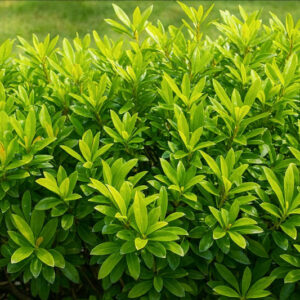
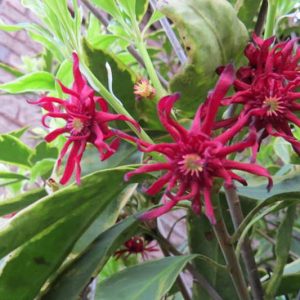
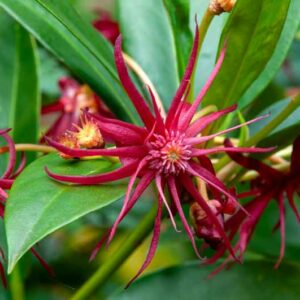
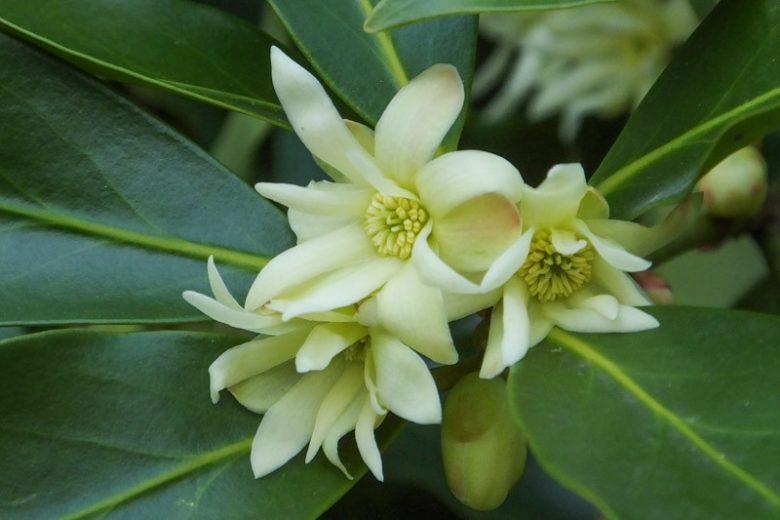
Japanese star anise is a slow-growing, ornamental evergreen shrub or small tree with glossy, dark green leaves and pale yellow, fragrant flowers. Its signature star-shaped fruits resemble those of edible star anise but contain potent toxins like anisatin, making it unsafe for culinary use.
Native to Japan and parts of China, Illicium anisatum has long been used in traditional rituals and as incense, especially in Japanese temples. Its aromatic qualities make it valuable for non-edible applications.
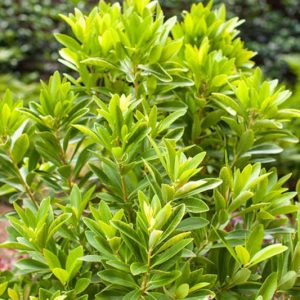
This plant is a medium-sized evergreen shrub or small tree with a naturally conical habit, ideal for adding structure, fragrance, and evergreen interest to shaded gardens or woodland borders.
It typically grows 6–15 feet (2–4.5 meters) tall and wide, making it well-suited for mid-sized garden spaces, hedging, or as part of a mixed shrub border.
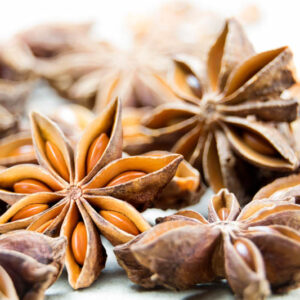
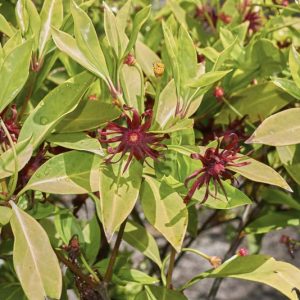
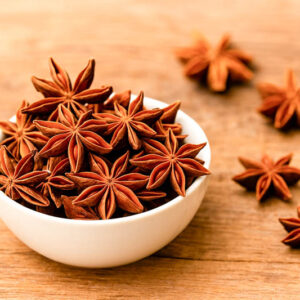
Flowers appear in spring and are creamy yellow with a subtle spicy scent. Each bloom measures about 1 inch (2.5 cm) across and may have 20–30 narrow petals, clustered in the leaf axils. These are followed by hard, brown, star-shaped seed pods—visually similar to those of edible star anise, but strictly ornamental due to their toxicity. Unlike anise or Illicium verum, they are not safe for consumption.
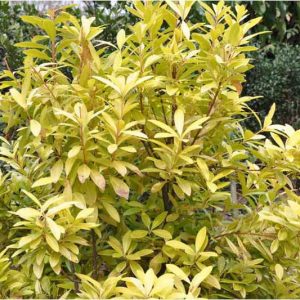
The evergreen leaves are leathery, lance-shaped, and typically 4–6 inches (10–15 cm) long. They are arranged alternately or in tight clusters at the ends of branches, forming a dense, bushy canopy. The upper surface is glossy dark green, while the underside is paler and emits a faint spicy scent when crushed.
With its year-round foliage, subtle fragrance, and lush texture, Japanese star anise is a beautiful addition to woodland gardens, shaded borders, and foundation plantings.
Illicium anisatum thrives in USDA hardiness zones 7-9. It prefers a sheltered spot with partial to full shade and moist, acidic soil. Though evergreen, it is sensitive to frost and may suffer damage in colder climates. In marginal zones, consider growing it in containers that can be protected in winter.
Japanese star anise is grown primarily for ornamental purposes. Its glossy foliage, fragrant flowers, and distinctive star-shaped fruit add year-round interest to shaded gardens and woodland borders. In Japan, it is traditionally used as incense in religious ceremonies. However, due to its toxicity, it should never be used for culinary or medicinal purposes. Which Anise Is Right for Your Recipe? Find Out Here
Japanese star anise is not a major attractant for pollinators, but its fragrant flowers may draw the occasional insect visitor. Due to its toxicity, most animals avoid browsing it, making it a relatively low-maintenance choice for gardens where wildlife nibbling is a concern.
Thanks to its bitter taste and toxic compounds, Illicium anisatum is generally deer and rabbit-resistant. Gardeners in areas with heavy browsing pressure may appreciate this shrub as a beautiful but unappetizing option for local wildlife.
Japanese star anise (Illicium anisatum) and other non-edible Illicium species are highly toxic to humans. All parts of the plant, especially the seeds, contain sesquiterpene lactones that can cause serious neurological effects.
Do not ingest any part of the Japanese star anise plant. It should be kept well away from edible gardens, children, and pets. Always ensure you are using Chinese star anise (Illicium verum) for culinary purposes, as it is the only safe, non-toxic variety in this genus.
Japanese star anise is not considered invasive. It grows slowly and stays well-behaved in cultivated settings. While it self-seeds occasionally, it does not aggressively spread or outcompete native plants.
Japanese star anise is a striking ornamental evergreen shrub valued for its glossy foliage, fragrant flowers, and star-shaped seed pods. While it may resemble its edible cousin, it is not grown for culinary use due to its toxicity. With the right care, it adds structure and year-round interest to shaded gardens.
Unlike Chinese star anise, Japanese star anise should never be consumed.
Yes—container growing is a great option, especially in cooler climates where winter protection is necessary. Its slow growth and compact size make it ideal for patios or shaded balconies.
While Japanese star anise is not grown for culinary use, it can still be propagated for its ornamental value. Whether starting from seed or cuttings, patience and the right conditions are key to success.
| Hardiness |
7 - 9 |
|---|---|
| Heat Zones |
7 - 9 |
| Climate Zones | 4, 5, 6, 7, 8, 9, 14, 15, 16, 17, 18, 19, 20, 21, 22, 23, 24 |
| Plant Type | Shrubs, Trees |
| Plant Family | Schisandraceae |
| Genus | Illicium |
| Exposure | Partial Sun, Shade |
| Season of Interest | Spring (Early, Mid, Late), Summer (Early, Mid, Late), Fall, Winter |
| Height | 6' - 15' (180cm - 4.6m) |
| Spread | 6' - 15' (180cm - 4.6m) |
| Spacing | 72" - 180" (180cm - 4.6m) |
| Maintenance | Low |
| Water Needs | Average |
| Soil Type | Loam, Sand |
| Soil pH | Acid, Neutral |
| Soil Drainage | Moist but Well-Drained |
| Characteristics | Fragrant, Showy, Evergreen |
| Tolerances | Deer, Rabbit, Full Shade, Wet Soil, Heat, Erosion |
| Garden Uses | Wall-Side Borders |
| Garden Styles | City and Courtyard, Coastal Garden, Informal and Cottage, Mediterranean Garden |
| Toxic to Humans | High severity |
| Toxic to Cats | Toxic |
| Toxic to Dogs | Toxic |
| Toxic to Horses | Toxic |


| Hardiness |
7 - 9 |
|---|---|
| Heat Zones |
7 - 9 |
| Climate Zones | 4, 5, 6, 7, 8, 9, 14, 15, 16, 17, 18, 19, 20, 21, 22, 23, 24 |
| Plant Type | Shrubs, Trees |
| Plant Family | Schisandraceae |
| Genus | Illicium |
| Exposure | Partial Sun, Shade |
| Season of Interest | Spring (Early, Mid, Late), Summer (Early, Mid, Late), Fall, Winter |
| Height | 6' - 15' (180cm - 4.6m) |
| Spread | 6' - 15' (180cm - 4.6m) |
| Spacing | 72" - 180" (180cm - 4.6m) |
| Maintenance | Low |
| Water Needs | Average |
| Soil Type | Loam, Sand |
| Soil pH | Acid, Neutral |
| Soil Drainage | Moist but Well-Drained |
| Characteristics | Fragrant, Showy, Evergreen |
| Tolerances | Deer, Rabbit, Full Shade, Wet Soil, Heat, Erosion |
| Garden Uses | Wall-Side Borders |
| Garden Styles | City and Courtyard, Coastal Garden, Informal and Cottage, Mediterranean Garden |
| Toxic to Humans | High severity |
| Toxic to Cats | Toxic |
| Toxic to Dogs | Toxic |
| Toxic to Horses | Toxic |
How many Illicium anisatum (Japanese Star Anise) do I need for my garden?
| Plant | Quantity | |
|---|---|---|
| Illicium anisatum (Japanese Star Anise) | N/A | Buy Plants |
Create a membership account to save your garden designs and to view them on any device.
Becoming a contributing member of Gardenia is easy and can be done in just a few minutes. If you provide us with your name, email address and the payment of a modest $25 annual membership fee, you will become a full member, enabling you to design and save up to 25 of your garden design ideas.
Join now and start creating your dream garden!
Create a membership account to save your garden designs and to view them on any device.
Becoming a contributing member of Gardenia is easy and can be done in just a few minutes. If you provide us with your name, email address and the payment of a modest $25 annual membership fee, you will become a full member, enabling you to design and save up to 25 of your garden design ideas.
Join now and start creating your dream garden!