Prickly Heath, Chaura, Murtillo, Chilean Pernettya, Lily Of The Valley Tree, Pink Snowdrop, Arbutus mucronata, Pernettya mucronata, Pernettya speciosa, Brossaea mucronata
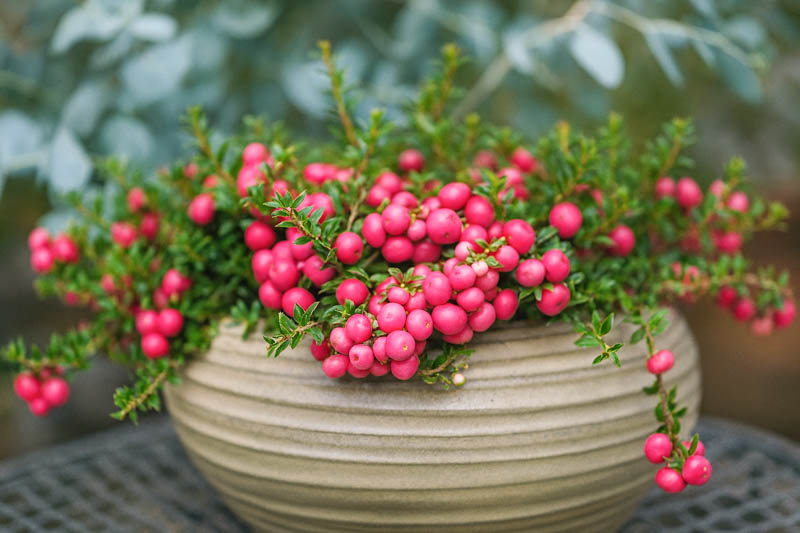


If you love plants that behave like living jewelry, Gaultheria mucronata is hard to beat. Often called prickly heath or chaurí berry, this compact evergreen shrub produces dense foliage all year, then smothers itself in pearls of glossy white, pink, or purple berries that hang on right through winter. Tuck it at the front of a woodland border, nestle it beside other acid loving plants, or drop a pair into containers by the front door, and you get a long lasting berry display that makes cool climate gardens feel magical.
Summary: Compact, evergreen shrub for cool, acidic, moist but well drained soils. Famous for its heavy crop of long lasting berries in white, pink, or purple.
Use: Front of borders, woodland gardens, heather and conifer beds, winter containers, and small acid loving gardens.
Highlight: Dense, glossy foliage and clusters of jewel like berries that hang on from late summer into winter, lighting up the cold season.
Note: Usually dioecious (separate male and female plants). For reliable berries, plant at least one male with female cultivars.
| Botanical Name | Gaultheria mucronata (syn. Pernettya mucronata) |
|---|---|
| Family | Ericaceae (heath and heather family) |
| Common Names | Prickly heath, prickly heathberry, chaura, chaura berry, pernettya |
| Native Range | Cool woodlands and slopes of southern Chile and Argentina |
| Plant Type and Habit | Low, dense, evergreen shrub with compact, rounded habit and fine textured foliage |
| Hardiness (USDA) | Typically Zones 6 to 9 (some forms into Zone 5 in sheltered, well mulched sites) |
| Size | Often 2 to 5 ft tall (60 to 150 cm) and similar width, depending on cultivar |
| Sun and Exposure | Full sun to partial shade in cool climates, partial shade in warmer areas |
| Soil | Moist, humus rich, acidic, well drained soil. Dislikes chalky or compacted alkaline soils. |
| Bloom and Fruit | Small, bell shaped flowers in late spring to early summer, followed by showy berries from late summer through winter |
| Primary Uses | Front of borders, winter interest, containers, heather gardens, mixed conifer and shrub plantings, small woodland gardens |
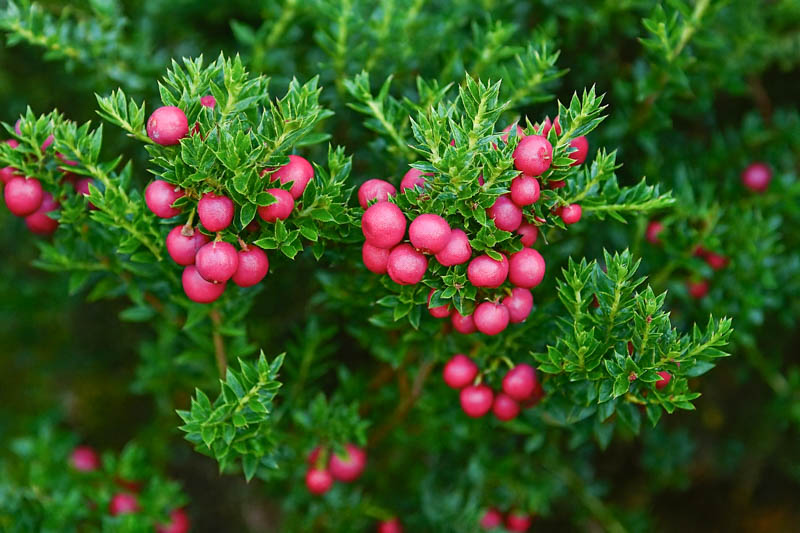
Gaultheria mucronata is a small, evergreen shrub that punches far above its weight in ornamental value. It forms tight, rounded mounds of small, sharp tipped leaves that read as a fine green cushion for most of the year. Then, from late summer onward, the entire plant transforms as wax coated berries swell and change color, clustered so densely along the stems that foliage almost disappears.
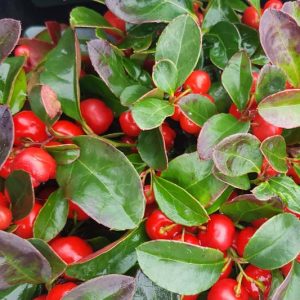
Depending on cultivar, berries can be pure white, candy pink, rose, magenta, or deep purple. The berry show often lasts right into winter, so prickly heath is a perfect choice for winter containers and front of border plantings where you want color when perennials have vanished.
In the wild, Gaultheria mucronata is native to cool, moist habitats in southern South America, especially Chile and Argentina. It grows in woodland edges, open slopes, and scrubby heathlands where soils are naturally acidic and rich in organic matter. Those conditions translate well to gardens with woodland and heath style planting that already suit rhododendrons, camellias, and other ericaceous shrubs.
Prickly heath is naturally compact and neat. It forms a dense, bushy mound with short, twiggy stems that branch freely from low down, creating a round or slightly spreading shrub. Most garden forms reach roughly 2 to 5 ft (60–150 cm) tall and wide, depending on the cultivar and conditions. Growth is generally slow to moderate, adding only a few inches a year, which means it stays in proportion in small gardens and containers for a long time without constant pruning.
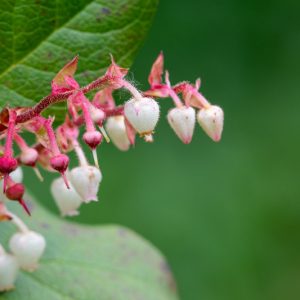
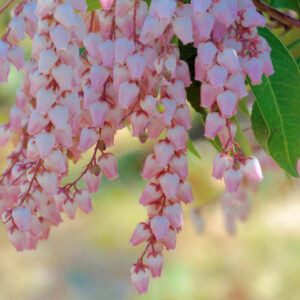
The flowers are small and charming rather than dramatic. In late spring to early summer, clusters of urn shaped, creamy white or pale pink bells appear in the leaf axils. They resemble tiny versions of lily of the valley blooms and are typical of the heath family. Flowers are important because they set the stage for that famous berry display, and they also provide nectar to early season pollinators.
The main reason gardeners fall in love with Gaultheria mucronata is the fruit. After flowering, the shrubs develop plump, globular berries that can be almost marble sized on some cultivars. These berries mature in late summer and autumn, then persist on the shrub well into winter, often surviving light frost and snow.
Breeders have selected a wide color range, so you can choose pure white berries for a frosty look, sugary pink berries for a romantic feel, or deep purple and plum tones for a richer, jewel box effect. Many gardeners plant several cultivars together so the berries mix like a bowl of pastel sweets.
Leaves are small, glossy, and dark green, each with a sharp little tip that gives the common name prickly heath. The texture is fine and dense, making the shrub look tidy even when it is not in fruit. In mild winters, foliage color stays rich, while in colder sites it may take on slightly bronzed tones, which contrast nicely with lighter berries.
Gaultheria mucronata is generally hardy in USDA Zones 6 to 9, coping with cool, damp climates very well. It appreciates mild summers, regular rainfall, and shelter from scorching, dry winds. In colder zones it benefits from winter mulch and a protected spot out of strong, drying wind. Hot and humid regions can be difficult, as the shrub dislikes heat and alkaline soil.
This is a wonderfully versatile shrub wherever you have the acid soil it prefers.
Although primarily ornamental, Gaultheria mucronata can have some wildlife value. Its dense, twiggy structure offers shelter for small birds in winter, and pollinators will visit the spring flowers. Berries are sometimes taken by birds late in the season, but because they are not especially nutritious, many remain on the shrub as decoration rather than being stripped immediately.
Prickly heath is generally considered unattractive to deer and rabbits. The small, sharp tipped leaves and tough texture make it less appealing than softer, broad leaved shrubs. While no plant is completely safe in all situations, this species is usually browsed much less than roses, hydrangeas, or many herbaceous perennials.
Gaultheria mucronata is not a drought lover. In its native habitat it enjoys cool, moist soils and regular rainfall. In gardens, aim for evenly moist soil, especially in the berry forming months of summer and early autumn. Short dry spells are tolerated if the plant is mulched, but prolonged drying leads to poor fruiting, leaf scorch, and stress.
Like many members of the heath family, prickly heath is generally regarded as ornamental rather than edible. Berries are reported as mildly toxic or at least not suitable as regular human food, and they are not grown as a fruit crop. As always with ornamental berries, teach children not to snack from the shrub, and avoid planting where curious pets or livestock might graze freely.
In most gardens, Gaultheria mucronata is well behaved and non invasive. It forms a slowly expanding clump without aggressive suckering or rampant seeding. Self sown seedlings may appear occasionally under well fruited plants, but they are easy to recognize and remove or transplant. It is not usually listed as an invasive species in temperate gardens.
Prickly heath is flexible but happiest in full sun to partial shade in cooler climates. In mild coastal or northern regions, full sun is fine if the soil stays moist. Where summers are hotter and drier, give it light shade in the afternoon or dappled woodland light to prevent leaf scorch and stress.
Soil choice is crucial. Gaultheria mucronata is an acid loving shrub. It dislikes alkaline or chalky soils, where growth quickly becomes chlorotic and weak. Aim for:
If your garden has limey soil, consider raised beds lined and filled with ericaceous compost, or grow prickly heath in large, well drained containers.
Keep the root zone consistently moist, especially while the plant is establishing and as berries are forming. Deep, infrequent watering is better than frequent light splashes. In containers, check moisture regularly and never let the compost dry out completely in summer, as this can cause berry drop.
Feeding needs are modest. Each spring, apply a light dressing of slow release fertilizer for acid loving plants around the drip line, then mulch. Avoid heavy, high nitrogen feeds, which can push soft, leafy growth at the expense of flowers and berries.
A 2 to 3 inch (5-7 cm) layer of shredded bark, pine needles, or leaf mold around the plant helps:
Keep mulch a little away from the stems to avoid keeping the base of the plant constantly wet.
Gaultheria mucronata is naturally neat and usually needs little pruning. After the berries finally fade or drop, you can:
Avoid cutting back hard into old wood, as regrowth can be slow. Little and often is the best approach.
Gaultheria mucronata is not difficult to propagate once you understand its habits. Like many dioecious shrubs, it produces separate male and female plants, and named cultivars are usually selected for berry color and crop. That means how you propagate matters. Seed is fine for general landscaping, but if you want to keep a specific berry shade or ensure you still have both sexes, stick with cuttings or layers.
Because prickly heath naturally forms low, twiggy stems, it lends itself beautifully to simple layering. This is one of the easiest ways to clone a favorite female plant with a particular berry color.
Older Gaultheria mucronata shrubs often produce small basal shoots and suckers around the main plant. These can be lifted and divided to create new plants that are genetically identical to the parent.
Growing Gaultheria mucronata from seed is slower and more variable, but useful if you are raising plants in quantity for hedging or naturalistic plantings and do not need to maintain specific berry colors or named cultivars.
Gaultheria mucronata, also known as prickly heath or Chilean gaultheria, is an evergreen shrub valued for its dense habit and large autumn berries. It is dioecious, meaning male and female plants are separate, and both are needed for fruit production.
It grows best in partial shade and cool, moist, well-drained, acidic soil rich in organic matter. It dislikes chalky or alkaline soil and struggles in hot, dry, exposed sites.
Yes. It is a broadleaf evergreen and holds its small, glossy leaves year-round, giving structure even in winter.
Yes. Gaultheria mucronata is dioecious. A male plant is required to pollinate female plants for berry production. One male is enough for several females.
It produces small, white to pinkish urn-shaped flowers in early summer. These develop into large, colorful berries in autumn, often persisting through winter.
Generally yes. The tough, small foliage makes it less appealing to deer and rabbits compared with other shrubs. However, no plant is completely animal-proof.
Common issues include chlorosis in alkaline soil, root stress in poorly drained sites, occasional leaf spot, and light dieback after harsh winters. Pests are generally minor and occur mostly on stressed plants.
Most plants reach about 2–4 ft (0.6–1.2 m) tall and wide, although older specimens or ideal conditions may produce shrubs up to 5 ft (1.5 m). Growth is naturally compact and rounded.
Most gaultheria mucronata plants are hardy in USDA Zones 6–9. In cool, moist climates and a sheltered, well mulched spot, it can sometimes be grown in Zone 5, but it dislikes very cold, exposed, or windy sites.
Gaultheria mucronata is a compact evergreen that earns its place in every acid loving, woodland, or heather style garden. It stays neat, decorates itself with clouds of berries in white, pink, or purple, and performs beautifully in borders and containers. Provide acidic soil, steady moisture, and a pollinizing partner, and it will deliver months of cool season color with very little fuss.
Updated: November 2025 • Reviewed by Gardenia Editors
| Hardiness |
6 - 9 |
|---|---|
| Heat Zones |
8 - 9 |
| Climate Zones | 4, 5, 6, 7, 15, 16, 17 |
| Plant Type | Shrubs |
| Plant Family | Ericaceae |
| Genus | Gaultheria |
| Exposure | Full Sun, Partial Sun |
| Season of Interest | Spring (Early, Mid, Late), Summer (Early, Mid, Late), Fall, Winter |
| Height | 2' - 5' (60cm - 150cm) |
| Spread | 2' - 5' (60cm - 150cm) |
| Spacing | 24" - 60" (60cm - 150cm) |
| Maintenance | Low |
| Water Needs | Average |
| Soil Type | Clay, Loam, Sand |
| Soil pH | Acid, Neutral |
| Soil Drainage | Moist but Well-Drained |
| Characteristics | Showy, Evergreen |
| Tolerances | Heat |
| Garden Uses | Banks And Slopes, Beds And Borders, Patio And Containers, Underplanting Roses And Shrubs |
| Garden Styles | City and Courtyard, Coastal Garden, Gravel and Rock Garden, Informal and Cottage |
| Toxic to Humans | No known toxicity |
| Toxic to Cats | No known toxicity |
| Toxic to Dogs | No known toxicity |
| Toxic to Horses | No known toxicity |


| Hardiness |
6 - 9 |
|---|---|
| Heat Zones |
8 - 9 |
| Climate Zones | 4, 5, 6, 7, 15, 16, 17 |
| Plant Type | Shrubs |
| Plant Family | Ericaceae |
| Genus | Gaultheria |
| Exposure | Full Sun, Partial Sun |
| Season of Interest | Spring (Early, Mid, Late), Summer (Early, Mid, Late), Fall, Winter |
| Height | 2' - 5' (60cm - 150cm) |
| Spread | 2' - 5' (60cm - 150cm) |
| Spacing | 24" - 60" (60cm - 150cm) |
| Maintenance | Low |
| Water Needs | Average |
| Soil Type | Clay, Loam, Sand |
| Soil pH | Acid, Neutral |
| Soil Drainage | Moist but Well-Drained |
| Characteristics | Showy, Evergreen |
| Tolerances | Heat |
| Garden Uses | Banks And Slopes, Beds And Borders, Patio And Containers, Underplanting Roses And Shrubs |
| Garden Styles | City and Courtyard, Coastal Garden, Gravel and Rock Garden, Informal and Cottage |
| Toxic to Humans | No known toxicity |
| Toxic to Cats | No known toxicity |
| Toxic to Dogs | No known toxicity |
| Toxic to Horses | No known toxicity |
How many Gaultheria mucronata (Prickly Heath) do I need for my garden?
| Plant | Quantity | |
|---|---|---|
| Gaultheria mucronata (Prickly Heath) | N/A | Buy Plants |
Create a membership account to save your garden designs and to view them on any device.
Becoming a contributing member of Gardenia is easy and can be done in just a few minutes. If you provide us with your name, email address and the payment of a modest $25 annual membership fee, you will become a full member, enabling you to design and save up to 25 of your garden design ideas.
Join now and start creating your dream garden!
Create a membership account to save your garden designs and to view them on any device.
Becoming a contributing member of Gardenia is easy and can be done in just a few minutes. If you provide us with your name, email address and the payment of a modest $25 annual membership fee, you will become a full member, enabling you to design and save up to 25 of your garden design ideas.
Join now and start creating your dream garden!