Bronze Fennel, Foeniculum vulgare 'Rubrum', Foeniculum vulgare 'Bronze', Foeniculum vulgare 'Nigra', Foeniculum vulgare 'Nigrum'


Foeniculum vulgare ‘Purpureum’ – widely known as bronze fennel – is the sultry, wine-toned cousin of common fennel. Where green fennel looks airy and fresh, bronze fennel adds drama: feathery plumes washed in smoky copper and plum, glinting in sun, humming with bees, and perfuming the breeze with a clean anise note. It’s an edible ornamental that earns its keep twice over – as a beautiful border plant and as a generous herb for salads, seafood, pickles, and soothing fennel tea.
Not to be confused with the bulb-forming vegetable, Florence fennel, bronze fennel is primarily grown for its foliage, flowers, and seeds. If you want the crisp swollen base for roasting and shaving, look to the bulb type here: Foeniculum vulgare var. azoricum. If you’re after a long, elegant, pollinator-friendly herb that brings color and movement to beds, borders, and kitchen gardens, bronze fennel is your plant. For a broader overview of the species, see Foeniculum vulgare.
| Botanical Name | Foeniculum vulgare ‘Purpureum’ |
| Common Names | Bronze fennel, copper fennel, purple fennel |
| Plant Type | Short-lived perennial herb; often grown as an ornamental edible |
| Hardiness | USDA 5–9 (to 4 with winter protection) |
| Height and Spread | 3–5 ft tall, 18–30 in spread; taller in rich soil |
| Bloom | Mid–late summer (into early fall). |
| Sun and Soil | Full sun; well-drained soil; tolerates lean conditions once established |
| Edible Parts | Fronds, flowers for pollen, and dried seeds; foliage tastes like sweet anise |
| Wildlife Value | Beloved by bees and butterflies; host plant for black swallowtail caterpillars |
| Resistance | Deer and rabbit resistant; drought tolerant once established |
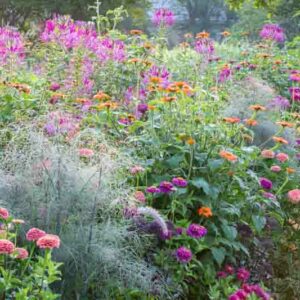
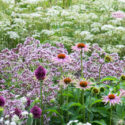
Feathery foliage in a couture color palette: The first thing you notice is the texture – hair-fine, filigreed leaves that move like smoke in a light breeze. The second is the color. New growth emerges coppery rose, deepens to bronzy purple, and softens to olive-green as heat builds. Against silver lamb’s ears, blue catmint, or gray stone, bronze fennel looks like it belongs on a magazine cover.
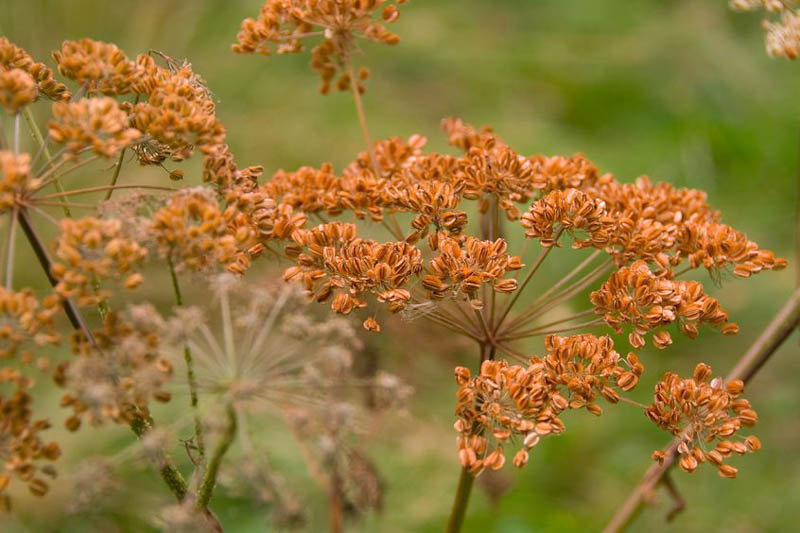
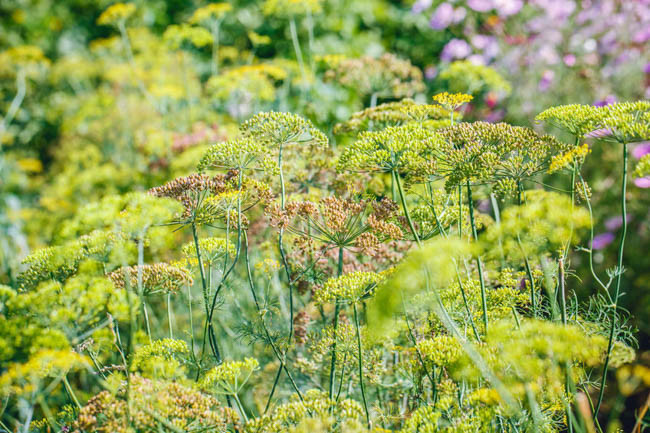
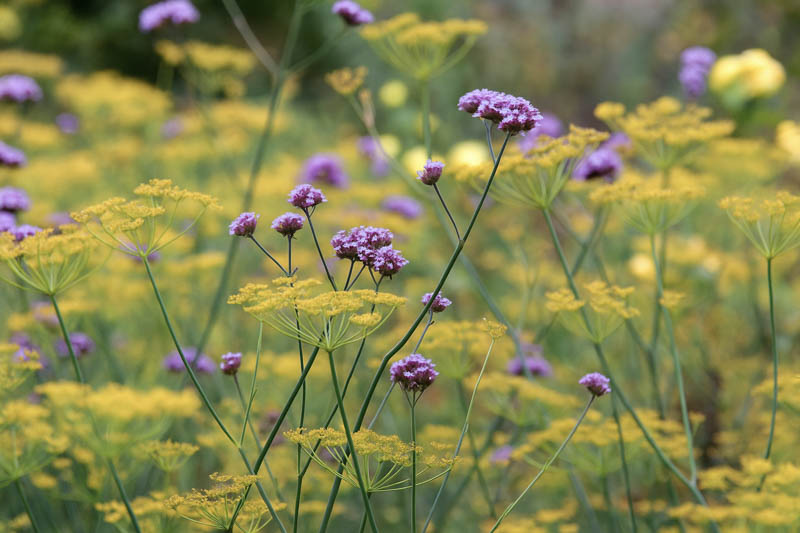
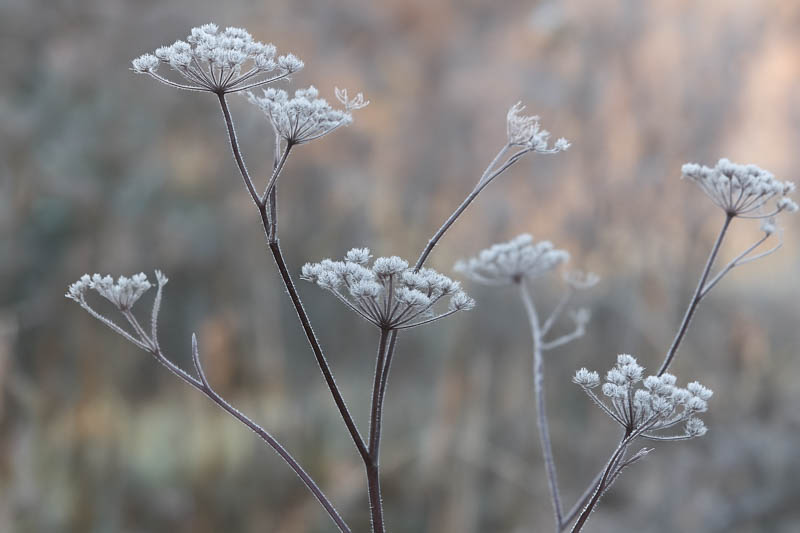
Umbels that gleam like fireworks: In mid to late summer, statuesque stems carry flat-topped umbels of tiny, bright yellow flowers. Each cloud of bloom draws a miniature city of pollinators – hoverflies, lacewings, bees, and all manner of beneficial insects. As flowers fade, seed heads form, browning to a warm umber and scenting your hands when you brush past.
Winter presence: Left standing, the strong, upright stems and seed umbels add superb winter structure. Dust them with frost and you’ve got instant garden poetry, plus seeds for finches and other small birds.
If you’ve fallen for roasted, caramel-sweet “fennel bulb,” that’s the Florence type, a vegetable selected to swell at the base. Bronze fennel almost never produces a substantial bulb; it channels energy into fronds, flowers, and seeds. Many gardeners plant both: bronze fennel for the border and pollinators; Florence fennel for the kitchen. Explore the bulb type here: Foeniculum vulgare var. azoricum. For the species overview, visit Foeniculum vulgare.
Sun-lover, easy-goer. Plant Foeniculum vulgare ‘Purpureum’ anywhere you have full sun and decent drainage. It’s happiest in lean to moderately fertile soils and shrugs off wind once established.
Generally deer– and rabbit-resistant. The aromatic, anise-scented foliage makes bronze fennel unappealing to most browsers. In late winter or severe drought, hungry deer may sample tender tips, but significant damage is uncommon.
Bronze fennel craves sun. Give it six or more hours of direct light and you’ll get the richest color and densest growth. It’s not fussy about soil, provided drainage is decent. In heavy clay, loosen with compost and grit; in sand, mix in organic matter to hold moisture a bit longer. A slightly alkaline to neutral pH suits it fine, but it adapts across a wide range.
Water to establish, then relax. New transplants appreciate regular, deep watering while roots set. After that, bronze fennel is surprisingly drought-tolerant, particularly in soils with some organic matter. Overfeeding encourages overly lush, floppy growth; a single spring top-dress of compost is plenty.
Expect a clump roughly 18–30 inches wide with stems to 3–5 feet. Space plants 18–24 inches apart for a soft, interlaced drift. In very windy sites or rich soil where stems can shoot taller, a discrete hoop stake or neighboring support plant is helpful, though many gardeners never need it.
Fennel dislikes root disturbance. If you start seed in modules, use deep cells or biodegradable pots and set out young. Direct sowing where plants will mature is easy and effective. When transplanting, water in well and avoid teasing roots apart.
Bronze fennel is a short-lived perennial that often returns for several years from the crown, but its real persistence comes from self-sowing. In regions where fennel naturalizes, deadhead to prevent spread. Seedlings are easy to recognize and thin where needed. If you want to limit volunteers, clip spent flower heads before seeds drop. If you want a gentle stream of replacements, leave a few umbels to ripen.
Fennel’s aromatic chemistry can suppress very close neighbors, especially tender seedlings. The simplest strategy is to give bronze fennel its own pocket or row, then grow companions in the adjacent bed with a small buffer. Keep Apiaceae cousins like carrot, parsley, celery, cilantro in separate rows to reduce shared pest pressure.
Begin clipping once plants are established. Finely chop for salads, dressings, salsa verde, herb butters, and seafood. A little goes a long way; the anise-citrus perfume is bright and clean.
When umbels first open, tap them gently over parchment to collect golden fennel pollen. It’s culinary fairy dust: a pinch on grilled fish, roasted carrots, or creamy risotto is a chef’s kiss.
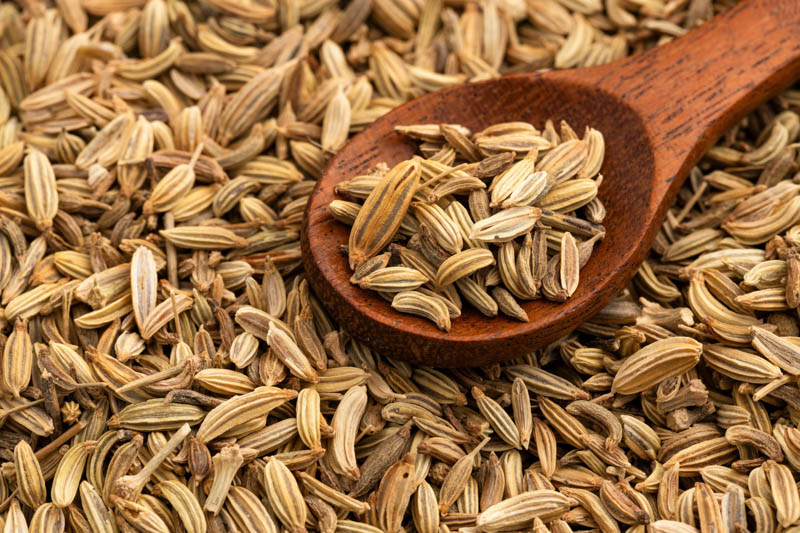
Allow some heads to brown on the stalk, then cut into a paper bag on a dry morning. Finish drying indoors, rub to free the seeds, and winnow away chaff. Whole seeds keep aroma far longer than pre-ground and are essential for pickles, breads, biscotti, and spice rubs.
Bronze fennel fronds adore citrus, tomatoes, olives, and seafood. Use with grilled salmon, steamed mussels, or shaved over orange salads. Fold into potato salad, deviled eggs, or creamy dressings. For a simple evening ritual, crush a teaspoon of seeds and steep for a calming cup of fennel tea.
A gentle, naturally sweet infusion using your own fennel seeds or flower pollen.
Seed is the straightforward route. Collect from your own plants or direct sow purchased seed where you want a drift. Named forms like ‘Purpureum’ generally come true enough from seed to retain the bronzy character, though leaf color can vary with heat and fertility. If you need guaranteed uniformity for a design project, purchase starts from a reputable nursery.
| Issue | What You’ll See | Remedy |
|---|---|---|
| Flop in rich soil | Tall stems leaning after rain | Use a discreet hoop stake or grow with supportive neighbors; avoid heavy feeding |
| Aphids on young growth | Sticky clusters on stems | Blast with water; encourage lady beetles; insecticidal soap if needed |
| Excessive self-sowing | Many seedlings around parent | Deadhead before seed drop; mulch lightly; weed while small |
| Poor color in shade | Leaves more green than bronze | Move to full sun for richer bronze tones |
Bronze fennel is a well-known host for black swallowtail caterpillars. If your fronds get nibbled in midsummer, consider it a badge of ecological honor. Plant an extra or two to share. In some coastal regions the wild species can naturalize; grow responsibly by deadheading if spread is a concern and choosing intentional planting sites. Again, for a clear species overview, see Foeniculum vulgare.
| Type | Grown For | Look | Kitchen Use |
|---|---|---|---|
| Bronze fennel ‘Purpureum’ | Fronds, flowers, seeds, ornamental value | Smoky-purple, feathery, 3–5 ft | Fronds in salads and fish, pollen finishing, seeds for tea and pickles |
| Common green fennel | Fronds and seeds; pollinators | Fine green fronds, 3–6 ft | Similar flavor; classic herb garden staple |
| Florence fennel (bulb) | Swollen base for slicing and roasting | Compact plants with crisp white bases | Shaved salads, roasted wedges, braises |
Culinary use is widely considered gentle when used as food. As with most aromatic herbs, the essential oil is concentrated and not the same as tea or spice; avoid ingesting essential oils. People sensitive to members of the carrot family can occasionally experience mild oral itching; discontinue if symptoms occur. Keep seeds and spice jars stored safely away from curious pets and kids.
No. Bronze fennel is grown for fronds, flowers, and seeds. For the crisp base used in roasting and shaving, plant the bulb type, Florence fennel, here: F. vulgare var. azoricum.
It can self-sow in happy conditions. Deadhead spent umbels if you prefer tight control; otherwise, welcome a few seedlings and edit in spring.
Yes. The flowers are excellent for pollinators, and the plant is a host for black swallowtail caterpillars. Plant an extra to share.
In many dishes, yes. The fronds have a similar look with a sweeter, anise-citrus flavor. Start with less, then adjust to taste.
Bronze fennel is the rare plant that checks every box: graceful structure, sophisticated color, high wildlife value, and real culinary utility. Tuck it into sunny borders where its feathery copper fronds can glow, or weave it through your vegetable beds to feed bees and garnish dinner. For a crisp, roastable base, add the bulb type to a separate row: Florence fennel. For the species overview and more growing notes, bookmark Foeniculum vulgare.
Plant bronze fennel once and it will reward you with moving texture, edible fragrance, and a garden alive with pollinators. It’s an herb that dresses like an ornamental – and behaves like a friend.
| Hardiness |
4 - 9 |
|---|---|
| Heat Zones |
6 - 9 |
| Climate Zones | 1, 1A, 1B, 2, 2A, 2B, 3, 3A, 3B, 4, 5, 6, 7, 8, 9, 10, 11, 12, 13, 14, 15, 16, 17, 18, 19, 20, 21, 22, 23, 24, A1, A2, A3, H1, H2 |
| Plant Type | Herbs, Perennials |
| Plant Family | Apiaceae |
| Common names | Fennel |
| Exposure | Full Sun |
| Season of Interest | Summer (Mid, Late) |
| Height | 3' - 5' (90cm - 150cm) |
| Spread | 1' - 2' (30cm - 60cm) |
| Spacing | 18" - 24" (50cm - 60cm) |
| Maintenance | Low |
| Water Needs | Average |
| Soil Type | Chalk, Clay, Loam, Sand |
| Soil pH | Acid, Alkaline, Neutral |
| Soil Drainage | Moist but Well-Drained |
| Characteristics | Fragrant, Showy |
| Tolerances | Drought, Deer, Heat, Poor Soil, Humidity |
| Attracts | Butterflies, Bees, Birds |
| Garden Uses | Beds And Borders |
| Garden Styles | City and Courtyard, Coastal Garden, Informal and Cottage, Mediterranean Garden, Prairie and Meadow |
| Toxic to Humans | No known toxicity |
| Toxic to Cats | Not toxic |
| Toxic to Dogs | Not toxic |
| Toxic to Horses | Not toxic |


| Hardiness |
4 - 9 |
|---|---|
| Heat Zones |
6 - 9 |
| Climate Zones | 1, 1A, 1B, 2, 2A, 2B, 3, 3A, 3B, 4, 5, 6, 7, 8, 9, 10, 11, 12, 13, 14, 15, 16, 17, 18, 19, 20, 21, 22, 23, 24, A1, A2, A3, H1, H2 |
| Plant Type | Herbs, Perennials |
| Plant Family | Apiaceae |
| Common names | Fennel |
| Exposure | Full Sun |
| Season of Interest | Summer (Mid, Late) |
| Height | 3' - 5' (90cm - 150cm) |
| Spread | 1' - 2' (30cm - 60cm) |
| Spacing | 18" - 24" (50cm - 60cm) |
| Maintenance | Low |
| Water Needs | Average |
| Soil Type | Chalk, Clay, Loam, Sand |
| Soil pH | Acid, Alkaline, Neutral |
| Soil Drainage | Moist but Well-Drained |
| Characteristics | Fragrant, Showy |
| Tolerances | Drought, Deer, Heat, Poor Soil, Humidity |
| Attracts | Butterflies, Bees, Birds |
| Garden Uses | Beds And Borders |
| Garden Styles | City and Courtyard, Coastal Garden, Informal and Cottage, Mediterranean Garden, Prairie and Meadow |
| Toxic to Humans | No known toxicity |
| Toxic to Cats | Not toxic |
| Toxic to Dogs | Not toxic |
| Toxic to Horses | Not toxic |
How many Foeniculum vulgare ‘purpureum’ (Bronze Fennel) do I need for my garden?
| Plant | Quantity | |
|---|---|---|
| Foeniculum vulgare ‘purpureum’ (Bronze Fennel) | N/A | Buy Plants |
Create a membership account to save your garden designs and to view them on any device.
Becoming a contributing member of Gardenia is easy and can be done in just a few minutes. If you provide us with your name, email address and the payment of a modest $25 annual membership fee, you will become a full member, enabling you to design and save up to 25 of your garden design ideas.
Join now and start creating your dream garden!
Create a membership account to save your garden designs and to view them on any device.
Becoming a contributing member of Gardenia is easy and can be done in just a few minutes. If you provide us with your name, email address and the payment of a modest $25 annual membership fee, you will become a full member, enabling you to design and save up to 25 of your garden design ideas.
Join now and start creating your dream garden!