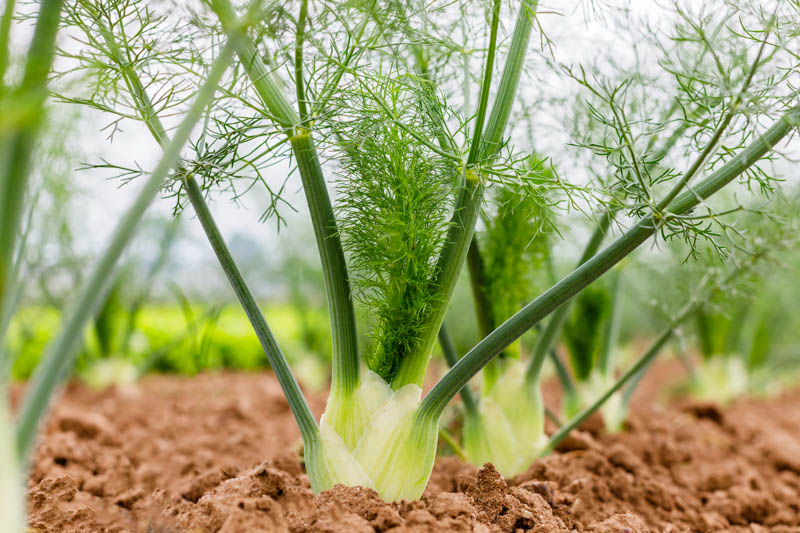
Fennel
Meet fennel, the aromatic overachiever that moonlights as herb, spice, and crunchy vegetable. From seaside cliffs to city balconies, this Mediterranean native brings anise perfume, feathery fronds, and pollinator magnetism to any plot. Ready to nerd out and nibble
Three roles, one plant. Leafy herb, pollen-rich flowers, and a crisp, swollen stem base often called a bulb. Explore the classic bulb form here: Foeniculum vulgare var. azoricum.
Not licorice candy, but close. Fennel’s flavor comes from anethole, the same compound found in anise and tarragon. Grill wedges for sweet, caramel edges.
Pollinator party. Umbels of tiny yellow blooms act like a landing pad for hoverflies, lacewings, bees, and butterflies. Leave some flowers for wildlife and seeds for you.
Bronze beauty alert. The ornamental cultivar with smoky purple foliage turns borders into drama queens. Meet it here: Foeniculum vulgare ‘Rubrum’.
Every part earns its keep. Fronds blitz into chimichurri, stems flavor stock, seeds perfume sausages and tea, and the bulb crunches in slaws and salads.
Kitchen trick. Slice raw fennel paper thin, drop into icy water, and watch it curl and crisp. Instant garnish with snap and sparkle.
Self sowing shenanigans. Fennel loves to sprinkle future seedlings around. Deadhead after bloom if you prefer tidy beds.
Neighbors may complain. Fennel can stunt some plants when grown too close, so give it personal space or park it at the border’s edge.
Coastal cool. Native to breezy shores, fennel tolerates wind and light drought once established. In hot climates, steady moisture keeps bulbs juicy.
Herb or veggie, your choice. Grow the leafy forms for foliage and flowers or the bulb form for crunch. Start with the species overview: Foeniculum vulgare.
Quick harvest math. Baby bulbs in about eight weeks, full size in ten to twelve. Snip fronds anytime without hurting the main event.